
Transitioning a larger toddler to potty training is a significant developmental milestone that requires the right tools for success. In Singapore, finding eco-friendly, reusable potty training pants in XXL sizes can be challenging due to varying brand standards and local availability. The most effective solution is to choose high-quality, reusable training pants made from sustainable materials like bamboo, hemp, or certified organic cotton, which offer the perfect balance of absorbency, comfort, and sensory feedback.
Unlike disposable pull-ups, reusable training pants are intentionally designed to help your child feel when they are wet. This physical sensation is a crucial part of the learning process, helping older toddlers connect the urge to go with the physical result. By choosing reusable options, you not only support your child’s independence but also drastically reduce household waste in Singapore’s landfill-conscious environment.
To make the best choice for your family, you need to understand the unique material properties, sizing nuances, and care requirements that come with managing reusable training wear in a tropical climate. This guide breaks down the essential features to look for, how to secure a leak-free fit, and how to care for these garments to ensure they last throughout your potty training journey.
Products mentioned in this guide
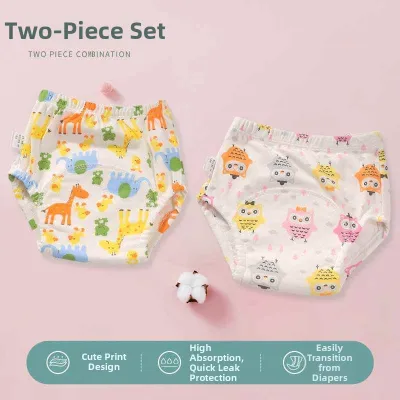
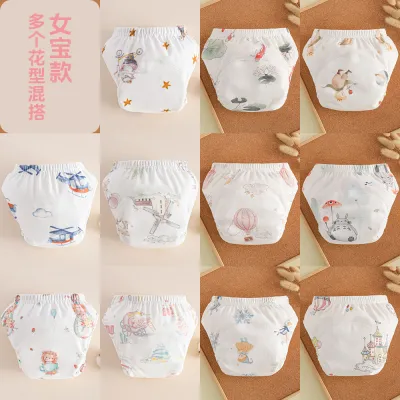
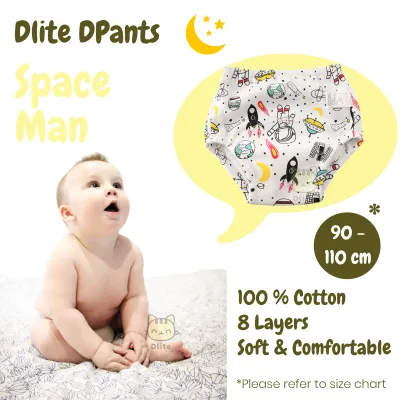
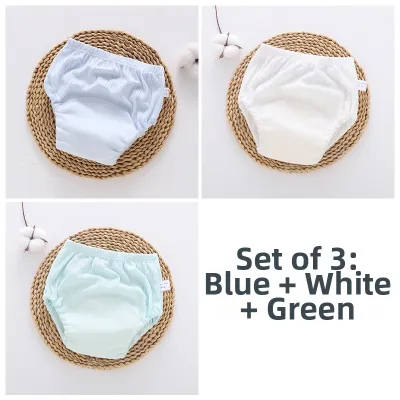
![[4 at $10.90] Baby Toilet Training Pants 6 Layers Reusable Cloth Diaper Waterproof Underwear Nappy Potty Highly Absorbent](https://img.lazcdn.com/g/p/8ddde1677384c797b9de2af14f2beb0f.png_400x400q80.png_.webp)
![[SG Local Stock] 6 Layers Baby Toilet Training Pants Breathable Waterproof Baby Diaper Pants Kids Potty Training Rewashable Diapers Panties Underwear Children Day Gifts](https://img.lazcdn.com/g/p/3c008923aebea28cff8035fa6d41ddb6.jpg_400x400q80.jpg_.webp)
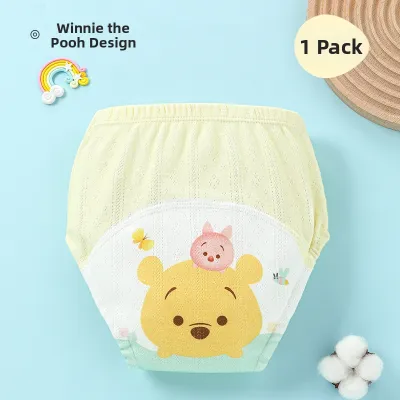
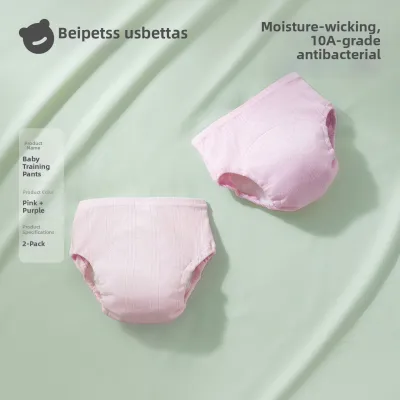
Prices are valid at publication and may change. Please refer to the product page for the latest price.
Key Features to Look for in Eco-Friendly XXL Training Pants
When shopping for reusable potty training pants xxl options, the primary functional goal is different from that of a standard diaper. While a diaper is designed to keep a baby completely dry, training pants must allow a toddler to feel a damp sensation immediately after an accident. This wetness feedback loop is what teaches the toddler to recognize their bodily functions and prompts them to use the toilet next time. Therefore, look for pants that feature a semi-absorbent inner core rather than a heavy-duty moisture-wicking barrier against the skin.
Sustainable materials are the cornerstone of eco-friendly training pants. Natural fibers like bamboo, hemp, and organic cotton are excellent choices because they are highly absorbent, renewable, and biodegradable. Bamboo is exceptionally soft and naturally breathable, which helps keep your toddler cool. Hemp is incredibly durable and holds a high volume of liquid relative to its thickness, making it ideal for older toddlers with larger bladder capacities. Organic cotton provides a familiar, underwear-like feel while remaining free from synthetic chemical residues.
Functional design elements are equally critical for encouraging independence in older toddlers. Look for wide, stretchy waistbands that allow your child to easily pull the pants up and down without assistance, which builds confidence during quick trips to the bathroom. Side snaps are another highly useful feature; they allow you to remove soiled pants quickly without sliding them down your child’s legs, minimizing mess during accidental bowel movements. Additionally, gentle elastic leg gussets help contain leaks while your child is on the move.
Finally, always verify eco-friendly claims by inspecting the product labels for recognized textile certifications. Look for standards such as the Global Organic Textile Standard (GOTS) or OEKO-TEX Standard 100, which ensure the fabrics are free from harmful substances and produced under environmentally responsible conditions. Relying on these independent verifications is far safer than trusting generic marketing terms like “all-natural” or “green.”
Sizing Guide: How to Ensure a Proper Fit for Bigger Toddlers
One of the most common pitfalls when buying reusable potty training pants xxl sizes is assuming that sizing is uniform across brands. In the world of cloth diapering and reusable training wear, there is no standardized measurement for an “XXL” label. A size designated as XXL by one manufacturer might comfortably fit a toddler weighing 15 kilograms, while the same label from another brand might be designed for children up to 25 kilograms.

To avoid leaks and discomfort, measure your toddler’s physical dimensions before placing an order. Use a soft, flexible measuring tape to record three key areas: the waist (just below the belly button), the widest part of the hips, and the circumference of the upper thigh right at the groin crease. These measurements are far more reliable indicators of fit than your child’s age or overall weight, as toddlers of the same weight can have vastly different body shapes.
Pay close attention to the elasticity of the waistband and the leg openings. For active, bigger toddlers, the elastics must be robust enough to hold the pants in place during vigorous play, yet gentle enough to prevent red, irritated marks on the skin. In Singapore’s hot and humid climate, tight or stiff elastics can trap sweat against the skin, quickly leading to chafing or heat rashes around the waist and thighs.
Always cross-reference your toddler’s measurements with the manufacturer’s specific size charts. If your child’s measurements fall near the upper limit of a size range, it is generally wise to size up to ensure comfort and longevity. Consider purchasing a single pair to test the fit and absorbency before investing in a full set, as this prevents costly sizing mistakes.
Top Eco-Friendly Reusable Potty Training Pants (XXL) in Singapore
Because product availability and inventory levels fluctuate frequently among local retailers and online marketplaces in Singapore, focusing on specific material constructions is the most reliable way to shop. Different fabric blends offer distinct advantages depending on your daily routine, your toddler’s wetting patterns, and your laundry setup. Understanding these categories allows you to select the right mix of training pants for your household.
Best Overall: High-Absorbency Bamboo or Hemp Blends
Bamboo and hemp blends represent the gold standard for eco-friendly training wear due to their superior performance and environmental benefits. Bamboo fibers are incredibly soft, making them highly comfortable for sensitive toddler skin, while hemp provides unmatched structural durability and liquid retention. When blended together, these materials create a trim, highly absorbent core that can handle larger accidents without bulkiness.
- Pros: Exceptional liquid retention prevents immediate leaks onto outer clothing; natural breathability helps regulate temperature; fabrics remain soft even after dozens of wash cycles.
- Cons: Natural plant fibers hold onto moisture tightly, which results in significantly longer drying times compared to synthetic alternatives.
- Ideal Use Case: This blend is the perfect choice for heavy wetters, long car rides, outings across Singapore, or for toddlers who are in the final stages of transitioning away from overnight diapers.
Best for Sensitive Skin: Certified Organic Cotton Options
For toddlers prone to eczema, heat rashes, or contact dermatitis, certified organic cotton training pants are highly recommended. Organic cotton is grown without synthetic pesticides or fertilizers, ensuring that the fabric touching your child’s skin is pure and non-irritating. The weave of organic cotton is naturally porous, allowing maximum airflow to keep the diaper area dry and cool.
- Pros: Extremely breathable and hypoallergenic; provides a lightweight, true-underwear feel that helps toddlers feel like "big kids"; easy to wash and highly resistant to odor retention.
- Cons: Cotton has a lower absorbency limit than bamboo or hemp, meaning it will saturate quickly and may leak if not changed immediately after an accident.
- Ideal Use Case: Best suited for daytime training at home or at preschool where caregivers can address accidents immediately, and for toddlers with highly sensitive skin.
Best for Quick Drying: Hybrid Designs with Natural Liners
Singapore’s high humidity can make line-drying thick, natural-fiber garments a slow process. Hybrid designs solve this practical issue by combining a fast-drying synthetic core (such as microfiber) with a natural inner lining (like organic cotton or bamboo jersey) that sits directly against the toddler’s skin. This ensures your child only touches natural fibers while optimizing laundry turnaround times.
- Pros: Dries much faster on indoor drying racks or balconies; offers a practical solution for rainy monsoon seasons; maintains a soft, natural barrier against the skin.
- Cons: The inclusion of synthetic materials means these pants are not 100% biodegradable; synthetic cores can sometimes retain stubborn urine odors if not washed thoroughly.
- Ideal Use Case: Ideal for busy households without automated clothes dryers who need a rapid laundry turnaround during humid weeks without sacrificing skin comfort.
Caring for Reusable Training Pants in Singapore's Humid Climate
Proper maintenance is essential to keep reusable training pants hygienic, absorbent, and free from odors in Singapore’s tropical climate. If your toddler has a solid accident, knock the waste directly into the toilet immediately. Give the pants a quick cold-water rinse to flush out residual waste before placing them in your laundry bin. To prevent mold and mildew from developing in high humidity, store dirty pants in an open, well-ventilated dry pail rather than a sealed plastic bucket.
When washing, select a normal or heavy-duty cycle on your washing machine using a residue-free detergent. Avoid using fabric softeners at all costs; softeners leave a thin, water-repellent coating on fabric fibers, which will completely ruin the absorbency of the training pants over time. Similarly, avoid chlorine bleach, as it can degrade the waterproof polyurethane laminate (PUL) outer layer and weaken the elastic waistbands, voiding any manufacturer warranties.
Line-drying your training pants in direct sunlight is highly effective in Singapore, as natural ultraviolet rays act as a mild sanitizer and help fade organic stains. However, check the manufacturer’s care label before exposing the pants to intense afternoon sun for extended periods, as extreme heat can crack the waterproof PUL backing. If you prefer to use a tumble dryer, ensure it is set to a low or delicate heat cycle to protect the waterproof membranes and elastics.
If your reusable pants develop a persistent ammonia smell or mold due to damp storage, do not attempt to solve the issue with harsh, unverified household chemicals. Instead, consult the manufacturer’s official stripping guide or contact their customer service department. They can provide safe, material-specific deep-cleaning protocols that restore absorbency and eliminate odors without damaging the delicate waterproof layers.
Frequently Asked Questions (FAQ)
How many pairs of XXL reusable training pants do I need?
During the initial phase of potty training, most toddlers experience between 3 to 5 accidents per day. If you plan to wash your laundry every other day, a starting stash of 8 to 10 pairs of training pants is highly recommended to ensure you always have a clean pair on hand while others are drying. It is best to start by purchasing a small batch of 2 or 3 pairs first to verify that the XXL fit, elastic tension, and absorbency levels work well for your child’s body shape before investing in a larger quantity.
Can I use reusable training pants overnight for a bigger toddler?
Standard reusable training pants are not designed to handle overnight wetting for older toddlers. Because they are constructed to be trim and to let the child feel wetness, they lack the heavy-duty absorption layers required to contain a full bladder release during a long night of sleep, which will likely result in bedsheet leaks. For nighttime use, it is best to use dedicated overnight cloth diapers with high-capacity inserts, or consult your training pants’ manufacturer instructions to see if you can safely add an approved absorbency booster pad for overnight transitions.

Community discussion
Share your experience or ask a question. Comments are reviewed before publication.