
Selecting the most effective diaper rash cream requires understanding the specific needs of your baby’s skin at different stages of irritation. Diaper dermatitis can range from a faint, localized pinkness to severe, inflamed, or weeping sores. In Singapore’s hot and humid tropical climate, choosing the right formulation is particularly critical, as heavy, occlusive barriers can sometimes trap sweat and heat, worsening skin irritation. By matching the active ingredients—such as petrolatum, dimethicone, or varying concentrations of zinc oxide—to the visual severity of the rash, caregivers can support rapid healing while keeping the infant comfortable.
How to Assess Your Baby's Diaper Rash Severity
To treat diaper rash effectively, parents must first observe and categorize the rash’s visual appearance. This assessment determines whether a simple preventive barrier, a therapeutic treatment paste, or professional medical intervention is required. Diaper dermatitis is primarily an irritant contact dermatitis caused by prolonged contact with urine and feces, combined with friction from the diaper itself. In Singapore’s warm climate, sweat can further exacerbate this friction, making early and accurate identification essential.
Mild Diaper Rash A mild rash is characterized by faint pinkness or slight redness localized to specific areas of friction, such as the leg folds, buttocks, or the diaper’s waistband area. The skin remains smooth, unbroken, and generally dry. Your baby may show minor discomfort during wiping, but otherwise behaves normally without significant distress. At this stage, the skin’s natural moisture barrier is slightly irritated but still largely intact, requiring only gentle protection to heal.
Products mentioned in this guide
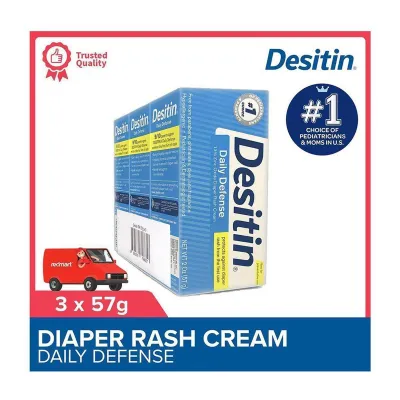
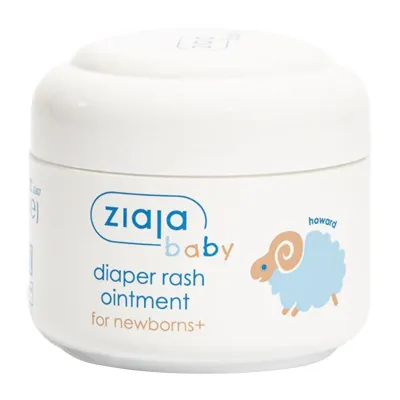
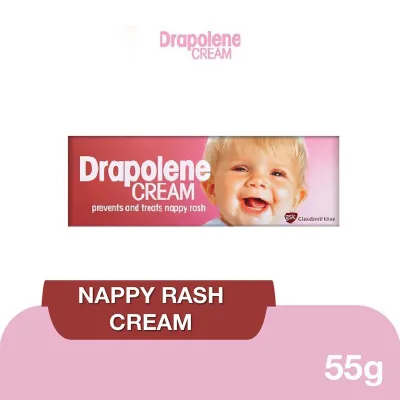
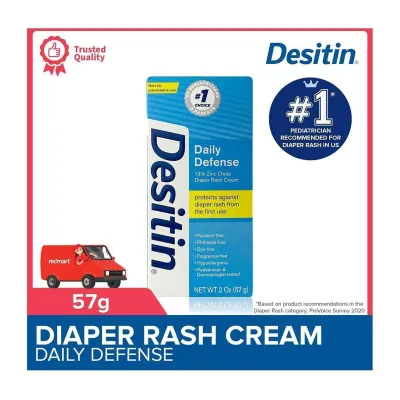
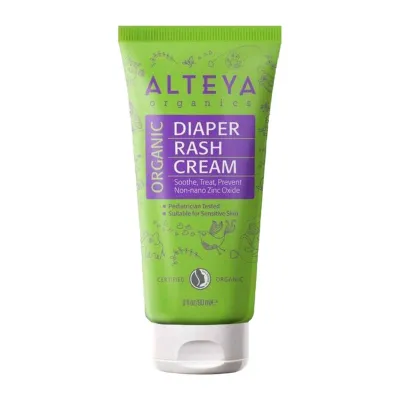
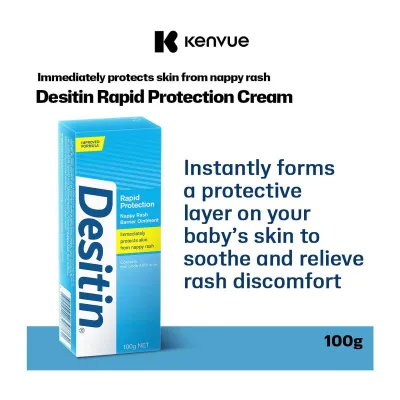
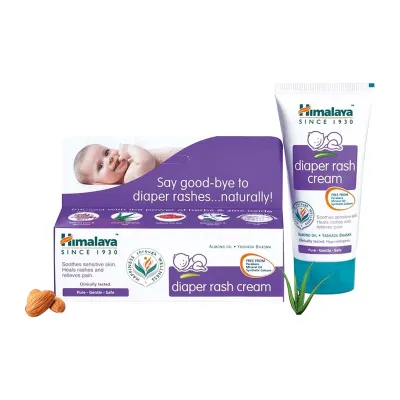
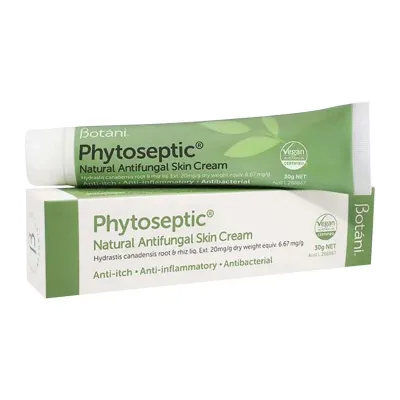
Prices are valid at publication and may change. Please refer to the product page for the latest price.
Moderate Diaper Rash A moderate rash appears as bright red, inflamed, and slightly raised patches that cover a larger portion of the diaper zone. The skin may feel warm to the touch, and small bumps or papules might begin to form. At this stage, the skin’s natural barrier is compromised, making diaper changes painful for the infant and causing noticeable fussiness. The redness is more uniform and does not easily fade between diaper changes, indicating active inflammation that requires targeted treatment rather than simple prevention.
Severe Diaper Rash A severe rash is marked by intense, deep red or purple inflammation, peeling skin, bleeding, oozing, or open sores. The rash may spread beyond the immediate diaper area onto the lower abdomen, thighs, or back. If the rash features distinct satellite lesions, which are small red spots surrounding a larger red patch, it may indicate a secondary fungal infection. Severe rashes cause extreme discomfort, often disrupting the infant’s sleep and feeding patterns.
Matching the rash severity to the correct active ingredient prevents under-treating an active inflammation or over-treating healthy skin. Using an ultra-thick, highly occlusive paste on a very mild rash in Singapore’s humid climate can trap sweat, potentially leading to heat rash (miliaria) or secondary infections. Conversely, using a thin daily lotion on an actively bleeding moderate rash will fail to provide the necessary physical protection against acidic urine and stool.
Best Cream Types for Mild Redness and Daily Prevention
For daily protection and early-stage pinkness, the goal is to reinforce the skin’s natural lipid barrier without creating an impenetrable, heat-trapping seal. The ideal preventive cream is lightweight, breathable, and easy to apply and wipe away during routine changes.

Key Barrier Ingredients Look for formulations containing petrolatum, dimethicone, or low-percentage zinc oxide, typically under 15 percent. Petrolatum and dimethicone act as temporary water-repellent shields that allow the skin underneath to breathe while preventing urine and feces from making direct contact with the epidermis. Low-concentration zinc oxide provides mild astringent and soothing properties without forming an excessively heavy paste. These ingredients work by mimicking the skin’s natural sebum, keeping external moisture out while locking internal hydration in.
Adapting to Singapore’s Climate Singapore’s high relative humidity and year-round high temperatures present a unique diapering challenge. Heavy, wax-based ointments can trap perspiration against the skin, leading to blocked sweat ducts or worsening diaper dermatitis. For daily wear, parents often prefer lightweight, semi-occlusive creams or fluid lotions that absorb quickly and leave a thin, breathable protective film rather than a thick, greasy layer. These breathable formulations allow sweat to evaporate naturally, reducing the risk of heat-related skin irritation.
Label Verification When selecting a daily-use product at local pharmacies or online marketplaces, carefully check the product packaging. Prioritize formulations labeled as fragrance-free, hypoallergenic, and formulated without common sensitizing agents like parabens, phthalates, or alcohol. Because a baby’s skin barrier is significantly thinner than an adult’s, minimizing exposure to added perfumes is essential for preventing contact allergy flare-ups. Always verify the manufacturer’s age-suitability guidelines on the product label before first use.
Stronger Formulations for Moderate Irritation and Persistent Rashes
When mild redness escalates to active inflammation or a persistent rash that does not resolve within 24 hours, the skin requires a more robust physical shield. At this stage, lightweight daily lotions are insufficient to protect the compromised skin barrier from the highly irritating enzymes present in infant stool and urine.
The Role of High-Concentration Zinc Oxide Formulations designed for moderate irritation typically contain 20 percent to 40 percent zinc oxide. Zinc oxide is an insoluble mineral that, when suspended in a thick cream base, creates a dense physical barrier. This barrier does not easily wash away with urine or rub off onto the diaper. Additionally, zinc oxide possesses natural anti-inflammatory and mild antiseptic properties that help soothe irritated skin and promote tissue repair.
The Benefits of Thick Pastes Unlike fluid lotions, high-potency treatment creams have a paste-like consistency. They are designed to sit on top of the skin rather than absorb. This thick layer isolates the inflamed skin from moisture and friction, giving the underlying tissue a stable environment to heal. Many of these formulations also include soothing secondary ingredients like panthenol (provitamin B5) or calendula, which help reduce redness and support skin regeneration.
Usage and Monitoring Apply these high-concentration pastes at the first sign of moderate redness or bumpy irritation. Monitor your baby’s skin closely over the next 48 to 72 hours. If the rash begins to fade and the skin surface becomes smoother, you can gradually transition back to a lighter daily preventive ointment. Always check the manufacturer’s specific instructions for application frequency and age limits, particularly for newborns or premature infants.
The Trade-Off of Heavy Pastes The primary drawback of high-zinc pastes is that they are highly cohesive and difficult to remove. Aggressive scrubbing to clean off the residue can cause further mechanical damage to the already tender skin. Parents must balance the therapeutic benefits of a thick shield with the necessity of gentle, non-abrasive cleansing during diaper changes.
Severe Rashes: When to Stop Home Treatment and See a Pediatrician
While many mild to moderate diaper rashes resolve with diligent home care, severe or complicated cases present significant health risks. It is vital for caregivers to recognize the limits of over-the-counter barrier creams and understand when professional medical intervention is required.
Critical Warning Signs Stop home treatment and consult a pediatrician or qualified healthcare professional immediately if you observe any of the following symptoms:
- Blisters, pus-filled bumps (pustules), or open, bleeding sores.
- A fever or systemic signs of illness, such as lethargy or unusual irritability.
- A rash that spreads rapidly beyond the diaper area to the limbs, torso, or neck.
- Extreme pain or crying when the diaper area is touched or cleaned.
- Skin that appears raw, peeling, or deeply cracked.
- No visible improvement after three to four days of consistent treatment with high-concentration zinc oxide creams.
Fungal and Bacterial Infections Standard barrier creams containing zinc oxide or petrolatum are designed to protect against moisture and friction; they do not treat active infections. Fungal infections, most commonly caused by Candida albicans, thrive in the warm, dark, and moist environment of a diaper—conditions that are amplified by Singapore’s tropical climate. Applying a thick, occlusive barrier cream over a fungal infection can trap moisture and heat, creating an ideal breeding ground that worsens the condition. Similarly, secondary bacterial infections, such as those caused by Staphylococcus or Streptococcus bacteria, can present with honey-colored crusts or rapidly spreading redness that requires prescription antibiotic therapy.
The Danger of Overtreating Attempting to resolve a persistent, infected rash by applying heavier layers of over-the-counter creams can delay proper treatment and cause the infection to spread. Fungal rashes typically require prescription-strength topical antifungals, while secondary bacterial infections may require topical or oral antibiotics prescribed by a physician. In some cases, a pediatrician may recommend a mild, short-term topical steroid to reduce severe inflammation, which must only be used under strict medical supervision.
Best Practices for Applying and Removing Rash Cream in a Humid Climate
The effectiveness of any diaper rash cream depends heavily on how it is applied and removed. In a humid climate like Singapore’s, improper application techniques can inadvertently trap moisture against the skin, defeating the purpose of the barrier.
Step-by-Step Application
- Cleanse Gently: Clean the diaper area using lukewarm water and a soft cloth, or alcohol-free, fragrance-free wipes. Avoid rubbing or scrubbing the skin, which can worsen micro-tears in the epidermis.
- Dry Completely: This is the most crucial step in a humid environment. Before applying any cream, ensure the skin is completely dry. You can gently pat the area with a clean, dry towel or allow it to air-dry for a few minutes. Applying barrier cream to damp skin traps that moisture directly against the epidermis, which can trigger or worsen irritation.
- Apply Generously: Apply a thick, even layer of the treatment cream over the affected areas. The application should resemble thick cake frosting, completely obscuring the skin underneath. This ensures a continuous physical barrier that urine and stool cannot penetrate.
Gentle Removal Techniques Do not attempt to scrub away every trace of white paste during every diaper change, as this mechanical friction strips the skin’s delicate outer layers. To clean off soiled cream, use a cotton ball or soft cloth saturated with a baby-safe oil, such as mineral oil, to gently dissolve and lift the paste. Alternatively, use a dedicated warm, damp cloth to wipe away only the top, soiled layer of cream, leaving the clean base layer intact before applying a fresh top coat.
The Power of Diaper-Free Time In Singapore’s warm climate, incorporating regular diaper-free time is one of the most effective ways to prevent and heal diaper dermatitis. Lay your baby on a large, waterproof playmat or a washable towel for 10 to 15 minutes several times a day. If you are concerned about the baby feeling cold in an air-conditioned room, consider adjusting the thermostat slightly higher during these sessions. Allowing the skin to breathe and air-dry naturally eliminates friction, lowers skin temperature, and removes the moist microclimate that fosters bacterial and fungal growth.
Frequently Asked Questions (FAQ)
Can I use diaper rash cream as a daily preventative measure?
Yes, daily use of a lightweight barrier cream is an effective way to protect your baby’s skin from the constant moisture and friction of diapering. Formulations containing petrolatum, dimethicone, or very low concentrations of zinc oxide are suitable for daily application. However, this practice is only safe if the skin is meticulously cleaned and allowed to dry completely before the cream is applied. Applying a daily barrier over damp skin can trap moisture and bacteria, increasing the risk of irritation or infection. If your baby’s skin is healthy and dry, a daily barrier is not strictly mandatory, but it can provide peace of mind during overnight stretches or long outings.
Is it safe to use thick rash creams with cloth diapers?
Thick zinc oxide pastes and heavy petrolatum-based ointments are generally not compatible with modern cloth diapers. These heavy ingredients can leave a greasy residue on the fabric fibers, a phenomenon known as repelling. Over time, this buildup prevents the cloth diaper from absorbing liquid, leading to leaks and keeping moisture trapped against your baby’s skin. If you use cloth diapers, it is recommended to place a disposable, flushable, or washable fleece liner between the diaper and your baby’s skin to protect the fabric. Alternatively, look for specialized, cloth-diaper-safe barrier creams that are formulated without petroleum byproducts or high concentrations of non-washable minerals, ensuring they wash out easily in standard laundry cycles.
How should I clean the skin without removing the protective cream layer?
When performing routine diaper changes, it is neither necessary nor advisable to scrub off the entire layer of clean barrier cream. If the diaper is only wet with urine, simply wipe away any soiled surface residue gently. Leave the clean, white base layer of cream intact on the skin, and apply a fresh layer directly over it. If the diaper contains stool, use a soft, damp cloth or a wipe saturated with baby oil to gently clean the soiled areas without aggressively rubbing the skin. Stripping the skin clean during every single diaper change causes mechanical irritation and disrupts the healing process. Only perform a thorough, gentle wash of the entire area during the daily bath.

Community discussion
Share your experience or ask a question. Comments are reviewed before publication.