
In Singapore’s year-round hot and humid climate, diaper rashes are an incredibly common challenge for parents. The combination of high ambient moisture, constant sweating, and delicate infant skin often leads to sudden flare-ups that require prompt attention. Finding the right rash cream depends heavily on your baby’s specific skin condition, the severity of the irritation, and their baseline skin sensitivity. A mismatch can either fail to provide adequate protection or, in some cases, exacerbate the inflammation.
How to Assess Your Baby's Diaper Rash Severity
Accurately identifying the stage and type of your baby’s diaper rash is the first step in selecting an effective treatment. Diaper rashes generally progress through three distinct phases, each requiring a different level of barrier protection and clinical care.
A mild diaper rash typically presents as slight pinkness or dry patches over a limited area. The skin remains intact, and your baby will likely show no signs of discomfort or pain during diaper changes or bathing. This stage is usually caused by temporary friction or brief contact with wetness, and it responds quickly to basic preventative care.
Products mentioned in this guide
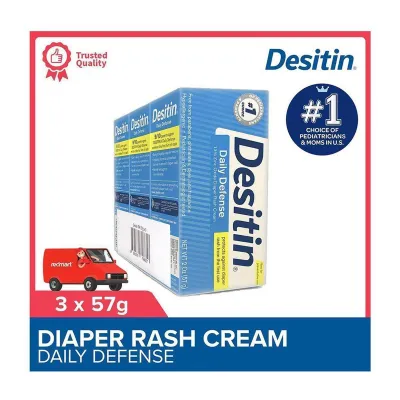
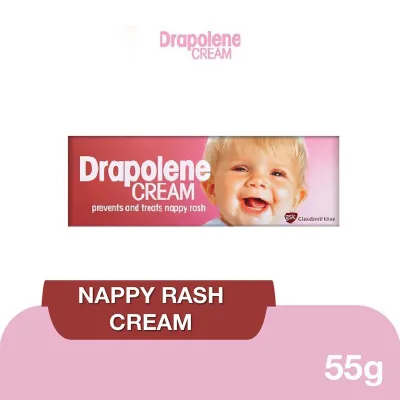
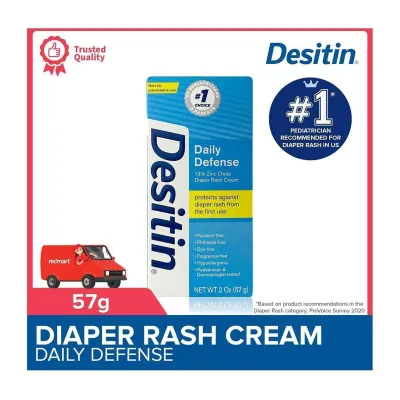
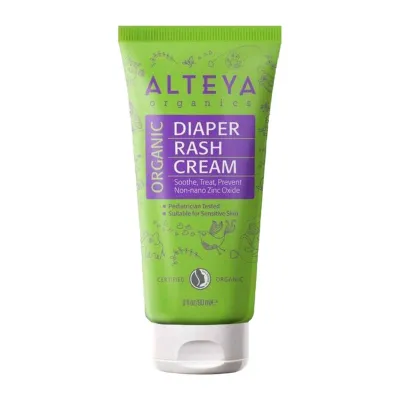
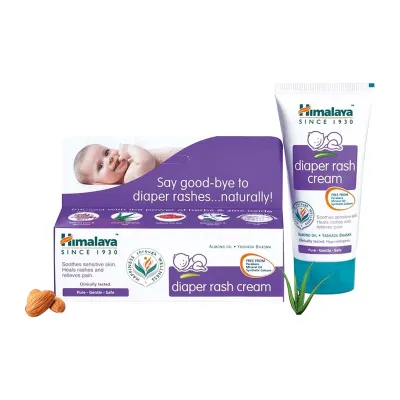
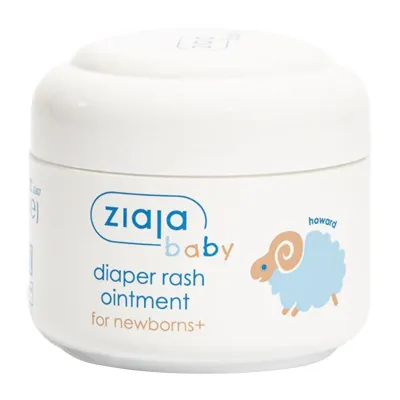
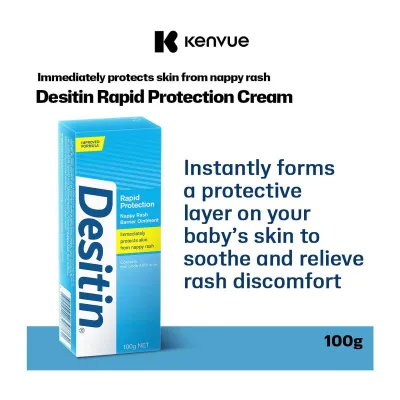
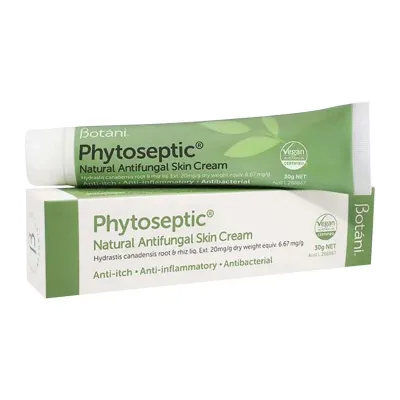
Prices are valid at publication and may change. Please refer to the product page for the latest price.
A moderate diaper rash is characterized by bright red, clearly defined, and inflamed patches of skin. The area may feel slightly warm to the touch, and your baby will often become fussy, cry, or flinch when you clean the area or when urine makes contact with the skin. This indicates that the outer skin barrier is actively compromised and inflamed, requiring a targeted treatment paste.
A severe diaper rash involves deep red or purple raw areas, peeling skin, bleeding, blisters, or weeping fluid. This is a critical state where the skin’s protective layer has completely broken down, leaving the underlying tissue exposed to painful friction and potential pathogens.
It is also essential to distinguish between standard irritant contact dermatitis and potential yeast or bacterial infections. Diaper rash is primarily a form of irritant contact dermatitis, which occurs when the skin’s natural acid mantle is disrupted. In Singapore’s high-humidity environment, babies sweat more frequently inside their diapers. When sweat mixes with urine and stool, it accelerates the breakdown of urea into ammonia. This process raises the skin’s pH level, making it highly susceptible to enzymatic damage from fecal proteases and lipases. This standard contact dermatitis typically spares the deep skin folds where moisture does not rub directly.
Conversely, yeast (Candida) infections thrive in warm, humid microclimates and present as a bright red rash that extends deep into the skin folds, often accompanied by distinct red dots or “satellite lesions” spreading outward beyond the main rash area. Friction also plays a significant role; chafing often occurs along the elasticized borders of the diaper, presenting as linear red marks around the thighs and waistline where the diaper rubs directly against dry skin.
Establishing a strict safety boundary is vital for your baby’s health. Severe rashes, open blisters, bleeding, or suspected fungal and bacterial infections cannot be resolved with standard over-the-counter barrier creams. Applying heavy pastes over an active infection can trap pathogens against the skin, worsening the condition and delaying proper healing.
Observe the physical location of the rash carefully. If the redness extends well beyond the diaper area—such as onto the lower abdomen, thighs, or back—or if it is concentrated deep within the groin creases with satellite spots, treat this as a primary indicator to seek a professional medical diagnosis and targeted prescription treatment from a pediatrician.
Key Ingredients to Match With Skin Sensitivity
Understanding how to read product labels allows you to select safe, effective active and inactive ingredients tailored to your baby’s specific skin reactivity. Different formulations serve distinct protective and healing roles.

Zinc oxide remains the cornerstone of diaper care due to its dual action. It is an insoluble mineral that sits on top of the skin, reflecting moisture and physically blocking external irritants like urine and fecal enzymes from making contact with the epidermis. Additionally, it possesses mild astringent properties that help soothe irritated tissue. Non-nano zinc oxide is preferred by many pediatricians as it sits safely on the skin surface without being absorbed.
The concentration of zinc oxide in a product dictates its clinical use. Low concentrations, typically between 10% and 15%, are ideal for daily prevention because they are lightweight, easy to apply, and simple to wipe away. High concentrations, ranging from 20% to 40%, are necessary for treating active moderate-to-severe redness because they form a thick, impermeable shield that resists breaking down under heavy wetness.
Petroleum jelly (petrolatum) and dimethicone serve as highly effective, breathable alternatives for babies with mild skin sensitivity. These ingredients act as occlusives, locking in the skin’s natural hydration while allowing gaseous moisture to escape. Dimethicone is a silicone-based polymer that creates a silky, water-repellent layer on the skin. Unlike heavy mineral oils, dimethicone feels lightweight and non-greasy, making it an excellent ingredient for daily prevention creams used during the hottest hours of the day when heavy pastes might feel uncomfortable or trap sweat.
To support skin recovery, look for soothing and healing additives. Ingredients such as calendula offer natural anti-inflammatory benefits, while aloe vera cools irritated skin, and panthenol (Vitamin B5) actively supports the repair of the skin barrier. These components help soothe the burning sensation associated with moderate rashes.
For babies with highly reactive or eczema-prone skin, certain ingredients must be strictly avoided. Artificial fragrances, parabens, phthalates, essential oils (such as tea tree or lavender), and harsh synthetic preservatives can easily trigger allergic contact dermatitis, worsening the existing rash. Lanolin, a natural wax secreted by sheep, is highly effective at locking in moisture, but because it is derived from wool, it can trigger allergic reactions in infants with sensitive skin or diagnosed wool allergies. If your family has a history of eczema, opting for lanolin-free formulations is a safer precautionary measure.
When shopping, parents should look for labels indicating “hypoallergenic,” “fragrance-free,” and “pediatrician-tested.” However, these terms are not strictly regulated, so you must always verify these claims by cross-referencing them against the actual ingredient list on the back of the packaging.
Choosing the Right Rash Cream by Skin Condition
Selecting the appropriate product requires matching the formulation to your baby’s current skin state. The following categories outline the best approaches based on specific diapering scenarios.
Best for Daily Prevention and Mild Pinkness
This scenario focuses on everyday maintenance, particularly during humid afternoons or when your baby is experiencing frequent diaper changes. The skin shows only very mild, temporary pinkness without any signs of distress.
For daily prevention, look for lightweight petroleum-based ointments or low-concentration zinc oxide creams containing 10% to 15% of the active mineral. Widely recognized examples in this category include Aquaphor Healing Ointment and Bepanthen Nappy Care Ointment, both of which are easily sourced at local pharmacies. Aquaphor relies heavily on petrolatum and panthenol to create a semi-occlusive barrier that supports natural healing, while Bepanthen utilizes a purified lanolin base combined with pro-vitamin B5 to gently support the skin’s natural recovery process.
The primary benefit of these products is their ease of use. They spread smoothly over delicate skin without requiring heavy pressure, and they wipe away effortlessly during routine diaper changes, minimizing physical friction on the skin.
However, these lightweight formulations have clear limitations. They do not provide enough physical barrier strength to treat active, bright red inflammation, nor can they withstand prolonged exposure to heavy wetness during overnight sleep cycles.
Before purchasing, always perform a quick label check. Ensure the specific variant is explicitly labeled “fragrance-free” and “dye-free” to avoid cumulative irritation from daily, repeated applications.
Best for Moderate Redness and Standard Sensitivity
This scenario applies when your baby has a noticeable, bright red rash, is experiencing diaper irritation due to acidic stools from teething, or needs reliable protection during long overnight stretches.
For active irritation, choose a thick paste featuring higher zinc oxide concentrations between 20% and 40%. Well-known market examples for this level of protection include Desitin Maximum Strength and Sudocrem Antiseptic Healing Cream. Desitin Maximum Strength contains 40% zinc oxide, forming a dense, white barrier that does not rub off easily. Sudocrem combines a zinc oxide base with hypoallergenic lanolin and mild local agents that help alleviate the painful burning sensation of inflamed skin.
These high-concentration pastes create a robust, long-lasting physical shield. By completely isolating the inflamed skin from moisture and digestive enzymes, they allow the underlying tissue to heal undisturbed.
The main limitation of these heavy pastes is their stubborn texture. They are difficult to wash off completely and can easily stain clothing or cloth diapers; removing them safely requires a gentle cleansing oil or a soft wipe to avoid scraping the sensitive skin.
As a pre-purchase check, verify that the product does not contain added fragrances. This is especially important if your baby has previously shown sensitivity to standard baby wipes or scented soaps, as Sudocrem, for example, contains a light lavender fragrance that may affect highly reactive skin.
Best for Severe Rash and Compromised Skin Barriers
This scenario is characterized by a persistent, raw diaper rash that has failed to improve after several days of standard treatment, or cases involving extreme chafing, peeling, and raw skin.
For highly compromised skin, maximum strength zinc oxide pastes containing 40% zinc oxide or specialized medical-grade barrier films are typically recommended by healthcare providers to insulate the area.
A crucial safety warning must be observed: do not apply thick, occlusive zinc oxide pastes over broken, weeping, or bleeding skin without a doctor’s explicit approval. Doing so can trap moisture, sweat, and bacteria against the open wound, significantly increasing the risk of a secondary infection.
If your baby’s skin barrier is visibly broken or compromised, your primary action should be to consult a pediatrician. They can evaluate the rash and prescribe targeted medical treatments, such as mild topical hydrocortisone or antifungal creams, rather than relying on commercial barrier products.
Best for Eczema-Prone or Highly Reactive Skin
This category is designed for babies diagnosed with atopic dermatitis (eczema), extreme skin reactivity, or known allergies to common botanical extracts and chemical preservatives.
For highly reactive skin, select products with minimalist ingredient lists that are completely free from botanical extracts, lanolin, and synthetic preservatives. Well-regarded examples include Mustela Vitamin Barrier Cream or specialized minimalist brands like Tubby Todd. Mustela Vitamin Barrier Cream is formulated with 98% ingredients of natural origin, featuring avocado perseose to protect the skin barrier and alcacea oxeoline to reduce inflammation, while avoiding common triggers like phenoxyethanol or benzyl alcohol.
The main benefit of these minimalist formulations is that they significantly lower the risk of allergic contact dermatitis. They provide the necessary moisture-blocking properties without introducing potential allergens to the skin.
These specialized creams are often more expensive, typically ranging from S$20 to S$40 per tube in Singapore specialty stores, and they may require purchasing from specific online retailers or specialized baby pharmacies.
Before full application, always perform a patch test. Apply a small amount of the cream to an unaffected area of your baby’s skin, such as the inner arm, for 24 hours to monitor for any adverse reactions, and cross-reference the ingredient list with known family allergens.
Application Tips and Safety Boundaries
Even the best cream will not perform effectively if applied incorrectly. Proper application techniques and clear safety boundaries ensure your baby’s skin heals quickly and safely.
When applying zinc oxide-based pastes to treat an active rash, follow the “thick like frosting” rule. Do not rub the cream completely into the skin; instead, leave a visible, thick white layer so that urine and feces make contact with the barrier paste rather than the baby’s skin.
Establish a careful cleaning routine before each application. Gently pat the skin dry with a clean, soft towel or allow the diaper area to air dry completely; never rub inflamed skin, as this friction damages the fragile epidermis and traps residual moisture beneath the cream.
In Singapore’s tropical climate, incorporating “diaper-free time” is one of the most effective non-product strategies you can use alongside rash creams. Allowing your baby to spend 10 to 15 minutes without a diaper on a clean, waterproof mat after cleaning allows the skin to dry completely naturally. This simple step prevents moisture from being trapped beneath the barrier cream, which is a common cause of treatment failure.
Address the common dilemma of whether to wipe off all remaining cream at every change. Scrubbing the skin completely clean causes micro-tears and worsens inflammation; instead, gently wipe away only the soiled top layer of cream with a water-based wipe or a soft cloth dampened with warm water and a drop of baby oil, leaving the clean base layer intact.
Monitor your baby’s condition closely and stop using over-the-counter creams immediately if you observe any of these explicit red flags:
- The diaper rash is accompanied by a fever or unusual lethargy.
- The rash spreads beyond the diaper area to the stomach, back, or face.
- There is no visible improvement after three to four days of consistent, proper application.
- Signs of a yeast infection appear, such as a bright red rash with distinct satellite lesions in the skin folds.
- The baby seems to be in extreme pain or cries inconsolably during diaper changes.
Frequently Asked Questions (FAQ)
Can I use diaper rash cream on my baby's face or body?
While plain petroleum jelly or low-zinc oxide creams can be safely used to protect other areas—such as treating drool rash on the chin—thick 40% zinc oxide pastes are generally too heavy and comedogenic for facial skin. Always check the product label for specific usage instructions and consult a pediatrician before applying diaper-specific creams to eczema patches outside the diaper area.
Does diaper rash cream expire, and is it safe to use past the date?
Yes, diaper rash creams do expire, typically lasting 12 to 24 months after opening. You can find this duration by looking for the Period After Opening (PAO) symbol, which looks like a tiny open jar with a number followed by ‘M’, on the packaging. Using expired cream carries risks: the active ingredients can separate and lose their barrier efficacy, and the preservative system can degrade, allowing harmful bacteria or mold to grow inside the container. Discard any cream that has changed color, separated significantly, or developed an off-odor.
Should I wipe off all the old rash cream at every diaper change?
No, scrubbing the skin completely clean during every diaper change is unnecessary and can cause micro-tears that worsen the rash. Instead, gently wipe away only the soiled top layer of the cream using a water-based wipe or a soft cloth dampened with warm water and a drop of baby oil. Leave the clean, adhered base layer of the cream intact, and simply apply a fresh layer over it to maintain continuous, uninterrupted protection.

Community discussion
Share your experience or ask a question. Comments are reviewed before publication.