
Choosing the right travel diaper bag in Singapore requires balancing capacity, comfort, and climate-appropriate materials. Because travel demands long hours of carrying baby essentials through airports, transit hubs, and outdoor spaces, a successful purchase relies on verifying physical specifications, material durability, and capacity limits rather than relying on generic brand marketing. Navigating public transport, crowded shopping malls, and sudden tropical downpours means your choice of bag will directly impact your daily comfort and mobility.
Instead of searching for a single universal winner, parents should evaluate how different carrying styles perform under specific travel conditions. By understanding how to verify manufacturer specifications, check material ratings, and match bag capacity to your child’s developmental stage, you can select a travel diaper bag that keeps your essentials organized and protected throughout your journey.
Essential Travel Features to Look for in a Diaper Bag
When evaluating diaper bags for travel, the internal insulation of dedicated pockets is a primary consideration for parents carrying milk, formula, or perishable snacks. To verify the effectiveness of insulated pockets, examine the lining materials and zipper seals. High-quality insulation typically utilizes thick polyethylene vinyl acetate (PEVA) or food-grade aluminum foil linings. Check the physical dimensions of these pockets to ensure they can accommodate your specific bottle sizes, including wide-neck bottles or taller thermal flasks, and look for secure zipper closures that prevent temperature loss.
Products mentioned in this guide
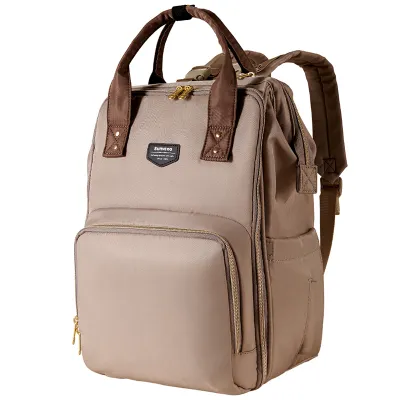
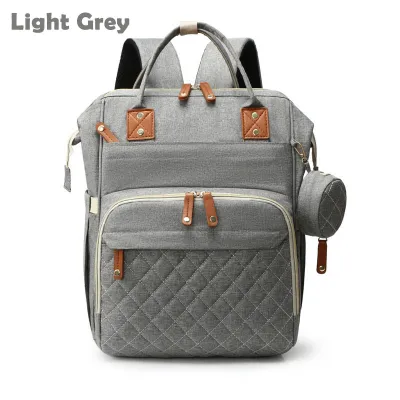
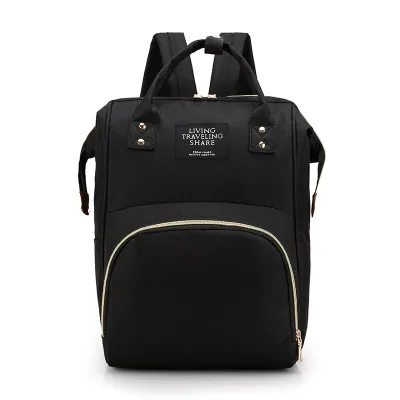
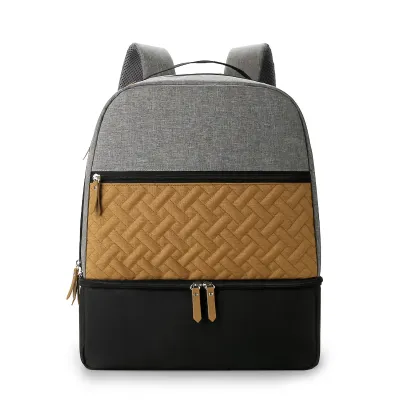
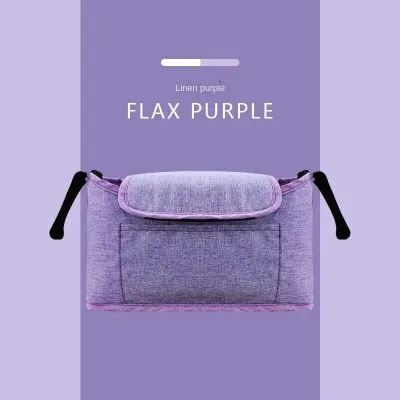
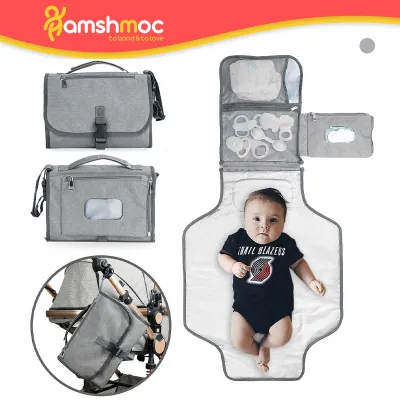
Prices are valid at publication and may change. Please refer to the product page for the latest price.
Stroller straps and attachment systems must be checked for safety and compatibility before use. Verify the manufacturer’s specified weight limits for these attachments, as overloading a diaper bag can cause a stroller to tip backward, posing a safety hazard to your child. Look for wide, slip-resistant straps with heavy-duty metal clips or reinforced hook-and-loop fasteners that match the shape of your stroller’s handlebar. Always consult both the diaper bag and stroller user manuals to confirm safe attachment points and weight capacities.
Singapore’s high humidity and sudden tropical rain showers require durable, weather-resistant exterior fabrics. When reviewing fabric care labels, look for high-density synthetic materials such as nylon, polyester, or ripstop fabrics treated with a water-resistant coating. These materials help protect clean clothes, diapers, and electronics from moisture. Additionally, inspect the seams and zipper tracks; water-resistant zippers with protective fabric flaps offer better defense against sudden downpours than standard open zippers.
Comfort and ergonomics are critical when carrying a loaded diaper bag through long airport transits or walking tours. Evaluate the shoulder straps for thick, high-density foam padding and breathable mesh backing, which helps minimize sweat buildup in warm climates. A well-designed travel bag should distribute weight evenly across your shoulders and back. If you plan to travel with rolling luggage, look for a integrated trolley sleeve on the back panel of the diaper bag, allowing you to secure it safely onto your suitcase handle.
How to Compare Diaper Bag Brands and Carrying Styles
Backpack diaper bags are highly favored for travel due to their hands-free convenience and balanced weight distribution. By placing the load symmetrically across both shoulders, backpacks reduce physical strain during long walks and keep your hands free to push a stroller, carry a child, or navigate ticketing gates. When comparing backpack brands, look for models with wide opening structures, such as doctor-bag style frames, which remain open on their own to allow quick access to items at the bottom of the main compartment.

Tote and shoulder diaper bags offer rapid access to your gear and are well-suited for shorter transit legs, taxi rides, or trips where the bag primarily rests on a stroller. These styles often feature wide top openings and simple layouts, making it easy to retrieve items with one hand. However, carrying a heavy tote on one shoulder for extended periods can cause muscle strain and uneven posture. If you prefer a tote style, ensure it includes a removable, padded crossbody strap to offer alternative carrying options when walking longer distances.
Convertible and modular diaper bags provide the flexibility to switch between backpack, tote, and messenger styles depending on your immediate needs. When evaluating these multi-functional designs, pay close attention to the durability of the conversion mechanisms. Inspect the D-rings, swivel snaps, and buckle attachments; metal hardware generally offers greater longevity and wear resistance than lightweight plastic clips. Verify how easily the straps can be adjusted or tucked away when changing modes, as complex configurations can be frustrating to manage while traveling.
To make an informed comparison between different brands, rely on verifiable specifications rather than promotional claims. Check the manufacturer’s official product sheets for the empty weight of the bag, fabric denier ratings (which indicate fiber thickness and durability), and maximum load capacities. A bag that is heavy even when empty will quickly become uncomfortable once packed with baby gear. Comparing these objective measurements allows you to identify which brand offers the structural integrity required for your travel habits.
Matching Bag Capacity and Organization to Your Travel Needs
Selecting the right diaper bag capacity depends on your typical trip duration and packing style. For general day trips, a bag capacity of 15 to 20 liters is usually sufficient to hold daily essentials without becoming overly bulky. For overnight travel, long-haul flights, or families traveling with multiple young children, a larger capacity of 25 to 30 liters may be necessary. Keep in mind that larger bags can easily be overpacked, so choose a size that matches your actual packing list to avoid carrying unnecessary weight.
Internal organization is key to maintaining order and hygiene while on the move. Look for a diaper bag with a logical compartment layout, including a dedicated wet/dry zone lined with waterproof material to isolate soiled clothing, wet swimsuits, or used wipes from clean items. Multiple interior slip pockets, zippered compartments, and key clips help prevent small items from sinking to the bottom. Secure, hidden pockets located on the back panel of the bag are excellent for safeguarding travel documents, passports, and personal valuables.
Your capacity and organization requirements will shift significantly as your child grows. During infancy, you will need to pack bulky items such as multiple changes of clothes, a large volume of diapers, formula dispensers, bottles, and portable changing mats. As your child transitions into toddlerhood, the packing list shifts toward snacks, water bottles, spare outfits for potty training, and small toys. Choosing a bag with flexible, adjustable interior dividers or modular packing cubes allows you to adapt the internal space to these changing developmental stages.
External expansion features add versatility to a travel diaper bag without permanently increasing its footprint. Look for elasticized exterior side pockets that can expand to hold large water bottles or umbrellas. Some travel diaper bags feature external attachment loops, daisy chains, or specialized straps designed to secure bulky items like a rolled-up travel changing mat, a baby blanket, or a neck pillow, keeping them easily accessible without taking up valuable internal storage space.
Where to Buy and What to Verify Before Purchasing
When purchasing a travel diaper bag in Singapore, sourcing from authorized retailers, official brand stores, or established mother-and-baby boutiques ensures you receive a genuine product. Authorized sellers are also more likely to provide reliable customer support and honor manufacturer warranties. If purchasing through online marketplaces or ecommerce platforms, verify the seller’s credentials, read customer feedback regarding product authenticity, and ensure the listing is for an official, authorized import.
Before finalizing your purchase, carefully review the manufacturer’s warranty and return policies. A reputable travel diaper bag brand should offer a clear warranty covering manufacturing defects, broken zippers, torn seams, and faulty hardware for a specified period. Confirm the return window and conditions for online purchases, ensuring you can return or exchange the bag if it does not meet your expectations upon physical inspection.
If you are able to visit a physical store, perform a thorough hands-on inspection of the diaper bag before buying. Test the smoothness of all zippers with one hand, as you will often need to open the bag while holding your baby. Examine the stitching along high-stress areas, such as where the shoulder straps and stroller attachments connect to the main body of the bag, looking for reinforced box-stitching or rivets. Load the bag with some weight if possible to evaluate how the straps feel on your shoulders and check the ease of adjusting the strap lengths.
Finally, review the manufacturer’s care and maintenance instructions on the fabric label. Travel diaper bags are exposed to airplane floors, public transit surfaces, and outdoor environments, making regular cleaning essential. Determine whether the bag is machine washable or spot-clean only, and verify if the interior lining can be easily wiped down with a damp cloth. Choosing a bag with straightforward maintenance requirements will help preserve its appearance and hygiene for many trips to come.
Frequently Asked Questions (FAQ)
Can I use a regular backpack instead of a branded diaper bag for travel?
Yes, you can use a regular backpack for travel, but purpose-built diaper bags offer distinct functional advantages. Standard backpacks typically lack specialized features such as insulated bottle pockets, dedicated wet/dry compartments, and integrated stroller attachment straps. Additionally, diaper bags are designed with wipe-clean interior linings and specific pocket layouts that make organizing and retrieving baby gear much faster during transit.
How do I clean and maintain a diaper bag after a long trip?
Always consult the manufacturer’s care label for specific cleaning instructions. For spot-cleaning, use a soft cloth dampened with mild soap and warm water to gently clean the exterior and interior linings. If the bag is machine washable, use a gentle cycle with cold water and a mild detergent. Always air dry the bag completely in a well-ventilated area away from direct sunlight to prevent mold growth and fabric degradation.
Are there specific airline cabin size restrictions for diaper bags?
There is no universal cabin size standard for diaper bags, as policies vary by airline. Most airlines treat a diaper bag as a personal item or carry-on bag, which must fit within their specific dimensional limits (often around 40 x 30 x 15 cm to fit under the seat in front of you). Always check your specific airline’s baggage allowance and personal item dimensions before your flight to ensure compliance.

Community discussion
Share your experience or ask a question. Comments are reviewed before publication.