
Quick Answer: Which Diaper Bag Backpack Offers the Best Balance?
Choosing the ideal diaper bag backpack in Singapore requires a clear understanding of your daily routine and environmental needs. There is no single brand or model that serves as a perfect solution for every family. Instead, the decision hinges on a fundamental trade-off between specialized protective features and raw storage capacity. If you prioritize protecting fragile items, maintaining strict temperature control for expressed breast milk, and shielding gear from sudden tropical downpours, a structured premium bag is your best option. Conversely, if you require maximum packing volume for long day trips and need to carry bulky, irregular items, a flexible, high-capacity backpack is more suitable.
Highly structured backpacks offer excellent protection for delicate items like glass bottles and breast pumps, but their rigid frames often reduce overall packing flexibility and add noticeable empty weight. On the other hand, flexible, high-capacity bags allow you to maximize every cubic centimeter of space, but they typically lack built-in impact protection and advanced thermal insulation, requiring you to use separate organizers. To make the right choice, you must evaluate how you navigate Singapore’s climate—such as transitioning from air-conditioned shopping malls to humid outdoor parks—and match those demands with a specific bag design.
What Makes a Great Baby Protector Backpack? Evaluating Protection and Storage
When searching for a high-quality baby protector backpack, understanding the technical features that contribute to both protection and storage will help you make an informed investment. Protection in a diaper bag is multi-dimensional, encompassing weather resistance, thermal regulation, and hygiene maintenance. Storage, meanwhile, is not merely about the total volume in liters, but how effectively that volume is organized for quick access under pressure.
Products mentioned in this guide
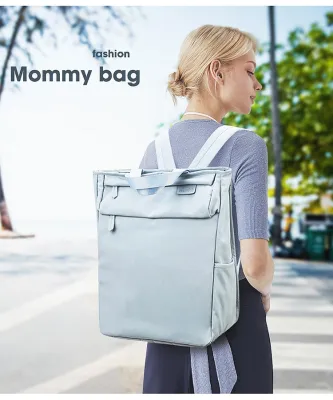
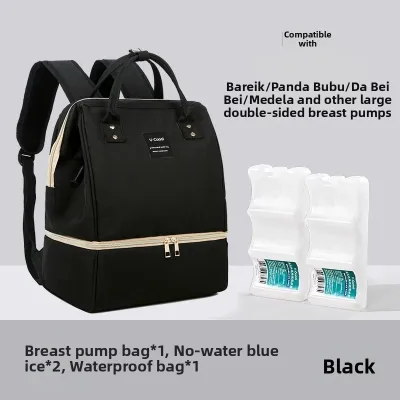
Prices are valid at publication and may change. Please refer to the product page for the latest price.

Key Protective Features to Look For
- Exterior Weather Resistance: Singapore's tropical climate is characterized by sudden, heavy rain showers. A protective backpack should feature water-resistant or waterproof exterior materials, such as high-density nylon or polyester treated with a Durable Water Repellent (DWR) coating. These materials prevent water from seeping through to dry clothes and sensitive electronics.
- Interior Thermal Insulation: For parents carrying expressed breast milk or warm water for formula, high-quality insulated pockets are essential. These compartments typically utilize multiple layers of thermal foil and foam to slow down heat transfer. Always verify the manufacturer's specified insulation duration, as performance varies widely based on external temperatures.
- Hygiene and Antimicrobial Linings: High humidity levels can accelerate the growth of mold, mildew, and bacteria. Look for bags featuring antimicrobial interior linings and dedicated, easy-to-clean wet pockets made from TPU or PVC-free materials. These compartments keep soiled clothing or damp reusable wipes isolated from clean items.
- Impact and Structural Protection: Padded compartments shield delicate equipment like breast pumps, tablets, or glass bottles from accidental drops and bumps. A reinforced base helps the bag stand upright on flat surfaces, preventing spills and keeping the bottom of the bag clean when placed on public surfaces.
Understanding Storage Capacity and Layout
- Total Volume vs. Usable Space: Diaper bags generally range from 15 to 30 liters in capacity. However, a large bag with a single, deep compartment can quickly become an unorganized mess. Usable space is determined by the layout, including the presence of wide-opening apertures (such as doctor-bag style frames or full clamshell zippers) that allow you to view the entire contents at a glance.
- Dedicated Zoning: Efficient bags separate items into logical zones. Look for quick-access exterior pockets for items like wet wipes, keys, and pacifiers, alongside secure interior pockets for diapers, changing mats, and clean clothes. This layout ensures you do not have to unpack the entire bag to find a single item during an emergency diaper change.
Comparing Diaper Bag Backpack Styles Available in Singapore
To help you navigate the diverse market in Singapore, diaper bag backpacks can be categorized into two primary design philosophies: premium structured options and high-capacity flexible options. Each style serves distinct parenting scenarios and carries specific trade-offs.
Premium and Highly Structured Options
Premium structured diaper bags are engineered for maximum organization and specialized protection. These backpacks often feature rigid internal frames, molded compartments, and heavy-duty materials that maintain their shape regardless of how full or empty the bag is. This structural integrity is particularly beneficial for parents who need to carry delicate gear, such as breast pumps or glass baby bottles, as the rigid walls prevent items from being crushed.
The primary advantage of these structured options is their superior protective capabilities. They frequently include advanced thermal insulation in dedicated bottle pockets, heavy-duty weather-sealed zippers, and padded tech sleeves. The self-standing design is another practical benefit, allowing you to easily access items with one hand while holding your baby.
However, these protective features come with clear trade-offs. The rigid structure limits your ability to overstuff the bag or pack bulky, irregular items like thick blankets, large plush toys, or multiple changes of winter-weight clothing for travel. Additionally, the heavy-duty materials and internal frames make these bags heavier when empty, which can increase fatigue during long walks through Singapore’s outdoor spaces. Before purchasing, always check the exact internal dimensions of the structured compartments to ensure your specific breast pump model or bottle brand fits securely.
High-Capacity and Flexible Everyday Options
High-capacity, flexible diaper bags prioritize volume, adaptability, and lightweight comfort. Typically constructed from soft, high-density canvas, lightweight polyester, or quilted fabrics, these backpacks can expand and contract based on your daily packing needs. They are designed to accommodate the bulky, soft items required for extended outings, such as family trips to the Singapore Zoo or Sentosa.
The main strength of a flexible backpack is its sheer volume efficiency. Without rigid internal dividers, you can utilize every corner of the main compartment to pack multiple changes of clothes, large hooded towels, diapers, and various toys. These bags are also easier to compress, making them highly convenient for squeezing into tight stroller storage baskets or airplane overhead compartments.
The trade-off for this flexibility is a relative lack of built-in protection. Soft-sided bags do not shield fragile items from impact, meaning a glass bottle or a compact camera could easily damage if the bag is dropped or compressed. Thermal insulation in these bags is often limited to basic foil linings, which may not maintain temperatures for extended periods in warm weather. To maintain order and protect sensitive items, parents using flexible bags must be proactive, often relying on separate packing cubes, hard-shell cases, or modular organizers.
Quick Comparison: Protection vs. Storage Trade-offs
The following table summarizes the key differences between the major diaper bag backpack styles available to parents in Singapore, highlighting how protective features trade off against storage flexibility.
| Bag Style / Type | Protective Features | Storage & Organization | Best Use Case |
|---|---|---|---|
| Structured Premium | High (rigid walls, thick thermal insulation, water-resistant zippers) | Moderate (fixed compartments, structured pockets, limited stretch) | Short trips, pumping routines, transporting fragile gear |
| Flexible High-Capacity | Moderate to Low (soft walls, basic insulation, standard zippers) | High (large open compartments, expandable fabrics, easy to stuff) | Long day outings, travel, carrying bulky soft items |
| Convertible Tote-Backpack | Moderate (reinforced base, standard padding, water-resistant exterior) | Moderate (flexible layout, but often narrower top opening) | Stroller-heavy routines, quick transitions between carrying styles |
Note: Always check the specific product label and manufacturer specifications for verified insulation durations, water-resistance ratings, and weight capacities before making a purchase.
How to Choose the Right Diaper Bag for Your Routine
Selecting the right diaper bag backpack depends heavily on your daily lifestyle, transportation methods, and the age of your baby. By matching your specific routine to the strengths of each bag style, you can avoid common purchasing mistakes.
When to Choose a Structured Premium Bag
A structured, premium protective bag is highly recommended if your daily routine involves transporting expressed breast milk that requires strict temperature maintenance. If you regularly carry an expensive breast pump to and from the workplace or on outings, the physical protection offered by rigid, padded compartments is invaluable. This style is also ideal for parents who walk frequently and need reliable weather-sealing to protect electronics and baby gear from heavy tropical downpours.
When to Choose a High-Capacity Flexible Bag
A high-capacity, flexible bag is the better choice if you frequently plan long day trips, travel internationally, or have multiple children requiring a large volume of supplies. If your typical packing list includes bulky items like changing mats, multiple changes of clothes, blankets, and large toy sets, the adaptable space of a soft-sided bag will serve you well. This option is also preferred if you want to minimize the weight of the bag itself to reduce shoulder strain.
Scenarios Where Neither Style May Fit
If you suffer from chronic back pain or require highly specialized ergonomic support, standard diaper bag backpacks may not provide adequate suspension. In such cases, a dedicated ergonomic hiking backpack paired with modular packing cubes may be necessary. Alternatively, if you primarily use a stroller for all outings and rarely carry a bag on your back, a lightweight stroller caddy or organizer may be more convenient and practical than a full-size backpack.
Critical Safety and Compatibility Checks
Before finalizing your purchase, verify how the backpack interacts with your existing baby gear. If you plan to hang the bag on your stroller, check the stroller manufacturer’s instructions regarding handlebar weight limits. Hanging a heavy diaper bag on the handlebar of a lightweight stroller can alter the center of gravity, causing the stroller to tip backward and risking serious injury to your child. Always ensure you use dedicated, secure stroller straps and review the diaper bag manufacturer’s weight distribution guidelines.
Care Tips to Maintain Protective Features in Humid Climates
Singapore’s high humidity and warm temperatures create an environment where mold, mildew, and bacteria can thrive. Proper maintenance of your diaper bag backpack is essential to preserve its protective features, such as water resistance and thermal insulation, over years of use.
Cleaning and Drying Insulated Pockets
Spills from milk, formula, or juices inside insulated pockets must be cleaned immediately to prevent bacterial growth and unpleasant odors. Wipe the interior surfaces with a damp cloth and a mild, non-abrasive soap. Avoid using harsh chemical cleaners, bleach, or boiling water, as these can degrade the reflective thermal lining. After cleaning, leave the insulated compartments fully unzipped in a well-ventilated, dry area until they are completely air-dried before storing the bag.
Preserving Water-Resistant Coatings
The exterior water-resistant coatings on many diaper bags can be easily damaged by improper washing. Do not machine wash or tumble dry your backpack unless the manufacturer’s care label explicitly states it is safe to do so. Machine washing can strip away the Durable Water Repellent (DWR) finish and damage internal structural supports. Instead, spot clean the exterior with a soft brush or cloth, lukewarm water, and a gentle detergent. If the water resistance degrades over time, consult the manufacturer’s instructions on applying a compatible fabric-safe waterproofing spray.
Maintaining Zippers and Metal Hardware
Zippers are critical to both the weather protection and security of your bag. Keep the zipper tracks free of sand, dirt, and fabric snags by gently cleaning them with an old toothbrush. If you are caught in a heavy rainstorm, wipe down all metal hardware, buckles, and zipper pulls with a dry cloth as soon as possible to prevent corrosion and rust. Always consult the specific care label attached to your bag before applying any cleaning products or attempting a deep clean.

Community discussion
Share your experience or ask a question. Comments are reviewed before publication.