
Baby-proofing is a milestone that every parent in Singapore encounters as their little one transitions from a stationary infant to an active crawler. Among the various hazards in a household, low-lying cabinets and drawers present a magnetic pull for curious toddlers. These storage spaces often house sharp cutlery, heavy cookware, fragile glassware, or hazardous cleaning chemicals. To secure these areas effectively, finding the right cabinet lock set is essential. The ideal choice depends heavily on your home’s specific cabinetry design, your family’s daily habits, and whether you are renting or own your property.
For most Singaporean households, especially those living in modern HDB flats or condominiums with sleek, handle-less built-in carpentry, magnetic cabinet lock sets offer the most reliable and aesthetically pleasing solution. These locks remain completely hidden inside the cabinet, preserving the clean lines of your interior decor while keeping dangerous items safely out of reach. However, other options like adjustable adhesive straps are indispensable for securing heavy appliances like refrigerators and microwaves, while sliding locks offer a highly portable, drill-free alternative for traditional cabinets with double handles. Understanding the mechanics, benefits, and limitations of each lock type will help you create a secure environment without compromising the functionality of your home.
How to Choose the Right Cabinet Lock Set for Your Cabinetry
Selecting the perfect child safety lock is not a one-size-fits-all decision. The structural design of your furniture is the primary factor that dictates which locking mechanism will work. Standard hinged doors behave differently than deep drawer runners, and handle-less cabinets with recessed grips require entirely different solutions than traditional cabinets with protruding knobs. Before purchasing any cabinet lock set, map out every storage unit in your kitchen, living room, and bathrooms to identify the specific configuration of each door and drawer.
Products mentioned in this guide
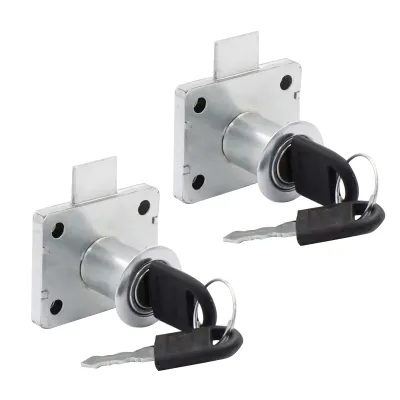
![[HOT UGMR] 5PCS Aluminum Alloy Drawer Lock 12mm Cabinet Mailbox Filing Furniture Lock With Key For Furniture Hardware](https://img.lazcdn.com/g/p/fc63bad3160fc953db2a0473ad643324.jpg_400x400q80.jpg_.webp)
![[HOT MKEJ] 1 set of safety belt lock drawer lock with key hardware suitable for door locks cabinets furniture etc](https://img.lazcdn.com/g/p/cfc329a5e2398c5e7cb769b5c5a372a9.jpg_400x400q80.jpg_.webp)
Prices are valid at publication and may change. Please refer to the product page for the latest price.
The locking mechanism itself is the first major decision point. Magnetic locks utilize a concealed latch that only releases when an external magnetic key is held against the outside of the door. Adhesive strap locks use a flexible band to bridge the gap between two surfaces, making them highly adaptable for corners and uneven surfaces. Internal push-button latches allow the cabinet door to open slightly before catching on a plastic hook, requiring an adult to reach in and depress the hook to open the door fully. Finally, sliding locks fit over adjacent handles, physically binding them together.
Installation method is another critical consideration, representing a direct trade-off between convenience and long-term durability. Drill-free, adhesive-mounted locks are incredibly popular because they require no specialized tools and can be installed in minutes. They are highly favored by renters in Singapore who must return their property in pristine condition to secure their deposits. However, screw-mounted locks offer a level of mechanical security that adhesives simply cannot match. If you have heavy drawers containing cast-iron pots or heavy pantry items, a determined toddler pulling with their full body weight can eventually shear off an adhesive mount, making screws the safer choice for high-load areas.
The local environment in Singapore introduces unique challenges that directly impact how these locks perform. Singapore’s tropical climate features high relative humidity, often hovering above 80 percent, alongside warm ambient temperatures. This constant moisture can severely compromise the curing process of double-sided adhesive tapes, leading to premature failure if the surface is not prepared correctly. Furthermore, modern Singaporean homes heavily feature built-in cabinetry made from medium-density fibreboard (MDF) or plywood finished with high-pressure laminates (HPL) or melamine. These materials have specific surface textures and chemical compositions that affect how well adhesives bond, meaning parents must be selective about the quality of the tape used.
Best Types of Cabinet Lock Sets for Different Cabinet Designs
To build an effective baby-proofing strategy, it is helpful to look at the distinct categories of cabinet lock sets available on the market. Rather than relying on a single brand or style for the entire house, most parents find that a combination of different locking mechanisms yields the best balance of safety, convenience, and aesthetic preservation.

Magnetic Cabinet Locks
Magnetic cabinet locks represent the gold standard for modern, minimalist home designs. The system consists of two main parts: an internal spring-loaded latch installed inside the cabinet frame and a corresponding catch plate mounted on the inside of the door or drawer. When the door is closed, the latch automatically clicks into the catch plate, locking the door securely. To open it, you must place a powerful magnetic key on the exact spot on the exterior of the door, which pulls the internal spring mechanism down and releases the latch.
The primary benefit of magnetic locks is their complete invisibility. Because the entire apparatus is mounted internally, there are no unsightly plastic straps, hooks, or bars cluttering your kitchen cabinets or living room TV consoles. This makes them exceptionally popular for handle-less cabinets with push-to-open mechanisms or recessed finger grips, which are common in contemporary Singaporean BTO flats. Additionally, many high-quality magnetic lock sets feature a manual disengagement switch. This allows you to temporarily deactivate the lock when your child is asleep or away, giving you unrestricted, single-handed access to your cabinets during meal preparation.
Despite their advantages, magnetic locks require careful consideration before installation. The most obvious vulnerability is the magnetic key itself. If you misplace the key, you will be locked out of your own cabinets until you find it or purchase a replacement. To mitigate this, most manufacturers include adhesive magnetic key docks that allow you to store the key high up on a refrigerator, microwave, or wall out of your child’s reach. Furthermore, installation can be highly demanding. Because the latch and catch must align perfectly to function, even a minor misalignment of two to three millimeters can prevent the lock from catching or releasing. Many premium sets include plastic installation templates to help guide placement, but patience and precision are still required.
Adhesive Strap and Latch Locks
Adhesive strap locks are the workhorses of baby-proofing, offering unmatched versatility across a wide range of household items. These locks consist of two adhesive anchor pads connected by a flexible plastic, silicone, or nylon strap. One anchor is mounted on the stationary frame of an appliance or cabinet, while the other is fixed to the moving door. To open the lock, an adult must perform a dual-action release mechanism on one of the anchor pads, such as pressing two buttons simultaneously while pulling the strap outward.
The greatest strength of strap locks is their ability to secure non-standard furniture and appliances. Because the strap is flexible, it can easily bend around 90-degree corners, making it perfect for securing the corners of drawers, microwave doors, refrigerators, washing machines, and trash cans. They can also bridge varying depths, which is useful for older furniture or decorative cabinets with uneven molding. Installation is incredibly straightforward, requiring only a clean surface and a few seconds of firm pressure to set the adhesive pads in place.
However, strap locks come with notable aesthetic and functional trade-offs. Visually, they are highly prominent, placing bright plastic shapes directly onto the face of your furniture. Over months of daily use, the flexible straps can stretch, degrade, or accumulate grime, particularly in humid kitchen environments. Another variant in this category is the internal push-button latch, which is mounted inside the drawer. While less visible than external straps, these latches allow the drawer to open slightly (about two to three inches) before catching. This gap can be hazardous, as it may allow a small child to reach their fingers inside and potentially pinch them if the drawer slams shut, or access small items near the front of the drawer. Additionally, internal latches require sufficient clearance inside the cabinet structure to operate, which may not be available in tightly packed drawers.
Sliding and Pull-Cord Locks
Sliding and pull-cord locks are external, mechanical safety devices designed specifically for cabinets with double doors that feature matching handles or knobs. A sliding lock typically consists of a U-shaped plastic bar that slides through the cabinet handles and is secured in place by a ratcheting locking slider. To open the cabinet, you press a release button on the slider and pull the bar out. Pull-cord locks operate on a similar principle but use a heavy-duty cord with a spring-loaded tension button that wraps tightly around adjacent cabinet knobs.
The primary advantage of these locks is that they require absolutely no adhesive, screws, or permanent modifications to your furniture. This makes them an exceptional option for temporary setups, visits to grandparents’ homes, or for renters who want to avoid any risk of surface damage. They can be installed and removed in seconds without leaving any residue, and they are highly durable since they rely on mechanical physical barriers rather than adhesive bonds.
The limitation of sliding and pull-cord locks is their strict dependency on your cabinet’s hardware configuration. They can only be used on double doors where the two handles or knobs are positioned directly next to each other. If your kitchen features single-door cabinets, drawers, handle-less cabinets, or handles that are spaced more than a few inches apart, these locks are completely useless. Furthermore, because they are completely external and must be fully removed to open the cabinet, they can add a significant step to your daily routine. Having to unlock, remove, set down, and reinstall a sliding lock every time you need a simple spice or plate from the cupboard can quickly become frustrating for busy parents.
Installation Tips for Singapore's Humid Climate and Cabinet Materials
Before applying any adhesive or installing hardware, check the cabinet lock manufacturer’s instructions and your cabinet manufacturer’s care guidelines. If instructions conflict, the cabinet material is unidentified, or the lock’s use is not covered, stop and consult the manufacturer or a qualified professional.
Proper installation is the single most important factor in determining whether your cabinet lock set will withstand the daily pulls of an energetic toddler. In Singapore’s tropical climate, high humidity and temperature fluctuations can weaken adhesive bonds before they even have a chance to fully set. To ensure your locks remain securely attached without damaging your expensive built-in carpentry, follow a disciplined installation process.
The first step is meticulous surface preparation. Kitchen and bathroom cabinets naturally accumulate a microscopic layer of grease, cooking oils, dust, and moisture. Simply wiping the surface with a dry cloth or a damp sponge is insufficient, as it leaves behind residues that prevent the adhesive from making direct contact with the cabinet material. Instead, clean the target area thoroughly using a microfiber cloth saturated with isopropyl alcohol (rubbing alcohol). Isopropyl alcohol effectively cuts through grease and evaporates rapidly, leaving a clean, dry, residue-free surface. Avoid using household glass cleaners or multi-purpose sprays, as they often contain silicone or oils that leave a slick film behind, severely reducing adhesive performance.
Once the surface is clean and completely dry, apply the adhesive lock. The key to a long-lasting bond is allowing the adhesive to cure properly. Most high-quality baby safety locks utilize acrylic foam tape, which relies on pressure and time to create a molecular bond with the cabinet surface. After placing the lock, press down firmly on the adhesive pad with your thumb for at least 30 seconds to activate the pressure-sensitive adhesive. Crucially, do not test or apply any tension to the lock immediately. The adhesive requires a minimum of 24 hours—and ideally up to 72 hours in humid conditions—to reach its full bonding strength. During this curing period, keep the cabinet doors slightly open or tape them shut with painter’s tape so that family members do not accidentally pull on the newly installed lock.
Material compatibility is another vital consideration. Singaporean homes utilize a wide variety of cabinet finishes, including matte laminates, high-gloss acrylics, painted wood, and melamine. Smooth, non-porous surfaces like high-gloss laminates provide an excellent grip for adhesives, while highly textured wood grains or matte finishes may offer less surface area for contact. Before installing locks across your entire kitchen, perform a small, inconspicuous test on the inside of a cabinet door to ensure the adhesive bonds well and does not lift or peel the surface finish when removed. If your cabinets feature delicate painted finishes or thin paper veneers, strong adhesives can easily tear the surface material upon removal, meaning you must weigh the risk of cosmetic damage against the necessity of the lock.
Finally, understand the safety boundaries of adhesive-mounted locks. While modern adhesives are incredibly strong, they have physical limits. For heavy drawers that store heavy items like cast-iron cookware, large ceramic plates, or heavy pantry staples, the force of a child pulling hard can easily exceed the shear strength of the tape. In these high-tension areas, or if your cabinet surfaces are prone to delamination, you should transition to screw-mounted locks. Securing the lock with small wood screws directly into the interior frame of the cabinet provides a permanent, mechanical connection that cannot be pulled free by a child. While this leaves small screw holes inside the cabinet, these are hidden from view and do not affect the external appearance of your kitchen.
When to Reassess and Safely Remove Cabinet Locks
Child-proofing is a dynamic process that must evolve alongside your child’s physical and cognitive development. A cabinet lock set that was highly effective when your child was a ten-month-old crawler may become obsolete or even hazardous as they grow into a curious three-year-old. Parents should regularly reassess their home safety measures to ensure they remain appropriate for their child’s current abilities.
Several developmental signals indicate that it is time to reevaluate your cabinet locks. The most obvious sign is when your toddler develops the fine motor skills and cognitive ability to observe and replicate your movements. Toddlers are incredibly observant; after watching you use a magnetic key or press a dual-action strap button dozens of times, they may learn to mimic the action and successfully bypass the lock. Another critical signal is physical growth and strength. If a child becomes strong enough to break the adhesive bond of a strap lock by pulling forcefully, or if they begin using external locks (like sliding locks or strap locks) as foot-holds to climb onto kitchen countertops, the lock itself becomes a climbing hazard. When these milestones are reached, the safest strategy is to relocate all high-risk items—such as knives, medicines, and cleaning chemicals—to high wall-mounted cabinets that are completely out of reach, even if your child climbs onto a chair.
When your child has outgrown the need for safety locks, removing them safely is essential to preserve the finish of your built-in carpentry. Prying plastic locks off with screwdrivers, butter knives, or putty knives is highly discouraged, as these hard tools can easily gouge wood, chip melamine, or scratch laminate surfaces. Instead, use a gentle, non-invasive heat method to release the adhesive bond.
To safely remove adhesive-mounted cabinet locks:
- Apply gentle heat: Use a household hairdryer set to a low or medium heat setting. Hold the hairdryer a few inches away from the plastic anchor pad and warm it for one to two minutes. This localized heat softens the acrylic foam tape, making it pliable and reducing its grip on the cabinet surface.
- Slice through the tape: Take a long piece of dental floss, strong nylon thread, or fishing line. Position it behind the warmed plastic anchor pad, close to the cabinet surface. Using a gentle back-and-forth sawing motion, pull the floss downward through the softened foam tape. This will cleanly slice the lock away from the cabinet without putting any pulling tension on the delicate laminate finish.
- Clean the residue: Once the plastic lock is removed, a layer of sticky foam residue will likely remain on the cabinet. To clean this up, avoid using harsh chemical solvents like acetone, paint thinner, or nail polish remover, as these chemicals can permanently dissolve, dull, or discolor laminate and melamine finishes. Instead, apply a mild, surface-safe adhesive remover, a specialized citrus-based cleaner, or even a small amount of common household cooking oil (like olive or canola oil). Let the oil sit on the residue for five to ten minutes to break down the adhesive, then gently rub it away with a clean microfiber cloth. Wash the area with a drop of mild dish soap and water to remove any remaining oil, and dry it thoroughly.
Frequently Asked Questions (FAQ)
Do magnetic cabinet locks work through thick countertops?
Magnetic keys operate within a specific maximum thickness range, which typically varies between 25mm and 38mm depending on the strength of the magnet supplied in your cabinet lock set. Before purchasing, measure the thickness of your cabinet doors and drawer fronts. Thick solid wood doors, heavy stone countertops with deep aprons, or metal-reinforced cabinetry can block or weaken the magnetic field, preventing the lock from releasing. If your doors exceed the manufacturer’s specified thickness, look for heavy-duty magnetic sets or opt for physical strap or latch locks instead.
How do I remove adhesive cabinet locks without damaging HDB cabinets?
To protect the laminate or melamine finishes common in HDB and BTO flats, use the heat-and-floss method. Warm the adhesive anchor with a hairdryer on low heat, then slide dental floss behind the pad to cut through the foam. To clean up the sticky residue, avoid harsh solvents like acetone, which can dissolve the protective top layer of your laminate. Instead, use a mild citrus-based adhesive remover or a small amount of household cooking oil. Apply the oil, let it sit for a few minutes to soften the residue, and gently wipe it away with a clean microfiber cloth.

Community discussion
Share your experience or ask a question. Comments are reviewed before publication.