
Quick Answer: Which Brush Material Suits Your Baby Bottles?
Selecting the right bottle brush sponge material depends entirely on the composition of your baby bottle collection. Sponges excel at creating a rich lather and cleaning delicate surfaces without scratching, making them ideal for plastic and silicone bottles. However, they require frequent replacement due to moisture retention. Silicone brushes offer superior durability and dry rapidly, which is highly beneficial in warm, humid climates like Singapore, but they may require more effort to clear thick, dried-on milk residue. Bristle brushes provide robust scrubbing power for durable glass bottles but can easily damage softer materials.
Before purchasing any cleaning tool, the critical first step is to verify the manufacturer care instructions for both your baby bottles and the brushes. Because many households use a mixed collection of bottles—such as glass for home feeding and lightweight plastic or silicone for travel and daycare—you may find that keeping more than one brush type on hand is the most practical way to maintain hygiene without damaging your investment.
Understanding Sponge, Silicone, and Bristle Brush Heads
Sponge brush heads are highly favored for their exceptional absorbency and superior lathering capability. The porous structure of a sponge holds water and liquid soap efficiently, generating a dense foam that easily lifts milk fats and proteins from the inner surfaces of a bottle. Because sponges are incredibly soft, they glide over surfaces with minimal friction, making them highly gentle. However, this high porosity means they retain moisture for extended periods, requiring careful storage in well-ventilated areas to prevent microbial growth.
Products mentioned in this guide
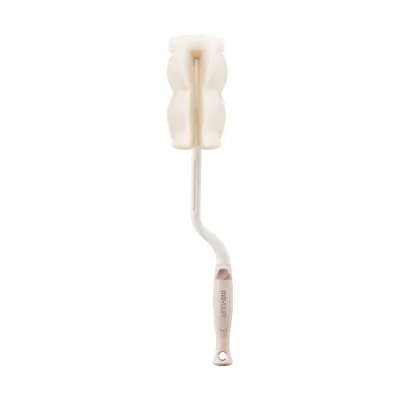
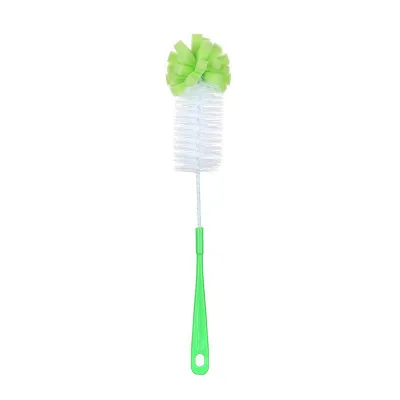
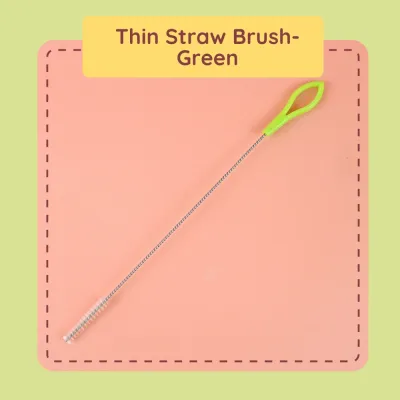
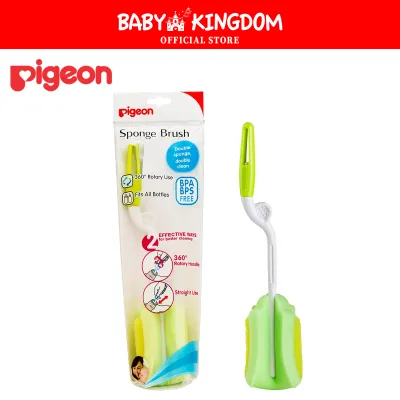
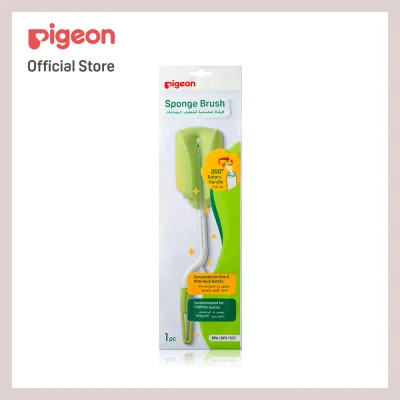
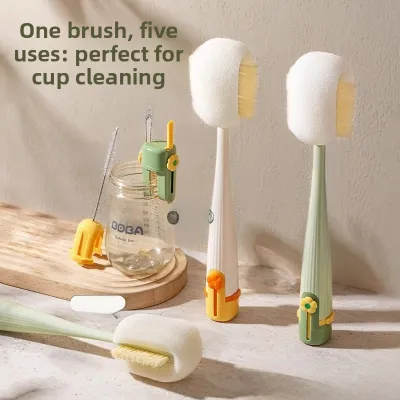
Prices are valid at publication and may change. Please refer to the product page for the latest price.

Silicone brush heads are constructed from flexible, non-porous synthetic polymers. Unlike sponges, silicone does not absorb water, allowing the brush to dry almost instantly after a quick shake. This rapid drying capability makes silicone highly resistant to mold, mildew, and bacterial buildup. The bristles on a silicone brush are typically thicker and blunter than traditional nylon fibers, providing a smooth glide that will not scratch surfaces. The trade-off is that they do not foam as easily, often requiring specialized bottle cleansers or direct application to lift stubborn film.
Nylon or traditional bristle brush heads feature thin, stiff synthetic fibers anchored to a central wire or plastic core. These brushes provide high scrubbing friction, making them highly effective at scraping away dried-on formula or breast milk residue from tight corners. The individual bristles can bend and spring back, allowing them to reach deep into structural crevices. However, the stiffness of these bristles varies widely, and the sharp tips can cause micro-abrasions on softer materials if used with excessive force.
Pairing Brush Materials with Glass, Plastic, and Silicone Bottles
To maintain the structural integrity of your baby bottles, you must cross-reference the stiffness of your brush head with the surface tolerance of the bottle material. Performing regular visual and tactile checks on your bottles before cleaning will help you identify early signs of wear and choose the safest cleaning tool.
For Glass Baby Bottles
Glass baby bottles are highly durable, non-porous, and exceptionally resistant to physical abrasion. This high surface tolerance means glass can easily withstand the firm scrubbing action and high friction of stiff bristle brushes as well as soft sponges. Glass does not scratch easily, allowing you to use more vigorous cleaning motions to remove stubborn, dried-on milk film from the bottom and shoulders of the bottle.
Despite their durability, glass bottles are vulnerable to impact damage. When selecting a bristle brush for glass, you must carefully inspect the brush tip to ensure there is no exposed metal or hard plastic core. If the protective tip of a bristle brush wears down, the exposed metal can strike the bottom of the glass bottle during cleaning, creating micro-fractures that weaken the glass over time.
Always inspect the glass interior and rim for micro-chips, hairline cracks, or structural flaws before and after each cleaning session. If you detect any physical damage, stop using the bottle immediately and discard it, as micro-cracks can lead to sudden breakage during sterilization or feeding.
For Plastic Baby Bottles
Plastic baby bottles, typically made from polypropylene (PP), polyphenylene sulfone (PPSU), or polyethersulfone (PES), are lightweight and shatterproof but highly susceptible to scratching. Abrasive cleaning materials, such as stiff nylon bristles or rough scrubbing pads, can easily create microscopic scratches on the soft inner walls of plastic bottles.
These micro-scratches are a significant hygiene concern because they create tiny, rough crevices where milk fats, proteins, and bacteria can accumulate. Once bacteria become lodged in these scratches, standard washing and even sterilization may not completely remove them, increasing the risk of contamination.
To protect plastic bottles, verify the manufacturer’s warnings against using stiff bristles or harsh cleaning tools. Regularly observe the bottle interior under direct light; if you notice a cloudy appearance, fine scratches, or a change in the surface texture, it is a clear signal to switch to a softer sponge or gentle silicone brush and replace the damaged bottle.
For Silicone Baby Bottles
Silicone baby bottles are popular for their soft, squeezable, and breast-like texture, but this flexible material requires specialized handling. The cleaning brush must be flexible enough to conform to the pliable walls of the bottle without putting excessive outward pressure on the material, which could stretch or distort the bottle’s shape.
Avoid using brushes with sharp plastic edges, exposed wire tips, or overly stiff bristles on silicone bottles. These harsh elements can puncture, tear, or gradually degrade the flexible silicone surface over time, especially around the delicate neck and collar areas where the bottle seals with the nipple.
When cleaning silicone bottles, use a gentle, rotating motion rather than a vigorous up-and-down scrubbing action. Avoid stretching or pulling the bottle neck excessively when inserting or removing the brush, as warping this area can lead to persistent leaks during feeding.
Assessing Cleaning Reach and Residue Risks
A high-quality bottle brush must be able to navigate the unique geometry of your baby bottles, including narrow necks, curved shoulders, and the deep corners of the base. When evaluating a bottle brush sponge or silicone tool, look for a rounded, bulbous head design or a flexible, angled tip that can easily compress to pass through narrow openings and then expand to sweep the bottom perimeter where milk residue tends to settle.
Material degradation during use poses a direct residue risk that caregivers must monitor. Sponges can begin to crumble or tear after repeated use, leaving tiny foam particles inside the bottle. Similarly, low-quality bristle brushes can shed synthetic fibers during vigorous scrubbing. Inspect the brush head before every wash to ensure all components are intact and secure.
Thorough rinsing is essential to ensure no cleaning agent or milk residue remains. Because sponges hold onto soap, they require multiple rinses and squeezes to run completely clear. After rinsing, perform a visual check under bright light; the water should sheet off the inner walls smoothly. If you see water pooling or forming droplets on specific spots, it indicates an invisible layer of greasy milk residue or soap film remains, requiring a quick re-wash.
Brush Hygiene, Maintenance, and Replacement Signals
Maintaining the hygiene of the cleaning tool itself is just as important as cleaning the baby bottles. After each use, rinse the brush thoroughly under warm running water to flush out all remaining soap and milk particles. Shake off excess water vigorously and store the brush upright in a clean, dry holder or hang it by its handle in a well-ventilated area away from the damp sink basin.
Different materials require distinct drying approaches to prevent mold and bacterial growth. Silicone brushes dry very quickly and can often be wiped or shaken dry, making them highly low-maintenance. Sponge brushes, however, must be squeezed out completely to remove trapped water and placed in a spot with active airflow to ensure they dry thoroughly between uses.
Caregivers must remain vigilant for clear replacement signals to maintain feeding safety. Replace your bottle brush immediately if you observe any of the following signs:
- A crumbling, tearing, or thinning sponge head
- Bent, matted, or shedding bristles
- A persistent sour or musty odor that remains after washing
- Discoloration or dark spots that suggest mold growth
Even in the absence of visible wear, sponge-based brushes should generally be replaced every 4 to 6 weeks due to their high moisture retention. Silicone brushes can last significantly longer, often up to several months, provided they show no signs of structural splitting or tearing.
To sanitize your brush, always consult the manufacturer’s care label. Many silicone brushes can tolerate high temperatures, allowing them to be sanitized in boiling water or placed on the top rack of a dishwasher. Conversely, sponge brushes and those with glued bristle components will quickly degrade under extreme heat and should only be washed with warm, soapy water and air-dried.
Final Selection Framework for Your Bottle Brush
To make the best choice for your household, use this simple decision framework based on your primary bottle type and daily routine:
- Choose Sponge if… you primarily use plastic or silicone baby bottles, prefer a rich soap lather that quickly lifts greasy milk film, and are comfortable replacing the brush head every few weeks to maintain strict hygiene.
- Choose Silicone if… you want a highly durable, quick-drying tool that resists mold growth in humid environments, prefer a brush that can be easily sanitized in boiling water, and use a mix of bottle materials that require gentle cleaning.
- Choose Bristles if… you exclusively use durable glass baby bottles, require maximum scrubbing power to remove stubborn, dried-on formula residue, and can carefully verify that the brush tip has no exposed metal that could damage the glass.
- Verify first if… your specific bottle brand features a proprietary shape, extremely narrow necks, or specialized internal venting tubes. These unique designs often require dedicated, brand-specific cleaning tools or miniature nipple brushes to clean effectively without causing damage.

Community discussion
Share your experience or ask a question. Comments are reviewed before publication.