
Quick Answer: Which Sponge Material Fits Your Baby Bottles?
Selecting the right bottle brush sponge depends entirely on the material of your baby bottles and your daily cleaning routine. For plastic and silicone bottles, soft silicone brushes are highly recommended to prevent microscopic scratches that can harbor bacteria. If you primarily use glass bottles, high-density polyurethane foam sponges offer the superior lathering and scrubbing friction needed to cut through stubborn milk fats.
No single material is universally perfect for every household. Caregivers must balance the scratch-resistance of silicone against the deep-cleaning power of foam. Before purchasing any cleaning tool, always verify the specific care instructions provided by your baby bottle manufacturer to ensure compatibility and maintain product safety.
Comparing Common Bottle Brush Sponge Materials
To choose the most effective cleaning tool, it helps to understand how different materials behave when wet, soapy, and pressed against bottle walls. The ideal bottle brush sponge must balance three key physical properties: porosity, scrubbing gentleness, and drying speed.
Products mentioned in this guide
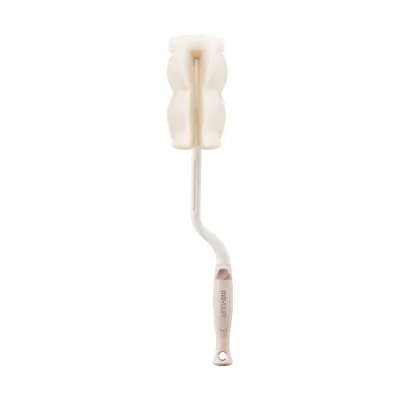
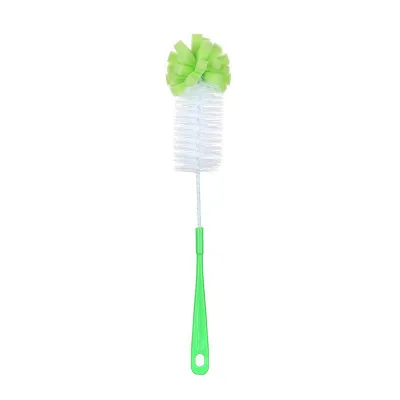
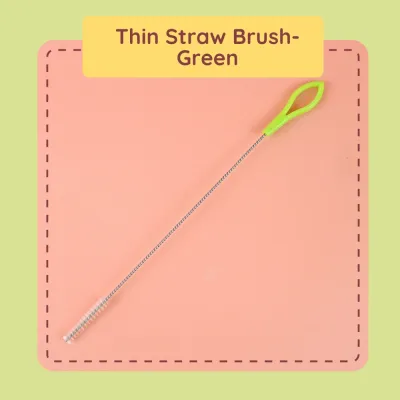
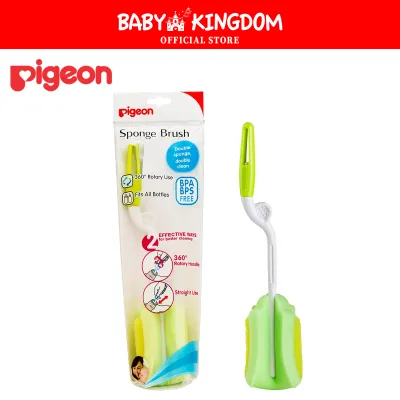
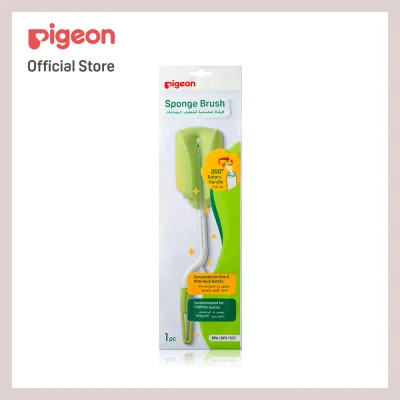
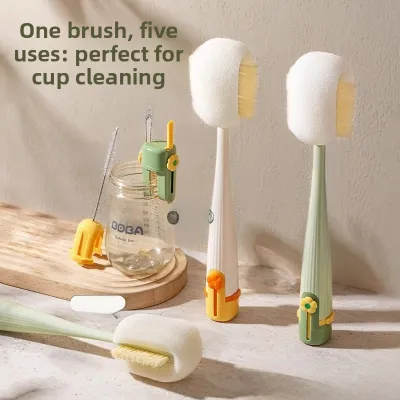
Prices are valid at publication and may change. Please refer to the product page for the latest price.

Rather than searching for an absolute winner, look at these material differences as practical trade-offs. A material that excels at rapid drying might require more effort to remove dried-on formula, while a highly absorbent sponge that cleans effortlessly will demand much stricter hygiene maintenance.
Silicone Sponges and Brushes
Silicone has become a popular choice for modern nurseries due to its unique physical properties. These brushes typically feature flexible, non-porous bristles or textured pads that glide smoothly over surfaces. Because silicone is inherently gentle, it protects delicate surfaces like plastic and silicone bottles from micro-scratches, preserving the clarity and integrity of the feeding vessels over months of repeated washing.
Another major advantage of silicone is its hygiene profile. The non-porous structure does not absorb water, which allows the brush to dry rapidly after use. This fast-drying capability makes it highly resistant to mold, mildew, and sour odors, which is particularly beneficial in warm, humid climates like Singapore where moisture-loving bacteria thrive.
However, silicone does have practical limitations. Because it does not absorb liquids, it cannot create a rich, thick soap lather on its own. Caregivers may find they need to use more dish soap or exert extra physical effort to scrub away stubborn, dried-on breast milk or formula residue that has settled at the bottom of the bottle.
Polyurethane Foam Sponges
Polyurethane foam is the classic material found in traditional bottle brush sponges. It is highly porous, allowing it to absorb large amounts of water and baby-safe dish soap. This high absorbency creates an excellent, thick lather that easily emulsifies milk fats and proteins, making foam incredibly efficient at lifting away residue with minimal scrubbing effort.
This excellent cleaning performance makes polyurethane foam highly suitable for glass baby bottles, which can withstand vigorous scrubbing without scratching. The soft, conforming nature of the foam allows it to compress and expand, easily reaching into the curved shoulders and tight bottom corners of various bottle shapes.
The primary drawback of polyurethane foam is its maintenance requirement. The same porous structure that creates a wonderful lather also traps moisture, milk particles, and bacteria if not cleaned meticulously. Foam sponges take significantly longer to dry, requiring caregivers to squeeze them out thoroughly and store them in well-ventilated areas. Additionally, foam is prone to tearing and degradation over time, meaning these brushes must be inspected daily and replaced more frequently than silicone alternatives.
Cellulose and Natural Sponge Alternatives
For families prioritizing eco-friendly nursery products, cellulose and natural plant-based sponges offer an appealing alternative to synthetic plastics. Derived from wood pulp or natural plant fibers, these sponges provide a unique, slightly textured scrubbing surface that is highly effective at removing dried-on milk film without being overly abrasive.
Cellulose sponges possess excellent water retention capabilities, allowing them to hold soap well and deliver a satisfying clean. They are biodegradable and often free from synthetic dyes, aligning well with green living goals.
However, natural fibers present distinct hygiene challenges. Cellulose is highly absorbent and dries slowly, creating an environment where bacteria and mold can easily multiply if the brush is left damp. Caregivers using natural sponge brushes must commit to strict hygiene routines, including thorough rinsing, complete air-drying in a sunny or highly ventilated spot, and frequent condition checks. If you notice any softening of the fibers, tearing, or unusual odors, the brush must be discarded immediately to protect your infant’s health.
Matching the Sponge to Your Specific Bottle Material
To keep your feeding equipment safe and functional, you must match the physical properties of your brush to the specific material of your baby bottles.
Glass Bottles Glass is highly durable and naturally resistant to scratching. Because of this, glass bottles tolerate higher friction and more aggressive scrubbing. Caregivers should prioritize polyurethane foam or cellulose sponge brushes for glass collections. These materials excel at removing the stubborn, greasy film that breast milk can leave behind, ensuring a sparkling clean surface without any risk of damaging the glass.
Plastic Bottles Plastic baby bottles, typically made from polypropylene (PP) or polyphenylsulfone (PPSU), are highly susceptible to micro-scratches. Even minor abrasions on the inner walls can create tiny crevices where milk proteins and bacteria accumulate, making proper sanitization difficult. For plastic bottles, prioritize soft silicone brushes or ultra-soft, high-density foam. Avoid any brushes with stiff plastic bristles or abrasive scrubbing pads.
Silicone Bottles Silicone baby bottles are soft, squeezable, and require gentle care to prevent surface degradation. Abrasive cleaning tools can wear down the silicone over time, making the surface cloudy or sticky. To clean silicone bottles safely, use silicone-on-silicone cleaning tools or ultra-soft foam sponges. These materials glide over the flexible walls without causing friction damage.
The “Verify First” Step Before finalizing your cleaning setup, always check the bottle manufacturer’s specific care guidelines. Some brands explicitly forbid the use of certain brush types or require specific cleaning techniques to preserve their warranties and ensure infant safety. If you ever have persistent concerns about feeding hygiene or recurring infant digestive issues, consult a pediatrician or a qualified lactation professional.
Essential Brush Design Features to Verify Before Buying
While the sponge material is critical, the overall physical design of the bottle brush determines how easy and comfortable it is to use multiple times a day. When budgeting around S$10 to S$20 for a quality cleaning set, look closely at the structural elements.
Handle Length, Grip, and Flexibility Ensure the brush handle is long enough to comfortably reach the very bottom of your tallest bottles. Look for ergonomic, non-slip grips that remain secure even when your hands are covered in soapy water. A flexible handle or a swiveling brush head can help you navigate the unique contours, curves, and shoulders of modern ergonomic baby bottles without straining your wrists.
Nipple Cleaner Attachments Baby bottle nipples are incredibly delicate and have small openings that easily clog with milk residue. Many bottle brushes feature a smaller, integrated nipple cleaner at the base of the handle. Verify that this attachment is made of a compatible, non-abrasive material—such as soft silicone or fine foam—that can clean the nipple interior thoroughly without tearing the delicate silicone tip.
Base Design and Storage Proper storage is vital for keeping your bottle brush hygienic. Look for brushes designed with a suction cup base or a dedicated standing cradle. These features allow the brush to stand upright on your kitchen counter, keeping the wet sponge head elevated and isolated from dirty surfaces. This vertical storage promotes faster, more hygienic air drying, which is essential for preventing bacterial growth.
Maintaining and Knowing When to Replace Your Bottle Brush
A bottle brush is only as clean as the care it receives. To prevent your cleaning tool from becoming a source of contamination, establish a strict daily maintenance routine.
After every use, rinse the brush thoroughly under warm running water to remove all traces of soap and milk residue. Squeeze out excess water from foam or cellulose sponges, and shake off any droplets from silicone brushes. Store the brush upright in a well-ventilated area, away from the kitchen sink splash zone, to allow it to dry completely.
Even with meticulous care, bottle brushes do not last forever. Inspect your brush daily for observable signs of wear. For foam and cellulose sponges, look for tearing, crumbling, thinning of the material, or lingering sour odors. For silicone brushes, check for missing bristles or split ends. If you notice any of these signs, or if the brush has lost its elasticity, replace it immediately to prevent loose pieces from becoming choking hazards. As a general rule of thumb, plan to replace porous foam brushes every four to six weeks, while durable silicone brushes can often last longer if they remain in pristine condition.
When it comes to sanitizing the brush itself, do not assume universal heat tolerance. While some silicone brushes can withstand boiling water or the top rack of a dishwasher, many foam brushes utilize adhesives or plastic handles that will melt or warp under high heat. Always defer to the manufacturer’s specific sanitization instructions printed on the product packaging, and verify any safety standards or certifications listed by the brand.
Frequently Asked Questions (FAQ)
Can I use the same bottle brush for glass, plastic, and silicone bottles?
Using a single brush across a mixed collection of glass, plastic, and silicone bottles carries subtle risks. Over time, a brush used regularly on hard glass surfaces can accumulate microscopic wear, or trap tiny glass particles and mineral deposits from hard water. If that same brush is then used on soft plastic or silicone bottles, those trapped particles can act as an abrasive, causing micro-scratches on the softer surfaces. To maintain the longevity of your bottles, check the brush condition frequently. If you have a mixed bottle collection, consider dedicating separate brushes for your glass and plastic items to prevent cross-abrasion.
Is it safe to sanitize my bottle brush sponge in boiling water?
Whether you can safely sanitize your bottle brush in boiling water depends entirely on the specific materials used in its construction. High-quality silicone brushes are often highly heat-resistant and can tolerate boiling water or steam sterilization. However, polyurethane foam sponges, cellulose alternatives, and the plastic handles or glues holding them together frequently warp, degrade, or release chemical odors when exposed to extreme heat. Never assume universal heat tolerance. Always check the product packaging or the manufacturer’s official instructions before subjecting any bottle brush to boiling water, steam sterilizers, or dishwasher cycles.

Community discussion
Share your experience or ask a question. Comments are reviewed before publication.