
Choosing the right detergent for your child’s clothing is a critical step in managing and preventing skin irritation. Because a young child’s skin barrier is thinner and more permeable than an adult’s, it is highly susceptible to absorbing chemical residues left behind on fabric fibers. When managing kid laundry, selecting a formula that effectively removes tough organic stains while remaining completely non-irritating is paramount, especially in hot, humid environments where sweat can exacerbate skin sensitivities.
To make an informed choice, caregivers must look beyond appealing packaging and understand the specific ingredients, certifications, and formulation types available. By learning how to read detergent labels, understanding the mechanics of different cleaning agents, and adopting proper washing practices, you can protect your child’s skin while keeping their wardrobe clean and fresh.
How to Evaluate Detergent Labels for Sensitive Skin
Navigating the laundry aisle can be overwhelming due to the abundance of products claiming to be gentle, mild, or safe for babies. To make a reliable decision, it is essential to distinguish between front-of-bottle marketing terms and the verifiable scientific facts listed on the ingredient panel. Marketing terms are often unregulated, whereas the ingredient deck provides an objective look at what will actually come into contact with your child’s skin.
Products mentioned in this guide
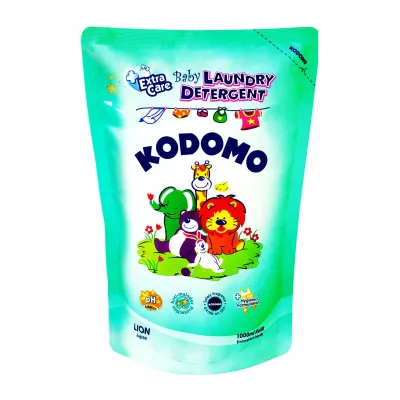
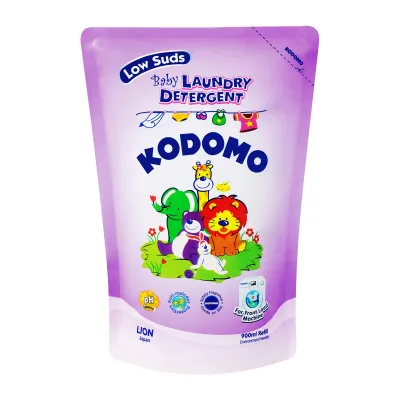
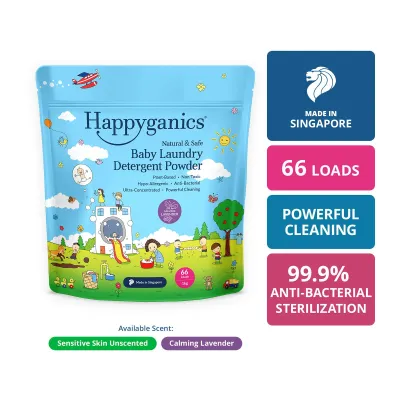
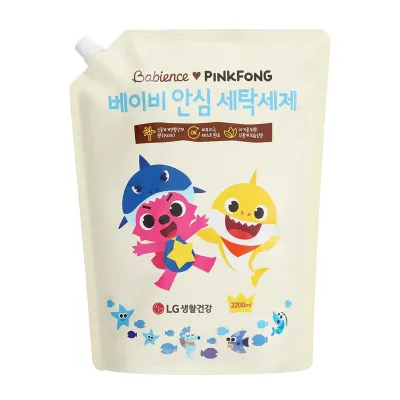
Prices are valid at publication and may change. Please refer to the product page for the latest price.
When evaluating labels, look for specific, internationally recognized certifications rather than generic claims. Seals of approval from independent organizations, such as the National Eczema Association (NEA) or dermatological review panels, indicate that the product has undergone evaluation to verify its suitability for highly reactive skin. While these certifications are excellent starting points, they do not guarantee absolute safety for every individual; always perform a careful check of the ingredients and monitor your child’s skin.
Several common chemical groups are known triggers for contact dermatitis and should be avoided whenever possible:
- Optical Brighteners: These are synthetic chemicals designed to adhere to fabric fibers and reflect blue light, making clothes appear whiter and brighter. They do not contribute to actual cleanliness and remain on the fabric after washing, where they can rub off onto your child's skin and cause irritation.
- Synthetic Fragrances: Fragrance is one of the leading causes of cosmetic-induced skin allergies. Even products labeled "soft scent" or "baby fresh" often contain complex mixtures of synthetic chemicals that can trigger eczema flare-ups.
- Harsh Sulfates: Surfactants like Sodium Lauryl Sulfate (SLS) and Sodium Laureth Sulfate (SLES) are highly effective at removing grease, but they can strip the skin's natural lipid barrier, leading to dryness and irritation.
- Certain Preservatives: Liquid detergents require preservatives to prevent bacterial and mold growth, but some, such as Methylisothiazolinone (MI) and Methylchloroisothiazolinone (MCI), are potent contact allergens.
Always check the manufacturer’s packaging for specific safety warnings and usage instructions. If your child has a diagnosed skin condition, consult a pediatrician or dermatologist before introducing a new laundry product to your household routine.
Formulation Types to Consider for Kid Laundry
Different formulation types offer distinct cleaning mechanisms, benefits, and trade-offs. Matching the right formulation to your household’s washing habits and your child’s skin sensitivity is key to establishing a safe, effective kid laundry routine.

Plant-Based and Enzyme Formulas
Plant-based detergents utilize surfactants derived from natural sources, such as coconut or corn (for example, coco-glucoside or decyl glucoside). These natural surfactants lower the surface tension of water, allowing it to wet fabrics more effectively and lift away dirt without leaving harsh synthetic residues behind. They are typically highly biodegradable and gentler on both the skin and the environment.
To boost cleaning power, many plant-based formulas incorporate bio-enzymes. These are specialized proteins that target and break down specific organic stains. For example, proteases target protein-based stains like breast milk, formula, and spit-up, while amylases break down starches from baby food, and lipases target oils and sebum. This targeted action allows the detergent to clean deeply without relying on highly alkaline chemicals.
However, bio-enzymes can occasionally pose a minor risk for highly sensitive individuals. In rare cases, residual enzymes left on clothing can interact with skin proteins, leading to mild irritation, particularly if the clothing becomes wet with sweat. If your child has extremely compromised skin or severe eczema, you may want to opt for an enzyme-free, plant-based formula as an extra precaution.
Fragrance-Free and Minimalist Ingredients
When shopping for sensitive skin, it is crucial to understand the difference between “unscented” and “fragrance-free” products. An unscented detergent may still contain synthetic fragrances or botanical extracts used specifically to mask the chemical smell of the raw ingredients. A truly fragrance-free detergent contains absolutely no added fragrance chemicals, masking agents, or essential oils, making it the safest choice for reactive skin.
Minimalist formulations focus on reducing the total number of chemical ingredients in the bottle. By eliminating unnecessary additives like colorants, thickeners, and pearlescing agents, these detergents minimize the statistical probability of an allergic reaction. A shorter ingredient list makes it much easier for caregivers to identify and isolate potential allergens if a reaction does occur.
To verify these claims, always read the full ingredient list on the back of the bottle rather than relying on front-label graphics of flowers or cotton pods. If a brand does not fully disclose its ingredients on the packaging, visit the manufacturer’s website or contact their customer service department to request a complete ingredient list before purchasing.
Concentrated vs. Standard Liquid Detergents
Concentrated liquid detergents contain a higher percentage of active cleaning agents and less water per dose compared to standard liquid detergents. This format is highly efficient, requiring smaller packaging, reducing environmental shipping impact, and taking up less storage space in your home. However, because they are highly potent, concentrated formulas require strict adherence to dosing instructions.
Over-dosing a concentrated detergent is a common mistake that leads to excessive suds. These suds can trap dirt and chemical residues within the fabric fibers, preventing them from being thoroughly rinsed away during the machine cycle. This buildup can cause fabrics to feel stiff and scratchy, increasing physical friction against your child’s skin.
Standard liquid detergents are more pre-diluted, which can make them slightly more forgiving if you accidentally pour a little too much into the dispenser. However, they require larger storage spaces and are heavier to transport. Whichever format you choose, always use the measuring cap provided by the manufacturer and adjust the dose carefully based on the size of your laundry load and the hardness of your water.
Navigating Singapore's Climate and Shopping Channels
Singapore’s tropical climate presents unique challenges for maintaining clean, irritation-free laundry. The combination of high year-round temperatures (typically ranging from 27°C to 32°C) and high relative humidity (often exceeding 80%) means that children sweat frequently and heavily. This sweat, combined with body oils and dead skin cells, can quickly build up on clothing fibers.
If sweaty garments are left in a laundry hamper for too long in humid conditions, bacteria and mold can multiply rapidly, causing stubborn, musty odors and increasing the risk of skin infections. To combat this, wash damp clothing as promptly as possible. Avoid packing sweaty garments tightly in a closed hamper; instead, use a well-ventilated laundry basket to allow air circulation.
Thorough drying is equally critical in a humid climate. If you dry clothes indoors—a common practice in Singapore’s high-rise housing—ensure the drying area is well-ventilated. Utilize a dehumidifier or a fan to speed up the drying process and prevent mold spores from settling on the damp fabric. If you use a clothes dryer, always check the care labels on your child’s clothing first to ensure the fabric can withstand the heat without shrinking or degrading.
When purchasing baby laundry detergents in Singapore, reliable options are widely available across multiple channels:
- Local Supermarkets and Hypermarkets: Major chains carry a dedicated selection of gentle and hypoallergenic detergents, making it convenient to restock during regular grocery trips.
- Baby Specialty Boutiques: These stores often stock premium, organic, or niche plant-based brands that specialize in sensitive skin care.
- Pharmacies and Health Stores: Local pharmacies frequently carry dermatologically tested laundry brands specifically formulated for eczema-prone skin.
- Reputable E-Commerce Platforms: Online shopping offers convenience and home delivery, which is highly beneficial for busy parents. When buying online, always purchase from official brand stores or authorized distributors to ensure product authenticity and avoid counterfeit goods.
Regardless of where you purchase your detergent, store the bottle in a cool, dry place away from direct sunlight. High heat and humidity can cause some natural or plant-based formulas to separate, degrade, or lose their preservative efficacy over time.
Washing Best Practices and Skin Observation
Even the gentlest detergent can cause skin irritation if it is not used correctly. Implementing proper washing techniques is just as important as choosing the right product formulation.
To ensure all detergent residues are completely removed from your child’s clothing, always utilize the extra rinse cycle on your washing machine. Modern high-efficiency machines use minimal water, which can sometimes leave trace amounts of surfactants trapped in tight fabric weaves. An additional rinse cycle provides a thorough flush with clean water, significantly reducing the risk of chemical contact with the skin.
Accurate dosing is another crucial factor. Many caregivers mistakenly believe that using more detergent will result in cleaner clothes, but the opposite is often true. Excessive detergent creates a surplus of suds that cannot be fully rinsed out, leaving a soapy film on the garments that traps dirt, sweat, and bacteria. Always measure the detergent precisely according to the load size and soil level, following the manufacturer’s guidelines.
When introducing a new laundry detergent to your household, establish a systematic skin observation protocol to monitor your child’s reaction:
- Wash a Test Batch: Wash only a few items of clothing with the new detergent first, rather than laundering your child's entire wardrobe at once.
- Monitor Key Areas: Pay close attention to areas where clothing fits tightly against the skin, such as waistbands, cuffs, and collars, as well as areas prone to sweating, like the elbow creases, back of the knees, and neck.
- Identify Early Signs: Look for early symptoms of contact dermatitis, which include localized redness, dry or rough patches, small raised bumps, or signs of itching (such as your child scratching or rubbing their skin).
- Take Immediate Action: If you observe any signs of irritation, stop using the detergent immediately. Rewash all affected garments in plain, warm water or with a previously tolerated detergent to remove any remaining residue.
If the skin irritation is severe, does not improve within a few days of discontinuing the detergent, or is accompanied by hives, swelling, or signs of infection, consult a pediatrician or a qualified dermatologist promptly for professional guidance.
Frequently Asked Questions (FAQ)
Can I use regular family detergent for my kid's laundry?
If your child has normal, non-reactive skin and no history of allergies or eczema, a mild, fragrance-free family detergent may be perfectly suitable. This allows you to wash the entire household’s laundry together, saving time and energy. However, for newborns, infants, or children with diagnosed skin sensitivities, it is highly advisable to use a dedicated gentle formula. Standard family detergents often contain optical brighteners, synthetic fragrances, and strong surfactants that can easily compromise a young child’s delicate skin barrier.
Do I need a separate fabric softener for baby clothes?
It is generally recommended to avoid traditional liquid fabric softeners for children’s laundry. Traditional softeners work by depositing a thin, chemical coating over the fabric fibers to make them feel lubricated and soft. This chemical film can easily irritate sensitive skin, reduce the natural breathability of cotton fabrics, and impair the moisture-wicking capabilities of garments, which is highly problematic in Singapore’s hot climate. Furthermore, this coating can reduce the flame-retardant properties of children’s sleepwear.
If you want to soften your child’s clothes safely, consider using wool dryer balls in the tumble dryer to naturally fluff the fabrics. Alternatively, you can add a small amount of distilled white vinegar to the fabric softener dispenser of your washing machine. Vinegar helps dissolve residual detergent minerals that make clothes feel stiff, rinses out completely, and leaves no lingering scent or irritating residue.

Community discussion
Share your experience or ask a question. Comments are reviewed before publication.