
Securing low-lying storage is a fundamental step in creating a safe environment for your growing child. In Singapore, where modern apartments often feature extensive built-in carpentry and low TV consoles, finding the right baby drawer lock is essential to prevent accidents. Selecting a reliable brand involves understanding how different mechanisms interact with your home’s furniture finishes and Singapore’s humid climate. By evaluating key safety features and installation requirements, you can protect your child while maintaining the integrity of your living space.
Why Reliable Drawer Locks Are Crucial for Baby-Proofing Singapore Homes
Around six to nine months, infants begin crawling and exploring their immediate surroundings. As they transition to pulling themselves up and taking their first steps, low-lying drawers become tempting handholds. This physical progression turns ordinary furniture into potential hazards.
A baby pulling on a drawer can easily trap their fingers as it slides back shut, causing painful pinches or fractures. Beyond physical impact, drawers often house hazardous items—ranging from sharp cutlery in the kitchen to medications or small, swallowable objects in living room consoles. There is also the severe risk of furniture tipping; when multiple drawers are pulled open simultaneously, the center of gravity shifts forward, which can cause heavy dressers to topple over onto a child.
Products mentioned in this guide
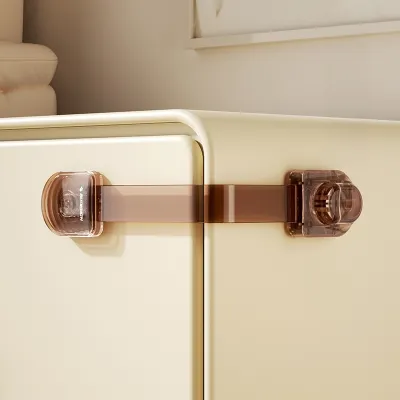
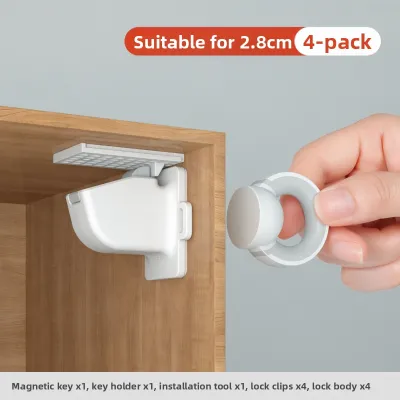
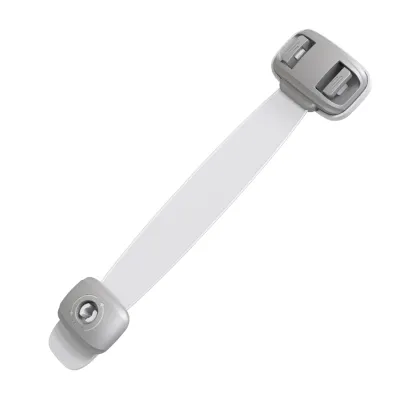
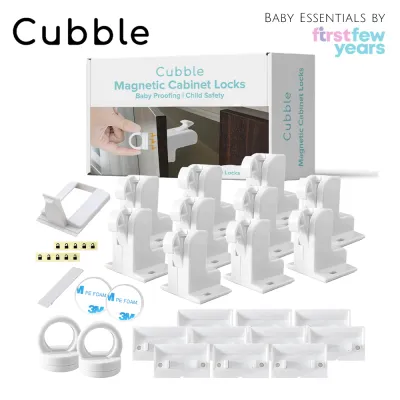
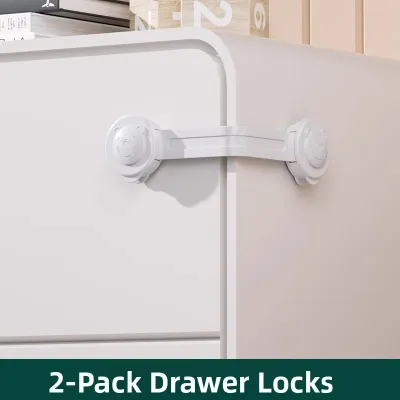
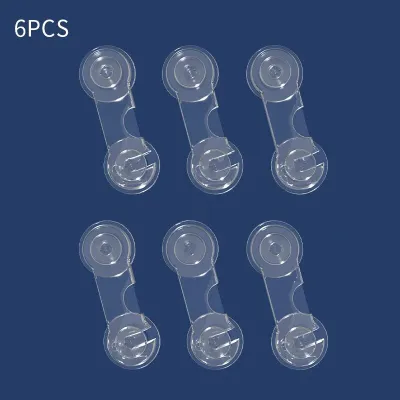
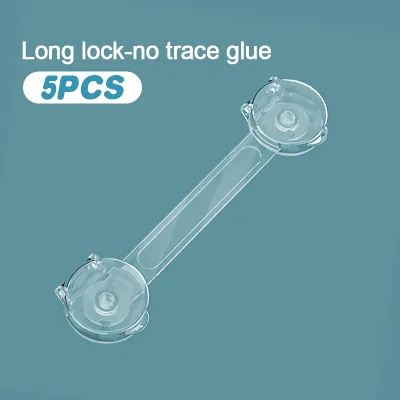
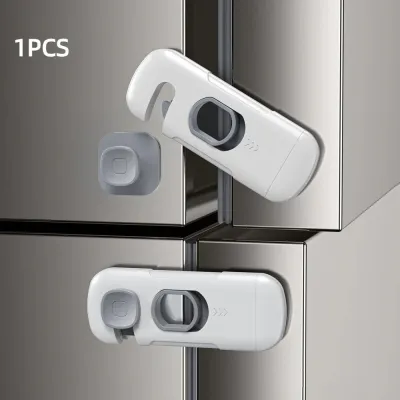
Prices are valid at publication and may change. Please refer to the product page for the latest price.
Typical residential layouts in Singapore, such as Housing & Development Board (HDB) flats and private condominiums, frequently utilize space-saving built-in carpentry. Kitchens often feature long rows of low cabinets, while living rooms are dominated by low-profile TV consoles with deep drawers. These design choices mean that a significant portion of a household’s storage sits directly within a toddler’s reach, making targeted baby-proofing an immediate priority once your child becomes mobile.
How to Evaluate Baby Drawer Lock Brands for Safety and Durability
Singapore’s tropical climate presents a unique challenge for adhesive-based baby safety products. High relative humidity and warm indoor temperatures can cause standard double-sided tapes to soften, slide, or lose their grip entirely over time. When evaluating brands, look for those that specify the use of high-bond, temperature-resistant acrylic adhesives. These specialized adhesives are engineered to maintain their structural integrity in humid environments, ensuring the lock remains firmly attached even when subjected to sudden, forceful pulls by a determined toddler.

Because infants and toddlers explore their world through touch and taste, any accessible part of a drawer lock must be chemically safe. Parents should verify that the manufacturer explicitly states their products are non-toxic and free from harmful chemicals such as Bisphenol A (BPA), phthalates, and heavy metals. Inspect the physical construction of the lock as well; high-quality brands utilize thick, impact-resistant plastics like Acrylonitrile Butadiene Styrene (ABS) or robust nylon, which resist cracking or splintering under repeated stress.
A successful drawer lock must strike a delicate balance between ease of use for caregivers and difficulty for children. If a lock is too cumbersome or requires two hands to operate, busy parents may eventually leave it disengaged, defeating its safety purpose. Look for brands that offer intuitive, one-handed opening mechanisms for adults—such as magnetic releases or hidden squeeze latches—while remaining cognitively and physically impossible for a toddler’s smaller hands and developing motor skills to bypass.
For families living in rental properties or those wishing to preserve their expensive custom carpentry, how a lock is removed is just as important as how well it stays on. Superior brands design their adhesive systems to bond securely during use but release cleanly when the correct removal techniques are applied. This prevents the adhesive from stripping away delicate wood veneers, high-pressure laminates, or paint finishes, saving you from costly furniture repairs or security deposit deductions.
Top Drawer Lock Mechanisms and the Brand Features You Should Demand
Magnetic Locks: Invisible Security for Heavy Drawers
Magnetic locking systems represent a reliable option for maintaining a clean, minimalist aesthetic in your home while keeping hazards completely out of reach. These systems consist of an internal latch mounted inside the drawer and a catch attached to the cabinet frame. The drawer remains locked from the inside and can only be opened by placing a powerful magnetic key against the outside of the drawer face. Because there are no visible external parts, children are not tempted to pull, chew, or play with the lock.
When comparing magnetic lock brands available in Singapore, such as Safety 1st or Dreambaby, look closely at the package specifications. Ensure the brand provides multiple magnetic keys or offers them for purchase separately, as losing your only key can lock you out of your own drawers. High-quality brands often include dedicated magnetic key docks that can be mounted high on a wall or refrigerator, keeping the keys safely out of reach of children but easily accessible to adults. Additionally, verify the manufacturer’s specified maximum wood or laminate thickness; some magnetic locks only operate through surfaces up to 25 millimeters thick, while premium models can penetrate thicker custom carpentry. The internal mechanism should be fully encased in durable, shatterproof ABS plastic to withstand the constant impact of drawers being pushed shut.
Adhesive Strap Locks: Flexible Protection for Multiple Surfaces
Adhesive strap locks are highly versatile, making them a popular choice for securing non-standard drawers, curved surfaces, and appliances. These locks feature two adhesive mounting bases connected by a flexible plastic or silicone strap. One base is fixed to the stationary frame, while the other attaches to the moving drawer front. The flexible nature of the strap allows it to bend around corners, making it ideal for corner drawers, side-by-side cabinets, and even household appliances like refrigerators, microwave ovens, or trash cans.
To ensure long-term performance, choose strap lock brands that explicitly state they use high-grade acrylic foam tape, such as 3M VHB (Very High Bond), rather than generic double-sided foam. This commercial-grade adhesive conforms better to textured or slightly uneven surfaces, which are common on modern wood-grain laminates. Look for brands that feature adjustable strap lengths, allowing you to customize the tension and fit for your specific furniture layout. A key feature to demand is a dual-button or multi-action release mechanism on the locking head; this requires a level of finger strength and coordination that young children do not possess, while allowing adults to open the lock with a single, coordinated hand movement.
Mechanical Latches: Drill-Free Solutions for Standard Handles
For drawers that feature external handles, D-tubes, or double knobs, mechanical latches offer a highly effective, drill-free, and adhesive-free safety solution. These locks typically come in the form of sliding U-shaped bars or adjustable squeeze-and-slide straps that loop through adjacent handles or wrap around double knobs. Because they do not rely on adhesives, they are completely immune to the degrading effects of Singapore’s high humidity and can be installed or removed in seconds without leaving any residue.
When evaluating mechanical latch brands, prioritize designs with smooth, rounded edges. Sharp plastic seams on low-quality locks can scratch expensive furniture finishes, snag clothing, or scrape a crawling baby’s delicate skin. Check the durability of the spring-loaded release mechanism; it should feel firm and require a deliberate, dual-sided squeeze to disengage. Always verify the brand’s sizing charts before purchasing, as the distance between your drawer handles must match the lock’s adjustable range to ensure a tight, secure fit that prevents the drawer from opening even a fraction of an inch.
Foolproof Installation Steps for Humid Climates and Laminate Surfaces
To ensure your chosen baby drawer locks perform reliably, proper installation is critical, especially when dealing with the high humidity and diverse furniture finishes found in Singapore homes. Before beginning, always read the specific product label and the manufacturer’s instructions for both the lock and your furniture.
The most common reason for adhesive failure is poor surface preparation. Dust, microscopic kitchen grease, and ambient moisture create an invisible barrier that prevents the adhesive from bonding directly to the furniture surface. To prepare the area, clean the exact spot where the lock will be applied using a clean microfiber cloth dampened with isopropyl alcohol. Avoid using household glass cleaners or multi-surface sprays, as these often leave behind a thin silicone or chemical residue that actually repels adhesives. Allow the surface to dry completely for at least five minutes before proceeding.
Once the surface is clean and dry, carefully peel the protective backing off the adhesive pad, taking care not to touch the sticky surface with your fingers, as skin oils will weaken the bond. Position the lock precisely according to the manufacturer’s alignment templates. Press the lock firmly against the furniture surface and apply sustained, heavy pressure with your palm or thumb for at least 30 seconds. This pressure-sensitive adhesive requires physical force to activate the chemical bonding process between the tape and the laminate or wood veneer.
The single most critical step in securing an adhesive lock in a humid climate is allowing the bond to cure undisturbed. Do not pull, test, or use the lock immediately after installation. Most high-performance adhesives require a full 24 to 48 hours to reach their maximum bonding strength, particularly in Singapore’s warm, humid air. Keep the drawers completely closed and avoid touching the lock during this curing window to ensure the adhesive cures fully and forms a permanent, resilient grip.
While high-quality adhesives work exceptionally well on smooth, non-porous surfaces like high-pressure laminates, sealed wood, and metal, they are not suitable for every surface. Avoid installing adhesive locks on fragile wallpapers, peeling paint, untreated raw wood, or surfaces where the finish itself is loose or damaged. If the underlying paint or veneer is weak, the tension from a child pulling on the drawer will simply rip the finish off the furniture. If you are dealing with antique furniture, delicate finishes, or if the material is unidentified, stop and consult the furniture manufacturer or a professional carpenter before applying any strong adhesives.
Safe Removal and Knowing When Your Child Has Outgrown the Locks
When your child grows older and no longer requires physical barriers, removing the drawer locks safely is essential to preserve your furniture’s appearance. To remove adhesive locks without damaging the underlying surface, use a hairdryer set to low or medium heat. Gently direct the warm air at the adhesive base for one to two minutes to soften the acrylic tape. Once the adhesive is warm and pliable, slide a piece of dental floss, sturdy sewing thread, or fishing line behind the lock base and use a gentle sawing motion to slice through the softened foam tape. This method allows you to remove the plastic lock body cleanly without prying against the wood or laminate.
Any remaining adhesive residue can be safely cleaned using mild, household-friendly methods. Dampen a clean cloth with a small amount of vegetable oil, baby oil, or a specialized, surface-safe adhesive remover. Gently rub the residue in a circular motion until the adhesive rolls up and lifts off the surface. Once the residue is gone, clean the area with mild dish soap and warm water to remove any oily film, then wipe it dry with a clean towel. Always test any cleaner or oil on a small, hidden area of the furniture first to ensure it does not discolor or dull the finish.
As children grow, their cognitive and motor skills develop rapidly. Around two to three years of age, many toddlers begin to observe and mimic adult actions, and they may eventually figure out how to operate simpler drawer locks. Regularly monitor your child’s interaction with the locks; if you notice them successfully bypassing a mechanism, it is time to upgrade to a more complex lock type or transition your safety strategy. At this stage, physical barriers should be combined with active safety education. Teach your child which drawers are safe to explore—such as a designated “baby drawer” filled with safe plastic containers—and establish clear, consistent boundaries for off-limits areas containing hazards.
Frequently Asked Questions (FAQ)
Can I use adhesive drawer locks on glass or mirrored surfaces?
While high-quality adhesives will bond securely to glass or mirrored surfaces, using them to lock heavy drawers carries inherent risks. The physical tension and sudden pulling forces exerted by a toddler trying to open a locked drawer can place concentrated stress on the glass, potentially causing it to crack or shatter. Additionally, pulling on a mirror-mounted lock can cause the reflective backing to peel away from the glass. For glass-fronted furniture, it is safer to use mechanical strap locks that anchor to the solid wooden or metal frame of the cabinet, or to relocate hazardous items to solid-wood drawers entirely.
Are magnetic locks safe if my baby finds the magnetic key?
The magnetic keys used to operate internal drawer locks are generally low-strength magnets that do not pose a significant magnetic hazard on their own. However, the key itself can present a serious choking hazard if a child puts it in their mouth, or if the plastic casing cracks and exposes the small magnet inside. To prevent these risks, always store magnetic keys in their designated wall-mounted cradles high out of reach, and inspect the keys regularly for any signs of cracking, wear, or damage. If a key is damaged, discontinue its use immediately and replace it.
Will adhesive locks damage my HDB or condo cabinet finishes?
Most reputable baby safety brands design their adhesives to be removable without damaging standard household surfaces. However, the risk of damage depends heavily on the quality and condition of your cabinet’s finish. If your HDB or condo cabinets feature high-quality, fully bonded laminates, sealed solid wood, or professional polyurethane paint, they are highly likely to survive removal undamaged if you use the hairdryer and dental floss method. If the laminate is already lifting, the wood is unsealed, or the paint is old and peeling, the adhesive bond may pull the finish away upon removal. Always test a small, inconspicuous area of the cabinet before installing locks across your home.

Community discussion
Share your experience or ask a question. Comments are reviewed before publication.