
Caring for a newborn’s delicate skin requires grooming tools that prioritize safety, hygiene, and exceptional softness. In Singapore, where the warm, humid climate can make infant skin prone to sweat rashes and irritation, choosing the right cotton products is a fundamental step in daily hygiene routines. While many parents look for popular local options like the Cubble cotton ball, making an informed decision involves understanding how different cotton formats perform during delicate tasks like cleaning tear ducts, wiping the umbilical cord, or managing diaper changes. By learning to evaluate material standards, fiber integrity, and packaging safety, you can select cotton products that protect your baby’s skin barrier while ensuring a clean, irritation-free grooming experience.
Essential Safety and Comfort Checks for Baby Cotton Balls
When selecting cotton balls for a newborn, the physical structure of the cotton fiber is your first line of defense against skin irritation. Infant skin is significantly thinner than adult skin, making it highly susceptible to micro-scratches and friction. You should closely inspect the cotton balls for fiber integrity, ensuring there are no loose threads, shedding, or fine lint particles on the surface. Loose fibers can easily detach during use, posing a risk of eye irritation if used near the tear ducts, or accidental inhalation and entanglement if left on the baby’s hands or face. High-quality baby cotton balls are typically manufactured using longer cotton fibers that are tightly spun, which minimizes shedding even when the ball is fully saturated with water.
Chemical processing is another critical factor to verify on the product label before making a purchase. Many standard cotton products undergo intensive chlorine bleaching to achieve a bright white appearance, which can leave behind trace chemical residues. For newborn care, look for labels that explicitly state the product is chlorine-free, unbleached, fragrance-free, and hypoallergenic. Dermatological test certifications on the packaging provide an additional layer of reassurance that the fibers have been evaluated for skin compatibility. If a product does not clearly state its bleaching method or chemical-free status, it is safer to assume it may contain synthetic processing agents and to opt for a fully transparent brand instead.
Products mentioned in this guide
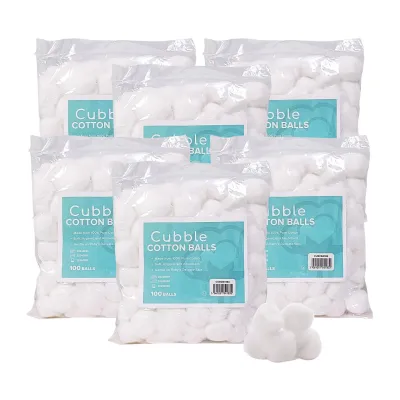
Prices are valid at publication and may change. Please refer to the product page for the latest price.
The physical size and density of the cotton ball directly impact its usability and safety during grooming. A cotton ball that is too loose or poorly wound will quickly collapse, lose its shape, and disintegrate when wet, leaving behind wet clumps of fiber on your baby’s skin. Conversely, a ball with appropriate density retains its structural integrity, allowing you to apply gentle, even pressure without the cotton tearing apart. When evaluating different options, look for cotton balls that feel springy and resilient to the touch when dry, as this indicates they will hold water efficiently without collapsing into a flat, useless mass during cleaning.
Gentle Cotton Ball Options to Evaluate for Your Baby
Navigating the baby care aisle reveals a variety of cotton formats, each designed to address specific grooming challenges. Traditional spherical cotton balls, flat cotton rounds, and larger cotton pads all offer distinct advantages depending on the area of the body you are cleaning. For instance, spherical balls are highly maneuverable for small, contoured areas like the outer ear or nose, while flat pads provide a larger surface area for wiping the face or diaper region. Before purchasing any cotton product, it is essential to verify the current stock, packaging integrity, and age recommendations directly on the manufacturer’s label to ensure the product aligns with your newborn’s immediate developmental stage.

Evaluating Cubble Cotton Balls for Daily Grooming
The Cubble cotton ball is a widely recognized option among parents in Singapore, valued for its specific design tailored to infant care. When evaluating this product, start by examining the packaging to verify its material composition and manufacturing standards. Look for indications of pure cotton fibers and check whether the brand specifies any chemical-free processing methods. The fiber length used in these cotton balls is a key indicator of how well they will resist shedding during high-moisture tasks, such as wiping away sticky residue or cleaning sensitive areas.
Assess the texture and absorbency of the Cubble cotton ball to determine if it meets the requirements for delicate grooming tasks. For highly sensitive procedures like cleaning a newborn’s healing umbilical cord area or wiping away discharge from the tear ducts, the cotton must be exceptionally soft to prevent friction-induced redness. A good test is to moisten the cotton ball with a few drops of water and gently press it against the inside of your wrist; it should feel smooth and cushiony without any scratchy fibers. Additionally, review the back of the packaging for any specific usage instructions, age-specific warnings, or disposal guidelines provided by the manufacturer, ensuring you follow their recommended practices for safe infant care.
Unbleached Organic Cotton Rounds and Pads
For parents seeking alternatives to traditional spherical cotton balls, unbleached organic cotton rounds and pads present a highly functional option. These flat formats offer a significantly larger surface area, which can make daily tasks like wiping your baby’s face, neck folds, or diaper area much more efficient. The flat structure allows you to fold the pad to use clean sections progressively, reducing the total number of items needed per grooming session. When comparing pads to spherical balls, pay close attention to the edge softness; some pressed pads have sealed, crimped edges that can feel stiff or sharp against delicate skin, so look for options with soft, unstitched borders.
Organic certification is a key feature to verify when choosing cotton rounds. Look for recognized international organic textile standards on the packaging, which confirm that the cotton was grown without synthetic pesticides and processed without harmful chemicals. It is equally important to ensure that no synthetic binders, glues, or plastics are used to hold the layers of the pad together, as these materials can cause friction and skin irritation. Flat pads often provide superior control and less lint residue compared to spherical balls, making them highly efficient when applying liquid cleansers, barrier creams, or soothing lotions to larger areas of your baby’s body.
Medical-Grade Extra-Large Cotton Balls
In certain situations, standard baby cotton balls may be too small or lack the structural strength required for heavy-duty cleaning. Medical-grade, extra-large cotton balls are designed to offer maximum density and absorbency, making them highly useful for cleaning larger areas like the diaper zone or wiping down chubby thigh folds. These larger balls can hold a substantial amount of water or cleansing solution, allowing you to complete a thorough clean with fewer wipes. When evaluating these options, check the density of the ball to ensure it will not tear or leave fibers behind when subjected to friction against the skin.
Because medical-grade products are often used in clinical settings, you should carefully inspect the packaging for sterility claims and individual wrapping. If you require sterile cotton for specific medical needs, such as post-circumcision care or managing a minor skin infection under professional guidance, verify that the packaging is completely sealed and displays a valid expiration date. Keep in mind that there is often a trade-off between the firmness of medical-grade cotton and the plush softness of everyday baby cotton balls. While medical-grade options excel in durability and liquid capacity, they may feel slightly coarser, so they should be reserved for tasks where structural integrity is more critical than extreme softness.
Safe Grooming Practices and Usage Limits
Using cotton balls safely involves more than just selecting a high-quality product; it requires proper application techniques to protect your baby’s skin barrier. Never use a dry cotton ball directly on a newborn’s skin, as dry cotton fibers can cause friction, micro-tears, and leave behind excessive lint. Always moisten the cotton ball thoroughly before use. For daily grooming, sterile water or boiled water that has been allowed to cool to room temperature is the safest choice. If you are using a prescribed cleaning solution or a specialized baby lotion, apply it directly to the cotton ball and allow it to absorb fully before gently patting or wiping the skin.
To prevent the spread of bacteria and cross-contamination, strictly adhere to the “one wipe, one discard” rule. This practice is especially critical when cleaning sensitive areas such as the eyes, the umbilical cord stump, or the diaper area. For example, when cleaning your baby’s eyes, use a fresh, damp cotton ball for a single wipe from the inner corner of the eye outward, then immediately discard it. Never reuse the same cotton ball for the other eye or for a second wipe on the same eye, as this can easily transfer bacteria and lead to infections. The same level of care should be applied to umbilical cord hygiene, using a clean cotton ball for each gentle swipe around the base of the cord.
Parents must also remain vigilant for signs that indicate it is time to stop using cotton balls or switch to an alternative cleaning method. If you notice persistent redness, localized skin irritation, or a fine layer of lint left behind on your baby’s skin after grooming, discontinue use of that specific batch or brand immediately. Some babies may have ultra-sensitive skin that reacts even to pure cotton, in which case reusable, ultra-soft bamboo washcloths or water-only wipes might be a safer alternative. If skin irritation persists, or if you observe signs of infection such as yellow discharge, swelling, or a foul odor around the eyes or umbilical cord, consult a qualified pediatrician promptly for professional guidance.
Sourcing Baby Grooming Supplies in Singapore
Finding reliable sources for baby grooming supplies in Singapore is essential to ensure you are purchasing authentic, safely stored products. Local pharmacies, dedicated maternity specialty stores, and official brand storefronts on major e-commerce platforms are the most reliable venues for purchasing baby cotton balls. When shopping online, look for verified mall badges or official distributor labels to ensure you are not buying from unauthorized third-party sellers. Unauthorized sellers may offer lower prices, but they carry a higher risk of supplying counterfeit goods, expired stock, or products that have been stored in damp, unhygienic warehouses.
Before finalizing your purchase or immediately upon receiving a delivery, take a moment to inspect the product packaging thoroughly. Ensure that the safety seals are completely intact and that there are no punctures, tears, or signs of water damage on the outer bag. The packaging should feature clear, legible ingredient lists, manufacturing dates, and expiration dates. In Singapore’s humid climate, proper storage before sale is crucial; if the packaging feels damp or shows signs of dust accumulation, it is best to return the product and source it from a retailer that maintains strict climate-controlled inventory standards.
Frequently Asked Questions (FAQ)
Can I use regular adult cotton balls for my newborn?
While it may be tempting to use adult cotton balls in a pinch, they are generally not recommended for newborn care due to differences in manufacturing standards. Adult cotton balls are often subjected to harsher chemical bleaching processes to achieve a bright white color, which can leave behind trace chemical residues that irritate sensitive infant skin. Furthermore, adult-grade cotton products typically use shorter, less tightly spun fibers, making them far more prone to shedding and leaving behind loose lint. If you must use adult cotton balls as a temporary backup, carefully inspect them first for any chemical odors, synthetic fiber blends, or excessive loose lint, and ensure they are 100% pure cotton before allowing them to touch your baby’s skin.
How should I store cotton balls to keep them hygienic?
To maintain the hygiene and structural integrity of your baby’s cotton balls, proper storage is essential, particularly in Singapore’s highly humid climate. Always keep the cotton balls in their original, resealable packaging, ensuring the zip-lock or seal is completely closed after each use. Alternatively, you can transfer them to a dedicated, clean, dry container with a tight-fitting, airtight lid to protect them from airborne dust and moisture. Avoid storing cotton products in high-humidity zones, such as directly inside the bathroom shower area or near open windows where humid air can seep in. Before each use, inspect the cotton balls for any signs of moisture ingress, unusual discoloration, or mold spots, and immediately discard the entire batch if you suspect the hygiene has been compromised.

Community discussion
Share your experience or ask a question. Comments are reviewed before publication.