
When your baby transitions from crawling to pulling themselves up on furniture, your home’s sharp edges suddenly become significant safety hazards. Choosing the right baby bumper protector is not a one-size-fits-all decision; the ideal solution depends entirely on the specific material and shape of the furniture edges in your living space. A bumper that adheres perfectly to a wooden cabinet might easily slide off a metal bed frame, while a thick foam guard that protects a sharp corner could ruin the aesthetic of a sleek glass coffee table. By matching the bumper’s material, shape, and adhesive properties to each unique surface, you can create a secure environment that accommodates your child’s developmental milestones.
To make an informed choice, caregivers must evaluate how different materials—such as high-density foam, flexible silicone, and clear plastic—interact with wood, glass, and metal. In addition to physical compatibility, factors like local environmental conditions, such as the high humidity typical of Singapore homes, play a major role in how well adhesives perform over time. This guide provides a comprehensive framework to help you select, install, and maintain the most effective edge guards for every room, ensuring your peace of mind as your little one explores their surroundings.
Key Factors to Consider Before Buying Edge Guards
Before purchasing any edge guards, establishing clear evaluation criteria is essential for ensuring both child safety and furniture preservation. The first and most critical factor is material safety and toxicity. Because infants and toddlers frequently explore their environment with their mouths, bumper protectors are highly likely to be chewed or sucked on. Caregivers should carefully inspect product packaging and manufacturer documentation for verified non-toxic, BPA-free, and phthalate-free certifications. Rather than relying on vague marketing claims like “baby-safe,” look for compliance with recognized international safety standards, which indicate the material has undergone rigorous chemical testing.
Products mentioned in this guide
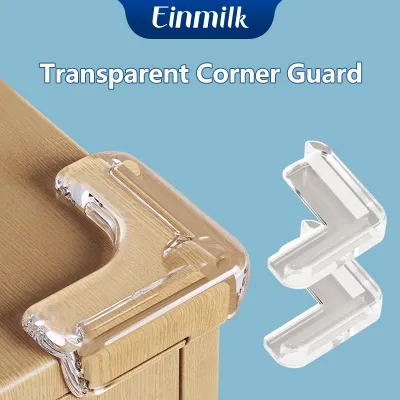
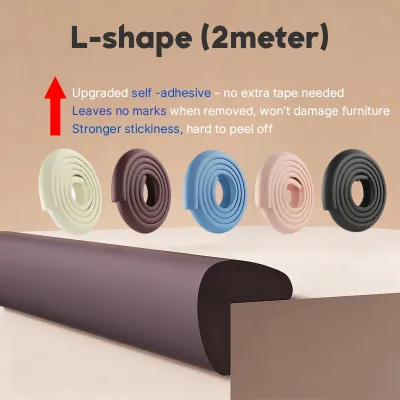
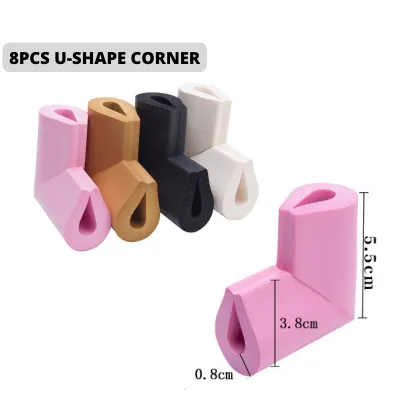
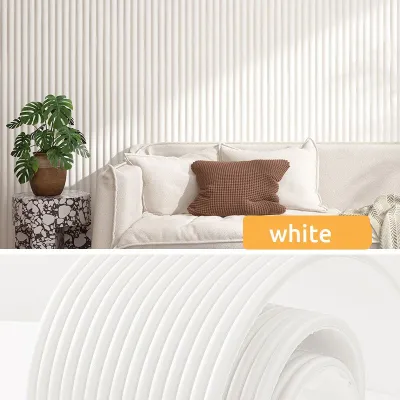
Prices are valid at publication and may change. Please refer to the product page for the latest price.
Adhesive type and furniture compatibility represent another vital consideration. The tape included with bumper protectors must create a strong bond to prevent curious hands from peeling it off, yet it should not damage the underlying furniture finish. For instance, highly aggressive adhesives can easily strip paint, varnish, or delicate wood veneers when removed. In humid climates, moisture in the air can compromise the adhesive backing, causing edges to curl or lift prematurely. It is wise to verify whether the manufacturer specifies compatibility with your particular furniture surface, whether it is treated wood, powder-coated metal, or tempered glass.
Thickness and shock absorption must be balanced against potential physical hazards. While thicker, high-density foam offers excellent cushioning against high-impact bumps, it can also be easier for a teething toddler to bite through. If a child manages to tear off a chunk of foam, it immediately becomes a severe choking hazard. Conversely, thinner silicone or PVC guards offer less impact cushioning but are highly durable and virtually impossible to bite apart. Caregivers must weigh these trade-offs based on their child’s current developmental stage, chewing habits, and the specific location of the furniture.
Finally, consider the visual impact and aesthetics of the guards. High-visibility, brightly colored, or contrasting bumpers can help toddlers visually identify sharp boundaries and avoid them altogether. However, many parents prefer transparent or color-matched designs that blend seamlessly with their home decor. While transparent PVC or silicone guards maintain adult aesthetics, they may not provide the same visual warning to a busy toddler. Choosing between these options requires balancing your aesthetic preferences with your child’s safety needs and behavioral patterns.
Matching Bumper Types to Specific Furniture Edges
The physical profile of an edge and the material of the furniture dictate the optimal bumper type. A flat, wide wooden edge requires a different protective approach than a thin, rounded metal rail or a delicate glass border. By understanding these material-specific demands, you can select a protector that offers maximum adhesion, durability, and impact protection without compromising the integrity of your household items.

Glass Tables and Coffee Tables
Glass coffee tables and dining tables present unique challenges due to their smooth, non-porous surfaces and high visibility. To maintain the clean, modern aesthetic of glass furniture, high-clarity silicone or transparent PVC bumpers are highly recommended. These materials blend discreetly with the glass, preventing the safety modifications from dominating the room’s visual design. Additionally, clear materials allow you to monitor the adhesive layer underneath for any signs of peeling or dirt accumulation, which can harbor bacteria over time.
Adhesive residue is a major concern on glass surfaces, but the material’s non-porous nature also makes it susceptible to damage if improper removal techniques are used. While glass is highly resistant to chemical solvents, applying excessive physical force or using metal scrapers to remove stubborn adhesive can scratch or stress the glass, potentially leading to fractures. When selecting bumpers for glass, look for products that utilize high-quality, residue-free acrylic adhesives that can be peeled away cleanly or dissolved safely with mild household agents.
Before purchasing, measure the thickness of your glass tabletop. Glass edges are often thin, meaning standard flat-strip bumpers may not have enough surface area to grip securely. For these edges, U-channel bumpers—which wrap around the top, side, and bottom of the glass edge—are highly effective. They provide a mechanical grip in addition to the adhesive bond, ensuring the protector remains firmly in place even when bumped by active toddlers.
Wooden Cabinets and Sharp Corners
Wooden furniture, such as TV consoles, cabinets, and dining tables, often features sharp right-angle corners that pose a high risk of injury. For these heavy, solid structures, high-density foam or thick silicone bumpers are the most suitable choices. These materials provide superior shock absorption, effectively dispersing the force of an impact if a toddler falls against a hard wooden edge. The substantial cushioning of foam is particularly beneficial for low-lying wooden corners that sit at a crawling or cruising baby’s head height.
However, protecting wooden furniture requires careful consideration of the finish. Strong adhesives can easily peel away delicate wood veneers, lacquer, paint, or varnish upon removal, leaving permanent damage. To safeguard your furniture, look for edge guards that specify the use of furniture-safe, removable tapes. It is also advisable to test a small piece of the adhesive on an inconspicuous area of the wood, such as the underside of a table leg, before applying it to highly visible surfaces.
The shape of the protector should match the specific hazard. For long, continuous edges like the sides of a bookshelf or cabinet, L-shaped foam strips provide comprehensive coverage. For isolated sharp points, such as the corners of a dining table, spherical corner balls or pre-molded corner guards are more appropriate. These pre-shaped corners eliminate the need to cut and fold straight strips, which often results in weak points where the adhesive can fail or where a baby can easily peel the bumper away.
Metal Bed Frames and Thin Edges
Metal bed frames, chair legs, and utility shelving often feature thin, narrow profiles with incredibly sharp edges. Securing bumpers to metal requires meticulous preparation because metal surfaces frequently retain oils, manufacturing residues, or household dust that prevents standard adhesives from bonding. Thoroughly degreasing the metal surface with rubbing alcohol and allowing it to dry completely is an essential first step before attempting to apply any protective guard.
Flat adhesive strips are generally ineffective on thin metal rails because the contact surface area is too small to support a strong bond. Instead, opt for wrap-around U-channel designs or highly flexible, narrow silicone strips. These profiles wrap around the thin metal edge, maximizing the contact area for the adhesive and utilizing the structural shape of the bumper to help hold it in place. Flexible silicone is particularly useful here, as it can conform to the rounded or irregular contours often found on metal frames.
Because metal surfaces offer very little natural friction, adhesives are more prone to sliding or displacing over time under constant pressure. Caregivers should establish a weekly routine to check metal-mounted bumpers for any signs of shifting or lifting. If a bumper begins to slide along a metal rail, it must be removed, the surface re-cleaned, and new adhesive applied to prevent the guard from failing when an impact occurs.
Installation and Removal Best Practices
Proper installation is just as important as choosing the right bumper type. To ensure a secure, long-lasting bond, start by thoroughly preparing the furniture surface. Clean the area with a mild soap solution or rubbing alcohol to remove dust, grease, fingerprints, and polish residue. Avoid using oil-based cleaners, as they leave a slick film that will prevent the adhesive from sticking. Ensure the surface is completely dry before applying the bumper, as any trapped moisture can weaken the adhesive and encourage mold growth, especially in humid environments.
Once the surface is prepared, apply the adhesive tape to the bumper or the furniture edge according to the manufacturer’s instructions. Press down firmly along the entire length of the guard for at least 30 seconds to activate the pressure-sensitive adhesive. After application, it is crucial to allow the adhesive to cure fully before allowing your baby near the furniture. Most adhesives require a curing period of 24 hours to reach their maximum bond strength. Restricting access during this window prevents the bumper from being pulled loose before the bond has fully set.
When the time comes to remove the edge guards, hasty pulling can damage your furniture’s finish. To remove them safely, apply mild heat from a hair dryer set to a low temperature to soften the adhesive. Gently peel the bumper back, applying heat continuously as you go. If any adhesive residue remains, test a mild solvent, such as vegetable oil or a dedicated adhesive remover, on a hidden area of the furniture first. Stop immediately if you notice any discoloration, softening, or peeling of the furniture’s paint or varnish, and consult a professional furniture restorer if necessary.
Safety Checks and Maintenance Routine
Baby bumper protectors are not permanent fixtures and require regular maintenance to remain safe and effective. Caregivers should perform a weekly visual and tactile inspection of all installed guards. Check for peeling edges, lifting corners, or a loss of elasticity in the material. Pay close attention to foam bumpers, looking for any signs of bite marks, tears, or missing chunks. If a toddler has managed to damage the bumper, it must be replaced immediately to eliminate the risk of choking on loose pieces.
Cleaning the bumpers regularly is also necessary to maintain hygiene, as they easily accumulate dust, spilled food, and drool. Wipe the guards down with a damp cloth and a mild, baby-safe detergent. Avoid using harsh chemical cleaners, bleach, or abrasive scrubs, as these substances can degrade the bumper material, making it brittle or sticky, and can break down the adhesive backing. Always dry the bumpers thoroughly after cleaning to prevent moisture from seeping underneath the edges.
Establish clear stopping conditions for when a bumper must be retired. If a guard can be easily peeled off by your child, if the material has become brittle, or if the adhesive has lost its grip, it no longer serves its protective purpose. Promptly remove the compromised bumper, clean the furniture surface thoroughly, and install a fresh protector. Regular maintenance ensures that your home remains a secure environment for your growing child.
Frequently Asked Questions (FAQ)
Are foam or silicone bumpers safer for babies?
Both materials offer distinct safety advantages, and the best choice depends on your specific needs. High-density foam provides superior shock absorption, making it excellent for heavy, blunt impacts against sharp wooden corners. However, foam is softer and easier for teething babies to bite and tear, which presents a serious choking hazard. Silicone is highly durable, bite-resistant, and easy to clean, making it a safer option for children who tend to chew on household objects. Caregivers must inspect the product packaging to verify non-toxic certifications and regularly check the condition of the bumpers, replacing them immediately if any damage is detected.
How do I remove bumper adhesive without damaging wood?
Removing adhesive from wooden furniture requires patience and a gentle approach to protect the finish. Before applying any removal method, consult the furniture manufacturer’s care instructions if available. Start by using a hair dryer on a low heat setting to warm and soften the adhesive, then slowly peel the tape away at a shallow angle. If residue remains, apply a small amount of mild vegetable oil or a specialized furniture-safe adhesive remover to a soft cloth, testing it first on an inconspicuous area of the wood. Avoid using abrasive scrapers, metal blades, or harsh chemical solvents like acetone, as these can permanently scratch, strip, or discolor the wood finish.

Community discussion
Share your experience or ask a question. Comments are reviewed before publication.