
Matching your baby bottle wash to the specific material of your feeding equipment is the most reliable way to ensure clean, residue-free bottles. There is no single brand or formula that universally outperforms all others across glass, plastic, and silicone. Because each material possesses distinct physical properties, a wash that cleans glass perfectly might leave a greasy film on silicone or fail to protect delicate plastic from premature wear. Finding the right product requires looking past marketing claims and analyzing how a formula’s chemical composition interacts with your specific bottle type.
To make an informed choice, you should follow a clear decision framework. First, identify the primary materials used in your bottles, teats, and pump parts. Next, check the bottle wash label for explicit compatibility with those materials. You must then verify the safety and rinsability of the ingredients, ensuring they align with your household standards. Finally, always cross-reference the wash instructions with the care guidelines provided by your bottle manufacturer.
Prioritizing products that explicitly state compatibility with your bottle materials helps prevent damage and ensures efficient cleaning. If a bottle wash label lacks clear material-specific guidance, it is best to contact the manufacturer directly or select an alternative product with transparent specifications. Choosing a formula tailored to your bottle type not only protects your investment but also ensures your infant’s feeding items are thoroughly sanitized.
Products mentioned in this guide
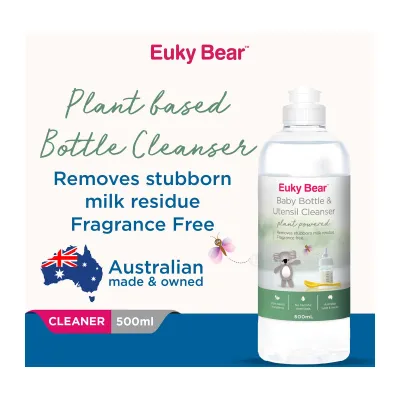
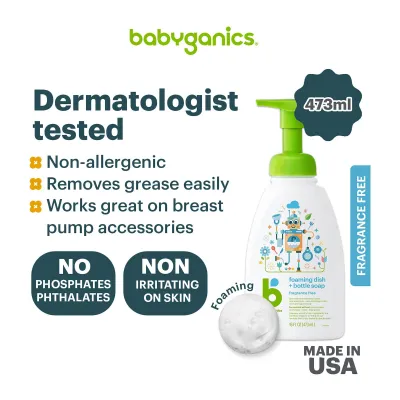
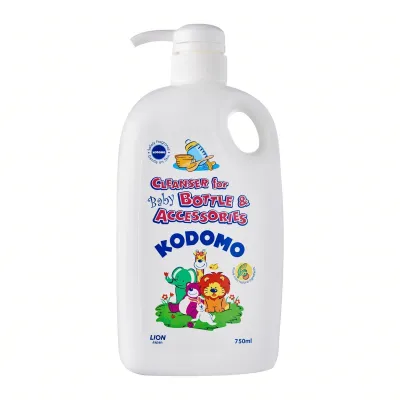
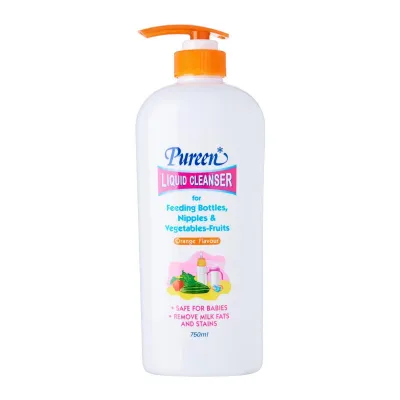
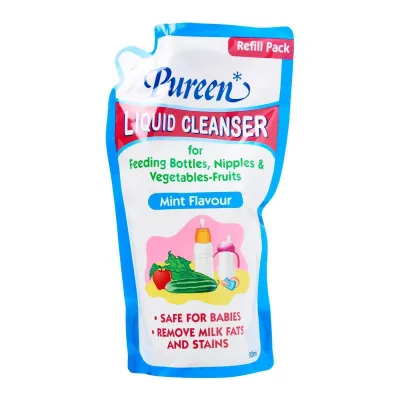
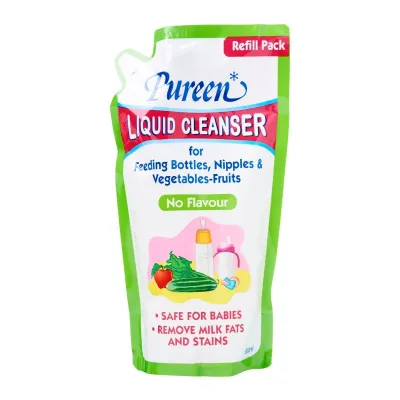
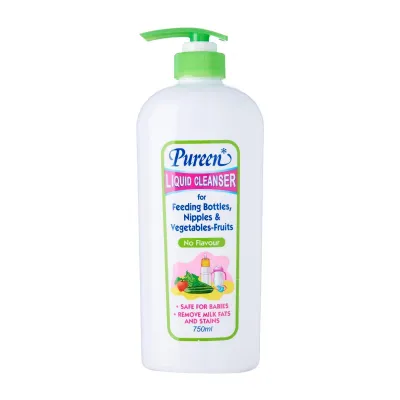
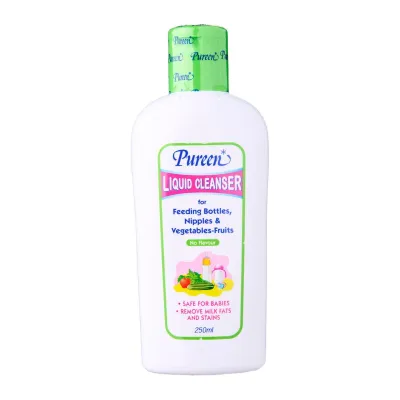
Prices are valid at publication and may change. Please refer to the product page for the latest price.
Understanding Material-Specific Cleaning Needs
To choose the most effective baby bottle wash, you must first understand how different bottle materials interact with milk residues and cleaning agents. Glass, plastic, and silicone each present unique physical and chemical characteristics that dictate how they should be washed and maintained.
Glass Bottles
Glass is highly valued for being non-porous and exceptionally heat-resistant. Because its surface is smooth and impermeable, glass does not easily absorb organic compounds, meaning it is naturally resistant to staining and odor retention. When cleaning glass bottles, the primary objective is preventing water spots and mineral buildup, which can occur when tap water minerals bind to the surface during drying. A suitable wash must rinse away completely without leaving a cloudy film, preserving the pristine transparency of the glass.
Plastic Bottles
Plastic bottles, typically made from polypropylene (PP), polyphenylene sulfone (PPSU), or polyethersulfone (PES), are lightweight and shatterproof, making them highly practical for daily use. However, plastic is relatively soft and prone to microscopic surface scratching over time, especially when subjected to abrasive brushes or harsh chemicals. These tiny scratches can trap milk fats, proteins, and moisture, creating a breeding ground for bacteria and stubborn odors. Cleaning plastic requires highly gentle, non-abrasive surfactants that lift residues without accelerating the physical degradation of the bottle’s inner surface.
Silicone Bottles and Components
Food-grade silicone is widely used for flexible bottle bodies, teats, and breast pump valves. While silicone is durable and heat-resistant, it is naturally hydrophobic and oleophilic, meaning it repels water but strongly attracts organic oils and fats. This chemical affinity causes milk lipids to cling tightly to silicone surfaces, often leaving a greasy, sticky film or a persistent sour milk smell if not properly emulsified. Cleaning silicone requires a wash with strong degreasing capabilities that can break down and lift these stubborn lipids without requiring harsh scrubbing that could tear the flexible material.
While these material characteristics are general, you must always cross-reference them with the specific care instructions provided by your bottle manufacturer. Formulations, surface treatments, and material grades can vary significantly between brands, and adhering to manufacturer guidelines is essential to preserve the structural integrity of your feeding equipment.
Key Ingredients and Formula Types to Look For
Evaluating the ingredient list of a baby bottle wash is crucial for ensuring both cleaning efficacy and infant safety. Understanding the role of different chemical components allows you to select a formula that aligns with your cleaning needs and household preferences.

Surfactants
Surfactants, or surface-active agents, are the core cleaning ingredients responsible for breaking down and lifting milk fats and proteins from bottle surfaces. Plant-derived surfactants, such as decyl glucoside, coco glucoside, and alkyl polyglucosides, are derived from natural sources like coconut or corn. These agents are generally mild, highly biodegradable, and gentle on the skin, making them a popular choice for parents prioritizing low-toxicity formulas. Synthetic surfactants can offer stronger degreasing action but may be more stripping. If your child has known skin sensitivities, or if you prefer specific ingredient profiles, always review the surfactant sources listed on the packaging.
Additives to Avoid
Many commercial dish soaps contain synthetic fragrances, artificial dyes, and strong chemical antibacterial agents to enhance appeal and shelf life. However, these additives are entirely unnecessary for cleaning infant feeding items and can leave microscopic chemical residues that are difficult to rinse away. Fragrances can also cling to porous materials like silicone, potentially altering the taste of expressed milk or formula and causing baby rejection. To minimize chemical exposure, look for formulas clearly labeled as “fragrance-free” and “dye-free.”
pH Balance
Baby bottle washes generally range from neutral (pH 7) to slightly alkaline or slightly acidic. Neutral to slightly alkaline formulas are highly effective at breaking down organic milk proteins and fats, while remaining gentle on hands and bottle materials. Extremely acidic or highly alkaline solutions can accelerate the aging of plastics and silicone, leading to premature cloudiness or brittleness. Always verify that the wash you select is formulated within a safe, balanced pH range suitable for delicate infant accessories.
Rinsability and Residues
An effective bottle wash must not only lift residues but also rinse away cleanly with minimal water. Many brands highlight claims such as “easy rinse” or “zero residue” on their packaging. While these claims indicate a formula designed to wash away cleanly, they do not replace the need for thorough manual rinsing. A clean rinse ensures that no active surfactant molecules remain on the bottle surface to mix with subsequent feeds. Prioritizing ingredient transparency allows you to make informed decisions based on physical evidence rather than marketing promises.
How to Evaluate and Compare Available Products
Selecting a baby bottle wash in Singapore involves comparing a variety of local and imported brands available in supermarkets, baby boutiques, and online marketplaces. To find the formula that best fits your household setup, use a structured evaluation process focused on verifiable product attributes.
Compatibility Verification
Before purchasing, scan the product packaging and official descriptions for explicit compatibility statements. Look for labels that specifically mention suitability for “glass,” “PP/PPSU plastics,” and “silicone.” Products that explicitly state compatibility with all three materials reduce the risk of accidental chemical damage, such as the clouding of PPSU or the degrading of silicone teats. If a brand does not clearly define its material compatibility, treat it with caution.
Ingredient Transparency and Safety
Prioritize brands that practice full ingredient disclosure. A reliable manufacturer will list every ingredient on the packaging or provide a comprehensive, easily accessible online database. Avoid products that use vague terms like “cleaning agents” or “proprietary surfactant blend” without further elaboration. Transparent labeling allows you to verify the absence of unwanted additives and ensures you know exactly what is coming into contact with your baby’s feeding equipment.
User Observations and Environmental Factors
When reading user feedback, focus on consistent observations regarding residue buildup, scent strength, and material compatibility. Keep in mind that individual experiences are highly influenced by environmental factors such as water hardness. In Singapore, the domestic tap water supply is generally soft, which typically aids in easy rinsing and prevents heavy mineral scaling. However, if you notice a white, cloudy film on your glass bottles despite using soft water, it may indicate that your bottle wash is reacting with milk proteins or that the rinse cycle is insufficient.
Price and Value Assessment
To assess the true cost-effectiveness of a bottle wash, look beyond the initial retail price. In Singapore, bottle washes are available across a broad price spectrum, generally ranging from S$8 to S$25 per bottle depending on the brand, volume, and concentration. Concentrated formulas often require dilution or only a single pump per wash basin, making them more economical over time than larger, highly diluted liquid washes. Check the manufacturer’s usage instructions to calculate the average cost per wash, helping you find a balance between performance and long-term household budget constraints.
Decision Framework
To guide your final selection, consider which of the following scenarios best matches your household needs:
- For Gentle Cleaning and Minimal Residue: Choose a formula featuring plant-derived surfactants, zero synthetic fragrances, and explicit compatibility with silicone and plastic. This is ideal if you primarily use silicone teats and PPSU bottles.
- For High-Frequency Washing and Water Efficiency: Opt for a highly concentrated, easy-rinse formula. This helps minimize water usage during the rinsing phase, which is highly practical for busy households managing multiple daily feeds.
- For Older Bottles or Mixed Materials: If you are transitioning to a new wash brand or cleaning older, slightly worn plastic bottles, purchase a small trial-size bottle first. This allows you to monitor how the formula performs on your specific items before committing to a bulk purchase.
- When to Avoid: If a product lacks transparent ingredient disclosure, does not specify material compatibility, or leaves a persistent perfume scent, select an alternative with clear, verifiable specifications.
Step-by-Step Cleaning and Maintenance Guide
Establishing a consistent, safe cleaning routine is essential for maintaining the hygiene and longevity of your baby bottles. Proper technique ensures that your chosen bottle wash performs optimally without damaging delicate components.
General Cleaning Procedure
- Disassemble: Completely separate all bottle components, including teats, collars, travel caps, and any internal valves or anti-colic vents. This prevents milk residues from getting trapped in joints and crevices.
- Pre-Rinse: Rinse all parts under cool, running tap water immediately after feeding. Cool water helps loosen and flush away milk proteins, preventing them from coagulating and sticking to the surfaces when exposed to warm water.
- Wash: Prepare a clean basin with warm water and add the baby bottle wash according to the manufacturer's recommended dilution ratio. Submerge the parts and scrub thoroughly using material-appropriate brushes. Use a soft-bristled brush for silicone and plastic to avoid scratching, and a standard bottle brush for glass.
- Rinse: Rinse every component thoroughly under clean, running water to ensure all loosened residues and surfactant molecules are completely flushed away.
- Dry: Place all parts on a clean, dedicated drying rack in a well-ventilated area. In Singapore's highly humid climate, ensuring rapid and complete drying is critical to prevent the growth of mold and opportunistic bacteria on damp surfaces.
Material-Specific Maintenance Tips
- Glass: Glass bottles can generally withstand higher water temperatures during washing and sterilization. However, you must inspect them regularly for microscopic chips, hairline cracks, or structural flaws, especially around the rim, and discard them immediately if any damage is found.
- Plastic: Avoid exposing plastic bottles to boiling water or high-heat drying cycles unless the manufacturer's label explicitly permits it, as excessive heat can accelerate plastic degradation. Never use abrasive scouring pads or stiff nylon brushes, which scratch plastic and create pockets where bacteria can hide.
- Silicone: Silicone parts require gentle handling. When washing teats and valves, squeeze warm soapy water through the openings rather than forcing a brush through them, which can stretch or tear the material. After drying, check silicone components for a greasy touch; if a oily film remains, re-wash with a fresh soapy solution to fully emulsify the residual milk lipids.
Safety Boundaries and Replacement
Stop using any bottle or component that shows clear signs of wear, such as permanent cloudiness, deep scratches, warping, loss of flexibility, or persistent sour odors that do not resolve after thorough washing. Never use harsh household chemicals, bleach, or standard industrial dishwashing detergents on infant items unless explicitly approved by the bottle manufacturer. Always prioritize the specific care and sterilization instructions provided by both the bottle and wash manufacturers to ensure the highest standards of safety and product longevity.
Frequently Asked Questions (FAQ)
Can I use regular dish soap for baby bottles?
Regular household dish soaps are generally formulated to tackle heavy grease on adult cookware and often contain strong synthetic surfactants, artificial dyes, and intense fragrances. While they can physically clean baby bottles, these strong ingredients are highly prone to leaving microscopic chemical residues that are difficult to rinse off completely, especially from porous materials like silicone. Furthermore, residual fragrances can linger on bottle teats, which may alter the smell and taste of milk and lead to infant feeding refusal. If you must use regular dish soap, verify that the product label explicitly states it is safe for baby bottles and infant feeding accessories, and rinse every component exceptionally thoroughly under running water. If the packaging lacks this safety assurance, it is best to stick to dedicated baby bottle washes designed for infant items.
How often should I replace plastic and silicone bottles?
There is no fixed calendar timeline for replacing baby bottles, as wear depends entirely on usage frequency, cleaning methods, and material type. Instead of relying on a set number of months, you should inspect all bottles and accessories daily during the washing process. Look closely for signs of physical degradation, such as deep scratches, persistent cloudiness, warping, discoloration, or a loss of flexibility in silicone teats. Damaged, scratched, or degraded surfaces can harbor bacteria and milk residues that standard cleaning cannot reach, posing a hygiene risk. Always follow the specific replacement guidelines provided by your bottle manufacturer, and discard any item immediately if it shows significant signs of wear, regardless of how long you have owned it.
Is it safe to use antibacterial baby bottle wash?
For routine, daily infant feeding care, specialized antibacterial baby bottle washes are generally unnecessary. Standard mechanical cleaning with a mild bottle wash and warm water, followed by thorough rinsing and proper drying, is highly effective at removing milk residues and common pathogens. Antibacterial formulas often incorporate additional active chemical agents that can leave residues on feeding components, adding unnecessary chemical exposure for your infant. Unless a qualified healthcare professional specifically recommends using an antibacterial wash for a distinct medical reason, it is generally safer to avoid them. Focus instead on thorough mechanical cleaning, complete drying, and following standard sterilization procedures as recommended by your pediatrician or bottle manufacturer.

Community discussion
Share your experience or ask a question. Comments are reviewed before publication.