
When preparing for a new arrival, choosing the right baby bag is one of the most critical gear decisions you will make. This single piece of equipment serves as your mobile parenting headquarters, holding everything from diapers and changes of clothes to feeding bottles, soothing toys, and your own personal essentials. In Singapore, where active parenting often involves navigating bustling urban spaces, warm tropical weather, and highly efficient public transport, finding the perfect balance between quality, features, and price is essential.
The ideal choice is highly conditional, depending on your budget, daily transit habits, and the volume of gear you need to carry. The market is broadly divided into three tiers: premium designer options that prioritize style and longevity, mid-range functional bags engineered specifically for heavy-duty parenting utility, and budget-friendly models suited for minimalists or short-term use. By evaluating how you travel, who will carry the bag, and how long you plan to use it, you can select a brand tier that fits your lifestyle without overspending.
How to Define Your Baby Bag Needs Before Comparing Brands
Before diving into specific brand comparisons, it is crucial to analyze your personal routine and environment. The way you move through Singapore directly dictates the physical structure of the bag you should buy. Parents who rely heavily on public transport, such as the MRT and public buses, generally benefit from ergonomic backpacks or sleek crossbody bags. These styles keep your hands completely free to maneuver strollers, hold handrails, or carry your child. Conversely, if you primarily travel by car or private hire vehicles, you might prefer a spacious, unstructured tote bag that can be easily tossed onto a seat or left in the boot.
Products mentioned in this guide
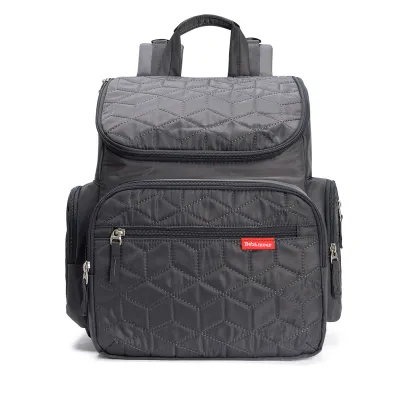
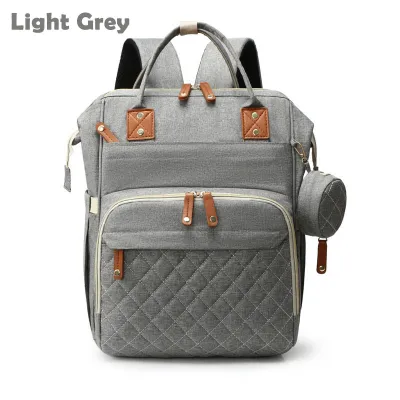
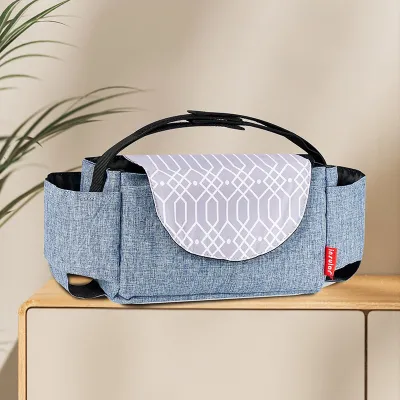
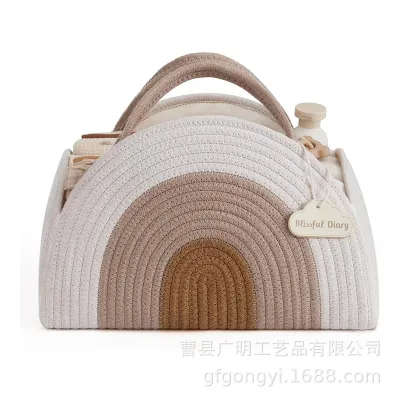
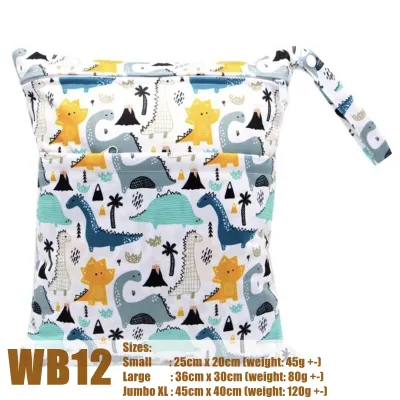
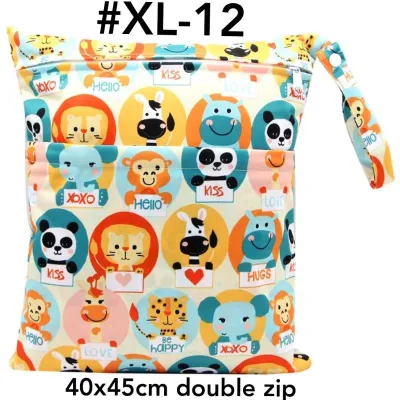
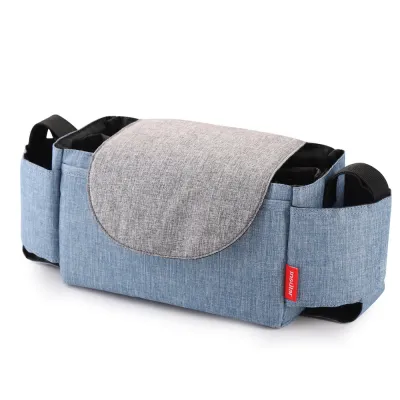
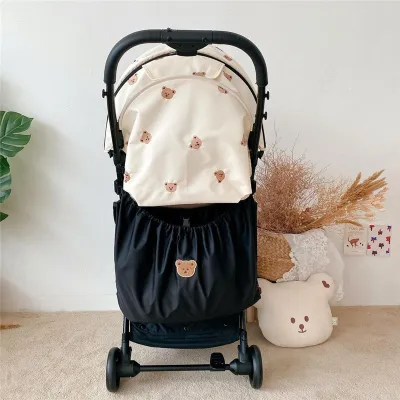
Prices are valid at publication and may change. Please refer to the product page for the latest price.
Singapore’s tropical climate is another major factor that should influence your choice of materials. With high relative humidity and sudden, heavy monsoon downpours, a bag made of delicate, non-treated fabrics can quickly become a liability. Look for materials that are water-resistant, easy to wipe clean, and breathable. Fabrics that trap moisture can develop mold, mildew, or unpleasant odors in humid conditions, which can compromise the hygiene of your baby’s clean clothes and feeding accessories.
Caregiver sharing is another practical consideration that many parents overlook. If both parents or multiple caregivers will be taking turns carrying the bag, selecting a gender-neutral style with highly adjustable straps is a wise decision. A bag that is too small for a taller partner or styled in a way that one caregiver feels uncomfortable carrying will ultimately limit its utility. Opting for neutral tones like charcoal, navy, olive, or black ensures that anyone can carry the bag comfortably and confidently.
Finally, consider the expected duration of use. The newborn phase demands an incredibly high capacity to accommodate multiple changes of clothes, swaddles, feeding gear, and diapering supplies. As your child transitions into the toddler years, the volume of gear decreases, shifting toward snacks, water bottles, and small toys. Planning ahead allows you to decide whether to invest in a highly structured, large-capacity bag that lasts through infancy, or a smaller, more versatile style that transitions smoothly into the toddler years and beyond.
Comparing Baby Bag Brands by Price Tier and Positioning
To help you navigate the market, it is helpful to look at how baby bags are positioned across different price points in Singapore. Each tier offers a distinct set of advantages and compromises, allowing you to align your purchase with your financial comfort level and functional expectations.

Premium and Designer Brands
Premium and designer baby bags typically occupy the highest price bracket in Singapore, generally ranging from S$250 to S$500 or more. These brands focus heavily on sophisticated aesthetics, utilizing premium materials such as top-grain genuine leather, high-grade vegan polyurethane (PU) leather, and luxury water-resistant nylons. The hardware on these bags is often custom-engineered, featuring rust-resistant metals, heavy-duty magnetic clasps, and reinforced stitching that mimics high-end fashion handbags.
While these bags excel in style and can easily double as professional work totes or travel bags, they do come with notable trade-offs. Genuine leather and dense vegan leather are inherently heavier than technical fabrics, meaning the bag has a substantial base weight even before you pack a single diaper. Additionally, premium materials often require specialized care; high humidity can cause lower-quality vegan leathers to peel, while genuine leather demands regular conditioning to prevent mold in Singapore’s damp climate. Furthermore, some designer options sacrifice specialized parenting features—such as insulated bottle compartments or dedicated wet-dry pockets—in favor of a cleaner, more streamlined exterior.
This tier is ideal for parents who prioritize personal style, work in professional environments where a standard diaper backpack might feel out of place, or want a high-quality bag that will transition seamlessly into a regular handbag once their child outgrows the diaper phase.
Mid-Range and Dedicated Functional Brands
Mid-range, dedicated functional brands usually sit within the S$100 to S$250 price range. These brands are engineered specifically for the rigors of parenting, offering what many consider the sweet spot for value, durability, and organization. Instead of luxury fashion, these manufacturers focus on high-performance technical fabrics, such as ballistic nylon, lightweight ripstop polyester, and Teflon-coated materials that actively repel stains and liquids.
In this category, you will find highly specialized features designed to make daily outings smoother. These include built-in, padded changing mats that fold out seamlessly, insulated bottle pockets designed to maintain the temperature of milk or warm water, and dedicated, integrated stroller straps. The structural design of these bags is highly focused on weight distribution, featuring wide, padded shoulder straps and breathable mesh back panels to keep you cool during outdoor walks.
Because these brands are built for heavy-duty use, they often feature robust warranties and excellent structural reinforcement at common failure points, such as strap joints and zipper tracks. This tier is perfect for active parents who need a reliable, highly organized “workhorse” bag for long days out, frequent travel, and daily commutes.
Budget-Friendly and Everyday Brands
Budget-friendly brands and everyday options are typically priced under S$100 and are widely available on general e-commerce platforms, online marketplaces, and major retail chains. These bags focus on providing basic carrying capacity and simple designs without the added cost of premium branding or advanced technical materials. They are often incredibly lightweight because they use thinner polyester or canvas fabrics.
While budget bags are highly accessible, they do require careful inspection before purchase. To keep manufacturing costs low, these bags often feature thinner shoulder padding, lighter-weight plastic zippers that are prone to splitting under tension, and fewer interior compartments. The lack of an internal structural frame or base board means these bags may collapse or tip over when placed on a flat surface, making it difficult to find items quickly with one hand.
This tier is best suited for minimalist parents who do not carry a large volume of gear, families looking for a secondary bag to keep permanently in the car, or those who prefer a modular approach—such as placing a multi-pocket diaper caddy insert inside a standard backpack they already own.
Key Quality and Feature Dimensions to Evaluate Across Any Baby Bag Brand
Regardless of the brand or price tier you choose, evaluating several critical quality dimensions will ensure you invest in a bag that stands up to daily wear and tear.
Material and Durability
When assessing a bag, look closely at the fabric specifications. High-quality nylon (such as 500D or 1000D Cordura) and heavy-duty polyester offer excellent tear resistance and longevity. Check whether the water-resistance is achieved through a temporary surface spray coating or if the fabric itself is inherently water-repellent. Always verify the manufacturer’s care labels; some bags can be machine-washed on a gentle cycle, while others are strictly spot-clean only. Choosing a material that matches your willingness to maintain it is key to preventing premature wear.
Ergonomics and Comfort
Carrying a fully loaded baby bag can easily add 3 to 5 kilograms of weight to your shoulders. To protect your back and neck, look for wide, S-shaped shoulder straps with thick, breathable padding. A sternum strap or chest clip is incredibly helpful for backpack styles, as it distributes the load across your chest and prevents the straps from slipping off your shoulders when you bend down to tend to your baby. For hot days, a ventilated mesh back panel is essential to facilitate airflow and minimize perspiration.
Organization and Accessibility
When a baby is crying, every second counts. A bag with a wide-opening main compartment—often referred to as a clamshell or doctor-bag opening—allows you to see the entire contents of your bag at a glance. Avoid deep, narrow bags that turn into dark tunnels, forcing you to rummage blindly for items at the bottom. Look for dedicated wet-dry compartments to isolate soiled clothes, elasticized interior pockets to keep diapers upright, and a secure parent pocket on the exterior to keep your keys, phone, and wallet separate from baby gear.
Hardware and Zippers
Zippers are the most common failure point on any bag. Inspect the zipper teeth and pulls; high-quality nylon coil or metal zippers (such as those from reputable manufacturers like YKK) slide smoothly without catching and resist splitting when the bag is packed tightly. Metal clasps, carabiners, and D-rings are far more durable than thin plastic alternatives, which can crack under pressure or when exposed to high heat. Reading user reviews that specifically mention long-term zipper performance can provide valuable real-world insight before you buy.
Decision Framework: Which Brand Tier Fits Your Daily Routine?
To finalize your decision, match your lifestyle, transit habits, and budget to the most suitable brand tier using this practical framework:
- Choose a Premium/Designer Brand if:
- You want a sophisticated, stylish aesthetic that transitions seamlessly from parenting duties to professional or social settings.
- You view the purchase as a long-term investment and plan to use the bag as a regular travel or work tote after your child outgrows diapers.
- You are comfortable performing regular material maintenance and do not mind a slightly heavier base bag weight.
- Choose a Mid-Range Functional Brand if:
- You rely heavily on public transport, walk frequently outdoors, and require a highly ergonomic backpack that distributes weight effectively.
- You value specialized parenting features like insulated bottle pockets, integrated stroller straps, and a fold-out changing mat.
- You want a durable, stain-resistant, and water-repellent bag that can withstand daily heavy-duty use and occasional machine washing.
- Choose a Budget-Friendly Brand if:
- You are on a strict budget or only need a bag for short, infrequent trips around your neighborhood.
- You prefer a minimalist lifestyle and plan to use a modular diaper insert inside an existing backpack or tote.
- You want an ultra-lightweight bag and do not require advanced organizational compartments or heavy-duty structural support.
Important Safety and Authenticity Check: If you decide to purchase a baby bag from third-party sellers on online marketplaces or e-commerce platforms, always exercise caution. Verify that you are buying from an authorized retailer or the official brand store. Counterfeit or unbranded bags may look identical to premium or mid-range models, but they often utilize substandard materials. These can include weak stitching that risks sudden strap failure, or materials that have not been verified as free from harmful substances like lead, phthalates, or toxic dyes. Always check the manufacturer’s official documentation and product safety labels to ensure the bag is safe for contact with baby items.
Additionally, when using stroller straps to attach a baby bag to a stroller, always consult your stroller manufacturer’s user manual first. Hanging a heavy bag on the handlebar can alter the stroller’s center of gravity, risking a dangerous tip-over hazard when you lift your child out of the seat. Never exceed the manufacturer’s recommended weight limits for the handlebar or stroller frame.
Frequently Asked Questions (FAQ)
Do I really need a specialized baby bag, or can I use a regular backpack?
While a standard backpack can certainly hold baby items, dedicated baby bags offer distinct advantages that make daily outings much smoother. Specialized bags feature water-resistant, easy-to-wipe interior linings that contain spills, along with insulated pockets designed to maintain the temperature of milk or warm water. They also include dedicated compartments for quick access to diapers and wipes, and integrated stroller attachments.
If you prefer to use a regular backpack, you can purchase a removable diaper caddy insert. This modular insert provides the necessary organizational pockets and can be easily transferred between different bags. However, ensure the regular backpack you use has comfortable, padded straps, as standard fashion backpacks often lack the ergonomic support required to carry heavy baby gear for extended periods.
What is the best baby bag style for taking the MRT in Singapore?
For navigating crowded public transit like the MRT or public buses, a backpack-style baby bag is highly recommended. A backpack keeps your weight centered, distributes the load evenly across both shoulders, and prevents the bag from sliding down your arm when you are holding handrails or boarding a train.
Crucially, a backpack keeps both of your hands completely free to manage a stroller, carry your baby in a carrier, or tap your transit card at the gantries. Backpacks also tend to have a narrower profile than large shoulder totes, making it much easier to move through crowded train carriages and narrow bus aisles without accidentally bumping into other passengers.

Community discussion
Share your experience or ask a question. Comments are reviewed before publication.