
Diaper rash is an almost universal challenge for parents, particularly in Singapore’s hot and humid tropical climate. The constant combination of heat, moisture, and friction inside a diaper can quickly lead to skin irritation, redness, and discomfort for a baby. When searching for a solution, Bepanthen is frequently recommended by healthcare professionals and fellow parents alike. However, store shelves are also filled with traditional zinc oxide pastes, petroleum jellies, and botanical creams, leaving many caregivers wondering which product is truly best for their child’s specific needs.
To make an informed decision, it is essential to understand that there is no single “perfect” diaper cream for every situation. Bepanthen, which relies on dexpanthenol as its primary active ingredient, excels at supporting the skin’s natural healing process and soothing mild to moderate irritation. On the other hand, traditional zinc oxide-based creams are designed to create a heavy-duty physical barrier that blocks moisture and irritants from reaching the skin. Choosing between them requires matching the properties of the cream to the current state of your baby’s skin, whether you are focusing on daily prevention, treating an active mild rash, or managing severely compromised skin.
Core Ingredients Compared: Dexpanthenol vs Zinc Oxide
To understand how different diaper rash creams perform, you must look closely at their active ingredients. Bepanthen Ointment relies on dexpanthenol, also known as Provitamin B5, as its key functional component. When applied to the skin, dexpanthenol is absorbed and converted into pantothenic acid, a crucial element in the body’s natural cellular metabolism. This process actively supports skin regeneration, accelerates the healing of micro-tears, and helps maintain optimal hydration levels from within. Rather than simply sitting on top of the skin, dexpanthenol works dynamically to strengthen the cutaneous barrier, making it highly effective for repairing irritated or chafed skin.
Products mentioned in this guide
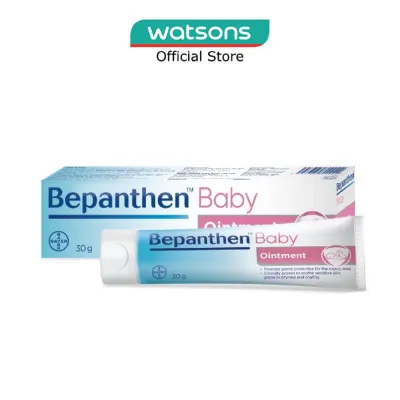
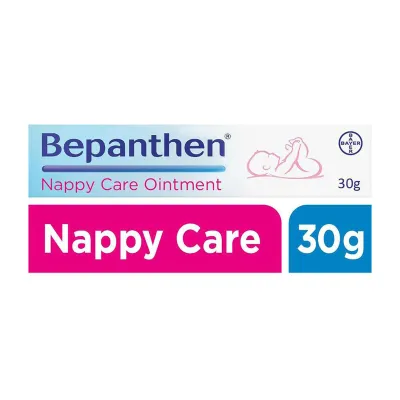
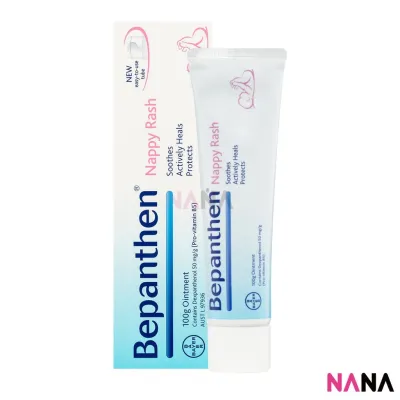
![[Bundle of 2] Bepanthen Baby Triple Action Nappy Care Ointment Exp Oct 2027](https://img.lazcdn.com/g/p/b768c145249ef25a000967475c87ff50.jpg_400x400q80.jpg_.webp)
Prices are valid at publication and may change. Please refer to the product page for the latest price.
In contrast, zinc oxide is the gold standard ingredient for traditional barrier creams. Zinc oxide is a mineral compound that does not absorb into the skin; instead, it sits on the surface to form a thick, opaque, and waterproof shield. This physical barrier is highly effective at blocking external irritants, such as moisture, friction, and the harsh digestive enzymes present in urine and feces. By isolating the skin from these external triggers, zinc oxide allows the underlying tissue to rest and recover without constant exposure to wetness.
Other common bases found in popular diapering products include petroleum jelly (petrolatum) and natural plant oils, such as calendula, chamomile, or shea butter. Petroleum jelly acts as a pure occlusive agent, trapping existing moisture in the skin and preventing external wetness from penetrating, though it lacks active healing properties. Plant-based ingredients are often included in organic or natural formulations to provide mild anti-inflammatory and soothing benefits, making them popular for parents who prefer to avoid synthetic chemicals or mineral oils.
When choosing a product, parents should always read the active ingredient list on the packaging to understand the cream’s primary function. If the label lists a high percentage of zinc oxide (often ranging from 10% to 40%), the product is designed primarily to block moisture and protect highly irritated skin. If the product features dexpanthenol or panthenol near the top of the ingredient list, its main purpose is to hydrate, soothe, and actively repair a compromised skin barrier. Knowing this distinction allows you to select a product based on functional performance rather than marketing claims.
Texture, Application, and Daily Usability
The physical characteristics of a diaper cream significantly impact your daily diapering routine, especially when performing multiple changes throughout the day and night. Bepanthen Ointment features a translucent, slightly greasy, and smooth texture. Because it is formulated as an ointment, it spreads easily across sensitive skin without requiring heavy pressure during application. It melts slightly upon contact with body heat, leaving a breathable, semi-occlusive layer. However, because of its oily nature, caregivers should apply it sparingly to prevent it from transferring onto or staining light-colored baby clothing and cloth diapers.

Thick zinc oxide pastes present a very different user experience. These products are dense, highly opaque, and white, providing immediate and visible coverage over the diaper area. While this thick consistency is excellent for staying in place over long periods, it can be difficult to spread evenly over already sore or tender skin. Additionally, zinc oxide pastes do not wash away easily with water alone, often leaving a stubborn, chalky white residue on both the baby’s skin and the caregiver’s fingers after application.
Lightweight diaper lotions and creams offer a third texture profile, absorbing rapidly into the skin without leaving a heavy residue. While these are incredibly easy to apply and clean up, they generally offer much lower barrier protection against heavy wetness. In a humid environment like Singapore, where babies sweat easily under their diapers, lightweight lotions may wash away too quickly to provide sustained protection during long sleep intervals or heavy wetting episodes.
To clean up stubborn zinc oxide paste or heavy ointment residues without hurting your baby, avoid aggressive scrubbing, which can strip the delicate outer layer of the skin. Instead, use a soft cotton pad or a warm, damp washcloth saturated with a few drops of a gentle, baby-safe oil, such as mineral oil or sweet almond oil. The oil will naturally dissolve the stubborn cream, allowing you to wipe it away smoothly and gently. Always ensure the diaper area is completely dry before applying a fresh layer of any cream, as trapping residual moisture beneath a barrier can worsen skin irritation.
Prevention vs Treatment: Matching the Product to the Need
Selecting the right diapering product depends heavily on whether you are trying to prevent irritation from occurring or treating an active, inflamed rash. For daily prevention, the primary goal is to minimize friction between the diaper and the skin while keeping excess moisture at bay. Lightweight barrier ointments, simple petroleum-based products, or a very thin layer of Bepanthen work exceptionally well for routine diaper changes. These options keep the skin soft, supple, and lubricated without creating a heavy buildup of paste that can clog diaper fibers or irritate the skin over time.
When a mild to moderate rash develops—characterized by localized redness, dry patches, or slight chafing—the focus must shift from pure prevention to active skin repair. This is the ideal scenario for introducing a healing agent like dexpanthenol. Applying Bepanthen during these early signs of irritation helps stimulate cell growth and restores the damaged skin barrier quickly, often resolving the redness within a day or two. During this stage, keeping the baby in a highly breathable diaper and allowing brief periods of diaper-free air time can also significantly accelerate recovery.
If the diaper rash becomes severe, weeping, or raw, a high-concentration zinc oxide paste becomes necessary. In this state, the baby’s natural skin barrier is severely compromised, and any contact with urine or feces will cause intense pain and further damage. A thick layer of zinc oxide paste acts as an artificial shield, completely isolating the raw skin from external fluids. During these severe episodes, the paste should be applied thickly, like frosting on a cake, so that feces can be wiped off the top of the paste layer without directly touching or rubbing the inflamed skin underneath.
Parents must also recognize the safety boundaries of home care and know when to stop using over-the-counter treatments. If the rash does not show signs of improvement after two to three days of consistent care, or if it develops bright red spots, pimples, blisters, peeling edges, or spreads into the deep folds of the groin, it may indicate a fungal (yeast) or bacterial infection. Fungal infections thrive in warm, moist diaper environments and cannot be cured by standard barrier creams or healing ointments. In such cases, or if your baby develops a fever or appears to be in extreme discomfort, you should stop using over-the-counter creams immediately and consult a pediatrician for a proper diagnosis and targeted prescription treatment.
Safety, Sensitivities, and Label Checking
Before applying any new product to your baby’s skin, it is vital to verify its safety profile and check for potential allergens. The skin of a newborn or infant is significantly thinner and more permeable than adult skin, making it highly susceptible to absorbing chemicals and experiencing contact dermatitis. Fragrances, artificial colorants, and harsh preservatives are the most common causes of skin sensitization in infants. Parents should look for products labeled as fragrance-free, rather than simply “scented with natural oils,” as even botanical fragrances can trigger allergic reactions on broken skin.
While Bepanthen is widely tolerated, caregivers of babies with highly sensitive or eczema-prone skin should still carefully review the ingredient list. For instance, Bepanthen Ointment contains lanolin (wool fat), which serves as an excellent natural emollient and moisture barrier. While lanolin is highly effective for most infants, a small percentage of babies with pre-existing skin conditions or specific allergies may be sensitive to wool derivatives. Additionally, some alternative diaper creams contain herbal extracts like calendula, chamomile, or tea tree oil; while these can offer soothing properties, they can occasionally cause contact allergies in highly reactive individuals.
To ensure maximum safety, always verify the manufacturer’s age recommendations on the product label before the first use. When introducing any new diaper cream or ointment, perform a simple patch test to check for sensitivities. Apply a pea-sized amount of the product to a small, healthy patch of skin on your baby’s inner thigh or arm, and monitor the area for 24 hours. If any redness, swelling, or tiny bumps appear, discontinue use immediately and select an alternative formulation.
It is important to remember that marketing terms such as “hypoallergenic,” “pediatrician-tested,” or “all-natural” are not absolute guarantees of safety. These labels are often used for promotional purposes and are not regulated under uniform global standards. The most reliable way to protect your baby’s skin is to read the actual ingredient list, avoid products with long lists of synthetic additives, and seek professional medical guidance if your baby has a history of severe eczema or reactive skin.
Decision Framework: Which Cream Should You Choose?
To help you finalize your purchase and select the most appropriate product for your baby’s current skin condition, use this practical decision framework based on specific skin needs and diapering scenarios:
- Choose Bepanthen (Dexpanthenol) if: You are looking for a versatile, easy-to-spread ointment for daily diapering, mild redness, or early signs of chafing. It is highly suitable if you prefer a translucent formula that absorbs well, supports active skin cell regeneration, and does not leave a heavy, stubborn white residue on your baby's skin or your clothing. It is also an excellent multi-purpose option for soothing minor dry patches, scratches, or nipple soreness for breastfeeding mothers.
- Choose a Zinc Oxide Paste if: Your baby is currently experiencing a moderate to severe, bright red diaper rash, or if you need a heavy-duty physical barrier for overnight use. This option is highly recommended if your baby is teething, experiencing frequent loose stools, or during periods when diaper changes cannot be performed immediately, as the thick mineral layer provides maximum isolation from moisture and digestive enzymes.
- Choose a Petroleum-Based Ointment if: You want a highly economical, simple, and straightforward daily preventative barrier that contains no active medications, fragrances, or complex botanical extracts. This is ideal for routine diaper changes on healthy, non-irritated skin to maintain hydration and protect against friction.
- Verify First if: The diaper rash appears in the deep skin folds, presents with raised red bumps or satellite spots, starts weeping fluid, or does not improve after 48 hours of diligent home care. In these situations, the rash may be fungal or bacterial, meaning standard over-the-counter creams will not be effective. You should consult a healthcare professional or pediatrician for a targeted treatment plan before purchasing or applying any further products.
Frequently Asked Questions (FAQ)
Can I use Bepanthen on a newborn from day one?
Yes, many dexpanthenol-based ointments like Bepanthen are formulated to be gentle enough for newborn skin. However, you should always check the specific product packaging for the manufacturer’s age guidelines and ingredient list to ensure there are no added fragrances or preservatives. For premature infants or newborns with extremely sensitive skin or pre-existing medical conditions, it is highly recommended to consult your pediatrician before introducing any new topical products to ensure their skin barrier is mature enough to tolerate the formulation.
Do I need to wipe off all the diaper rash cream during every change?
No, you do not need to aggressively scrub away clean, intact diaper cream during every single diaper change. Doing so can cause unnecessary friction and damage the delicate, healing skin layers underneath. If the previous layer of cream is clean, free of stool, and still fully intact, simply wipe away any soiled top layers gently with a damp cloth or wipe. You can then apply a fresh, thin layer of cream directly over the clean remaining base to maintain continuous barrier protection.
Can I mix Bepanthen with a zinc oxide cream?
While you should not physically mix the two creams together in a single container—as this can alter their chemical stability, preservative systems, and overall efficacy—you can use a layering technique. If your baby has a mild rash that also requires heavy moisture protection, you can first apply a thin layer of Bepanthen to support skin healing, allow it to absorb for a few moments, and then apply a layer of zinc oxide paste on top to act as a physical shield. Always consult your pediatrician before combining active treatments to ensure it is appropriate for your baby’s skin.

Community discussion
Share your experience or ask a question. Comments are reviewed before publication.