
Quick Answer: Which Bepanthen to Choose?
Diaper rash is an incredibly common challenge for parents, particularly in Singapore’s warm, tropical climate where high humidity and heat can quickly compromise a baby’s delicate skin barrier. Bepanthen is a highly trusted name in pediatric skin care, offering several distinct formulations designed to protect, hydrate, or soothe. Choosing the correct variant depends entirely on your baby’s current skin condition, the severity of the irritation, and whether you are aiming to prevent a rash or treat an active flare-up.
To make an immediate decision, you can use this simple framework to match the product to your baby’s observable skin symptoms:
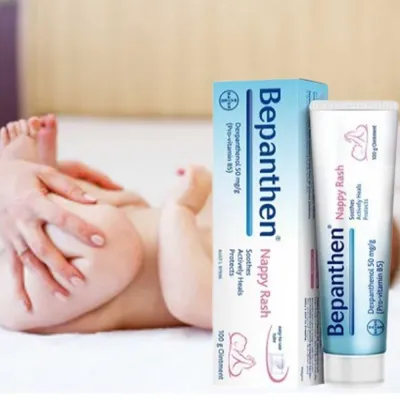
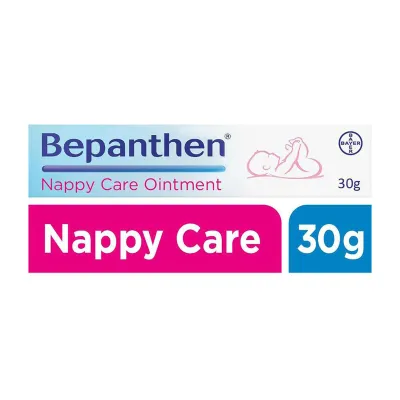
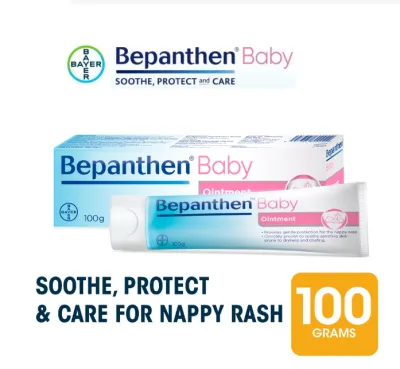
- Choose Bepanthen Ointment (Nappy Care) if your primary goal is daily prevention, overnight protection, or creating a thick, breathable barrier that shields the skin from wetness, urine, stool, and diaper friction.
- Choose Bepanthen Cream if you need a lightweight, fast-absorbing moisturizer to address mild dryness, rough patches, or for daytime hydration under highly breathable diapers.
- Choose Bepanthen Sensiderm if your baby has active redness, localized inflammation, itching, or eczema-prone patches that require targeted, cortisone-free soothing and skin barrier repair.
Important Medical Disclaimer: None of these over-the-counter Bepanthen variants should be applied to open wounds, bleeding skin, weeping blisters, or suspected fungal or bacterial infections. If you notice severe symptoms, such as bright red satellite lesions, pus, or if your baby has a fever, stop use immediately and consult a pediatrician or qualified healthcare professional for a proper diagnosis and prescription treatment.
Products mentioned in this guide

![[Bundle of 2] Bepanthen Baby Triple Action Nappy Care Ointment Exp Oct 2027](https://img.lazcdn.com/g/p/b768c145249ef25a000967475c87ff50.jpg_400x400q80.jpg_.webp)
Prices are valid at publication and may change. Please refer to the product page for the latest price.
Comparing the Core Bepanthen Variants
An infant’s skin is significantly thinner, more permeable, and more sensitive than adult skin. This makes the diaper area highly vulnerable to chemical irritants, moisture trapping, and mechanical friction. To address these distinct issues, Bepanthen utilizes different formulation bases—ranging from heavy, lipid-rich ointments to light, hydrating creams. Understanding the physical properties and functional mechanisms of each variant allows you to select the most effective care option.

Bepanthen Ointment (Nappy Care)
Bepanthen Ointment is a rich, lipid-dense, and translucent formulation designed to stay on the skin surface for extended periods. Its texture is deliberately thick, greasy, and cohesive, which prevents it from being easily wiped away by diaper movement or dissolved by urine. This formulation typically contains a high concentration of lipids, such as purified lanolin, alongside dexpanthenol (pro-vitamin B5), which is known to support the skin’s natural recovery processes.
The primary function of the ointment is to establish a breathable, semi-occlusive protective barrier. This barrier physically blocks external irritants—specifically the ammonia generated by urine and the digestive enzymes present in stool—from contacting the baby’s skin. Crucially, because the barrier is breathable, it does not trap sweat or heat, which is essential for maintaining skin health in humid tropical climates.
This variant is highly recommended for overnight use, during long car rides, or for babies who are heavy wetters. It serves as an excellent routine preventative measure applied at every diaper change. Because regional labeling can vary, always check the exact packaging; terms like “Nappy Care Ointment” or standard “Ointment” generally share these high-barrier characteristics, but caregivers should verify the ingredient list and manufacturer instructions for specific local formulations.
Bepanthen Cream
In contrast to the heavy ointment, Bepanthen Cream is a classic oil-in-water emulsion. Its texture is light, white, non-greasy, and fast-absorbing. Upon application, it rubs in easily and disappears into the skin without leaving a thick, visible residue or a sticky film.
The primary function of the cream is to deliver immediate hydration and support the skin’s natural moisture balance. It is formulated to soothe mild dryness and superficial irritation by penetrating the upper layers of the stratum corneum rather than sitting on top of it as a physical shield.
This makes the cream ideal for daytime use under highly breathable diapers, or for addressing dry patches on other parts of the baby’s body, such as the face, elbows, or knees. However, caregivers must note its physical limitations: because it absorbs quickly and is easily water-soluble, it does not provide a lasting barrier against heavy wetness or prolonged exposure to urine and feces. Using it as a primary overnight diaper barrier is generally ineffective.
Bepanthen Sensiderm
Bepanthen Sensiderm is a specialized formulation designed specifically for compromised skin barriers experiencing active irritation, itching, and redness. Its texture is typically a light, soothing cream-gel or emulsion that spreads easily over sensitive, inflamed areas without requiring painful rubbing.
The primary function of Sensiderm is to stabilize the skin barrier, relieve itching, and reduce redness without the use of topical steroids like cortisone. It often incorporates lipid lamellar technology, which mimics the natural structure of the skin’s lipid barrier to help repair the damaged outer layer and lock in moisture.
This variant is best suited for active flare-ups of diaper dermatitis, chafing, dry patches associated with infantile eczema, or when a baby is visibly uncomfortable and scratching at their skin. Before applying Sensiderm, always read the packaging carefully to check the manufacturer’s specified minimum age requirements, application frequencies, and suitability for highly sensitive or compromised baby skin.
Matching the Variant to Your Baby's Rash Severity
Selecting the correct diaper care product requires assessing the visual appearance of your baby’s skin and monitoring their comfort levels. Diaper rash can progress rapidly from mild pinkness to severe inflammation, especially in Singapore’s humid climate where sweat and friction compound the irritating effects of soiled diapers. Matching the Bepanthen variant to the specific stage of irritation optimizes skin recovery and prevents further complications.
Prevention and Mild Redness
When your baby’s skin is healthy or exhibits only faint, localized pinkness from diaper friction, the primary goal is prevention and moisture management. At this stage, Bepanthen Ointment is the most effective choice. Applying a consistent layer of ointment acts as a preemptive shield, ensuring that the skin remains protected during sleep or during the longer intervals between daytime diaper changes.
However, topical products should always be viewed as secondary to fundamental diaper hygiene. No barrier cream can fully compensate for prolonged exposure to a soiled diaper. Caregivers should prioritize frequent diaper changes, gentle cleansing with warm water or fragrance-free baby wipes, and allowing the skin to air dry completely before putting on a fresh diaper. In highly humid environments, taking a few extra minutes to let the skin air-dry is one of the most effective ways to prevent moisture-associated skin damage.
Moderate Irritation, Itching, and Chafing
If the diaper area displays defined patches of red, warm, or slightly bumpy skin, and your baby shows signs of discomfort during wiping, the skin barrier has become moderately compromised. In this scenario, Bepanthen Sensiderm is highly useful for calming active itchiness and reducing localized redness. Its cortisone-free formula helps soothe the inflammatory response while actively repairing the lipid barrier.
If physical friction from diaper edges or active movement is the primary cause of the irritation, caregivers can also utilize Bepanthen Ointment. Applying a thicker, protective layer of the ointment over the affected area shields the compromised skin from further mechanical chafing and prevents urine from stinging the irritated patches.
During this moderate phase, it is vital to monitor your baby’s skin closely over a 24 to 48-hour period. Ensure that diaper changes are performed immediately upon wetting, and observe whether the redness begins to fade. If the skin does not show signs of improvement or if the baby’s discomfort increases, the care strategy may need to be adjusted.
Severe Rash, Blisters, or Broken Skin
When diaper rash escalates to severe inflammation, characterized by raw skin, bleeding, open sores, weeping blisters, or peeling, over-the-counter cosmetic or barrier creams are no longer safe or appropriate. Applying thick ointments or creams over broken skin can trap harmful pathogens, delay natural healing, and cause significant pain to the infant.
Caregivers must also be vigilant for signs of secondary infections, which frequently complicate severe diaper rash. Fungal infections (often caused by Candida albicans) typically present as bright, beefy-red patches with distinct borders and small “satellite” red spots spreading outward. Bacterial infections may manifest as yellow, honey-colored crusts, oozing pus, or rapidly spreading warmth and swelling.
If you observe any of these severe symptoms, stop applying all over-the-counter barrier products immediately. Do not attempt to self-treat with multiple creams. Seek a professional diagnosis from a pediatrician or general practitioner, who can prescribe targeted antifungal, antibacterial, or mild anti-inflammatory treatments safe for infant skin.
Safe Application and Care Routine
To maximize the efficacy of Bepanthen products and ensure baby skin health, caregivers should follow a structured, hygienic application routine. Improper application can trap moisture against the skin, which paradoxically worsens diaper dermatitis rather than relieving it.
The Three-Step Application Method:
- Cleanse Gently: Begin by removing all stool and urine using lukewarm water and a soft cotton cloth, or high-quality, fragrance-free, alcohol-free baby wipes. Avoid vigorous rubbing, which mechanically damages the fragile epidermal barrier.
- Dry Completely: This is the most critical step. Pat the skin dry very gently with a clean, soft towel, or allow the baby to remain diaper-free for several minutes to air dry. Applying any heavy barrier ointment over skin that is still damp or sweaty traps that moisture directly against the stratum corneum, leading to maceration (softening and breaking down of the skin) and creating an ideal environment for yeast growth.
- Apply the Product Correctly: Once the skin is bone-dry, apply the chosen Bepanthen variant. For Bepanthen Cream or Sensiderm, apply a thin, even layer and massage it gently until absorbed. For Bepanthen Ointment, apply a thicker, visible layer over the areas most prone to wetness and friction. This creates a physical "frosting" effect that acts as a shield.
Product Care and Safety Checks:
- Always wash your hands thoroughly with soap and water before and after every diaper change to prevent the transfer of bacteria.
- Store your Bepanthen tubes in a cool, dry place away from direct sunlight, ideally below 25 or 30 degrees Celsius as specified on the packaging. In tropical climates like Singapore, storing products in hot, humid bathrooms can sometimes cause the oil and water phases of ointments to separate, reducing their efficacy.
- Regularly check the expiration date printed on the crimp of the tube or the outer box. Do not use expired products, as the preservative systems may degrade, increasing the risk of bacterial contamination within the tube.
Frequently Asked Questions (FAQ)
Can I use Bepanthen Ointment and Sensiderm together?
Yes, Bepanthen Ointment and Sensiderm can be used in a coordinated routine, but they must be applied in the correct order to be effective. The general dermatological principle is to apply lighter, active treatment products first, followed by heavier, occlusive barrier products. If your baby has localized areas of active redness and itching, you should apply a thin layer of Bepanthen Sensiderm first to soothe the skin and support barrier repair. Allow it to absorb for a few minutes. Afterward, you can apply a layer of Bepanthen Ointment over the top to seal in the active ingredients and create a physical barrier against diaper wetness. Always check the specific product labels or consult a pharmacist to ensure the formulations you have are compatible and do not interfere with each other’s absorption.
Is Bepanthen safe for newborns?
Many Bepanthen formulations, particularly the Bepanthen Nappy Care Ointment, are specifically designed to be gentle enough for highly sensitive newborn skin and are free from added fragrances, colorants, and preservatives. However, because newborn skin is exceptionally delicate and thin, caregivers must always verify the specific product packaging for age suitability, minimum age requirements, and manufacturer warnings. If your baby was born prematurely, has an extremely low birth weight, or has been diagnosed with a specific skin condition, consult your pediatrician or a qualified healthcare professional before introducing any new topical creams or ointments to their care routine.
How long should I use Bepanthen before seeing a doctor?
Under normal circumstances, a mild to moderate diaper rash should show visible signs of improvement within 2 to 3 days of consistent, correct home care using a barrier ointment or soothing cream. If the rash persists, worsens, or shows no improvement after 72 hours, you should schedule a visit with a pediatrician. There are also several immediate red flags that require prompt medical attention regardless of how long the rash has been present. These include a high fever, extreme fussiness or inconsolable crying (indicating severe pain), lethargy, pus-filled blisters, bleeding, or the rash spreading rapidly beyond the immediate diaper area to the abdomen, back, or limbs.

Community discussion
Share your experience or ask a question. Comments are reviewed before publication.