
When preparing a nursery in Singapore, choosing a safe sleep space is the most critical decision new parents face. A bedside bassinet offers unparalleled convenience, keeping your newborn within arm’s reach for nighttime feedings and comforting. However, ensuring the product’s structural safety is paramount to protecting your baby from sleep-related hazards.
To ensure a bedside bassinet is safe for a newborn, parents should look for voluntary compliance with rigorous international safety standards, such as the European EN 1130 or United States ASTM F2194. Because Singapore does not have a single localized mandatory safety code specifically for bedside bassinets, relying on these globally recognized benchmarks is the most reliable way to verify structural integrity, non-toxic materials, and safe design.
Navigating Safety Regulations for Nursery Furniture in Singapore
In Singapore, the safety of general consumer goods is overseen by the Consumer Product Safety Office (CPSO), which operates under Enterprise Singapore. The Consumer Protection (Consumer Goods Safety Requirements) Regulations (CGSR) require that general consumer products sold locally meet recognized international safety standards. However, because there is no specific, standalone “Singapore Standard” (SS) dedicated solely to bedside bassinets, the market relies heavily on imports that comply with foreign safety frameworks.
Products mentioned in this guide
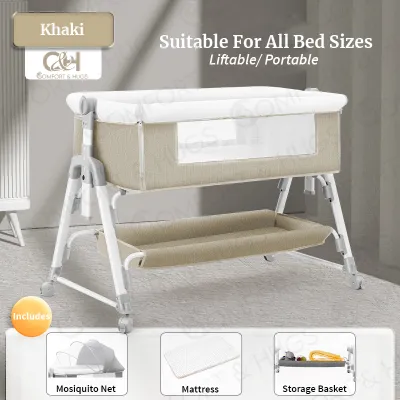
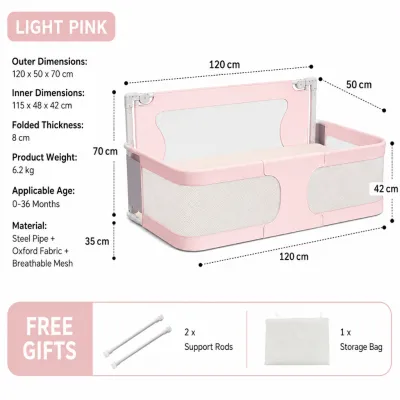
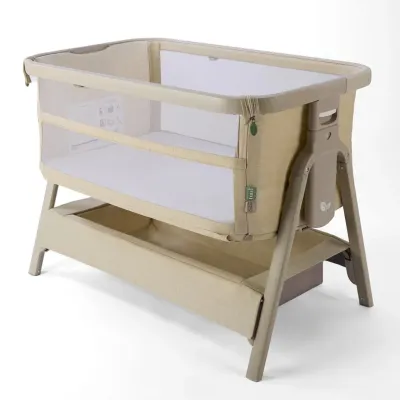

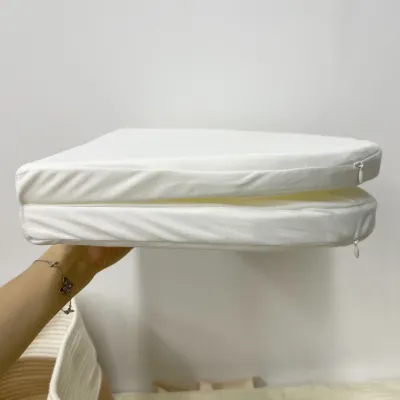
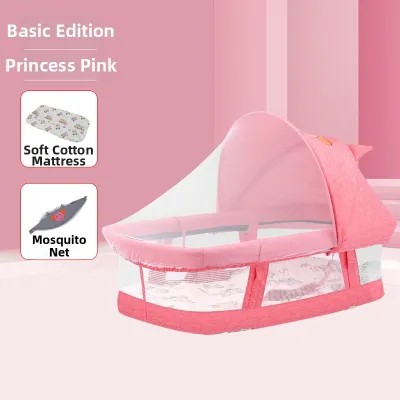
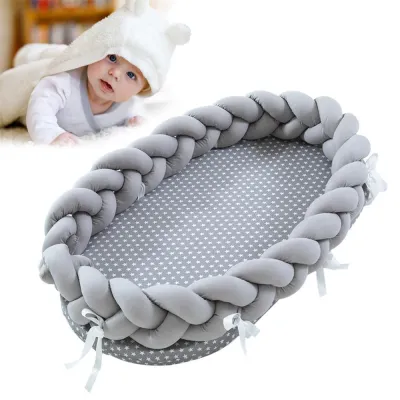
Prices are valid at publication and may change. Please refer to the product page for the latest price.
This regulatory setup means the responsibility of verifying safety credentials often falls on the parents. When shopping at local boutiques or browsing online marketplaces, you cannot assume every product on display has undergone rigorous independent testing. To safeguard your infant, you must actively look for physical certification marks or official manufacturer declarations confirming that the bassinet meets established international benchmarks.
Key International Safety Standards to Look For
When evaluating a bedside bassinet, several highly respected international regulatory frameworks serve as the gold standard for nursery furniture safety. Understanding these certifications allows you to make an informed, safety-first purchase.

The European standard EN 1130 (specifically EN 1130:2019 or later) is one of the most comprehensive specifications for cribs and cradles. This standard was specifically updated to address the unique design of bedside sleepers. It mandates strict requirements for the height of the drop-side barrier, structural stability, and the prevention of gaps when the bassinet is attached to an adult bed.
In the United States, the Consumer Product Safety Commission (CPSC) enforces ASTM F2194 (Standard Consumer Safety Specification for Bassinets and Cradles) under 16 CFR Part 1218. This standard tests for structural stability, side-wall height, latching and locking mechanisms, and mattress thickness to prevent suffocation or entrapment.
For mattress safety, the Australian and New Zealand standard AS/NZS 8811.1:2013 is the benchmark for testing mattress firmness. A mattress that complies with this standard ensures the sleep surface is firm enough to prevent the baby’s airways from becoming obstructed if they roll onto their stomach.
Before purchasing, check the product’s packaging, the label sewn into the fabric, or the manufacturer’s instruction manual for these certification codes. Legitimate manufacturers will clearly state compliance with EN 1130, ASTM F2194, or AS/NZS standards. If a brand cannot provide documentation of compliance with at least one of these standards, it is safest to choose another model.
Essential Physical Safety Checks Before Every Use
Even a certified bedside bassinet requires regular physical inspection to ensure it remains safe over weeks of continuous use. Performing a quick check before placing your baby down to sleep can prevent structural failures or entrapment hazards.
Mattress Fit and Firmness The mattress must be firm and flat. To test firmness, press your hand down on the mattress; it should spring back immediately without retaining the indentation of your hand. Additionally, verify that the mattress fits snugly inside the bassinet frame. There should be no gaps wider than two fingers (approximately 2 to 3 centimeters) between the edge of the mattress and the sides of the bassinet. Any larger gap poses a severe entrapment risk for a newborn.
Mesh Sides and Breathability Opt for a bassinet with mesh fabric on all sides, or at least on the two long sides. The mesh must be taut and free of tears. Ensure the weave is fine enough that a baby’s tiny fingers or clothing buttons cannot get caught. Highly breathable mesh ensures that even if your baby rolls over and presses their face against the side, airflow is not restricted.
Locking and Height Adjustment Mechanisms Bedside bassinets often feature adjustable heights and drop-down sides to align with adult beds. Regularly test these locking mechanisms to ensure they click securely into place and do not slip under weight. If you are using the bassinet as a standalone crib, the drop-side must be fully raised and locked.
Attachment and Anchor Straps If you configure the bassinet as a co-sleeper attached to your bed, you must use the manufacturer-provided anchor straps. These straps must wrap tightly around your adult bed frame or mattress base to pull the bassinet flush against your bed. Inspect this connection daily to ensure no gap has formed between the adult mattress and the bassinet, as a baby can easily slip into this space and suffocate.
Safe Sleep Practices and Usage Boundaries
A safe bassinet is only safe if it is used correctly. Setting up a secure sleep environment involves managing both the interior of the bassinet and its surrounding environment in your home.
Keep the sleep surface completely bare. Your baby should sleep on a firm mattress covered only by a tight-fitting sheet designed specifically for that mattress model. Do not place pillows, blankets, quilts, bumper pads, sleep positioners, or stuffed toys inside the bassinet. These items are major suffocation and sudden infant death syndrome (SIDS) hazards. If you are concerned about your baby getting cold in an air-conditioned room, use a properly fitted sleeping bag or swaddle instead of loose blankets.
Position the bassinet on a flat, level floor to prevent it from tipping. Keep the sleep space well away from windows, where dangling cords from blinds or curtains present a severe strangulation hazard. Additionally, keep the bassinet clear of electrical cords, baby monitor wires, wall decorations, and direct drafts from air conditioners or heaters.
Always defer to the manufacturer’s specific instructions regarding setup, assembly, and use. If you encounter conflicting advice or if the instructions are unclear, contact the manufacturer directly for clarification before placing your baby in the bassinet.
When to Stop Using the Bedside Bassinet
A bedside bassinet is designed strictly for the early months of a baby’s life. Knowing when to transition your baby to a full-sized crib is vital for preventing falls and structural failures.
Developmental Milestones The most critical indicator for transitioning is your baby’s physical development. You must stop using the bassinet immediately when your baby shows signs of:
- Rolling over from back to front or front to back.
- Pushing up on their hands and knees.
- Sitting up independently.
Once a baby achieves any of these milestones, they can easily lean over the low sides of a bassinet, leading to a high risk of falling.
Physical Limits Always check the manufacturer’s manual for the exact weight and height limits of your specific model. Most bassinets have a maximum weight limit of approximately 9 kilograms (around 20 pounds), though some may be lower. If your baby’s head or feet are close to touching the ends of the bassinet, or if they reach the weight limit, they must be transitioned to a compliant, full-sized baby crib.
Frequently Asked Questions (FAQ)
Is it safe to use a second-hand bedside bassinet?
Using a second-hand bedside bassinet carries inherent safety risks and requires extreme caution. Before accepting or purchasing a pre-owned model, you must verify that the product has not been recalled by checking international safety databases. Ensure the original instruction manual is included so you can verify all parts are present and assembled correctly.
Inspect the frame thoroughly for structural damage, hairline cracks, or worn-out locking joints that could collapse. Because mattresses degrade over time and can harbor mold or bacteria, it is highly recommended to purchase a brand-new, manufacturer-approved replacement mattress that fits the frame perfectly with no gaps. If the bassinet shows any signs of wear, missing hardware, or structural instability, do not use it; instead, consult a professional or invest in a new, certified sleep space.

Community discussion
Share your experience or ask a question. Comments are reviewed before publication.