
Bebecook seaweed can be a safe and highly nutritious addition to your baby’s diet, provided you carefully verify the sodium and iodine levels on the packaging and practice strict portion control. Because an infant’s developing kidneys and thyroid gland are highly sensitive to mineral intake, seaweed should be treated as an occasional treat rather than a daily dietary staple. Checking the nutrition label for added salt, seasoning oils, and the exact serving size is essential to ensure the snack aligns with your baby’s developmental stage and daily nutritional limits.
While seaweed naturally offers beneficial minerals, vitamins, and dietary fiber, the concentration of these nutrients can vary significantly across different product lines. For parents in Singapore looking to introduce savory snacks, understanding how to evaluate these products is key to protecting your child’s long-term health. By learning to calculate exact mineral exposures and modifying the texture of the seaweed, you can safely expand your baby’s palate without putting unnecessary stress on their growing body.
Understanding Infant Sodium and Iodine Limits
An infant’s physiological systems are highly efficient for processing breast milk or formula, but they are not yet fully equipped to handle the concentrated minerals found in many adult foods. The kidneys of a baby under twelve months old are still maturing. During this early stage of development, the renal system has a limited capacity to filter and excrete excess sodium. Introducing high-sodium snacks can overload their kidneys, potentially leading to dehydration, electrolyte imbalances, and an increased risk of developing a preference for overly salty foods later in childhood.
Products mentioned in this guide
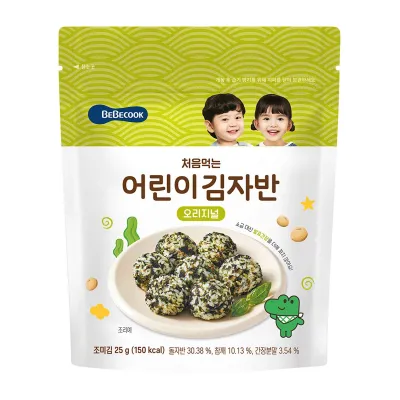
![[Single] BeBecook - My First Sun-Dried Seaweed Mix (Original | Seafood & Vegetables) 25g](https://img.lazcdn.com/g/p/013f6f3f0b0839d2625c5a3007c88b6e.jpg_400x400q80.jpg_.webp)
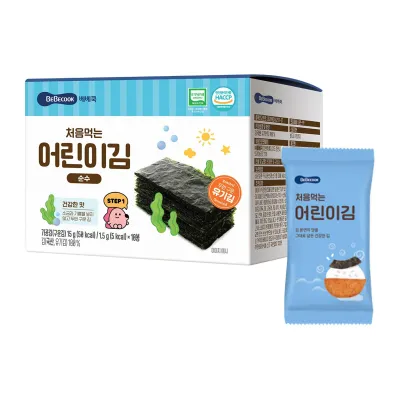
![[Single] BeBecook - Babys First Organic Sun-Dried Seaweed (Non-Seasoned)](https://img.lazcdn.com/g/p/298671e408aaa154f493fa22f392db1c.jpg_400x400q80.jpg_.webp)
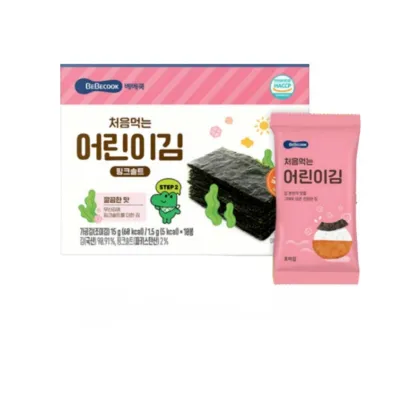
![[Single] BeBecook - My First Seaweed Crisps (Original ) 20g](https://img.lazcdn.com/g/p/ec6c8098c9f6088ea580d9b2d2451443.jpg_400x400q80.jpg_.webp)
Prices are valid at publication and may change. Please refer to the product page for the latest price.
Iodine is another critical mineral that requires careful monitoring during infancy. It plays an indispensable role in supporting thyroid function, which regulates metabolism, brain development, and overall physical growth. However, the margin of safety for iodine intake in infants is relatively narrow. While an iodine deficiency can hinder development, an excess of iodine can be equally harmful. Consuming too much iodine can temporarily disrupt thyroid hormone production, leading to conditions such as pediatric hypothyroidism or thyroid gland inflammation.
When determining safe dietary boundaries, parents should reference official health authority guidelines for infant daily mineral limits in Singapore. The Health Promotion Board recommends keeping sodium intake for infants under one year old extremely low, ideally under 350 milligrams per day. For toddlers aged one to three, the limit remains modest at no more than 1,000 milligrams daily. Iodine recommendations are similarly precise, with infants requiring only about 90 micrograms per day. Because marine plants naturally absorb and concentrate iodine from seawater, even a small portion of seaweed can easily approach or exceed these daily thresholds.
Evaluating Bebecook Seaweed Nutrition Labels
To make an informed decision about Bebecook seaweed, you must become proficient at reading and interpreting the nutrition information panel on the back of the packaging. Start by locating the sodium content, which is typically listed in milligrams. It is vital to distinguish between the sodium content listed “per serving” and “per 100 grams.” Because seaweed sheets are incredibly lightweight, a single serving might only weigh 1.5 to 2 grams. Ensure you are calculating the sodium based on the actual portion size your baby will consume during a single snack session.

Calculating iodine content can be more challenging, as manufacturers are not always legally required to list iodine on standard nutrition labels. If the iodine content is not explicitly stated on your Bebecook packaging, you should not assume it is absent. Seaweed naturally contains varying levels of iodine depending on where and how it was harvested. In the absence of specific labeling, you can contact the manufacturer directly to request their laboratory testing data, or assume a conservative approach by limiting the frequency of the snack to prevent cumulative exposure.
Beyond primary minerals, you must carefully scrutinize the ingredient list for hidden additives and flavorings. Many commercial seaweed snacks are roasted with sesame oil, canola oil, sea salt, or monosodium glutamate (MSG) to enhance flavor and shelf life. For babies, the ideal seaweed product should contain minimal ingredients—ideally just organic seaweed with no added salt or artificial flavor enhancers. If you spot terms like hydrolyzed vegetable protein, yeast extract, or soy sauce powder, be aware that these ingredients significantly contribute to the overall sodium load, even if the front of the packaging claims the product is designed for children.
Safe Feeding Practices and Portion Control
If you determine that the nutritional profile of a specific Bebecook seaweed product fits within your baby’s daily limits, implementing safe feeding practices is the next step. Seaweed should always be treated as an occasional novelty snack rather than a daily dietary staple. Limiting consumption to one or two small servings per week helps prevent the gradual accumulation of sodium and iodine in your baby’s system. This moderate approach allows your child to enjoy the unique umami flavor and texture of seaweed without compromising their nutritional balance.
Modifying the physical texture of the seaweed is absolutely critical to prevent choking hazards. Dry seaweed sheets are highly hygroscopic, meaning they rapidly absorb moisture. When a baby puts a dry piece of seaweed into their mouth, it can quickly stick to the roof of the mouth, the tongue, or the back of the throat, creating a dangerous barrier that is difficult to swallow or cough up. To minimize this risk, never feed your baby large, intact sheets of seaweed. Instead, finely crumble the seaweed into tiny flakes and mix it directly into warm porridge, mashed avocado, or soft rice balls, which softens the texture and makes it much safer to swallow.
Adequate hydration is another essential component of safe feeding when introducing savory snacks. Always ensure your baby has access to breast milk, formula, or small sips of water (if they are over six months of age) during and after eating seaweed. The additional fluids help support kidney function, making it easier for their system to process and flush out any ingested sodium. Monitoring your baby’s water intake during snack time also helps clear any lingering seaweed particles from their mouth, reducing the likelihood of post-snack coughing or gagging.
When to Stop and Consult a Pediatrician
As with any new food introduction, you must closely monitor your baby for any signs of adverse reactions or digestive intolerance. Allergic reactions to seaweed, though relatively rare, can occur. Watch for immediate or delayed symptoms such as hives, red itchy patches on the skin, swelling of the lips, tongue, or face, or sudden vomiting and diarrhea. If you observe any of these signs, stop serving the seaweed immediately and seek medical attention.
It is also important to recognize the subtle, systemic symptoms that could indicate thyroid or kidney stress from excessive mineral intake. If your baby exhibits unusual lethargy, persistent puffiness or swelling in the hands, feet, or face, extreme thirst, or a noticeable change in urination frequency and urine color, these could be indicators of physiological strain. Because these symptoms can develop gradually over weeks of consistent exposure, keeping a food diary can help you and your pediatrician trace any physiological changes back to dietary factors.
Before introducing seaweed to babies who have pre-existing health conditions, a professional medical consultation is highly recommended. Infants with a history of renal issues, urinary tract anomalies, or suspected thyroid imbalances require highly tailored dietary planning. A pediatrician or a registered pediatric dietitian in Singapore can provide personalized guidance, helping you calculate precise dietary boundaries and ensuring that any snack choices do not interfere with your baby’s ongoing medical care or overall developmental trajectory.
Frequently Asked Questions (FAQ)
At what age can babies safely eat seaweed snacks?
Babies can generally begin exploring seaweed snacks around nine to twelve months of age, provided they have met key developmental milestones. Your baby must be able to sit up completely unassisted, demonstrate strong head control, and show a well-developed ability to chew and swallow textured solid foods. Because dry seaweed poses a unique structural choking hazard, it should not be introduced during the very early stages of weaning. Always consult your pediatrician before introducing seaweed to ensure your baby’s oral motor skills are sufficiently developed to handle its unique texture.
Are there low-sodium seaweed alternatives for babies?
Yes, there are several low-sodium and sodium-free seaweed alternatives available for parents who wish to avoid the added salt found in standard snacks. Look for plain, unseasoned nori sheets that are traditionally used for making sushi, ensuring the ingredient list contains nothing but pure seaweed. Many specialty baby food brands also offer seaweed products specifically formulated for infants, which are baked rather than fried and contain zero added salt or oils. Always verify the nutrition label of any alternative brand to confirm that both the sodium and iodine levels are appropriate for your baby’s age group.

Community discussion
Share your experience or ask a question. Comments are reviewed before publication.