
Choosing an ergonomic baby carrier is a highly personal decision that directly impacts your physical comfort and your baby’s physical development. When comparing a Bebear carrier to other popular ergonomic models, the ideal choice depends on your body type, your baby’s developmental stage, and your preferred carrying positions. Bebear is widely recognized for its structured hip seat designs and accessible pricing, offering a distinct alternative to traditional soft-structured carriers. While Bebear provides competitive ergonomic features, parents must evaluate specific seat widths, lumbar support, and strap configurations against their individual needs. The primary decision factors include proper hip positioning for the baby, optimal weight distribution for the wearer, and climate suitability for your daily routine.
Baby Support: Hip Positioning and Head Control
Ensuring your baby is supported in an anatomically correct position is the most critical function of any carrier. During the first year of life, a baby’s hips and spine undergo rapid development, making the physical structure of the carrier’s seat a vital health consideration.
Evaluating the Seat Width and M-Shape Position
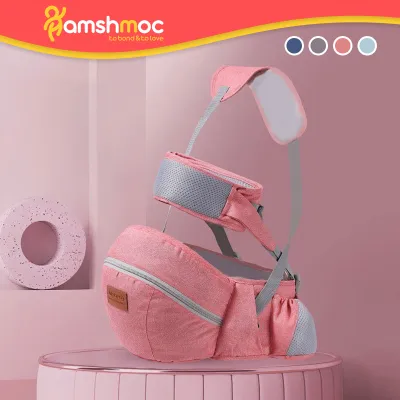
Healthy hip development relies on maintaining the “M-shape” position, where the baby’s knees are supported higher than their bottom, and their thighs spread comfortably around the wearer’s torso. This positioning reduces pressure on the hip sockets, helping to prevent hip dysplasia. When evaluating a Bebear carrier, you will notice that many of their models utilize a solid, padded hip seat platform. This platform provides a firm base that naturally supports the baby’s pelvis, but you must verify whether the seat width matches your baby’s current size. If a seat is too wide, it can force the baby’s legs into an over-extended stretch; if it is too narrow, the legs will dangle straight down, placing stress on the hip joints.
Products mentioned in this guide
![[Ready stock] Ergo baby Carrier Ergonomics Kangaroo Infant Omni Breeze All-In-One Breathable Air Mesh 0-48 Months 3-20kg](https://img.lazcdn.com/g/p/d6948befeffb2fca708dbf5ed12936a6.jpg_400x400q80.jpg_.webp)
![[Ready stock]Ergo baby Alta Hip Seat Baby Carrier](https://img.lazcdn.com/g/p/59709dfd055a2fa6de3e7814957c89e5.jpg_400x400q80.jpg_.webp)
Prices are valid at publication and may change. Please refer to the product page for the latest price.
In contrast, many traditional ergonomic carriers feature adjustable fabric seats that narrow or widen using snap buttons, velcro tabs, or sliding tracks. These fabric-only designs allow for micro-adjustments that support the baby precisely from knee to knee as they grow. When comparing models, look closely at how the seat transitions from infancy to toddlerhood. A supportive seat must support the entire thigh up to the knee bend, rather than ending mid-thigh. Always check the packaging or official manufacturer documentation for the International Hip Dysplasia Institute (IHDI) “Hip-Healthy” designation, rather than relying solely on brand marketing claims.
Neck and Head Support for Early Months
Newborns and young infants lack the muscle strength to support their own heads, making built-in neck support an essential safety feature. Traditional soft-structured carriers often feature a highly structured, padded headrest that can be folded down or buttoned up to cradle a newborn’s head securely. Bebear carriers handle this support through various mechanisms depending on the model, including adjustable sleeping hoods, padded collar panels, or removable support inserts.
When comparing these designs, evaluate how easily the head support can be adjusted while you are wearing the carrier. The support should be firm enough to prevent the baby’s head from slumping sideways or backward, yet flexible enough to avoid pushing their chin down toward their chest, which can restrict their airway. As your baby gains neck control, typically around four to six months, you will need a system that easily folds out of the way to allow them a clear line of sight, making adjustable hoods or convertible panels highly practical.
Parent Comfort: Weight Distribution and Strap Design
A carrier’s ergonomics are just as important for the wearer as they are for the baby. Carrying a rapidly growing baby can quickly lead to shoulder, neck, and lower back strain if the carrier fails to distribute weight effectively across your skeletal structure.

Waistband and Lumbar Support
The waistband is the foundation of any ergonomic carrier, designed to transfer the majority of the baby’s weight from your shoulders down to your hips and pelvis. Bebear’s signature hip seat models feature exceptionally wide, heavily padded waistbands containing a lightweight, rigid inner structure. This design creates a highly supportive shelf that minimizes downward pull on your shoulders, making it highly effective for carrying heavier toddlers. However, this rigid structure can feel bulky and may press against the abdomen when sitting down.
Traditional ergonomic carriers often use a more flexible, foam-padded waistband that contours closely to the wearer’s body. Some of these premium alternatives include dedicated lumbar support pads that slide along the belt to fill the curve of your lower back. When deciding between these styles, consider your daily activities and physical recovery. For instance, postpartum parents, particularly those recovering from a C-section, may find highly rigid waistbands uncomfortable if they press directly against incision sites, making a softer, highly adjustable fabric waistband a more comfortable initial choice.
Shoulder Strap Configurations
Shoulder straps bear the remainder of the baby’s weight and prevent the carrier from pulling away from your body. Bebear carriers typically feature thick, generously padded shoulder straps designed to cushion the collarbones and upper back. When comparing these to other brands, pay close attention to how the straps connect across your back. Some carriers allow you to cross the straps in an “X” configuration across your upper back, while others restrict you to a parallel “H” configuration with a chest strap.
An X-back configuration is highly effective at distributing weight evenly across the entire back and preventing straps from slipping off narrow shoulders. However, some wearers find X-back configurations more challenging to clip and adjust independently. H-back configurations are often simpler to put on alone but require a properly adjusted chest slider to prevent shoulder strain. Ensure any carrier you choose features dual-adjustment buckles, which allow you to tighten the straps by pulling forward rather than backward, accommodating different body shapes and torso lengths.
Adaptability: Adjusting from Newborn to Toddler
A baby carrier is a long-term investment, and its value depends heavily on how well it adapts to your growing child. Standard ergonomic carriers typically advertise weight limits ranging from around 3.2 kilograms (newborn) up to 15 or 20 kilograms (toddlerhood).
Bebear’s product range includes both convertible multi-functional carriers and dedicated hip seat models. Many of their hip seat configurations are designed for babies who can already sit upright independently, typically around six months of age, due to the wide, structured nature of the seat. If you plan to use a Bebear carrier from birth, you must verify if the specific model includes a dedicated newborn insert or if the fabric panel can be adjusted narrow enough to safely support a newborn’s natural spine curvature without extra accessories.
In contrast, several prominent ergonomic brands specialize in “no-insert” designs that adjust down to newborn sizes using simple internal snaps or strap adjustments. Furthermore, consider the ease of making micro-adjustments when transitioning the carrier between different caregivers. If you and your partner have significantly different heights or builds, a carrier that allows quick, smooth adjustments to the shoulder straps and waistband without requiring complex re-threading will save substantial time and frustration during daily outings.
Climate Comfort: Breathability for Tropical Weather
In Singapore’s consistently hot and humid tropical climate, thermal comfort is a critical safety and usability factor. When a baby is held close to your body, body heat quickly builds up, which can lead to discomfort, skin irritation, or mild heat rash for both of you.
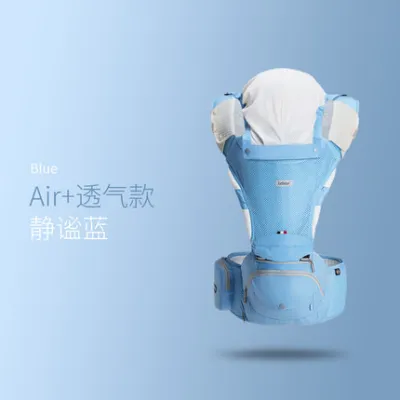
To combat this, many ergonomic carrier brands offer specialized “cool air” or “mesh” editions. Bebear addresses this by incorporating zippered roll-down panels on many of their models, exposing a highly breathable 3D air mesh underneath. This convertible design offers versatility, allowing you to close the panel during cooler, air-conditioned indoor environments—such as shopping malls or MRT trains—and open it when walking outdoors.
When comparing fabrics, evaluate the composition of the materials. While organic cotton and linen are highly soft and breathable, synthetic performance meshes often provide superior moisture-wicking capabilities and faster drying times. Because frequent babywearing in a humid climate inevitably leads to perspiration, look closely at the manufacturer’s care labels. Ensure the carrier is fully machine-washable and can withstand regular laundering without losing its structural integrity, padding thickness, or buckle security.
Essential Safety Checks and Proper Positioning
Regardless of the brand or ergonomic certifications of your carrier, safety depends entirely on correct usage and consistent monitoring. Every time you secure your baby in a carrier, you should perform a quick mental check using the universally recognized T.I.C.K.S. guidelines:
- Tight: The carrier must be adjusted snugly enough to keep your baby close to your body, preventing them from slumping, which can restrict their breathing.
- In view at all times: You should always be able to see your baby's face clearly by simply looking down, ensuring their nose and mouth are completely free from fabric.
- Close enough to kiss: Your baby's head should be positioned high enough on your chest that you can easily kiss the top of their head by tipping your chin forward.
- Keep chin off the chest: Ensure there is always a space of at least one finger-width beneath your baby's chin to keep their airway fully open.
- Supported back: The baby's back should be supported in its natural, gently curved "C" shape, with their tummy and chest resting comfortably against you.
Never assume a carrier is safe for a specific age or weight based on brand reputation alone. Always read the specific Bebear instruction manual for weight limits, age restrictions for specific carrying positions, and safety warnings. If your baby shows any signs of respiratory distress, unusual fussiness, overheating, or physical discomfort, remove them from the carrier immediately and consult a qualified healthcare professional.
The Final Verdict: Which Carrier Should You Choose?
Selecting the right carrier comes down to aligning your daily lifestyle, budget, and physical comfort with the specific features of each model.
Choose the Bebear carrier if:
- You prefer a highly structured hip seat design that excels at carrying older babies and toddlers by shifting weight directly to your hips.
- You are looking for a highly versatile, budget-friendly option (frequently priced within the accessible mid-range of S$80 to S$150) that offers convertible features like roll-down mesh panels.
- The thick, padded shoulder straps and wide waistband align comfortably with your body shape and do not feel overly bulky.
Choose established ergonomic alternatives if:
- You require a highly specialized, fabric-only soft-structured carrier that offers precise micro-adjustments for a newborn without requiring a separate insert.
- You prefer premium fabric options such as certified organic cotton, lightweight linen, or highly specialized ergonomic lumbar support plates.
- You value having access to extensive local physical retail stores where you can physically try on different styles and receive expert fitting assistance before purchasing.
Verify first if:
- You are considering purchasing a second-hand carrier. You must thoroughly inspect the item for worn stitching, cracked plastic buckles, faded safety labels, or any history of manufacturer recalls. Always cross-reference the current model's official specifications on the manufacturer's website rather than relying entirely on third-party marketplace descriptions.
Ultimately, there is no single “best” carrier for every family. The most effective ergonomic carrier is the one that fits your body comfortably, supports your baby’s natural developmental posture, and fits seamlessly into your daily routine.
Frequently Asked Questions (FAQ)
Can I use the Bebear carrier for a newborn without an insert?
Whether you can use a Bebear carrier for a newborn without an insert depends entirely on the specific model’s design and minimum weight requirements. Many Bebear models, especially those featuring a structured hip seat, have a minimum age recommendation of four to six months or require the baby to have independent head control. Always consult the manufacturer’s instruction manual; if your newborn weighs less than the specified minimum limit, or if the seat cannot narrow sufficiently to support their knees in a proper M-shape, you must use a certified infant insert or choose a model specifically designed for newborns.
Is facing the baby outward safe in ergonomic carriers?
Facing your baby outward is generally safe only when they have achieved full head and neck control, which typically occurs around five to six months of age. Even when using an ergonomic carrier that supports an outward-facing position, you should limit this carrying style to short durations of 15 to 20 minutes to prevent overstimulation and minimize strain on your own back. Always check your specific carrier’s manual to confirm that the outward-facing position is officially supported, as incorrect positioning can alter the baby’s pelvic tilt and place unnecessary pressure on their spine.

Community discussion
Share your experience or ask a question. Comments are reviewed before publication.