
Preparing homemade baby food often leads parents to compare the Beaba Babycook against other baby food makers on the market. The core appeal of these devices lies in their ability to steam and blend ingredients within a single footprint, minimizing cleanup and preserving nutrients.
While the Beaba Babycook is widely recognized for its signature basket-in-bowl steaming design and manual pulse blending, alternative models offer different approaches, such as automated steam-to-blend cycles, larger capacities, or glass bowls. Choosing the right system requires comparing how each machine handles heat distribution, texture control, and daily maintenance.
Evaluating Steaming Capacity and Safety Mechanisms
Steaming is the foundation of baby food preparation, as it cooks ingredients gently to preserve water-soluble vitamins and minerals. When comparing the Beaba Babycook to alternative food makers, the design of the steaming chamber and water reservoir plays a critical role. Parents should verify the water tank capacity and maximum steaming times listed in each product’s specifications. Some models feature integrated water reservoirs that require precise manual filling to control the steam duration, while others utilize digital timers that automatically manage the heating cycle.
Products mentioned in this guide
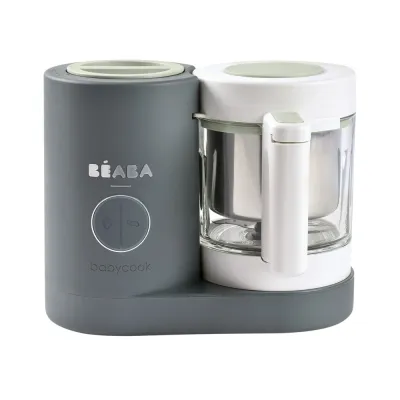
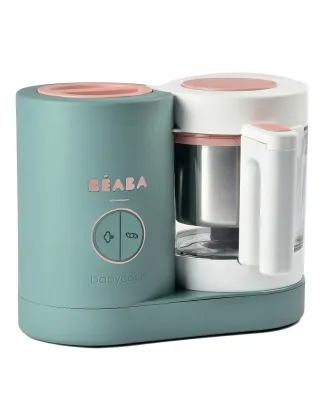
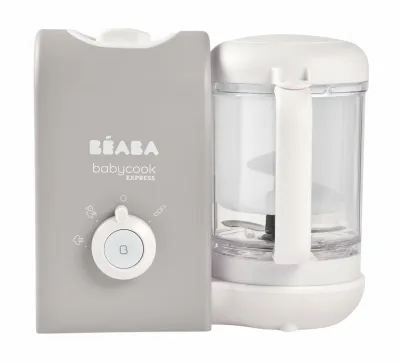
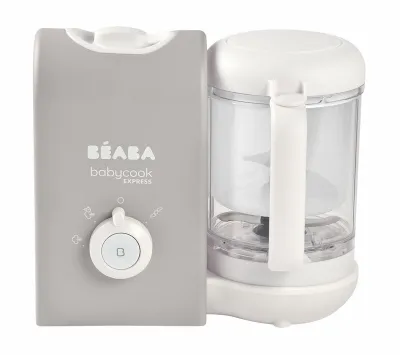
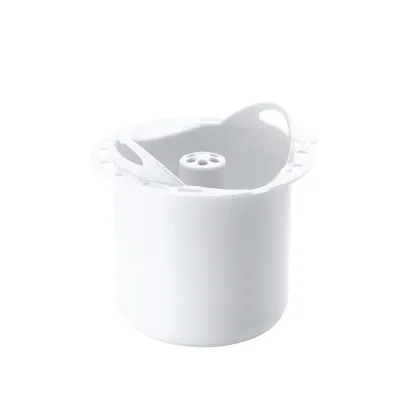
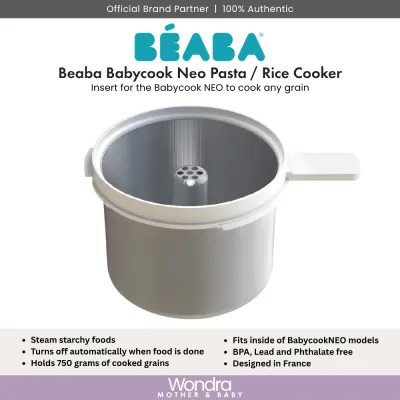
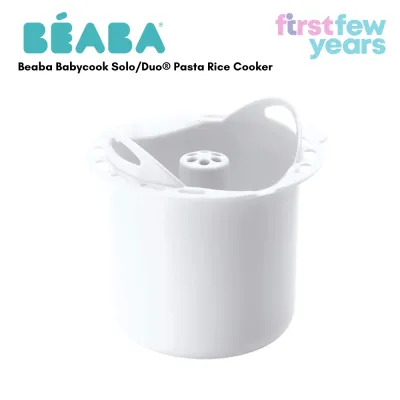
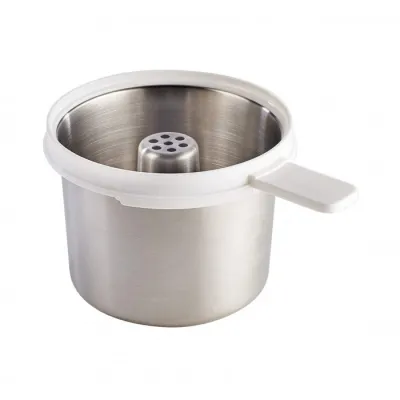
Prices are valid at publication and may change. Please refer to the product page for the latest price.
Safety mechanisms are equally vital during steam cycles. Most premium baby food makers, including the Beaba Babycook, incorporate an automatic shut-off feature that turns off the heating element once the water reservoir runs dry. This prevents overheating and reduces fire risks in busy kitchens.
However, the physical design of the steaming basket varies significantly across brands. The Beaba Babycook uses a removable cooking basket that sits inside the main blending jar, keeping food separate from the cooking liquid. This design allows parents to collect the nutrient-rich cooking juice at the bottom of the bowl and add it back during blending to achieve the desired consistency.
When comparing alternatives, check how easily the hot basket can be removed. Some brands include a spatula or handle designed to hook onto the basket to prevent steam burns, which is a crucial safety consideration during daily use.
Furthermore, the heating element itself requires regular attention. Because minerals in tap water can cause limescale buildup, the accessibility of the water tank is a major usability factor. Some alternative food makers feature wide-opening, stainless steel water tanks that are easy to inspect and wipe down, whereas other designs have narrow openings that make visual inspection and descaling more challenging. Caregivers must review the manufacturer’s approved cleaning instructions to ensure they can maintain the heating element without damaging the internal sensors.
Comparing Blending Power and Texture Adjustability
Once ingredients are steamed, the transition to blending determines the final texture of the baby food. The blending mechanics of the Beaba Babycook rely on a manual pulse control, allowing caregivers to customize the consistency of the puree. This manual control is highly beneficial as babies progress through different weaning stages, moving from ultra-smooth purees at six months to thicker, chunkier textures as they develop chewing skills.

When evaluating alternative models, check the motor power specifications and blade designs. Some competitors offer multi-speed digital controls or automated steam-and-blend programs that run a pre-set blending cycle immediately after steaming. While automated cycles offer hands-free convenience, they may limit your ability to control the exact texture of the food compared to a manual pulse function.
Bowl capacity is another critical factor that varies between steaming and blending functions. In many baby food makers, the maximum volume of food you can steam in the basket is smaller than the total liquid capacity of the blending bowl. If you plan to prepare large batches of food to freeze, verify the usable blending capacity of each model. A larger bowl allows for more efficient batch cooking, but it may require larger minimum quantities of food to blend effectively.
Cleaning the blending assembly is essential for hygiene, as food particles can easily become trapped beneath the blades or within the sealing rings. Check whether the blade assembly can be completely disassembled from the bowl. The Beaba Babycook and several high-quality alternatives allow you to unscrew the blade lock from the bottom of the jar for thorough washing. Caregivers should verify which parts are labeled as top-rack dishwasher safe and which require hand washing to prevent warping or premature wear of the silicone gaskets.
Assessing Reheating, Defrosting, and Daily Convenience
Beyond the primary tasks of steaming and blending, secondary functions like reheating and defrosting significantly impact daily meal prep routines. Parents who practice batch cooking often freeze purees in small silicone trays or glass jars. The Beaba Babycook and similar multi-function food makers accommodate these frozen portions by using the steam basket to gently defrost or reheat the food.
When comparing models, check if there are dedicated settings or specific water-level guidelines for defrosting and reheating. Using the correct steam time ensures the food reaches a safe temperature without drying out or losing nutrients.
Convenience features also extend to the machine’s physical footprint and interface. In compact kitchens where countertop space is limited, the physical dimensions and cord storage options of the appliance are practical considerations. Some double-bowl models allow you to steam and blend simultaneously or cook two different meals at once, which saves time but requires a larger countertop footprint.
Additionally, consider the noise levels of both the steaming and blending cycles. While steaming is generally silent, blending noise can vary depending on the motor’s wattage and the stability of the base. Checking user manuals for decibel guidelines or looking for models with non-slip suction feet can help ensure the appliance remains stable and relatively quiet during operation.
Decision Framework: Choosing the Right Baby Food Maker
To select the most suitable baby food maker for your household, consider how your daily routine aligns with the specific workflows of each machine.
Choose the Beaba Babycook if you prefer a hands-on, highly adjustable preparation process. Its manual pulse blending and separate steaming basket are ideal for parents who want precise control over food textures at every weaning stage and who value a compact, stylish appliance that fits easily on the countertop.
Choose a multi-function alternative if your priority is hands-free convenience. Models with automated steam-to-blend programs are excellent for busy caregivers who want to walk away during the cooking process, or those who require larger bowl capacities and integrated digital timers for preparing massive batches of food at once.
Choose a basic manual steamer-blender if upfront cost is your primary constraint. If you are working within a strict budget, utilizing standard kitchen pots with a steaming basket alongside a simple hand blender can achieve similar nutritional results for under S$100, though it requires washing multiple utensils and closer supervision.
Before making a final purchase, always verify the availability of spare parts through authorized local distributors. Components such as replacement sealing rings, mixing lids, and spare blades are subject to wear and tear over months of daily use. Ensuring you can easily source these parts locally will prolong the lifespan of your appliance and prevent unnecessary downtime during your baby’s crucial weaning months.
Frequently Asked Questions (FAQ)
How do I remove limescale from the baby food maker's heating element?
Over time, mineral deposits from water can build up on the heating element, reducing steaming efficiency. To remove this limescale, check your user manual for the manufacturer’s approved descaling agent and the exact water-to-vinegar ratio. Typically, a mixture of water and white vinegar is left in the cold reservoir overnight to dissolve the buildup. After emptying the reservoir, always run at least one or two steam cycles using only clean, distilled water to thoroughly rinse the internal system and eliminate any residual vinegar taste or smell before preparing your baby’s next meal. Never use harsh chemical cleaners, abrasive scouring pads, or submerge the motor base in water, as this can permanently damage the electrical components.
Are the plastic components BPA-free and dishwasher safe?
When preparing food for infants, material safety is a paramount concern. Caregivers should locate BPA, BPS, and phthalate-free certifications on the product packaging or the manufacturer’s official website before purchasing. While many modern baby food makers feature BPA-free plastic or glass bowls, their dishwasher compatibility varies. Check the user manual to identify which removable parts—such as the steaming basket, blending bowl, and lid—are safe for the top rack of a dishwasher. The motor base, blade assembly, and electrical cords must always be hand-washed or wiped down with a damp cloth to protect the seals and internal wiring from water damage.

Community discussion
Share your experience or ask a question. Comments are reviewed before publication.