
Choosing a baby food maker involves balancing convenience, material safety, and functional versatility to support your child’s weaning journey. The Beaba Babycook Neo is a popular premium option, but deciding whether it or a competitor is right for your home requires looking closely at how each machine handles steaming, blending, and daily maintenance. Parents must evaluate their specific kitchen space, budget, and weaning goals to determine which appliance offers the most practical utility.
Before purchasing any baby food maker, always verify the recommended age and developmental stage guidelines in the manufacturer’s documentation. Caregivers should supervise the preparation process closely and follow all safety warnings regarding hot steam and sharp blades. Because safety standards and product certifications can change over time, treat these specifications as details you must verify directly on the product packaging or official brand website before buying.
Core Functions Compared: Steaming and Blending Capabilities
Steaming is the foundation of preparing nutritious baby meals, preserving water-soluble vitamins while softening ingredients. When comparing the Beaba Babycook Neo to other models, start by checking the water tank capacity and the heating element material. A stainless steel heating reservoir is generally preferred for durability and ease of cleaning, but you should verify the manufacturer’s specifications for heating times and water usage. Look at the estimated cycle times on the product labels; some machines complete a steam cycle in under twenty minutes, while others may take longer depending on the density of the ingredients.
Products mentioned in this guide
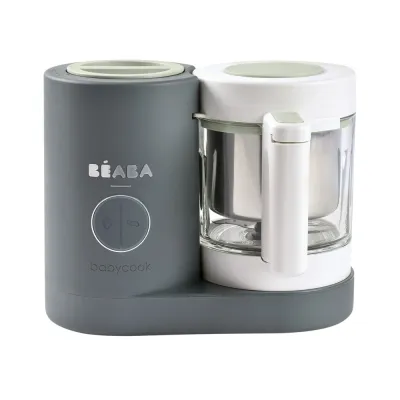
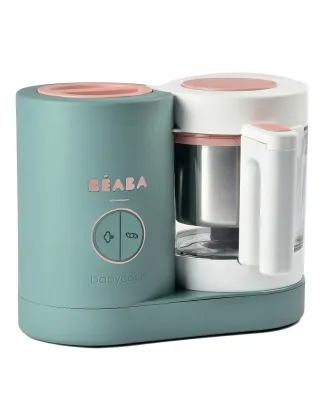
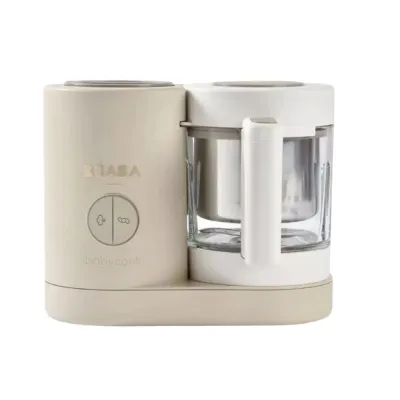
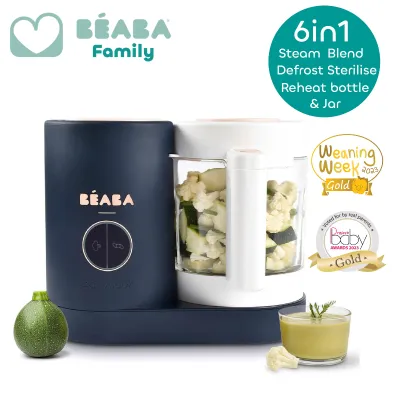
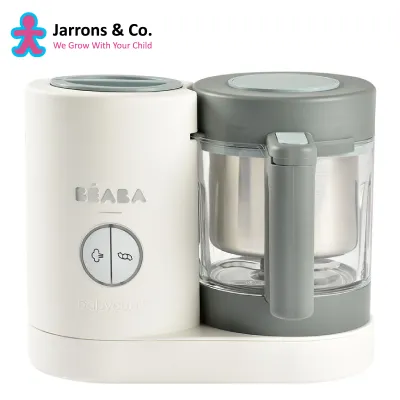
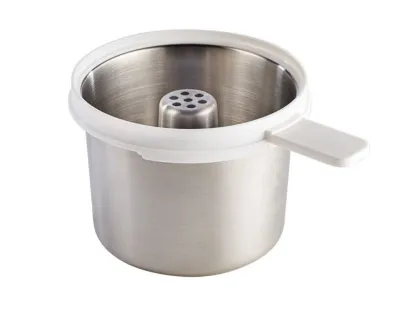
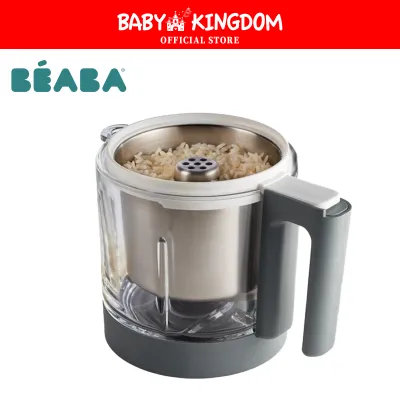
Prices are valid at publication and may change. Please refer to the product page for the latest price.
Blending capabilities determine how well the machine can adapt to your baby’s changing developmental stages. In the early stages of weaning, an ultra-smooth puree is essential to prevent choking hazards, requiring a motor with sufficient wattage and a sharp, multi-angled blade design. As your baby grows, you will need to transition to chunkier textures and mashed foods. Check if the baby food maker offers a manual pulse function or multiple speed settings, which give you precise control over the final consistency. Review the product manual to verify if the motor is rated for continuous blending or if it requires short pulses to prevent overheating.
Another critical functional difference is how the machine integrates these two steps. Some baby food makers feature a one-pot design where steaming and blending occur in the same vessel without moving the food, sometimes requiring you to simply flip the cup over or press a single button. Other models, including the Beaba Babycook Neo, utilize a basket system where you steam the food in a raised basket and then transfer it into the main bowl for blending. While the transfer method requires an extra step, it allows you to easily discard or reserve the nutrient-rich cooking liquid to adjust the puree’s thickness. Compare these mechanisms to decide whether you prefer hands-free automation or manual control over the food’s moisture content.
Design, Materials, and Daily Usability
The materials that come into contact with your baby’s food are a primary concern for many parents. The Beaba Babycook Neo is known for its glass bowl and stainless steel steaming basket, which contrast with many competing models that rely on lightweight plastics. When evaluating any baby food maker, verify if all food-contact components are certified BPA-free, BPS-free, and phthalate-free. Glass and stainless steel offer excellent resistance to staining, odors, and scratches, but they are heavier and require careful handling to avoid breakage. Always check the manufacturer’s care instructions to see which parts are dishwasher-safe and which must be washed by hand to preserve their seals and finishes.

Kitchen space is often at a premium in Singapore apartments, making the physical footprint of the appliance a key consideration. Compare the overall dimensions of the unit against your available countertop and storage space. A compact machine is easier to leave out for daily use, but it may have a smaller batch capacity. If you plan to prep and freeze multiple portions of baby food at once, look for a model with a larger bowl capacity. However, if you prefer preparing fresh, single-serving meals daily, a smaller, space-saving footprint will likely serve you better.
Daily maintenance can quickly become a chore if the machine is difficult to clean. Look closely at how easily the blades can be removed from the bowl, as food residue can easily trap bacteria underneath the blade assembly if not washed thoroughly. The water tank is another critical area; check if it has a wide opening that allows you to visually inspect the interior for mold or mineral buildup. Regular descaling is necessary to keep the heating element working efficiently, so verify the manufacturer’s recommended descaling procedure and whether they require proprietary cleaning solutions or allow standard household alternatives.
Value and Long-Term Use: What to Verify Before Buying
Evaluating the financial investment of a baby food maker requires looking beyond the initial purchase price. Because prices can fluctuate, you should check current retail listings in S$ across authorized online marketplaces, official brand stores, and physical baby boutiques in Singapore. A premium model like the Beaba Babycook Neo represents a significant upfront cost, so you must weigh this against how frequently you plan to use it. If you intend to prepare all of your baby’s meals from scratch, a durable, high-end machine can offer excellent cost-per-use value over several months.
Consider how well the appliance adapts as your child’s dietary needs evolve. A machine that only makes ultra-fine purees will have a very short useful life, lasting only a few months until your baby transitions to finger foods. Look for models that can handle a wider variety of tasks, such as steaming vegetables for the whole family, cooking grains, or defrosting pre-portioned meals. Some parents find that a versatile baby food maker remains useful for making quick sauces, compotes, or small batches of soup long after the weaning phase is complete.
Warranty coverage and local customer support are essential safety nets for any small kitchen appliance. Before making a purchase, verify the duration of the local warranty and what specific components it covers, such as the motor, heating element, or electronic controls. Check if there is an authorized service center located in Singapore where you can easily bring the unit for repairs or purchase replacement parts like silicone seals, replacement blades, or extra bowls. Having reliable local support ensures that your machine won’t become unusable due to a simple worn-out gasket.
Decision Framework: Which Baby Food Maker Fits Your Needs?
To make the right choice, align the appliance’s features with your household’s daily routine and priorities. Choose the Beaba Babycook Neo if you prioritize premium, durable materials like glass and stainless steel, prefer a design that minimizes plastic contact with hot food, and appreciate a stylish aesthetic that complements your kitchen countertop. This model is ideal for parents who value a straightforward, manual-transfer steaming and blending process that allows them to customize the texture and liquid content of every meal.
On the other hand, you should look at competing brands if you require a larger batch capacity to prep meals for multiple days, prefer a fully automated one-pot system that steams and blends without any manual intervention, or need integrated features like bottle warming and sterilizing. Competing models may also be more suitable if you are working with a stricter budget and prefer a lighter, more portable plastic design that is easier to store away when not in use.
Before finalizing your decision, verify your long-term commitment to preparing homemade baby food. If you plan to combine homemade meals with commercial purees or follow a baby-led weaning approach that focuses on soft whole foods rather than purees, a dedicated baby food maker might not get enough use to justify the counter space or cost. Assess your kitchen’s electrical outlets and counter layout to ensure the machine can be operated safely away from edges and out of reach of children, with adequate ventilation for steam release.
Frequently Asked Questions (FAQ)
Can I use the Beaba Babycook Neo to prepare meals for the whole family?
While the Beaba Babycook Neo is designed primarily for baby-sized portions, you can use it to steam small sides of vegetables or fruits for family meals. However, you must check the maximum bowl volume limits and motor strain warnings in the user manual. Attempting to blend large, dense batches of adult food can overload the motor and cause premature wear or failure.
How do I descale and maintain the water tank safely?
To maintain heating efficiency, perform a visual inspection of the water tank regularly to check for mineral scale or discoloration. Refer to the manufacturer’s manual for approved descaling agents, which often include food-grade white vinegar or citric acid solutions. After descaling, ensure you rinse the tank thoroughly with clean water and allow it to dry completely before running a plain water cycle to clear any remaining residue.
Are glass bowls safer than plastic for steaming baby food?
Glass bowls offer excellent chemical stability, stain resistance, and do not absorb food odors over time, making them a popular choice for health-conscious parents. When choosing between materials, verify that any plastic components are certified BPA- and BPS-free on the product packaging. If opting for glass, check the manufacturer’s specifications for thermal shock resistance to ensure the bowl can safely handle rapid temperature changes during steaming and washing.

Community discussion
Share your experience or ask a question. Comments are reviewed before publication.