
Preparing fresh, nutritious meals for your baby is a significant milestone in their weaning journey. When comparing the Beaba Babycook Neo and the Beaba Babycook Original, both appliances excel at the core tasks of steaming and blending ingredients to create smooth purees or textured meals. Your decision between these two popular models will ultimately depend on your kitchen space, batch-cooking habits, and material preferences.
The Babycook Neo is the optimal choice for parents who prioritize premium, durable materials like glass and stainless steel, and who prefer to prepare larger batches of baby food to freeze for later use. Conversely, the Babycook Original is ideal for those with limited counter space, smaller daily food preparation needs, and a preference for a lightweight, classic design that is easy to handle with one hand.
Core Differences at a Glance
To help you quickly evaluate how these two models differ in design, size, and material composition, the table below outlines their fundamental specifications.
Products mentioned in this guide
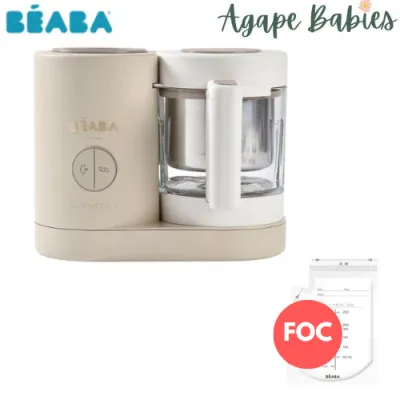
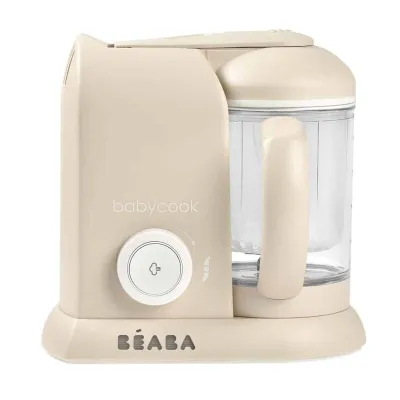
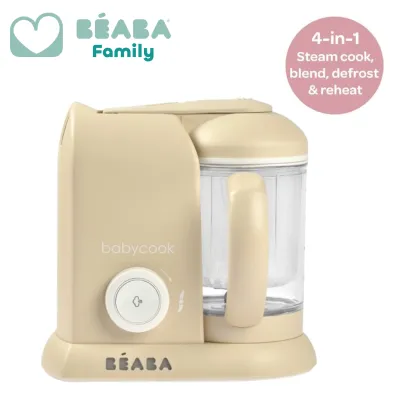
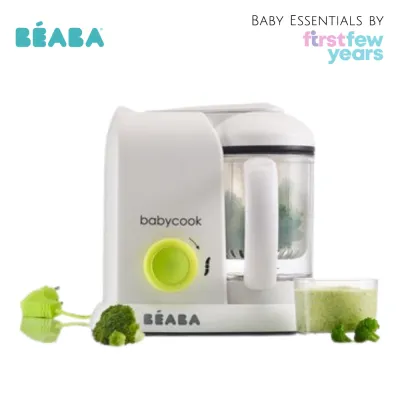
Prices are valid at publication and may change. Please refer to the product page for the latest price.
| Feature | Babycook Neo | Babycook Original |
|---|---|---|
| Primary Bowl Material | Glass | BPA/BPS-free Plastic |
| Water Tank Material | Stainless Steel | Plastic |
| Capacity Tier | Larger Capacity | Compact Capacity |
| Footprint | Standard / Broad | Space-Saving / Slim |
| Weight | Heavier (due to glass) | Lightweight |
Disclaimer: Please verify exact capacities, material safety certifications, and model variations on the specific product packaging or the manufacturer’s official documentation, as specifications can update across different production batches.
Capacity and Batch Cooking: How Much Do You Prep at Once?
Before selecting a baby food maker, it is essential to consider your meal preparation strategy. Parents generally fall into two categories: those who prefer batch cooking (preparing a week’s worth of purees at once and freezing them) and those who prefer daily, single-serve preparation to serve meals immediately.

The Babycook Neo features a larger capacity tier that is highly suited for batch cooking. With its spacious bowl, you can steam and blend multiple portions of vegetables, fruits, or meats in a single cycle. This reduces the overall time spent in the kitchen, allowing you to portion out meals into storage containers for the upcoming week without needing to run the machine repeatedly.
In contrast, the Babycook Original is designed with a more compact capacity. While it can still produce multiple servings, it is primarily optimized for daily, fresh-made meals or smaller appetites. If you plan to batch-cook extensively with the Original, you may find yourself running multiple consecutive cycles to achieve the same volume as one cycle in the Neo.
Regardless of the model you choose, always check the maximum fill lines marked inside the bowls to prevent overfilling, which can lead to uneven steaming or messy blending. Additionally, remember to verify your baby’s developmental readiness for solids—typically around six months of age—and consult a pediatrician or healthcare professional before introducing new food groups.
Materials and Build: Glass and Steel vs. Classic Plastics
The choice of materials is one of the most significant distinctions between these two models, impacting durability, weight, and long-term maintenance.
The Babycook Neo utilizes a high-quality glass bowl and a stainless steel water tank. Glass is highly favored by parents because it does not retain food odors, resist staining from vibrant ingredients like carrots, pumpkins, or tomatoes, and provides a heavier, highly stable base on the countertop. The stainless steel heating reservoir is also highly durable and resistant to rust when maintained correctly.
The Babycook Original relies on high-quality, BPA/BPS-free plastics for its bowl and water reservoir. The primary advantage of this construction is its lightweight nature. A plastic bowl is shatter-resistant and significantly easier to handle, lift, and pour with one hand—a practical benefit when you are multitasking or holding a baby in your other arm.
Over time, plastic bowls may experience minor staining or odor retention from certain foods. This is a normal characteristic of food-grade plastics and does not necessarily indicate a compromise in safety, provided the material remains structurally intact. To minimize staining, rinse the bowl immediately after use and avoid using abrasive scrubbing pads.
Always look for the manufacturer’s specific material safety labels and certifications on the product packaging or official website. Material standards for baby products are strictly regulated, and verifying these details ensures peace of mind regarding food contact safety.
Kitchen Footprint: Counter Space and Storage
For families living in compact homes, such as apartments or HDB flats in Singapore, kitchen counter space is premium real estate. The physical size and storage convenience of your baby food maker are practical daily considerations.
The Babycook Original is widely recognized for its slim, space-saving profile. Its narrow footprint allows it to tuck easily into tight kitchen corners, leaving ample room for other appliances. When not in use, its lightweight build makes it simple to lift and store in standard overhead cabinets or deep drawers.
The Babycook Neo has a broader base and a heavier overall build, largely due to its glass bowl and robust motor housing. It requires a more dedicated spot on your kitchen counter. Because glass is fragile, moving the Neo frequently in and out of high storage cabinets requires careful handling to prevent accidental drops or chips.
Before making your purchase, measure your available counter space and the height clearance beneath your upper kitchen cabinets. If you have limited space and prefer to store appliances away after every use, the compact design of the Original offers clear advantages.
Daily Usability: Steaming, Blending, and Ergonomics
Both the Neo and the Original utilize the same fundamental steam-and-blend technology. This means that the nutritional quality of the final meal depends entirely on the fresh ingredients you select and your preparation methods, rather than the specific model of the machine.
Ergonomically, the two models offer different handling experiences. The Neo’s glass bowl has a sturdy handle designed to support the heavier weight of the glass, requiring a secure grip when lifting, especially when the bowl is hot after a steaming cycle. The water reservoir on the Neo features a wide opening, making it straightforward to fill and monitor the water level.
The Original features a classic, lightweight handle that is easy to release and pour. The water reservoir opening is somewhat narrower, which may require a bit more precision when pouring water in to prepare for steaming.
Achieving the perfect puree consistency depends heavily on how you manage the cooking liquid. Both machines collect nutrient-rich condensation in the cooking basket during the steaming process. To control the texture, you should pour this liquid out into a separate cup before blending, then gradually add it back until you reach the smooth or textured consistency appropriate for your baby’s current feeding stage.
Both models feature automatic shutoff mechanisms and audible alerts that signal when the steaming cycle is complete. This allows you to walk away and attend to your baby without worrying about overcooking the food or dry-boiling the reservoir. Always supervise the appliance during operation and keep it out of reach of children.
Cleaning and Long-Term Maintenance
Keeping your baby food maker clean and hygienic is essential for your child’s health. The differences in bowl materials directly affect how you will clean and maintain each appliance over time.
The glass bowl of the Babycook Neo can be washed easily with standard dish soap and a soft sponge. Because glass is highly resistant to scratching, you do not have to worry about micro-scratches harboring bacteria or food residue. The stainless steel water tank is also straightforward to wipe down.
The plastic bowl of the Babycook Original requires gentle handling during cleaning. Avoid using steel wool or highly abrasive sponges, as these can scratch the plastic surface, creating crevices where food particles and bacteria can accumulate. Always use a soft cloth or sponge.
While some removable parts of these machines may be labeled as dishwasher-safe, always consult the specific user manual for your exact model before placing components in the dishwasher. High dishwasher temperatures and harsh detergents can accelerate the wear of plastic parts, seals, and rubber gaskets, or dull the blending blades.
Regardless of the model you select, regular descaling of the water reservoir is mandatory to maintain steam efficiency and prevent mineral buildup. This is especially important in municipal water systems where mineral content can vary. Use only manufacturer-approved descaling solutions or gentle food-safe mixtures as directed in the user manual, and avoid harsh industrial chemicals that could damage the heating element or contaminate future meals.
Final Decision: Which Model Should You Buy?
To make your final decision, evaluate your household routine against the specific strengths of each model.
- Choose the Babycook Neo if: You prefer premium glass and stainless steel materials, plan to batch-cook larger quantities of food to freeze, and have a dedicated space on your kitchen counter to accommodate a heavier, highly stable appliance.
- Choose the Babycook Original if: You have a compact kitchen with limited counter space, prefer a lightweight machine that is easy to handle and store away, and primarily intend to prepare smaller, fresh portions of food daily.
- Verify first if: You need to check the compatibility of any existing Beaba accessories (such as pasta/rice cookers or silicone portion containers) with the specific model you are buying, as accessories are often designed to fit only one specific bowl size.
Both models are highly capable tools that will greatly simplify your weaning journey, helping you prepare wholesome, homemade meals for your growing baby with minimal effort.
Frequently Asked Questions (FAQ)
Can I use the same accessories for both the Neo and the Original?
While some brand-wide accessories like storage silicone cups or weeding spoons are universally compatible, model-specific parts such as bowls, lids, blending blades, and steaming baskets are not interchangeable. Due to the significant differences in dimensions, shapes, and material designs between the glass-based Neo and the plastic-based Original, these components will only fit their respective models. Always check the accessory packaging or the official brand compatibility lists before purchasing replacement parts or add-ons.
Do both models require regular descaling?
Yes, both models require regular descaling to function efficiently. Any kitchen appliance that heats water will accumulate mineral scale over time, which can reduce steam output, increase cooking times, and eventually damage the heating element. You should inspect the water reservoir regularly and descale it according to the frequency recommended in your user manual, using approved descaling agents to avoid damaging the internal components or voiding your warranty.

Community discussion
Share your experience or ask a question. Comments are reviewed before publication.