
Preparing fresh, nutrient-dense meals for your baby is a rewarding milestone, but finding the right appliance to streamline the process is essential for busy parents. The Beaba Babycook range has long been a popular choice for families transitioning their infants to solid foods, offering a convenient way to steam, blend, defrost, and reheat ingredients in a single machine. Deciding which model best suits your kitchen and daily routine depends on your batch-cooking goals, material preferences, and countertop space.
To make an immediate decision, consider this quick selection framework based on your primary cooking habits and kitchen setup:
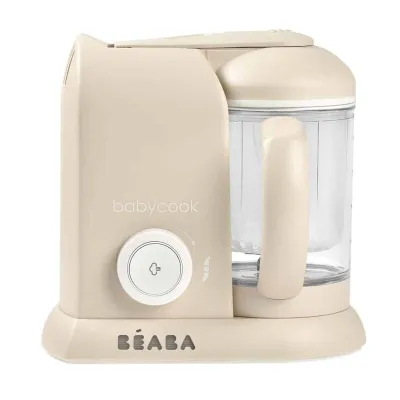
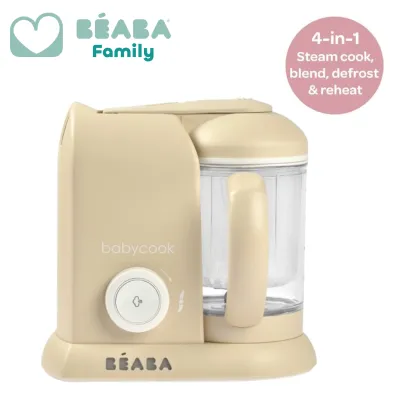
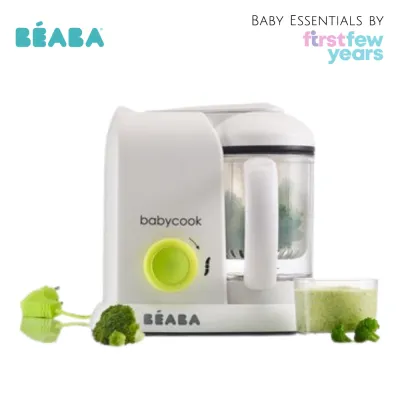
- Choose the Beaba Babycook Solo if you have limited countertop space, prefer preparing fresh meals daily or in small single-day batches, and want a lightweight, straightforward appliance.
- Choose the Beaba Babycook Duo if you have twins, are preparing meals for multiple children of different ages, or prefer high-volume batch cooking on weekends to freeze portions for the week ahead.
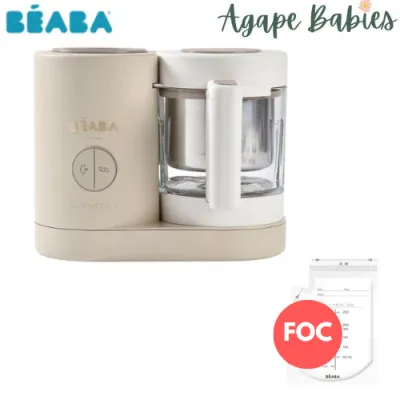
- Choose the Beaba Babycook Neo if you want to minimize plastic contact during the cooking process, preferring premium glass and stainless steel materials, along with an eco-conscious design.
Verify first before purchasing: Always confirm that the specific unit you are buying matches your local electrical standards. For Singapore, ensure the appliance is rated for 230V, 50Hz, and comes equipped with a safety-compliant Type G three-pin plug. Purchasing from unauthorized international sellers may result in voltage mismatches or incompatible plugs that compromise safety and void the manufacturer’s warranty.
Products mentioned in this guide
Prices are valid at publication and may change. Please refer to the product page for the latest price.
Key Features to Compare Across the Babycook Range
Selecting the right baby food maker requires looking past aesthetics to evaluate how each model handles the daily realities of food preparation. Understanding the technical differences in capacity, materials, core functions, and physical dimensions will help you choose a machine that integrates seamlessly into your household workflow.
Capacity and Batch Size
While product descriptions often highlight the total volume of the blending bowl, the actual usable capacity for steaming is always smaller. The steaming process requires food to be placed inside a dedicated basket, which sits within the main bowl to allow steam circulation. For example, a model with a nominal bowl capacity of 1,100ml may only accommodate around 800ml of raw ingredients in its steaming basket.
Before purchasing, verify the exact maximum fill lines and usable volumes on the manufacturer’s specification sheet. If you plan to cook and freeze multiple portions of purees at once, a higher-capacity model or a dual-bowl system will save you from running multiple consecutive cooking cycles. Conversely, if you prefer serving freshly made meals at every feeding, a standard single-bowl capacity is more than sufficient.
Bowl and Component Materials
The materials used in baby food makers directly impact durability, maintenance, and peace of mind. Standard models in the range typically feature bowls made from Tritan, a high-grade, food-safe copolyester. Tritan is highly resistant to impacts, lightweight, and engineered to withstand high temperatures without degrading. When purchasing these models, always check the product packaging or official documentation to verify that all food-contact components are certified BPA, BPS, and phthalate-free.
Premium models upgrade these components to borosilicate glass and stainless steel. Glass bowls offer excellent resistance to thermal shock and will not scratch, cloud, or retain food odors and stains over time. Stainless steel steam baskets provide a highly durable, non-reactive cooking environment. The trade-off is that glass components are significantly heavier and require more careful handling during washing to prevent accidental chipping or breakage.
Core Functions and Performance
All models in the current lineup share the core 4-in-1 functionality: steaming, blending, defrosting, and reheating. The steam cooking mechanism works by heating water in an internal reservoir and channeling the steam through the food basket, preserving essential vitamins and minerals that are often lost during traditional boiling. The condensation collected at the bottom of the bowl, rich in nutrients, can then be incorporated back into the food during the blending phase.
Differences arise in the blending control and motor performance. Some models feature a simple pulse-switch mechanism that gives you manual control over the texture, while others offer variable blending speeds to help you transition your baby from ultra-smooth stage 1 purees to chunkier, textured meals as they develop. Additionally, look at the water tank design; models with wide, accessible openings are significantly easier to fill, inspect, and descale than those with narrow, recessed ports.
Footprint and Storage Constraints
Kitchen space is a premium commodity in many modern households, particularly in compact apartments or condominiums. A dual-bowl appliance offers double the cooking capacity but occupies a substantial amount of counter space. You must evaluate whether you have a dedicated, permanent spot for a wider appliance near an electrical outlet, or if you will need to store it in a cabinet between uses.
Single-bowl models have a much smaller footprint and are light enough to be moved easily. When evaluating dimensions, do not forget to measure the vertical clearance beneath your upper kitchen cabinets. Because these machines release steam from the top lid during the cooking cycle, they require adequate overhead ventilation to prevent moisture build-up on your cabinetry.
Detailed Breakdown: Solo, Duo, and Neo
To find the ideal match for your family, it helps to examine how these features come together in each individual model. Each appliance is designed with a specific type of parent and kitchen routine in mind.

Beaba Babycook Solo
The Solo is the classic, single-bowl workhorse of the range, designed for straightforward, daily meal preparation. Featuring an 1,100ml bowl capacity, it allows you to prepare several portions of baby food in a single cycle. Its compact, vertical design ensures it takes up minimal space on your kitchen counter, making it an excellent choice for smaller kitchens or shared culinary spaces.
Operating the Solo is highly intuitive, utilizing a single control button to start the steaming cycle and a manual pulse dial to control the blending texture. The lightweight plastic construction makes it easy to lift, clean, and store away if you prefer to keep your countertops clear. However, because it has a single bowl, you cannot steam and blend different ingredients simultaneously; you must wait for the steaming cycle to finish, transfer or blend the food, and wash the components before starting a new recipe. Typical steam cycles for vegetables and meats range from 15 to 20 minutes, depending on the water volume added to the reservoir.
Beaba Babycook Duo
The Duo is specifically engineered for parents who want to maximize efficiency through high-volume preparation or simultaneous cooking. It features two independent bowls, each with an 1,100ml capacity, providing a total prep volume of 2,200ml. This dual-zone design is powered by separate heating elements and water reservoirs, allowing you to run two completely different cooking cycles at the same time.
With the Duo, you can steam savory chicken and vegetables in one bowl while preparing a sweet fruit puree in the other, without any flavor transfer. This is incredibly useful for batch cooking over the weekend, preparing meals for twins, or managing the nutritional needs of a baby and a toddler simultaneously. The primary compromise is the appliance’s physical size; it is nearly twice as wide as the Solo and requires a permanent, dedicated space on your countertop. It also means you will have twice as many bowls, lids, and steam baskets to clean after a cooking session.
Beaba Babycook Neo
The Neo represents the premium, eco-designed tier of the range, focusing on material quality and environmental sustainability. It replaces plastic food-contact parts with a high-capacity 1,250ml glass bowl manufactured in partnership with glass specialist Duralex, alongside a robust stainless steel steam basket. This combination is ideal for parents who wish to eliminate plastic from the heating and steaming stages of food preparation.
Beyond materials, the Neo features an updated eco-design that uses less water and energy per cooking cycle compared to older models. Its high-performance blade, designed by commercial cutlery manufacturer Sabatier, provides highly efficient blending for both smooth and textured finishes. The wide-opening water tank is made of stainless steel, making it exceptionally easy to clean and descale. Keep in mind that the glass bowl and steel basket make the Neo heavier than the Solo, and you must handle the glass components with care to avoid thermal shock or impact damage. Always verify the manufacturer’s care instructions regarding thermal limits and dishwasher usage for these premium parts.
How to Choose Based on Your Kitchen and Cooking Routine
Translating technical specifications into a daily kitchen routine requires looking at your living space, scheduling constraints, and clean-up preferences. The best model is the one that fits naturally into your existing lifestyle without adding unnecessary friction.
Space vs. Output in Compact Kitchens
For families living in urban apartments, HDB flats, or compact condominiums, counter space is often highly contested. If your kitchen has limited workspace, the Solo or the Neo is generally the more practical choice. Their vertical profiles leave plenty of room for other essential countertop appliances like kettles, sterilizers, or prep boards.
If you decide that the high output of the Duo is absolutely necessary for your lifestyle, plan your storage in advance. If you do not have the counter space to leave it out permanently, ensure you have a deep, easily accessible cabinet or pantry shelf where it can be stored. Dragging a heavy, wide appliance out of a hard-to-reach cupboard every time you need to make food can quickly become a deterrent to using it.
Aligning with Your Meal Prep Frequency
Your parenting schedule and meal prep style should dictate your choice of capacity. If you prefer a “cook-as-you-go” approach—preparing small, fresh portions of food alongside your family’s daily meals—the Solo or Neo will serve you perfectly. They are quick to set up, fast to heat, and ideal for processing small quantities of fresh ingredients.
If you are a working parent who prefers to dedicate a block of time on Sunday afternoon to prepare and freeze a two-week supply of purees, the Duo is the far superior option. The ability to process large quantities of different ingredients simultaneously reduces your overall kitchen prep time by half, allowing you to fill your freezer trays quickly and efficiently.
Workflow and Cleaning Realities
Every kitchen task ends with cleanup, and baby food preparation is no exception. Before making your purchase, consider how much time you are willing to spend washing up. The plastic bowls of the Solo and Duo are lightweight and easy to rinse quickly, but they can be prone to staining when processing highly pigmented foods like carrots, pumpkins, or sweet potatoes. Rinsing them immediately after use or wiping them with a small amount of cooking oil can help minimize this staining.
While the Neo’s glass bowl is completely resistant to staining and odors, it is heavier and requires more cautious handling in a wet, soapy sink. If you rely heavily on a dishwasher, verify the dishwasher compatibility of all bowls, lids, blades, and gaskets for the specific model you choose. Some components may be top-rack dishwasher safe, while others, such as the blending blades or sealing gaskets, are best washed by hand to preserve their sharpness and sealing integrity over time.
Cleaning, Descaling, and Long-Term Maintenance
To ensure your baby food maker remains hygienic and functions safely, regular maintenance is required. Because these machines handle food for developing immune systems, keeping the steam pathways and blending chambers free of mold, bacteria, and mineral scale is a critical responsibility.
Routine Cleaning Practices
After every use, disassemble the appliance completely. Remove the steaming basket, detach the blending bowl, and carefully unlock the blade assembly from the bottom of the bowl. Be extremely cautious when handling the blending blades, as they are exceptionally sharp.
Wash all removable parts in warm, soapy water using a soft sponge. Avoid using abrasive scouring pads, steel wool, or harsh chemical cleansers, as these can scratch plastic surfaces, create microscopic grooves where bacteria can multiply, or damage the protective finish on glass and metal. Rinse thoroughly with clean water and allow all parts to air-dry completely before reassembling the unit.
Descaling the Steam Tank
Over time, heating water in the reservoir will lead to mineral deposits, commonly known as scale, building up on the heating element. This build-up reduces heating efficiency, increases steam cycle times, and can eventually cause the heating element to overheat and fail. In regions with hard water, descaling must be performed more frequently.
To descale the water tank safely, always follow the manufacturer’s precise instructions. A common and safe method involves using a 50/50 mixture of water and food-grade white vinegar, or an official Beaba descaling liquid:
- Ensure the appliance is unplugged and completely cool.
- Pour the descaling solution directly into the water reservoir.
- Leave the solution to sit cold overnight (do not run the heating cycle with the descaling solution inside unless explicitly instructed by the manual).
- Empty the reservoir and rinse it thoroughly with clean water.
- Run one or two steam cycles using only pure, distilled water to flush out any remaining vinegar taste or residue.
Never use commercial chemical descalers, kettle cleaners, or bleach in your baby food maker’s water tank, as these can leave toxic residues that are unsafe for infant food preparation.
Part Inspection and Replacement
Regularly inspect the wear-and-tear components of your appliance to prevent leaks, motor strain, or safety hazards. Check the rubber sealing gaskets on the blade assembly and the reservoir lid for signs of cracking, stretching, or mold growth. If a gasket is compromised, replace it immediately to prevent hot liquids or steam from escaping.
Monitor the sharpness and stability of the blending blade. If you notice the motor straining or if the blending performance decreases significantly, the blade may need replacement. Always source official spare parts through authorized brand channels to ensure compatibility and maintain safety standards.
Frequently Asked Questions (FAQ)
Can I use the Beaba Babycook to prepare food for the whole family? (FAQ)
Yes, the steaming and blending functions are highly versatile and can be used for family meal prep beyond baby food. You can use it to steam small portions of side vegetables, cook fish, or blend homemade sauces, dips, and fruit purees. However, keep in mind that the appliance is designed for small-scale preparation; you must respect the maximum fill lines and avoid overloading the bowl or motor with large, dense family-sized portions.
Are the plastic bowls in the standard models safe for heating? (FAQ)
Yes, the plastic bowls used in standard models like the Solo and Duo are made from high-grade, food-safe Tritan copolyester. This material is completely BPA, BPS, and phthalate-free, and is specifically engineered to remain stable and safe under high steaming temperatures. However, you should never place these plastic bowls in a microwave, conventional oven, or sterilizer unless the manufacturer’s user manual explicitly states it is safe to do so.
How long does a typical steam and blend cycle take? (FAQ)
A standard steam cycle typically takes between 15 and 20 minutes, depending on the volume of water added to the reservoir and the density of the food. Harder root vegetables like carrots or sweet potatoes may require a full water reservoir (level 3) and the maximum steaming time, while delicate fruits or fish require less water and steam faster. The blending process is manual and highly rapid, usually taking only 5 to 15 seconds of pulsing to achieve the desired consistency.

Community discussion
Share your experience or ask a question. Comments are reviewed before publication.