
Quick Answer: Is B&B the Best Baby Detergent for Your Needs?
B&B is a highly popular and accessible baby detergent brand in Singapore, but there is no single best option that fits every household. The ideal choice for your family depends on your baby’s specific skin sensitivity, the types of stains you encounter daily, and your household budget.
For general, everyday baby laundry, B&B offers a highly balanced and reliable solution. However, if your newborn has diagnosed eczema or highly reactive skin, you may need to look toward specialized premium brands that offer ultra-minimalist, fragrance-free formulations. Conversely, if you are managing tough, dried-on food stains from an older baby who has started solid foods, a heavy-duty enzymatic formula might be more effective than a standard mild detergent.
Regardless of which brand you choose, you must always verify the ingredient labels on the physical packaging and conduct a patch test on a small piece of clothing before washing your baby’s entire wardrobe. If your baby develops any skin irritation, stop using the product immediately and consult a qualified healthcare professional.
Products mentioned in this guide
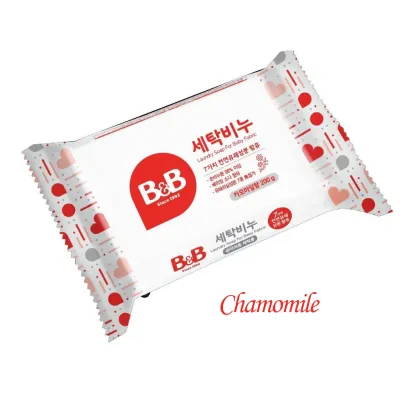
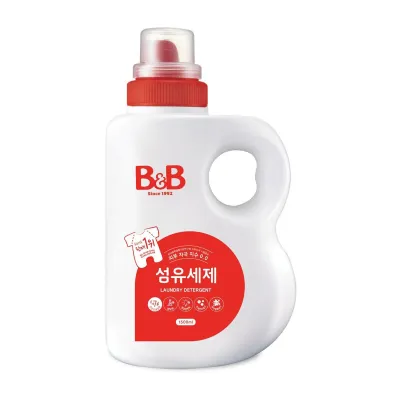
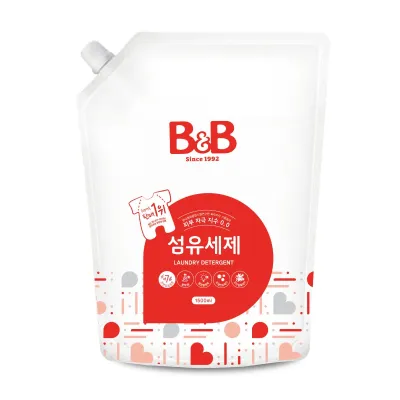
![[2-Pack] B&B Fabric Detergent](https://img.lazcdn.com/g/p/f98f59cbb338aa7a62f957af1e780f6f.png_400x400q80.png_.webp)
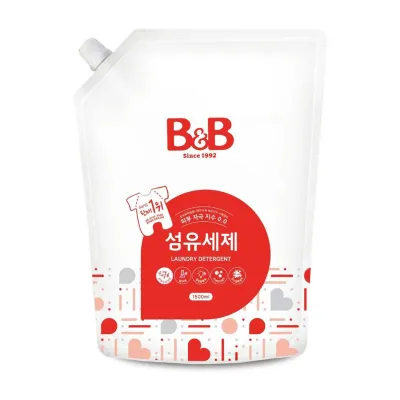
Prices are valid at publication and may change. Please refer to the product page for the latest price.
3 Key Dimensions to Evaluate Before You Buy
Choosing a baby detergent requires looking past marketing claims on the front of the bottle. To make an informed decision, you should evaluate any brand, including B&B, across three primary dimensions: ingredient safety, cleaning performance, and true cost-per-wash.

Ingredient Safety and Skin Compatibility
When evaluating a detergent’s safety, the ingredient list on the back of the packaging is your most reliable guide. You should actively check for the absence of harsh synthetic surfactants like Sodium Lauryl Sulfate (SLS) and Sodium Laureth Sulfate (SLES), which can strip moisture from delicate skin. Additionally, look out for optical brighteners, which are synthetic chemicals designed to remain on fabrics to make them appear whiter, as well as artificial dyes and strong synthetic fragrances.
It is important to understand that terms like “hypoallergenic,” “natural,” or “gentle” are marketing descriptors and are not universally regulated by standard definitions. A product labeled “gentle” can still contain synthetic fragrances that may trigger contact dermatitis in sensitive babies. In Singapore’s hot and humid climate, residual fragrances and chemicals in fabric fibers can mix with sweat, increasing the risk of skin friction and irritation. Therefore, parents of babies with highly sensitive skin should prioritize fragrance-free options and look for specific, verifiable dermatological testing certifications on the packaging.
Cleaning Performance and Stain Types
Baby laundry changes dramatically as your child grows. In the early months, you will primarily deal with protein-based stains like breastmilk, formula, and spit-up, alongside occasional diaper leaks. As your baby transitions to solid foods around six months of age, you will encounter complex starch, fruit, and oil-based stains that are much more difficult to remove.
To tackle these different messes, look at how the detergent is formulated. Standard plant-derived surfactants are excellent for general dirt and light milk spills, but they may struggle with stubborn, dried-on food. For older babies, detergents containing enzymes (such as protease for proteins and amylase for starches) are highly effective at breaking down tough food residues. However, stronger cleaning power requires thorough rinsing. If a detergent does not rinse away cleanly, the leftover chemical residue in the fabric can irritate your baby’s skin. When washing, ensure your washing machine is not overloaded so that the water can effectively flush out all detergent residues.
True Value and Cost-Per-Wash
Comparing detergents solely by the retail price of the bottle can be highly misleading. A large, inexpensive bottle might seem like a great deal, but if the formula is highly diluted, you will need to use a much larger capful for every load, causing you to run out of detergent quickly.
To find the true value, calculate the cost-per-wash using this simple method:
- Identify the total price of the bottle or refill pack (for example, S$15.00).
- Check the manufacturer's dosage chart on the back of the packaging to find the recommended volume per standard load (e.g., 30ml for a medium load).
- Divide the total volume of the bottle (e.g., 1500ml) by the recommended dose to find the total number of washes per bottle (1500ml / 30ml = 50 washes).
- Divide the total price by the number of washes to get the cost-per-wash (S$15.00 / 50 washes = S$0.30 per wash).
Concentrated formulas generally offer a lower cost-per-wash and have the added benefit of taking up less storage space in compact Singapore HDB service yards. They also reduce packaging waste, making them a more environmentally conscious choice.
Understanding B&B Baby Detergent: Variants and Label Checks
B&B (Breathe & Breathe) is a well-established South Korean baby care brand widely distributed in Singapore. To determine if it is the right fit for your home, you need to understand its product lineup and know how to verify its specific features.
Product Positioning and Lines
B&B positions itself as a dedicated, family-friendly brand focusing on mild yet effective cleaning solutions. In Singapore, you will typically find their products in major supermarkets, baby specialty stores, and online marketplaces. Their laundry lineup generally includes liquid laundry detergents, fabric softeners, specialized stain remover sprays, and traditional laundry soaps designed for hand-washing delicate items or pre-treating stubborn stains.
Their liquid detergents are often formulated with plant-derived cleaning agents, such as those derived from coconut, and frequently incorporate natural extracts like soapwort or ferment extracts. However, because product formulations can change, you should always check the specific bottle in hand to confirm the exact ingredients.
What to Verify on the Label
Before purchasing a bottle of B&B detergent, take a moment to inspect the label carefully. First, verify the fragrance status. B&B offers both scented variants (often featuring mild herbal or floral scents) and fragrance-free options. If your baby has sensitive skin or a history of allergies, ensure you are selecting the fragrance-free variant, as even mild scents from natural extracts can occasionally cause reactions in highly sensitive newborns.
Second, check the surfactant base listed on the ingredient panel to confirm it aligns with your preferences, such as plant-based versus synthetic ingredients. Lastly, look for any manufacturing or expiry dates. While detergents generally have a long shelf life, using a product within its recommended timeframe ensures that the preservatives and cleaning agents remain fully effective.
Usage and Dosage Guidelines
To achieve the best safety and cleaning results, you must strictly follow the manufacturer’s dosage guidelines printed on the back of the B&B bottle. Many modern homes in Singapore use front-load washing machines, which are highly water-efficient but require low-sudsing detergents and precise dosing.
Using more detergent than recommended will not make the clothes cleaner; instead, it creates excess suds that are difficult to rinse out, leaving a soapy residue on your baby’s clothes that can irritate their skin. On the other hand, under-dosing can leave milk proteins and oils trapped in the fabric fibers. Over time, these trapped residues can oxidize in Singapore’s humid air, causing baby clothes to develop a sour smell and turn yellow.
Comparing B&B with Other Popular Market Categories
To help you decide whether to choose B&B or another option, it is helpful to compare B&B’s general characteristics against other broad categories of baby-safe detergents available in Singapore.
B&B vs. Premium / Dermatologist-Tested Brands
Premium baby detergents, including certified organic or ultra-minimalist European and Australian brands, often focus on extremely simple ingredient lists with zero synthetic additives. These brands frequently carry independent certifications from organizations like Allergy Certified or Eco-cert, which verify that the ingredients meet strict environmental and skin-safety standards.
While B&B focuses on mild, plant-derived ingredients and practical cleaning power, premium brands often go a step further by eliminating plant extracts or natural oils that could potentially trigger allergies. If your baby has severe eczema, active skin flares, or diagnosed contact dermatitis, a premium, certified fragrance-free minimalist detergent is often the safer choice. However, for babies with typical skin, B&B provides a highly competitive, everyday alternative that balances gentle ingredients with effective cleaning.
B&B vs. Mainstream Family Detergents
Many household detergent brands offer “gentle,” “sensitive,” or “pure” variants designed for the whole family. These family detergents are highly convenient because they allow you to wash everyone’s clothes together in a single load, and they are generally more affordable and widely available in local supermarkets.
However, there is a distinct trade-off. Mainstream sensitive detergents are often formulated for general adult soils and may still contain trace amounts of optical brighteners or synthetic fragrances designed to make adult laundry smell fresh for longer. Dedicated baby brands like B&B are formulated specifically with newborn skin in mind and are tailored to target baby-specific stains like breastmilk and formula. If you choose to use a mainstream family detergent, ensure it is completely free of optical brighteners and added dyes, and monitor your baby’s skin closely for any signs of irritation.
B&B vs. Budget / Bulk Options
Budget-friendly baby detergents and bulk-buy options are highly appealing due to their low upfront retail price. These products are often sold in large multi-liter jugs, making them a popular choice for budget-conscious households.
While the initial cost is low, these budget options are often less concentrated, meaning you must use larger doses per wash. They may also lack specialized cleaning agents, requiring you to spend more time pre-treating stains or running extra rinse cycles to ensure no soapy residue remains in the fabric. B&B’s concentrated formula typically offers a more efficient balance, delivering solid cleaning power per milliliter and reducing the need for repeated rinsing, which saves both water and time in the laundry room.
Safety Reminder
No matter how highly rated or gentle a detergent claims to be, no product is 100% allergy-proof for every single baby. If you notice persistent redness, dry patches, or a raised rash on your baby’s skin where their clothes make contact, stop using your current detergent immediately. Wash their clothes in plain water to remove any lingering residues, and consult a pediatrician or dermatologist to identify the underlying cause.
Final Verdict: Which Detergent Should You Choose?
To make your final decision, match your household’s specific needs and your baby’s skin profile to the appropriate detergent category:
- Choose B&B if: You want a reliable, widely available, and balanced baby detergent that effectively handles everyday milk stains and light soils, and your baby has typical skin without a history of severe allergies, eczema, or extreme sensitivity.
- Choose a Premium / Minimalist Alternative if: Your baby has diagnosed eczema, highly reactive skin, or known allergies, or if you strictly prefer ultra-minimalist, fragrance-free formulations with verifiable international allergy certifications. Always check the physical bottle's label to confirm the ingredients before buying.
- Choose a Heavy-Duty / Enzyme Alternative if: Your baby is older, actively weaning, and generating tough, stubborn food stains (such as purees, berries, or oils), and you require robust enzymatic action to keep fabrics clean. Ensure the formula is still specifically designated as baby-safe and rinses away thoroughly.
- Verify First if: Your baby has an active skin condition or a history of contact dermatitis. In these situations, consult your pediatrician before introducing any new laundry product. Always perform a patch test by washing a single item, such as a muslin swaddle or bib, and having your baby wear it for a day to observe their skin's reaction before washing their entire wardrobe.
Frequently Asked Questions (FAQ)
Do I really need a special detergent for my baby's clothes?
While some mild, completely fragrance-free family detergents can be safe, dedicated baby detergents are specifically formulated to address two unique needs. First, they are designed to target and break down baby-specific stains like breastmilk, formula, and spit-up. Second, they minimize or entirely exclude harsh synthetic chemicals, optical brighteners, and heavy dyes that can easily penetrate and irritate a newborn’s thin, delicate skin barrier. If you choose to use a family detergent, you must carefully inspect its ingredient list to ensure it is free from these common irritants.
How should I wash new baby clothes before the first use?
Always wash new baby clothes, blankets, bedsheets, and muslin swaddles before your baby wears or touches them. New fabrics often carry chemical residues from the manufacturing process, as well as dust and excess dyes from shipping and storage. To wash them safely, use a gentle wash cycle on your machine with the manufacturer’s recommended dose of baby detergent. Ensure the clothes undergo a thorough rinse cycle to remove all soap traces, and dry them completely in a clean, dust-free environment before folding and storing them.
What should I do if my baby develops a rash after changing detergents?
If your baby develops a rash after you introduce a new detergent, stop using that product immediately. Switch back to your previous trusted brand, or temporarily wash your baby’s clothes, bedding, and towels in plain water to eliminate any lingering detergent residues. Monitor the rash closely; if it persists, worsens, spreads, or causes your baby obvious discomfort, consult a pediatrician promptly. To prevent widespread reactions in the future, always perform a patch test on a single clothing item before using a new detergent brand on your baby’s entire laundry load.

Community discussion
Share your experience or ask a question. Comments are reviewed before publication.