
When selecting a sleep space for your newborn, safety certifications must be your primary consideration. A safe sleep environment is critical during the first few months of an infant’s life, and relying solely on visual appeal or brand popularity can put your baby at risk. Understanding the specific safety standards and physical design features of a bassinet ensures you make an informed, secure purchase.
Bassinets sold in Singapore often come from international manufacturers, meaning you will need to look for recognized global safety certifications. These standards guarantee that the product has undergone rigorous testing for structural integrity, mattress firmness, stability, and breathable materials. By verifying these certifications and performing physical checks, you can create a secure sleeping environment that supports safe sleep practices.
Why Safety Standards Are Critical for Newborn Sleep
Newborns are exceptionally vulnerable during sleep due to their physical limitations. In their first few months, infants lack the neck strength to lift their heads if their airway becomes obstructed, and they cannot roll over or move away from hazards. Because newborns spend up to 18 hours a day sleeping, their sleep space must be designed to accommodate these developmental limitations safely.
Products mentioned in this guide
![[FREE GIFT] Mastela 6 in 1 Deluxe Multi-Functional Baby Bassinet (Oval)](https://img.lazcdn.com/g/p/0d5274b4750543041b9c68de774d27d0.jpg_400x400q80.jpg_.webp)
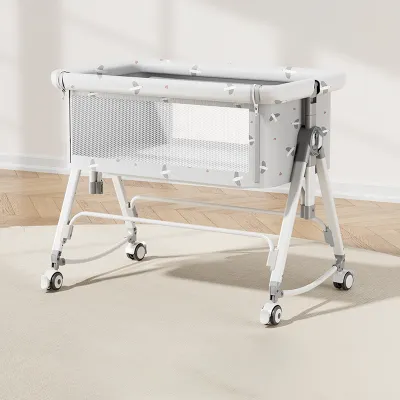
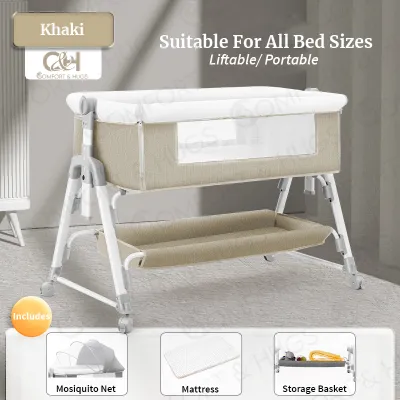
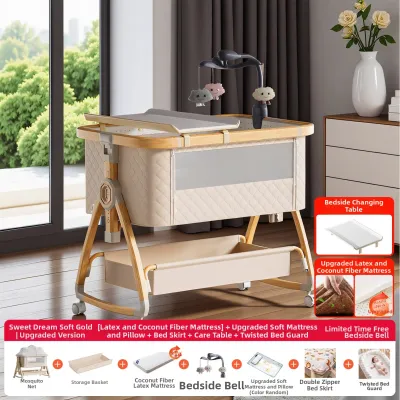
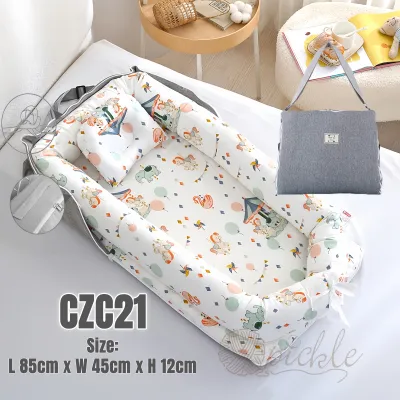
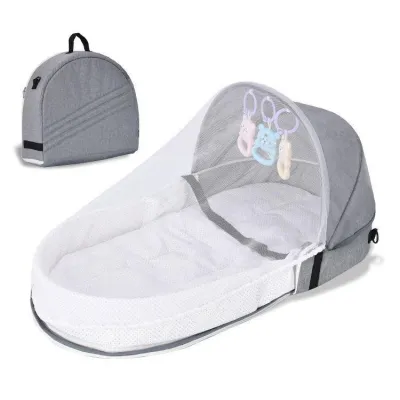
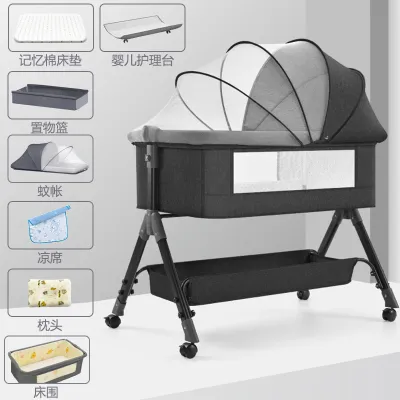
Prices are valid at publication and may change. Please refer to the product page for the latest price.
Safety standards are specifically engineered to address and mitigate known sleep hazards. These include suffocation from soft surfaces, entrapment in gaps between the mattress and the frame, structural collapse, and tipping. Without standardized testing, there is no guarantee that a product can withstand daily use or remain stable when a baby moves.
When shopping, it is easy to be swayed by aesthetic trends, such as bohemian wicker baskets, draped fabric cradles, or modern minimalist designs. However, visual appeal must never override verified safety compliance. A beautiful bassinet is useless if its sides are not breathable, its base is unstable, or its mattress is too soft. Prioritizing certified compliance is the most reliable way to protect your baby from preventable sleep-related accidents.
Recognized International Safety Standards to Look For
Because Singapore regulates non-electric nursery furniture under general consumer product safety frameworks rather than a single local safety mark, you must look for international certifications. Reputable manufacturers will display these standards on product packaging, sewn-in labels, or within the instruction manual. Avoid products that use vague marketing terms like “safety-tested” or “pediatrician-approved” without citing a specific, numbered standard.

When evaluating a bassinet, cross-reference the certified standard with the product’s manual to verify its intended age, weight, and developmental limits. Different regions have established highly rigorous testing protocols that you can look for on the label.
North American Standards (ASTM)
In North America, the primary safety standard for these products is ASTM F2194. This standard is established by ASTM International and is mandatory for any bassinet or cradle sold in the United States. It involves rigorous testing for structural stability, side height, and mattress thickness to prevent suffocation and falls.
When a product complies with ASTM F2194, it means the frame has been tested to ensure it will not collapse under pressure and that the mattress fits tightly within the frame. You should look for this specific designation on the product’s law tag, packaging, or instruction manual before purchasing.
European Standards (EN)
European safety benchmarks are highly detailed and widely respected globally. For bassinets and cribs, the key standard to look for is EN 1130. If you are looking at a carrycot or a bassinet that detaches from a stroller stand, the applicable standard is EN 1466.
These European standards focus heavily on preventing entrapment hazards, ensuring adequate side wall height, and testing the strength of the base and handles. Products meeting these standards will often carry the CE mark, but you should verify that the manufacturer’s documentation explicitly references EN 1130 or EN 1466 to ensure the mark applies to the furniture’s structural safety.
Australian and New Zealand Standards (AS/NZS)
Australia and New Zealand maintain some of the strictest consumer safety laws in the world. While AS/NZS 2172 is the primary standard governing household cots, specific safety guidelines and mandatory standards are issued by regional consumer protection agencies for bassinets.
These guidelines place immense emphasis on mattress firmness, adequate ventilation, and the prevention of falls. Products designed for the Australasian market that meet these rigorous requirements will display clear compliance declarations on their packaging, offering high peace of mind for parents.
Physical Safety Features You Must Verify Before Buying
While certifications are essential, you must also perform physical checks on the product. Whether you are examining a display model in-store or reviewing detailed specifications online, verifying these physical design features will help ensure the bassinet is safe for daily use.
Mattress Firmness and Fit
- The Firmness Test: A safe bassinet mattress must be exceptionally firm. When you press your hand down onto the mattress and lift it, the surface should instantly spring back without leaving any indentation. If the mattress conforms to the shape of your hand or feels plush, it poses a severe suffocation risk to a newborn.
- The Two-Finger Rule: There should be no significant gap between the edge of the mattress and the inner walls of the bassinet. To test this, slide your fingers between the mattress and the side wall. If you can fit more than two fingers (approximately 3 centimeters) in the gap, the mattress is too small, creating a dangerous entrapment zone where a baby's head or limbs could get stuck.
- Avoid Aftermarket Additions: Never add an aftermarket mattress, mattress topper, or extra padding to the bassinet. The product is only safety-certified with the exact mattress provided by the manufacturer. Adding soft sheets, mattress protectors that do not fit tightly, or pillows can compromise the tested safety profile.
Stability and Base Construction
- Wide, Solid Base: A safe bassinet must have a wide, sturdy base that extends beyond the width of the sleeping compartment. This design lowers the center of gravity and prevents the unit from tipping over if bumped by a sibling, pet, or parent in the dark.
- Secure Locking Mechanisms: If the bassinet features wheels, folding joints, or rocking capabilities, check the locks carefully. Wheels must lock securely to prevent sliding. Folding models must have a double-action locking system so they cannot accidentally collapse while the baby is inside.
- Adhere to Weight and Developmental Limits: Always check the manufacturer's specified weight limit, which typically ranges from 6.8 to 9 kilograms. However, developmental milestones are even more critical than weight. You must stop using the bassinet the moment your baby shows signs of rolling over, pushing up on their hands and knees, or attempting to sit up, regardless of their weight.
Breathable Materials and Mesh Sides
- Tightly Woven Mesh: If the bassinet has mesh sides, inspect the weave. The mesh must be fine enough to prevent tiny fingers, toes, or clothing buttons from getting caught, yet open enough to allow continuous airflow. Tight mesh also prevents a baby's face from pressing into a pocket of trapped air.
- Airflow in Humid Climates: In Singapore's warm, humid climate, adequate ventilation is crucial to prevent overheating. Mesh sides that extend all the way down to the mattress level ensure that air flows freely around your baby, even if they wiggle close to the side walls.
- Avoid Padded Linings: Do not buy bassinets with thick, quilted, or heavily padded interior fabric linings. While they may look cozy, these padded sides restrict airflow and present a direct suffocation hazard if the baby rolls against them. Solid-sided wooden or plastic bassinets must have sufficient depth to prevent falls while ensuring the sleeping area remains well-ventilated.
Major Red Flags and Unsafe Bassinet Designs to Avoid
Certain design trends and features pose documented hazards to newborns. When shopping, avoid products that incorporate the following unsafe characteristics:
- Inclined Sleepers: Never use a bassinet or sleeper with an incline greater than 10 degrees. Sleeping on an incline can cause a newborn's heavy head to tilt forward onto their chest, compressing their airway and causing positional asphyxiation. Many international regulatory bodies have banned inclined sleep products entirely.
- Plush or Soft Sides: Avoid bassinets featuring heavily cushioned, pillow-like side walls or integrated fabric bumpers. These materials can easily block an infant's nose and mouth if they roll or press their face against the side.
- Drop-Side Mechanisms: While drop-side designs make it easier to reach your baby, they are associated with severe safety risks. Over time, the hardware can fail, creating a gap between the mattress and the drop-side where a baby can become trapped and suffocate. Because of this, drop-side mechanisms are banned or heavily restricted in many jurisdictions.
- Rocking Features Without Locks: A rocking bassinet can help soothe a fussy baby, but it must have a secure manual lock. Never let your baby sleep unattended in a bassinet that can rock freely. If the baby shifts their weight, the bassinet can tilt, causing the infant to slide into a corner and suffocate against the side wall.
- Decorative Hazards: Avoid bassinets adorned with decorative ribbons, long cords, dangling toys, or loose fabric drapes. These elements pose immediate strangulation and choking risks. Any included toy bars must meet strict pull-force limits and remain completely out of the baby's reach.
Safe Sleep Practices: Using the Bassinet Correctly
Even the most highly certified, safety-tested bassinet cannot protect your baby if it is used incorrectly. To maximize safety, you must combine a certified product with established pediatric safe sleep guidelines.
Always place your baby on their back for every sleep period, including daytime naps and nighttime sleep. This position keeps the airway fully open and significantly reduces the risk of Sudden Infant Death Syndrome (SIDS). Once your baby can roll over independently, they may find their own sleep position, but they must always start on their back.
Remember that “bare is best” when dressing the sleep space. The bassinet should contain only the firm mattress and a tight, custom-fit sheet designed specifically for that model. Do not add blankets, pillows, quilts, stuffed toys, or sleep positioners. If you are concerned about your baby getting cold, use a wearable sleep sack or swaddle appropriate for their age, weight, and the ambient room temperature.
Place the bassinet in your bedroom close to your bed for at least the first six months. This room-sharing practice allows you to monitor and feed your baby easily while avoiding the significant safety risks associated with bed-sharing. Never place the bassinet near windows, cords, blinds, or heaters, and always follow the manufacturer’s instructions for assembly, maintenance, and safe usage limits.
Frequently Asked Questions (FAQ)
Does a bassinet need a specific local safety mark in Singapore?
Non-electric nursery furniture like bassinets does not require a specific local safety mark, such as the Safety Mark found on household electrical appliances. Instead, these products are regulated under general consumer product safety requirements overseen by the Consumer Product Safety Office under Enterprise Singapore. When shopping in Singapore, look for bassinets imported by reputable retailers that explicitly comply with recognized international standards, such as ASTM F2194, EN 1130, or AS/NZS guidelines.
Is it safe to buy or use a second-hand bassinet?
Using a second-hand bassinet carries inherent safety risks and is generally not recommended unless you can verify its complete history. Older models may have hidden structural damage, missing hardware, or outdated designs that do not comply with current safety standards. They may also be subject to safety recalls. If you must use a pre-owned bassinet, verify the exact model against international recall databases, ensure you have the original assembly manual and all original parts, and confirm the mattress is firm, clean, and fits perfectly with no gaps.
When should I transition my baby from a bassinet to a crib?
You should transition your baby to a full-sized crib or cot when they reach the manufacturer’s maximum weight limit or when they reach key developmental milestones, whichever comes first. Typically, the weight limit is between 6.8 and 9 kilograms. However, developmental milestones almost always dictate the transition first. You must move your baby to a crib as soon as they show signs of rolling over, pushing up on their hands and knees, or attempting to sit up, as they can easily tip a bassinet or fall over its low sides once they gain this mobility.

Community discussion
Share your experience or ask a question. Comments are reviewed before publication.