
Finding the perfect diaper bag is only half the battle; keeping it organized amidst the chaos of daily outings with a baby is another challenge entirely. Many parents in Singapore turn to a bag in bag organizer to bring order to their baby gear, hoping to find a quick way to swap essentials between a large travel backpack and a stylish daily tote. However, there is no single, universal bag-in-bag organizer that fits every diaper bag on the market.
Compatibility is not determined by brand names or generic “universal fit” labels. Instead, a successful fit depends entirely on matching the physical, external dimensions of the insert with the true, usable interior space of your specific diaper bag. Because diaper bags vary widely in their internal volume, base shapes, structural rigidity, and closure styles, finding the right match requires a methodical approach to measuring, comparing materials, and understanding how different organizer designs behave inside a soft or structured bag.
How to Verify Compatibility Before You Buy
Shopping for an insert online often leads to frustration when the received product is either too large to zip closed or so small that it slides around, causing the bag to tip over. To prevent these issues, parents must take precise measurements of their current diaper bag before committing to a purchase.
Products mentioned in this guide
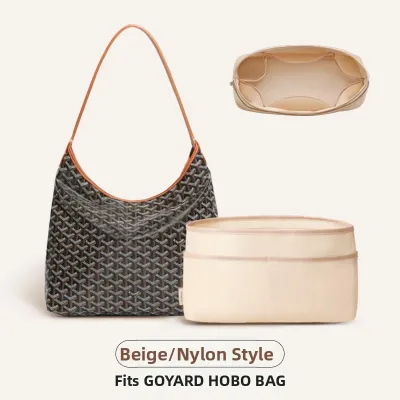
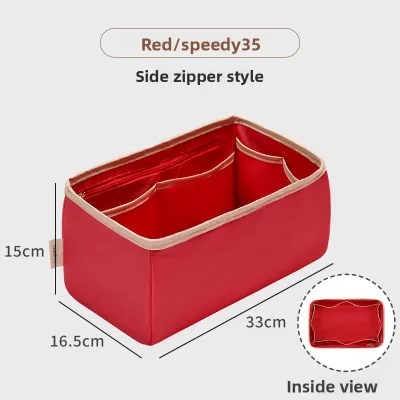
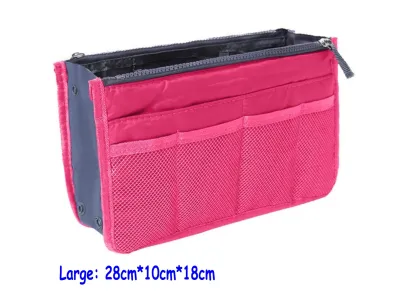
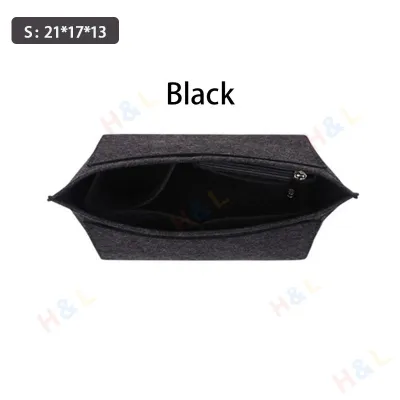
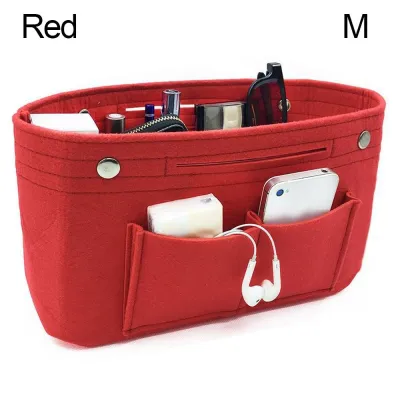
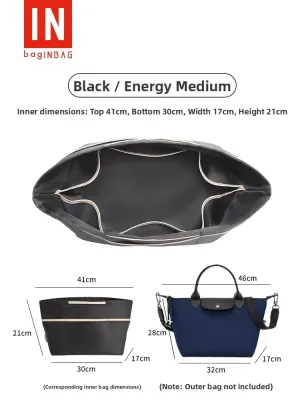
Prices are valid at publication and may change. Please refer to the product page for the latest price.
Measuring Your Diaper Bag's Interior
To find an organizer that fits snugly without distorting your bag’s shape, you must measure the interior cavity rather than relying on the manufacturer’s external dimensions. Start by emptying the diaper bag completely and laying it flat on a table. Using a flexible measuring tape, measure the length and width of the interior base. These two numbers represent the absolute maximum footprint your insert can have.
Next, measure the maximum usable height from the base to the zipper line or magnetic closure. If your diaper bag features a tapered design—where the top opening is narrower than the bottom base, or vice versa—it is critical to measure the narrowest point of the bag. An organizer that matches the wide base of a tapered bag may stretch or strain the zipper at the top. Additionally, factor in the thickness of any built-in interior padding, insulated bottle pockets, or thick linings, as these features can easily reduce the usable internal width and length by one to two centimeters on each side.
Checking the Organizer's Specifications
Once you have your diaper bag’s internal measurements, compare them directly against the exact centimeter or inch specifications of the insert. Avoid relying on vague marketing claims such as “designed for medium totes” or “fits most standard diaper bags.” Instead, look for detailed product listings that specify both the base dimensions and the top dimensions of the insert, as many organizers flare outward at the top.
It is also important to assess the structural flexibility of the organizer you are considering. A highly rigid insert requires an exact match or a slightly smaller footprint to fit inside your bag without forcing the outer fabric to bulge awkwardly. Conversely, a softer, fabric-based organizer offers a few centimeters of leeway, as it can compress slightly to accommodate the contours of your diaper bag. Always check whether the seller’s listed dimensions represent the empty, flat-packed state of the organizer or its fully expanded, filled state, as the depth can change significantly once pockets are packed with items.
Choosing the Right Bag-in-Bag Organizer Design
Different structural designs offer distinct advantages depending on how you use your diaper bag. Understanding these differences helps you select an insert that complements your bag’s existing shape and your personal organizational style.

| Structure Type | Best Use Case | Pros | Cons |
|---|---|---|---|
| Full-Structure Insert | Structured totes, satchels, and bags with flat bases | Holds shape independently; makes transferring items between bags exceptionally easy | Can cause soft bags to bulge; adds rigid bulk and extra baseline weight |
| Open-Top Tote Organizer | Soft-sided backpacks, tapered bags, and slouchy hobo bags | Conforms to the bag's natural shape; lightweight and highly flexible | May collapse or fold inward when empty; offers less structural support |
| Modular Pouch System | Parents who swap between large diaper bags and small purses | Highly customizable; allows scaling of gear based on the length of the outing | Requires manual arrangement; lacks a single, unified frame to lift out at once |
Full-Structure Insert Bags
Full-structure inserts feature rigid internal frames, stiff plastic bases, or dense felt walls that allow them to stand completely upright on their own, even when empty. This design is highly practical for parents who frequently transition their gear between different bags, such as moving baby essentials from a workday tote to a weekend diaper bag. You can simply lift the entire loaded organizer out by its handles and drop it into another bag.
However, because these inserts do not compress, they require highly precise measurements. If the insert is even slightly too large for the diaper bag’s base, it will stretch the seams of your bag, strain the zippers, or create hard corners that can wear down the outer fabric over time. They are best suited for deep, rectangular bags with flat, reinforced bases.
Open-Top Tote Organizers
Open-top tote organizers are constructed from soft, pliable fabrics like lightweight nylon or thin polyester without any rigid internal backing. These inserts rely on the items packed inside them—and the walls of the diaper bag itself—to stay upright. They are incredibly forgiving when it comes to sizing, easily compressing or flexing to accommodate curved corners, tapered sides, or slightly narrower bag openings.
The primary trade-off with a soft, open-top organizer is that it can collapse or fold in on itself when it is not fully packed, making it more difficult to slide items back into their designated pockets with one hand. They also offer minimal impact protection for delicate items, though they excel at keeping soft goods like extra clothes, swaddles, and diapers neatly separated without adding unnecessary bulk.
Modular or Drawer-Style Inserts
Modular inserts consist of a series of independent pouches, zippered cubes, or detachable dividers that can be arranged in various configurations inside your diaper bag. Rather than a single large basket, this system allows you to group items by category—such as a dedicated diapering pouch, a feeding pouch, and a change-of-clothes pouch.
This style is highly versatile for parents who want to customize their packing layout based on the specific outing. For a quick trip to a nearby cafe, you might only need to grab the diapering pouch, leaving the rest of the heavy gear behind. While modular systems offer excellent flexibility, they do not provide a single, structured unit that can be lifted out instantly, meaning you must organize and place each pouch individually.
Matching Organizers to Popular Diaper Bag Styles
To choose the right organizer, it is helpful to look at how different insert styles interact with the common shapes and structural features of popular diaper bags sold in Singapore, such as those from Skip Hop, Petunia Pickle Bottom, and JuJuBe.
Structured Totes and Satchels
Many classic diaper bags, including structured tote and satchel styles from brands like JuJuBe or Petunia Pickle Bottom, feature wide, flat rectangular bases and relatively stiff side panels. These bags are designed to stand upright on flat surfaces, making them ideal candidates for full-structure felt or heavy-duty nylon inserts. A structured insert aligns perfectly with the flat bottom of these bags, maximizing the interior volume and keeping bottles, wipes, and toys neatly upright.
When pairing an organizer with a structured tote, pay close attention to the height of the insert relative to the bag’s closure system. Many structured totes secure with a top zipper or magnetic snaps. If the insert is too tall, it will block the zipper path or prevent the magnetic snaps from aligning. Ensure there is at least two to three centimeters of clearance between the top of the organizer and the bag’s closure mechanism to allow for smooth operation when the bag is fully packed.
Soft Backpacks and Convertible Bags
Backpack-style diaper bags, such as the popular lightweight designs from Skip Hop or various convertible backpack-to-tote models, often feature curved tops, tapered bases, and flexible outer fabrics. Because these bags are carried on the back, maintaining an ergonomic, body-conforming shape is essential for comfort during long walks through Singapore’s shopping malls or parks.
For these flexible styles, a rigid, full-structure insert is generally not recommended, as it can force the backpack into a boxy, uncomfortable shape that pulls away from your spine. Instead, opt for a flexible open-top organizer or a modular pouch system. These soft options conform to the natural curve of your back and the flexible contours of the backpack. Additionally, keeping the insert lightweight is crucial; backpack straps distribute weight across your shoulders, and adding a heavy, rigid organizer only increases the carrying strain before you even pack your baby’s daily essentials.
Weight, Materials, and Daily Usability
When selecting a bag-in-bag organizer, the choice of material directly impacts the weight of your bag, how easy it is to clean, and how well it withstands daily wear and tear. Carrying a diaper bag around Singapore’s humid climate requires careful consideration of these practical factors.
First, consider the “empty weight” penalty. Heavy felt or thick canvas inserts can add substantial baseline weight to your bag. When you add water bottles, flasks of warm water, baby food jars, and multiple changes of clothes, a heavy organizer can make your diaper bag uncomfortable to carry for extended periods. Lightweight nylon or polyester organizers are often the preferred choice for parents who prioritize comfort and want to minimize unnecessary bulk.
Second, material selection determines how easily you can manage inevitable spills. Baby gear frequently comes into contact with leaked breast milk, formula, sticky fruit purees, and diaper creams.
- Nylon and Polyester: These materials are highly practical because they are water-resistant and easy to wipe clean with a damp cloth. Many high-quality nylon inserts can also be machine-washed on a gentle cycle, though you should always check the manufacturer's care label first.
- Felt: While felt organizers are popular for their structured look and soft texture, they are highly absorbent. Spilled liquids can quickly soak into the fibers, leading to stubborn stains and difficult cleanups.
- Maintenance and Air Drying: In Singapore’s warm and humid climate, any dampness left inside a bag can quickly lead to mold or mildew growth. If a spill occurs, clean the organizer promptly according to its specific care instructions. Always allow the insert to air dry completely in a well-ventilated area before placing it back inside your diaper bag.
Decision Framework: Which Organizer Should You Choose?
To make your final decision, evaluate your specific diaper bag style, your daily routine, and how you prefer to access your baby essentials. Use the following guidelines to select the right category of insert:
- Choose a full-structure insert if: Your primary diaper bag is a wide, flat-bottomed tote or satchel, you want your bag to stand upright on its own, and you frequently swap the entire organizer between different bags for work, travel, or weekend outings.
- Choose a flexible open-top organizer if: Your diaper bag is a soft-sided backpack, a tapered tote, or a slouchy hobo bag, and your main priority is keeping the overall weight as low as possible while maintaining a comfortable, body-conforming fit.
- Choose a modular pouch system if: You prefer to categorize your baby gear into distinct, self-contained packs, and you want the flexibility to scale down to a small crossbody purse or clutch for quick, short errands without carrying your entire diaper bag.
Before finalizing your purchase, always verify the return and exchange policies of the retailer or online marketplace. Because physical dimensions can sometimes vary slightly from listed specifications, having the option to exchange or return an unused organizer ensures you can find the perfect, snug fit for your specific diaper bag without any financial risk.

Community discussion
Share your experience or ask a question. Comments are reviewed before publication.