
Finding the right baby travel bag in Singapore is not about finding a universally perfect product, but rather identifying the style that aligns with your daily routine, transport choices, and child’s developmental stage. Whether you are navigating neighborhood supermarkets, boarding a crowded MRT train, or preparing for a weekend getaway, the physical demands of carrying baby essentials can quickly become overwhelming. Matching your bag style to your typical outing duration and transport mode helps prevent unnecessary physical strain, such as shoulder or lower back pain, while keeping diapers, bottles, and soothing items immediately accessible. By conducting a simple self-assessment of your lifestyle and your baby’s current age, you can select a bag that simplifies your outings rather than adding to the logistical challenges of parenting.
Assess Your Typical Outing Patterns
Before browsing online marketplaces, take a close look at how you spend your days with your child. The duration and frequency of your outings dictate the volume of gear you must carry. A quick trip to the downstairs clinic requires only a spare diaper, wipes, and a changing mat. Conversely, a full-day excursion demands a larger inventory, including multiple changes of clothes, feeding supplies, and toys.
Your primary mode of transport also plays a critical role in determining the most ergonomic bag design. Parents who rely heavily on public transport, such as buses and the MRT, must prioritize hands-free mobility and compact profiles to navigate fare gates, escalators, and crowded carriages safely. If you frequently use private cars or ride-hailing services, you have more flexibility; a heavier or bulkier bag can easily rest on the car seat or in the boot, reducing the time you spend physically carrying the load.
Products mentioned in this guide
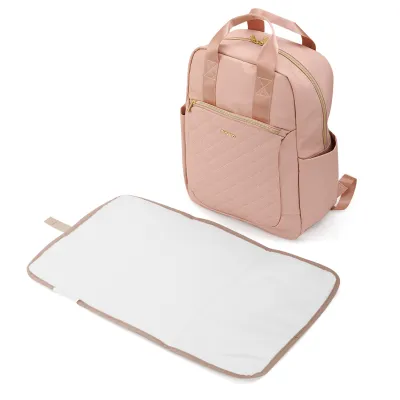
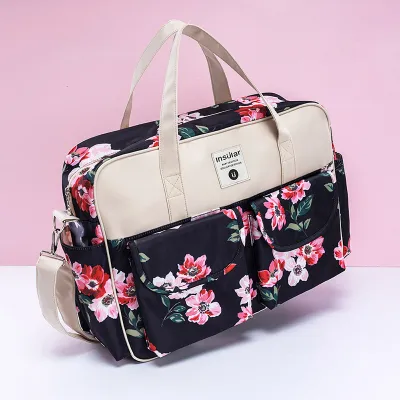
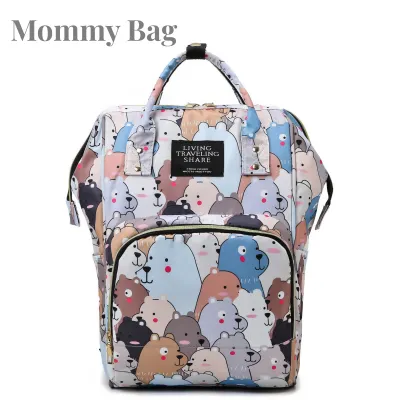
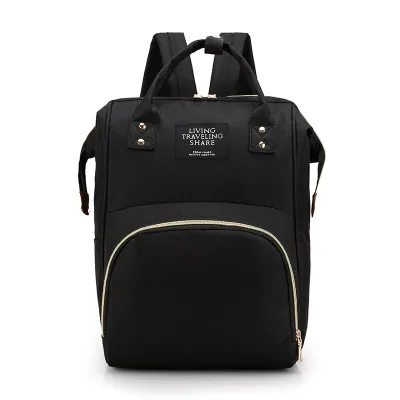
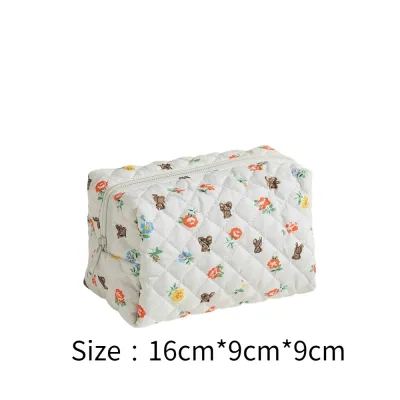
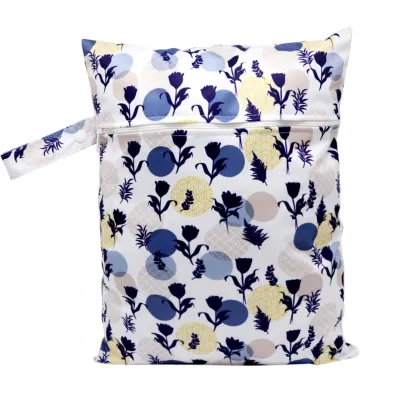
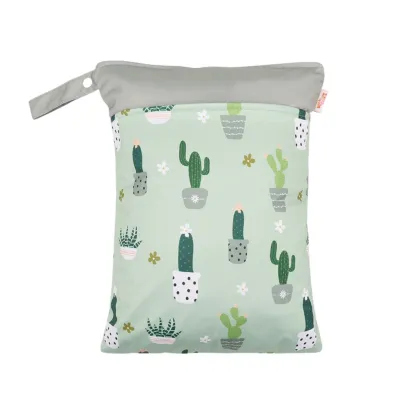
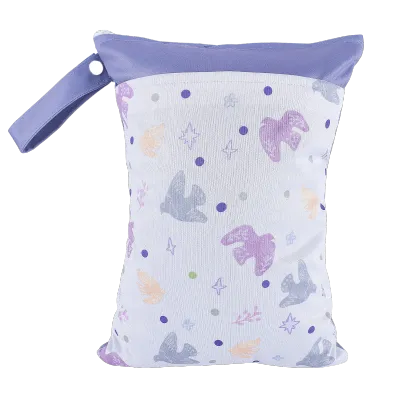
Prices are valid at publication and may change. Please refer to the product page for the latest price.
Additionally, consider the terrain of your typical destinations. Singapore offers a contrast between highly accessible, air-conditioned shopping malls with smooth floors and outdoor nature parks or older estates that may feature uneven paths and stairs. A bag that is easy to manage in a spacious mall might prove cumbersome when you are lifting a stroller over steps or walking along a gravel path, making it essential to match your gear to the physical environment.
Match Bag Styles to Your Lifestyle
Different bag designs cater to distinct physical preferences and logistical needs. Understanding the structural strengths and limitations of backpacks, totes, and wheeled bags allows you to choose a style that complements your daily movement patterns.

Baby Travel Backpacks
For parents who value mobility and physical comfort during long walks, a baby travel backpack is often the most practical choice. The primary benefit of a backpack lies in its symmetrical weight distribution across both shoulders, which minimizes the risk of muscle strain during extended periods of standing or walking. This design keeps both of your hands completely free, allowing you to push a stroller, hold an older child’s hand, or navigate public transit fare gates with ease.
However, backpacks do present a minor trade-off in terms of accessibility. To retrieve an item, you generally must take the bag off your shoulders or ask a partner for assistance, which can be inconvenient in tight spaces. Despite this, backpacks remain highly recommended for active outdoor park visits, daily MRT commutes, and any scenario where you expect to be on your feet for hours at a time.
Baby Travel Totes
Baby travel totes are designed for parents who prioritize rapid, uncomplicated access to their gear. Featuring wide top openings and structured sides, these bags allow you to see and retrieve items instantly without digging through deep compartments. This makes them highly convenient during quick diaper changes in public restrooms or when you need to grab a pacifier or burp cloth in a hurry.
The main limitation of a tote bag is the uneven physical strain it places on your body. Carrying a heavy tote on one shoulder over long distances or uneven terrain can quickly lead to neck and back discomfort. Consequently, totes are best suited for short clinic visits, quick supermarket runs, or car-centric travel where the bag is primarily transported in the vehicle and only carried for short distances.
Wheeled Baby Travel Bags
Wheeled baby travel bags offer a specialized solution for families who need to transport heavy loads without placing any physical strain on their shoulders or backs. By transferring the entire weight of the gear to the ground, rolling bags make it easy to transport large volumes of supplies, heavy milk powder tins, and spare clothing over long distances.
The trade-off for this physical relief is a lack of agility. Wheeled bags can be highly frustrating to manage on stairs, crowded public buses, or uneven outdoor paths where you may be forced to lift the bag manually. They are, however, exceptionally useful for airport transits, long hotel stays, and day trips spent entirely within smooth, expansive shopping mall environments where ramps and lifts are readily available.
Factor in Your Baby's Age and Gear Needs
A baby’s age directly influences the volume and type of gear you must pack, which in turn dictates the ideal capacity and organization of your travel bag. During the newborn stage, your packing list is at its peak volume. Newborns require frequent diaper changes, multiple changes of clothes, and feeding equipment like bottles and flasks of warm water. A larger bag with dedicated compartments is highly beneficial during these early months to keep clean and soiled items separated.
As your baby transitions to solid foods, typically around six months of age, the nature of your gear shifts. While you may need slightly fewer diapers, you must now accommodate insulated food jars, baby spoons, bibs, and spill-proof snack containers. This stage requires a bag with spacious, easy-to-clean compartments that can keep food items upright and separated from diapering supplies to maintain hygiene.
By the time your child reaches the toddler stage, your daily carrying requirements decrease significantly. Toddlers require fewer diaper changes, and their feeding needs often simplify to a single water bottle and some packaged snacks. Your focus will shift toward packing entertainment, such as small toys or coloring books, and a spare set of clothes for playground mishaps. At this point, you can transition to a much smaller, lighter bag or a highly compartmentalized mini-backpack, reducing your physical load.
Essential Features to Check Before You Buy
When evaluating potential baby travel bags, look beyond aesthetics and verify specific design features against the manufacturer’s product specifications to ensure long-term utility.
First, examine the material and cleaning instructions. Singapore’s humid climate makes water-resistant exterior fabrics highly desirable. Check the product label to ensure the interior lining is made of a wipe-clean material, such as polyester or nylon, allowing you to quickly clean up spilled milk or damp clothing.
Second, verify the presence and dimensions of insulated pockets. If you feed your baby expressed breast milk or formula, insulated compartments are crucial for maintaining safe temperatures while on the go. Check that these pockets are lined with high-quality thermal material and are large enough to accommodate your specific brand of baby bottles or food jars.
Third, assess stroller compatibility. Many baby travel bags come with dedicated stroller straps or clips. You must verify in the product manual that these attachment points are compatible with your specific stroller model. Always exercise caution when hanging a bag on stroller handlebars; check the stroller manufacturer’s weight limits to ensure that attaching a loaded bag will not cause the stroller to tip backward when your child is removed.
Finally, consider the base weight of the empty bag. Some structured bags feature heavy metal frames, thick canvas, or extensive hardware that adds significant weight before you have packed a single item. Opt for lightweight yet durable materials to avoid adding unnecessary physical strain to your daily outings.
Frequently Asked Questions (FAQ)
Can I just use a regular backpack instead of a specific baby travel bag?
Yes, you can certainly repurpose a standard backpack, but you may miss out on specialized features designed for convenience and hygiene. Standard backpacks often lack dedicated insulated pockets for temperature control, waterproof compartments for wet clothes, and integrated stroller attachment straps. They also tend to have deep, single-compartment designs that make it difficult to locate small items quickly in an emergency. If you choose to use a regular backpack, consider purchasing separate organizing pouches, a portable changing mat, and insulated bottle sleeves to replicate the functionality of a dedicated baby travel bag.
How do I prevent my baby travel bag from becoming too heavy?
To manage bag weight and prevent physical strain, establish a weekly routine to audit and clean out your bag, removing accumulated trash, outgrown diaper sizes, and expired snacks. When planning outings, utilize your stroller’s under-seat storage basket for heavier, less urgent items like spare formula tins or extra changes of clothes, keeping only immediate essentials in your wearable bag. Always verify the manufacturer’s weight limits for both your bag and your stroller attachments to ensure you do not exceed safe carrying capacities, which can compromise stroller stability and safety.

Community discussion
Share your experience or ask a question. Comments are reviewed before publication.