
Choosing a premium changing pad for your nursery in Singapore involves balancing comfort, safety, and furniture compatibility. The Babyhood Ultimate Change Pad is a popular choice among parents seeking a structured, comfortable, and hygienic station for their little ones. However, determining whether this specific model or a premium alternative is the best fit for your home requires looking closely at physical dimensions, material composition, and maintenance requirements. By evaluating how these features align with your existing nursery furniture and daily routines, you can select a changing pad that offers long-term utility and peace of mind.
Understanding the Babyhood Ultimate Change Pad Baseline
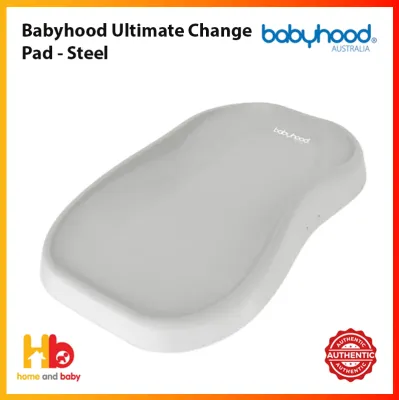
To evaluate how the Babyhood Ultimate Change Pad compares to other high-end options, it is essential to first establish its design baseline. This pad is characterized by its contoured profile, which features raised sides designed to help keep your baby centered during diaper changes. The core is typically constructed from high-density foam, providing a firm yet supportive surface that does not easily bottom out under a baby’s weight.
When reviewing the manufacturer’s specifications, parents should note the exact dimensions of the pad. The Babyhood Ultimate Change Pad is designed to fit standard changing tables, but because nursery furniture sizes vary widely in Singapore—especially in compact apartments where space-saving dressers are common—measuring your specific table surface is a critical first step. The pad’s base is engineered to sit flat, and many models include pre-drilled or pre-marked attachment points or safety straps to secure the pad directly to the wooden frame of a changing table.
Products mentioned in this guide
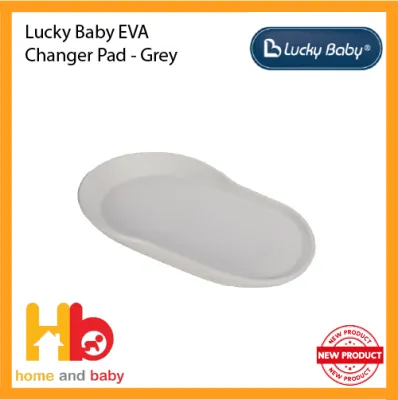
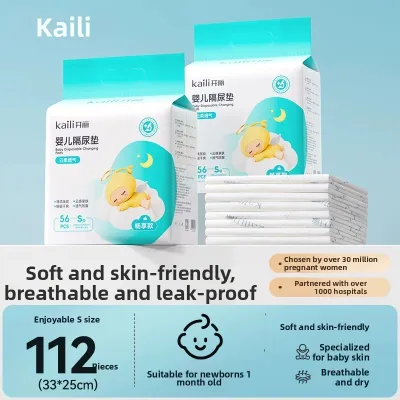
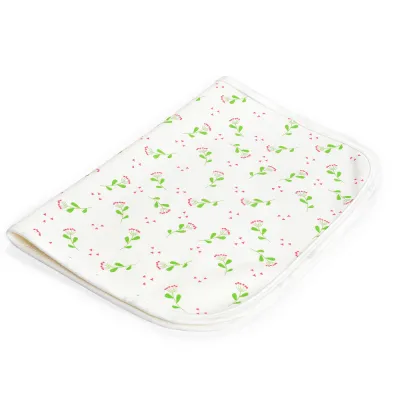
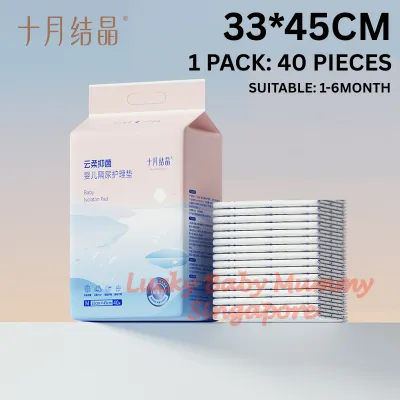
Prices are valid at publication and may change. Please refer to the product page for the latest price.
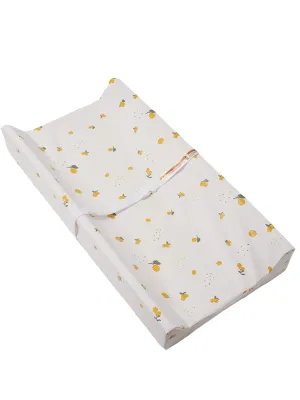
Maintenance is another key aspect of the Babyhood baseline. The pad is designed to be used with a removable, washable cover, often featuring a waterproof or water-resistant backing to protect the inner foam from moisture and stains. According to the manufacturer’s care guidelines, the cover should be washed in cold or warm water on a gentle cycle, while the inner foam core should only be spot-cleaned with a damp cloth and mild detergent. Understanding these care requirements helps ensure the pad remains hygienic and structurally sound throughout its usable life.
Key Comparison Dimensions for Premium Changing Pads
When comparing the Babyhood Ultimate Change Pad to other premium alternatives on the market, several key dimensions should guide your evaluation. The first is material and comfort. Premium pads generally fall into two categories: traditional foam pads with fabric covers, and modern molded silicone or polyurethane pads that do not require a separate cover. Foam pads like the Babyhood model offer a softer, cushioned feel that some babies find more comforting, but they require regular laundering of the fabric cover. Molded silicone pads, on the other hand, can be wiped clean instantly but may feel cooler to the touch and are typically firmer.

Safety and stability features represent the second critical dimension. Look closely at the height and angle of the contoured edges on any pad you consider. Higher, steeper contours provide a more pronounced physical barrier, though they do not replace active caregiver supervision. Additionally, examine the underside of the pad. A high-quality changing pad should feature a non-slip base material or rubberized grips to prevent sliding on smooth wooden or laminate dresser tops. Safety harnesses with adjustable buckles are also common, and you should verify whether the harness is anchored directly to the pad’s core or to the cover.
Size and furniture compatibility are often the deciding factors for parents in Singapore. A changing pad that is too large for your changing table creates a dangerous overhang, while one that is too small may slide around excessively. Measure the interior width and length of your changing table’s safety barrier, and compare these measurements directly against the pad’s specifications. Some premium pads are designed with a universal footprint, while others are optimized for proprietary furniture lines, making it essential to verify compatibility before purchasing.
Durability and long-term maintenance should also be compared. For pads that utilize fabric covers, inspect the quality of the zippers, seams, and waterproof linings. A flimsy zipper or a poorly laminated waterproof barrier will quickly degrade after repeated wash cycles. For molded, coverless pads, check the manufacturer’s warnings regarding chemical cleaners; some materials can become sticky or discolored if exposed to harsh disinfectants or alcohol-based wipes.
Evaluating Value and Nursery Compatibility
Determining whether a premium changing pad justifies its higher price tag requires assessing its long-term value within your specific nursery setup. One of the primary factors is the pad’s usable lifespan. Most premium pads are rated for use from birth up to a specific weight limit, often around 15 kilograms or until the child can sit up unassisted. Checking these weight limits on the product packaging ensures the pad can safely accommodate your child through the toddler transition.
Space constraints in Singaporean homes also play a significant role in this decision. In smaller nurseries or shared master bedrooms, a bulky, heavy changing pad can make the space feel cluttered. If you plan to move the changing pad between rooms—such as from the nursery to the living room or bathroom—a lightweight foam pad with a flexible structure may be more practical than a heavy, rigid molded silicone pad. Conversely, if the pad will remain permanently anchored to a heavy wooden dresser, weight is less of a concern, and stability becomes the priority.
Additionally, consider the ongoing costs and availability of accessories. If you choose a pad that requires a cover, check the price and availability of replacement covers from the same brand. Some premium brands use proprietary shapes or sizes, forcing you to buy their specific, higher-priced covers. Other pads are compatible with standard, universal changing pad covers, which are widely available and often more budget-friendly. Having at least two or three covers on hand is essential for managing daily spills and laundry rotations.
Decision Framework: Which Premium Pad Fits Your Setup?
To finalize your decision, use a structured framework based on your physical setup and lifestyle preferences. The Babyhood Ultimate Change Pad is an excellent choice if you prefer a traditional, highly cushioned foam pad and have already selected a changing table that matches its specific dimensions. Its contoured design and washable cover system are ideal for parents who prioritize a cozy, fabric-covered surface for their baby and do not mind the regular laundry associated with it.
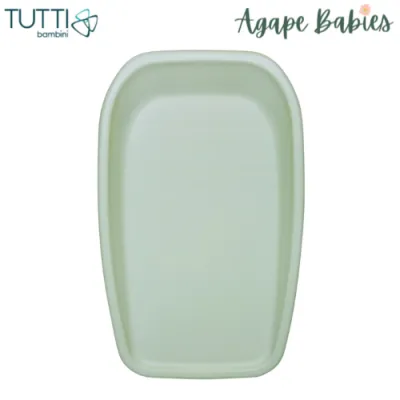
On the other hand, a competing premium brand—such as a molded silicone or polyurethane pad—may be more suitable if your primary goal is absolute convenience and zero laundry. These coverless options are highly practical for quick cleanups, especially during the messy newborn phase, provided you are comfortable with a firmer surface and a higher initial investment. Furthermore, if your changing table has non-standard dimensions, you must prioritize finding a pad that fits securely within those boundaries, regardless of brand popularity.
Before making any purchase, always verify your changing table’s user manual for specific safety warnings. Many furniture manufacturers specify the maximum allowable thickness and weight for third-party changing pads to prevent the safety barriers from being bypassed. Ensuring that your chosen pad sits fully below the top edge of the table’s safety rails is a vital step in maintaining a secure changing environment.
Frequently Asked Questions (FAQ)
Do premium changing pads require a specific type of changing table?
No, premium changing pads do not always require a specific brand of changing table, but they do require strict dimensional compatibility. You must measure the flat surface area of your changing table or dresser top and compare it to the pad’s dimensions to ensure there is no overhang. Additionally, check both the pad and table manufacturer guidelines for weight limits and recommended attachment methods, such as safety straps or non-slip mats, to prevent the pad from shifting during use.
How often should the changing pad cover be replaced?
The changing pad cover itself does not have a fixed expiration date, but it should be inspected regularly for signs of wear and tear. If you notice frayed seams, broken zippers, or a peeling waterproof backing, the cover should be replaced immediately to maintain hygiene and protect the inner foam. To extend the lifespan of your covers, always follow the manufacturer’s care label instructions, avoiding high-heat drying which can damage waterproof laminates.
Are contoured changing pads safer than flat ones?
Contoured changing pads are designed with raised sides to help keep your baby centered and discourage rolling, which can make diaper changes feel more secure. However, these design features are not a substitute for active caregiver supervision. A baby should never be left unattended on any changing pad, regardless of how high the contoured edges are or whether a safety harness is fastened. Always keep one hand on your baby during the entire changing process.

Community discussion
Share your experience or ask a question. Comments are reviewed before publication.