
When preparing your nursery in Singapore, selecting a safe sleep environment is one of the most critical decisions you will make for your infant. If you are considering a Babyhood crib, verifying its safety standards is a vital step before finalizing your purchase. Babyhood, an established Australian nursery brand widely distributed in Singapore, designs products intended to meet rigorous safety benchmarks. However, because safety regulations and manufacturing batches can vary, you must know how to identify, verify, and physically inspect these cribs to ensure they comply with recognized safety frameworks.
To guarantee your child’s safety, you should never rely solely on a brand’s reputation or a product’s aesthetic appeal. Instead, you must actively verify the specific certifications of the exact model you plan to buy, understand the safety standards recognized in Singapore, and perform hands-on checks during and after assembly. This guide outlines the precise safety frameworks governing cribs in Singapore, how to verify Babyhood’s compliance documentation, and the critical physical inspections you must perform to maintain a secure sleep environment.
Recognized Crib Safety Frameworks in Singapore
Singapore does not have a single, mandatory local manufacturing standard exclusive to baby cribs. Instead, Enterprise Singapore, the government agency overseeing consumer product safety, monitors nursery furniture under general consumer protection regulations. To ensure high safety levels, the Singapore market relies heavily on recognized international safety standards. When evaluating a Babyhood crib, you should look for compliance with established European, American, or Australian and New Zealand frameworks.
Products mentioned in this guide
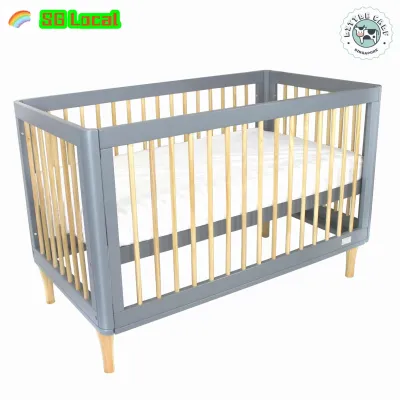
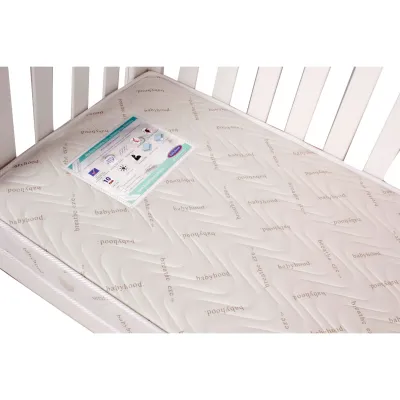
Prices are valid at publication and may change. Please refer to the product page for the latest price.
Key Safety Standards to Look For
Because Babyhood is an Australian brand, many of its cribs are designed and tested to meet the Australian and New Zealand standard AS/NZS 2172. This standard is widely regarded as one of the strictest safety frameworks globally. Alternatively, some models distributed internationally may be certified under the European standard EN 716 or the American standard ASTM F1169. Each of these frameworks subjects cribs to rigorous mechanical, physical, and chemical testing to ensure they can withstand daily use without posing a hazard to your child.
Key Safety Parameters Evaluated
These international standards evaluate several crucial design and structural elements to protect your baby:
- Structural Integrity: Testing the frame's ability to withstand repeated impacts, weight loads, and force without breaking or deforming.
- Slat Spacing and Strength: Ensuring the slats are strong enough to resist breaking and are spaced correctly to prevent a baby's head, limbs, or body from becoming trapped.
- Material Toxicity: Verifying that all paints, lacquers, varnishes, and plastics used on the crib are non-toxic, lead-free, and safe for babies who may chew on the rails.
- Entrapment and Snag Hazards: Checking that there are no gaps, protrusions, or sharp corners that could catch a baby's clothing or cause accidental strangulation.
Model-Specific Verification
It is important to remember that safety compliance can vary by model, manufacturing year, and production batch. You should never assume that because one Babyhood crib meets a specific standard, all of them do. Always check the specific product listing, user manual, or physical packaging for the exact safety standard that the particular model claims to meet. If this information is not clearly displayed, treat it as a verification step you must complete before purchasing.
How to Verify Babyhood Crib Certifications Before Purchase
Verifying safety claims requires a proactive approach. Do not take marketing claims at face value; instead, use official channels and physical evidence to confirm that the crib you are buying is fully certified.

Requesting Official Compliance Documentation
When shopping online or in-person in Singapore, you have the right to request proof of safety compliance. Ask the retailer or distributor for the official test reports or a Declaration of Conformity. These documents are issued by independent, accredited third-party testing laboratories (such as SGS, Intertek, or TÜV Rheinland) and prove that the specific crib model has successfully passed all relevant safety tests. Reputable distributors of Babyhood products in Singapore should be able to provide or verify these documents upon request.
Locating Safety Labels and Warning Stickers
A certified crib will feature permanent safety labels and warning stickers directly on the frame, often on the inside of the headboard, footboard, or the mattress base. These labels typically list the manufacturer’s details, the specific safety standard met (such as AS/NZS 2172 or EN 716), and mandatory safety warnings. Before purchasing or assembling, inspect the crib frame to ensure these labels are present, legible, and have not been tampered with or removed.
The Importance of Authorized Retail Channels
To ensure you receive a genuine, fully compliant product, always purchase your Babyhood crib from authorized retailers or the brand’s official channels in Singapore. Authorized sellers ensure that the products have been imported legally, stored in appropriate conditions, and have not been modified or damaged. Furthermore, buying through official channels guarantees that you receive the original manufacturer’s warranty, valid safety documentation, and direct access to customer support should any safety updates or recalls occur. Avoid purchasing from unverified third-party sellers on online marketplaces, as these products may lack proper certification or quality control.
Essential Physical Safety Inspections for the Crib
Even with the correct paperwork, you must perform a physical inspection of the crib before placing your baby inside. This hands-on checklist allows you to verify that the crib is structurally sound and free from immediate hazards.
Slat Spacing and Entrapment Prevention
The distance between the crib slats is a critical safety factor. If the slats are too far apart, a baby’s body can slip through, leading to dangerous head entrapment. To verify this, measure the distance between the slats using a standard ruler or measuring tape. The gap between slats must be between 50 mm and 60 mm (approximately 2 to 2.38 inches). If the gap is wider than 60 mm, the crib does not meet safe standards and should not be used.
The Two-Finger Mattress Fit Rule
A gap between the mattress and the crib sides poses a severe suffocation and entrapment risk. When you place the mattress inside the crib, there should be virtually no space between the mattress edge and the crib frame. Use the “two-finger rule” to test this: try to slide your index and middle fingers between the mattress and the crib sides. If you can easily fit more than two fingers (approximately 2 to 3 cm) into the gap, the mattress is too small for the crib. You must replace either the mattress or the crib to ensure a snug, safe fit.
Hardware, Stability, and Material Integrity
Carefully examine the physical construction of the crib:
- Screws and Fasteners: Ensure all screws, bolts, and hardware are tightened securely. There should be no loose, missing, or stripped fasteners.
- Surface Texture: Run your hands along all wooden and plastic surfaces. There must be no sharp edges, splinters, rough patches, or peeling paint.
- Stability Test: Gently shake the assembled crib. It should feel firm and stable, with no wobbling, swaying, or creaking. If the frame feels loose or unstable, re-tighten the hardware or consult the manufacturer.
The Safety Reality of Drop-Side Mechanisms
Some older crib models or specific international designs feature a drop-side mechanism, which allows one side of the crib to slide down for easier access to the baby. However, drop-side cribs have been associated with severe safety failures globally when the hardware breaks or becomes misaligned, creating a dangerous gap where an infant can become trapped. While some Australian standards (AS/NZS 2172) permit drop-sides under strict mechanical design rules, other regions, such as the United States, have banned them entirely.
If your Babyhood crib features a drop-side mechanism, you must inspect the moving parts regularly to ensure they operate smoothly, lock securely in the raised position, and show no signs of wear, cracking, or warping. If you have any doubts about the mechanism’s integrity, do not use it, and never attempt to modify or DIY-repair a drop-side mechanism.
Safe Assembly and Sleep Environment Guidelines
A certified, high-quality crib can only protect your child if it is assembled correctly and used within a safe sleep environment. Proper setup and room placement are just as important as the crib’s manufacturing standards.
Precise Assembly and Hardware Integrity
When assembling your Babyhood crib, you must follow the manufacturer’s instruction manual exactly. Do not skip any steps, and do not substitute any hardware. If a screw or bolt is missing, contact the authorized retailer or Babyhood customer service for an official replacement part. Never use spare hardware from around the house or make DIY modifications to the frame, as this can compromise the crib’s structural integrity and void its safety certification. Keep the assembly manual in a safe place for future reference, especially if you plan to disassemble and reassemble the crib later.
Creating a Safe, Minimalist Sleep Space
To minimize the risk of Sudden Infant Death Syndrome (SIDS) and accidental suffocation, keep the sleep environment as simple and clear as possible:
- Mattress: Use a firm, flat, and tight-fitting mattress that is specifically recommended by the manufacturer for your crib model. Do not use soft mattresses, memory foam, or mattress toppers.
- Bedding: Place your baby on their back to sleep, using only a tight-fitting bottom sheet. Avoid loose blankets, quilts, duvets, or pillows. If extra warmth is needed, use a safe, correctly sized baby sleeping bag instead of loose bedding.
- No Soft Items: Keep the crib completely free of soft toys, stuffed animals, cushions, and positioners.
- Avoid Cot Bumpers: Do not use traditional padded cot bumpers or breathable mesh bumpers. These items are recognized hazards that can cause suffocation, strangulation, or serve as a foothold for an older baby to climb out of the crib.
Strategic Crib Placement in Singaporean Homes
Where you place the crib in your home is vital for safety. In Singapore’s climate, you must balance ventilation with safety:
- Windows and Cords: Never place the crib near a window where your child could reach window blind cords, curtain pull strings, or window grilles. These cords present a severe strangulation risk.
- Air Conditioners and Fans: Avoid placing the crib directly under an air conditioning unit or a ceiling fan where cold drafts or falling dust could affect your baby, or where a climbing toddler could reach electrical fixtures.
- Wall Hangings: Keep the crib away from walls where heavy framed pictures, shelves, or mirrors are hung, as these could fall into the crib during structural vibration.
When to Stop Using the Crib and Seek Support
As your child grows and develops, their safety needs will change. You must remain vigilant and know when it is time to transition your child out of the crib or discontinue its use entirely.
Identifying Critical Wear and Safety Hazards
You should immediately stop using the crib if you observe any of the following issues:
- Missing, broken, or cracked wooden slats or frame components.
- Loose joints or hardware that cannot be securely tightened.
- Cracked or malfunctioning drop-side or folding mechanisms.
- Any official safety recall issued by the manufacturer or consumer safety authorities.
If you discover a defect or need replacement parts, contact the authorized Babyhood retailer or the manufacturer’s customer support immediately. Do not attempt to use temporary fixes, tape, or non-original parts to repair a damaged crib.
Transitioning to the Next Sleep Stage
Cribs are designed for specific developmental stages. You must transition your child to a toddler bed, floor bed, or single bed when they reach either of the following milestones:
- The child reaches the manufacturer's specified height or weight limit for the crib.
- The child shows signs of attempting to climb out of the crib, or can stand up and the top of the crib rail is below their chest level (even with the mattress base at its lowest position).
Continuing to use the crib past these milestones increases the risk of falls and serious injuries. Always consult the specific product documentation for your Babyhood model to verify its weight and height limits, and prioritize your child’s safety by transitioning them at the first sign of climbing.

Community discussion
Share your experience or ask a question. Comments are reviewed before publication.