
Selecting the ideal kids bag from brands like Babycare (often referred to as BC Babycare) requires a clear understanding of your child’s daily routine. While a school bag must support structured learning materials, an outing bag focuses on lightweight mobility and quick access to essentials. Choosing the wrong style can lead to physical discomfort or a bag that is either too bulky for a weekend trip or too small for classroom folders. By evaluating your child’s physical development, the items they carry, and the specific environments they navigate, you can find a bag that offers the right balance of comfort and utility.
Identifying Your Child's Primary Bag Needs
To narrow down your options, start by mapping out the exact items your child needs to carry on a typical day. School routines generally demand space for structured items such as A4-sized folders, textbooks, stationery cases, a lunch box, and a spare set of clothes. These items add up in weight and volume, requiring a bag with a stable structure that prevents contents from shifting. On the other hand, casual weekend outings to local parks or family cafes usually require only a few snacks, a small toy, wet wipes, and a water bottle.
Another critical factor is determining who will actually carry the bag for the majority of the day. During a school commute, children are often expected to carry their own bags independently to build responsibility. This means the bag’s weight and size must align closely with their physical stamina. For casual outings, parents frequently end up holding or carrying the bag when the child gets tired during play. If the bag is primarily carried by an adult during trips, a compact, lightweight design with a top handle or parent-friendly straps becomes highly practical.
Products mentioned in this guide
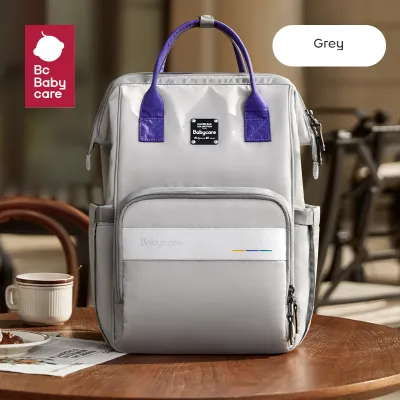
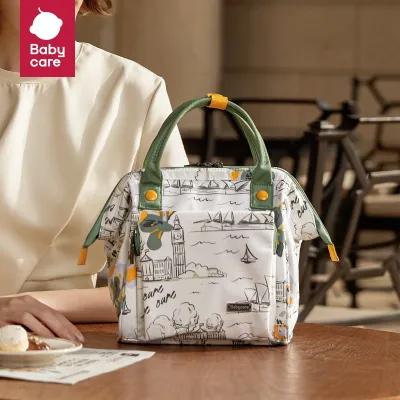
Prices are valid at publication and may change. Please refer to the product page for the latest price.
Finally, consider your child’s daily walking distance and the local climate. In warm, humid environments, carrying a heavy or poorly ventilated bag over long distances can quickly cause discomfort and fatigue. If your child walks to a nearby preschool or navigates public transit daily, prioritizing ergonomic support and breathable materials is essential. For short car trips or quick visits to indoor play areas, a simpler, less structured bag is often more than sufficient.
Key Features to Evaluate for School Use
When selecting a bag intended for school, the first step is to check the product label or manufacturer specifications for recommended age, height, and weight limits. Children grow rapidly, and using a bag designed for an older age group can place unnecessary strain on a younger child’s developing spine. Ensure the bag’s physical dimensions match your child’s torso length, with the top of the bag resting just below the shoulders and the bottom sitting above the waistline.

Next, review the manufacturer’s details regarding load distribution features. Look for wide, S-shaped shoulder straps with thick padding to prevent the straps from digging into the shoulders. Adjustable chest clips are another crucial feature for school bags, as they help keep the shoulder straps securely in place and distribute weight more evenly across the chest and upper body. Some advanced school models also feature structured back panels with ventilated mesh channels designed to promote airflow and reduce heat buildup during warm commutes.
Internal organization is equally important for maintaining order throughout the school day. Verify that the bag has dedicated internal compartments, such as a heavy-book sleeve positioned closest to the back panel. Keeping heavier items close to the spine minimizes the leverage effect that can pull a child backward. Additional pockets, such as elasticized side sleeves for water bottles and front zippered compartments for small stationery items, help children find what they need quickly without emptying the entire bag.
Essential Traits for Daily Outings and Travel
For casual trips, family travel, and outdoor play, the ideal bag should prioritize freedom of movement. Look for lightweight materials and compact dimensions that do not restrict your child’s natural agility. A bulky school bag can hinder a child when they are running around a playground or climbing on park equipment. Outing bags are typically made from flexible, soft-shell fabrics that bend easily and conform to the child’s body, allowing them to play without feeling weighed down.
Easy-access external pockets are a must-have feature for any outing bag. When you are on the go, you need quick access to items like hand sanitizers, tissues, wet wipes, or a water bottle without unzipping the main compartment. Look for deep side pockets with secure elastic bands that can hold bottles of various sizes without letting them slip out during active play. Front pockets with simple hook-and-loop fasteners or smooth zippers allow children to retrieve their own snacks or small toys independently.
Safety features are also highly relevant for travel and crowded public spaces. Many toddler outing bags come equipped with detachable anti-loss leashes or secure chest buckles to help parents keep young children close in busy environments. Before using these features, review the product manual to understand the proper usage conditions, age limits, and safety guidelines. Always ensure that any leash or strap is used under direct adult supervision to prevent accidental tangling or tripping.
Can One Bag Work for Both School and Outings?
Many parents wonder if they can purchase a single versatile bag to cover both school and weekend needs. While this approach saves storage space, it often involves significant trade-offs. Using a large, highly structured school bag for a quick trip to the mall can be cumbersome. The excess weight and bulk of an empty school bag can tire a young child unnecessarily, and the rigid frame may make it difficult to pack into tight spaces like a stroller basket or a crowded car trunk.
Conversely, using a small, unstructured outing bag for school purposes presents its own set of challenges. These compact bags rarely have the capacity or the structural support required to carry school books and folders. Forcing large items into a small bag can damage the corners of schoolwork, strain the zippers, and cause the bag to sag uncomfortably against the child’s lower back. Without proper internal compartments, heavy items will shift constantly, leading to poor weight distribution and potential physical strain.
However, there are transitional stages where a medium-sized bag can temporarily serve both purposes. For toddlers attending nursery or playgroup, the daily school load is often minimal, consisting only of a water bottle, a change of clothes, and a small snack container. In these early stages, a medium-sized, lightweight outing bag with basic shoulder padding can easily double as a school bag. As the child transitions to kindergarten or primary school and the daily load increases, upgrading to a dedicated, structured school bag becomes necessary.
Pre-Purchase Checks for Fit and Safety
Before finalizing your purchase, perform a thorough physical inspection of the bag to ensure it meets safety and quality standards. Whether you are shopping in local boutiques or browsing online marketplaces, comparing options across various S$ price points is easier when you focus on physical durability. Start by testing all zippers, buckles, and hardware multiple times. Zippers should slide smoothly without catching on the fabric, and buckles should snap shut securely while remaining easy enough for a child or parent to open. Check for any sharp plastic edges, rough seams, or potential pinch points on the adjustment clips that could scratch sensitive skin.
Pay close attention to small, decorative elements on the bag’s exterior. Ensure there are no easily detachable parts, such as loose zipper pulls, decorative beads, or small buttons, that could pose a choking hazard for younger children. If the bag features cute cartoon attachments or keychains, verify that they are securely fastened or can be easily removed before giving the bag to a toddler.
Finally, read the care label carefully to confirm that the cleaning instructions align with your household routine. Kids’ bags are highly prone to spills, dirt, and outdoor grime, making easy maintenance a priority. Some bags are strictly spot-clean only, while others can handle gentle hand washing. Understanding these requirements beforehand helps you maintain the bag’s hygiene and structural integrity over time, ensuring it remains clean and safe for daily use.
Frequently Asked Questions (FAQ)
How should I adjust the straps for my child's comfort?
To ensure a proper fit, always check the manufacturer’s specific fitting guide for exact strap and chest clip adjustments. As a general rule, adjust the shoulder straps so that the bag sits snugly against your child’s back, with the weight distributed evenly across both shoulders. The bottom of the bag should rest slightly above the waistline and should not sag below the lower back, which can cause the child to lean forward or pull their shoulders backward to compensate.
What is the best way to clean a kids bag after an outing?
Always follow the specific washing and drying instructions printed on the product’s care label to avoid damaging the materials. For minor spills, dirt, or grass stains, spot-cleaning with a damp cloth and a mild, child-safe detergent is usually the safest approach. Avoid using harsh chemical cleaners or bleach, and always allow the bag to air-dry completely in a well-ventilated area away from direct heat sources or intense sunlight, which can weaken the fabric and fade colors.

Community discussion
Share your experience or ask a question. Comments are reviewed before publication.