
Deciding whether to invest in a premium potty chair or opt for a standard model is a common dilemma during toddler training. While brands like BabyBjörn offer sleek designs and specific ergonomic claims, standard potty chairs often come with character themes and lower price tags. The reality is that while a premium price tag does not guarantee faster potty training, specific design choices—such as a seamless inner bowl, a high splash guard, and a stable, non-slip base—directly affect how easy the potty is to clean and how secure your toddler feels. This guide compares the core design features of premium versus standard potty chairs to help you determine which elements genuinely support your child’s transition and whether the higher cost is justified for your family.
Potty training is a major developmental milestone that requires patience, consistency, and the right tools. The physical potty chair serves as your child’s primary interface with this new routine, meaning its design can either facilitate independence or create unnecessary hurdles. By understanding how different structural elements impact daily use, you can make an informed decision that aligns with your home environment, budget, and parenting style.
Core Design Differences: BabyBjörn vs. Standard Potty Chairs
When comparing premium options like the BabyBjörn potty range to standard market alternatives, the most immediate differences lie in the footprint, weight distribution, and overall structural stability. Premium models typically feature a heavier, more solid construction with a wider base designed to stay firmly in place. Many standard potty chairs, by contrast, are made of lightweight, thin plastic that can easily slide or tip if a toddler shifts their weight suddenly or attempts to stand up without assistance.
Products mentioned in this guide
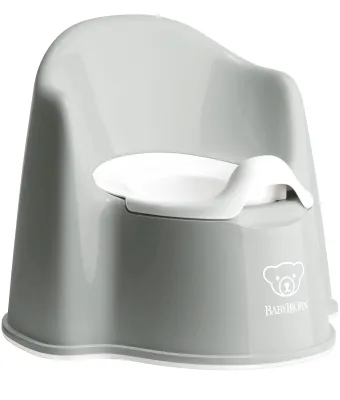
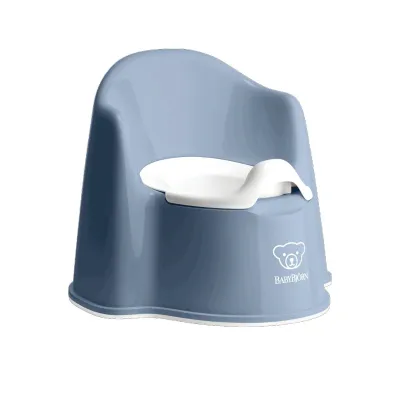
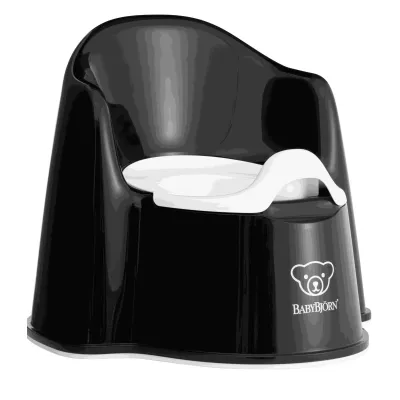
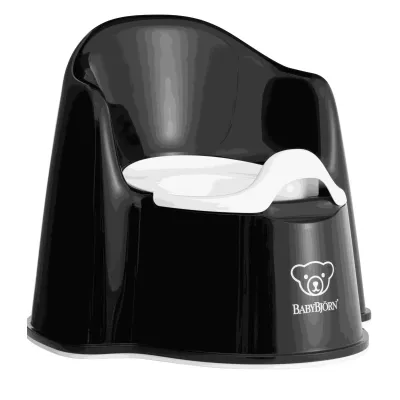
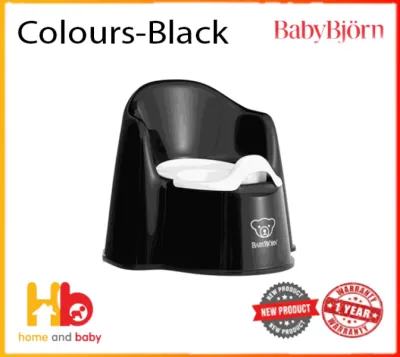
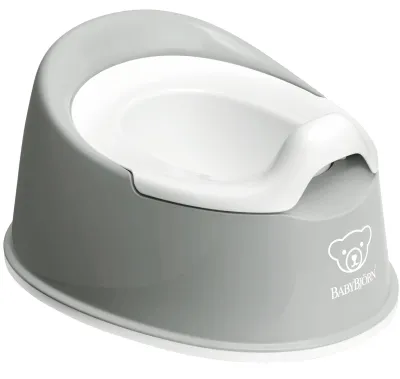
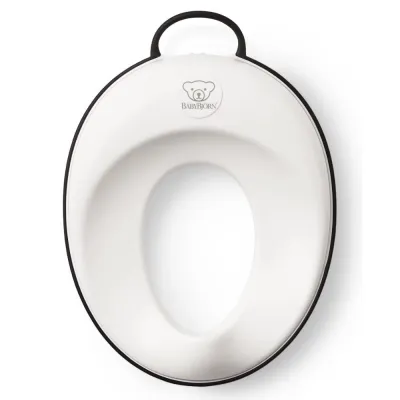
Prices are valid at publication and may change. Please refer to the product page for the latest price.
Base stability mechanisms also vary significantly between these categories. Premium designs often incorporate a continuous, integrated rubber rim along the entire bottom edge of the potty. This provides consistent friction across various floor surfaces, including slick bathroom tiles. Standard potty chairs frequently rely on small, individual rubber feet or pads glued to the corners. Over time, these small pads can peel off, degrade, or collect dust, reducing their slip-resistant qualities and compromising the chair’s stability.
Splash guard design is another critical point of contrast. Premium models generally feature a high, integrated splash guard that is molded directly into the removable inner bowl, creating a smooth, continuous barrier. Standard chairs may have lower-profile splash guards or separate, clip-on guards. While clip-on guards are intended to offer flexibility, they often create narrow crevices where liquid can pool, making thorough cleaning much more difficult and increasing the risk of lingering odors.
Backrest height and seating ergonomics also distinguish these two categories. Premium potty chairs, such as the BabyBjörn Potty Chair, often feature a high, supportive backrest and integrated armrests to help toddlers feel secure during longer sits. Standard models frequently opt for a low-profile, compact design without a backrest, which resembles a simple stool. While these compact models are highly portable, they may not offer the same level of physical reassurance for a child who is hesitant about the transition. Remember that exact dimensions, weight limits, and material specifications vary by model, so you should always verify these details on the manufacturer’s label or official product page before making a purchase.
Which Design Features Actually Impact Potty Training?
Stability and tipping resistance are among the most critical physical features of any potty chair. Active toddlers rarely sit perfectly still; they lean forward, twist around, and stand up abruptly. A potty with a wide, weighted base and a continuous rubber grip ensures the chair remains anchored to the floor during these movements. If a potty slides or tips even once, it can startle a toddler and create a fear of using the chair, which can set back training progress by weeks.

Cleaning and hygiene features directly impact the caregiver’s daily experience. A potty chair that is difficult to clean quickly becomes a source of frustration. Removable inner bowls are highly practical because they allow you to empty and rinse the contents without carrying the entire chair to the toilet. However, the presence of seams, joints, and decorative crevices in some designs can trap urine and moisture. Seamless, smooth plastic surfaces prevent liquid from seeping into hard-to-reach areas, making daily maintenance much more manageable.
Comfort and posture play a significant role in a child’s willingness to sit on the potty long enough to eliminate successfully. To relax the pelvic floor muscles, a toddler needs to sit in a natural, slightly squatted position with their feet flat on the floor. A contoured seat that supports the thighs without pinching, combined with a supportive backrest, helps the child maintain this optimal posture comfortably. If the seat is too high, too low, or has sharp plastic edges, the child may resist sitting altogether.
To maintain the integrity of these design features, caregivers must follow proper maintenance protocols. Always check the specific product manual for approved cleaning agents, as harsh chemical disinfectants can degrade non-slip rubber bases and weaken plastic components over time. Additionally, verify the maximum weight capacity specified by the manufacturer to ensure the chair remains safe and structurally sound as your child grows.
Evaluating the Premium Price: Is the Upgrade Justified?
When deciding whether to invest in a premium potty chair, it is helpful to consider the expected lifespan of the product. High-quality plastics used in premium brands are generally more resistant to cracking, scratching, and discoloration from UV light or cleaning agents. If you plan to use the potty chair for multiple children or hope to pass it down to a younger sibling, the long-term value of a durable, well-constructed model often justifies the higher upfront cost.
In the local market, basic potty chairs are widely available at local baby retailers and online marketplaces for approximately S$15 to S$30. In contrast, premium models like the BabyBjörn Potty Chair typically retail between S$50 and S$80, depending on the specific design and retailer. While this price difference is noticeable, parents should weigh it against the frequency of use; a potty chair is an item your child will interact with multiple times a day for a year or more.
It is important to remember that a higher price tag does not guarantee faster or more successful potty training. The primary drivers of potty training success remain your child’s developmental readiness and your consistency as a caregiver. A premium potty chair offers convenience, aesthetic appeal, and ease of cleaning, but a standard potty can achieve the same training results if used consistently in a supportive environment.
For families working within a strict budget, spending a premium amount on a brand-new potty chair may not be the most practical choice. In such cases, checking current retail prices in S$ across different local platforms can help you find promotional discounts. Alternatively, considering gently used premium options that have been thoroughly cleaned and sanitized can provide the design benefits of a high-end model without the premium price tag.
How to Choose the Right Potty Chair for Your Toddler
To select the most suitable potty chair for your household, consider your specific daily routines, home layout, and your child’s personality. A premium design like BabyBjörn is highly suitable if you prioritize a minimalist aesthetic that blends into your home decor, prefer easy wipe-down surfaces with minimal crevices, and have the budget to accommodate a higher upfront cost. These models are particularly well-suited for a permanent setup in a main bathroom.
Conversely, a standard or character-themed potty chair may be the better choice if your child requires visual motivation, such as bright colors or favorite cartoon characters, to encourage them to sit. These models are also ideal if you are on a strict budget or require a lightweight, highly portable chair that can easily be moved from room to room or packed in the car for travel. Having a secondary, budget-friendly potty can also be useful for multi-story homes where quick access to a toilet is necessary.
Before finalizing your purchase, verify if your bathroom space is highly restricted. In compact apartment or HDB bathroom layouts, a bulky potty chair with a wide footprint can block walkways or prevent doors from opening fully; checking the exact footprint dimensions beforehand is essential. Furthermore, if your child has specific physical support needs or developmental delays, consult a qualified professional or pediatric occupational therapist, as they may require specialized seating equipment rather than a standard commercial potty chair.
Frequently Asked Questions (FAQ)
At what age should I introduce a potty chair?
There is no single correct age to start potty training, as readiness is based on developmental milestones rather than a number. Look for observable readiness signals, such as your child staying dry for several hours, showing interest in the bathroom, communicating the need to eliminate, or expressing discomfort with wet diapers. If you are unsure whether your child is developmentally ready to begin training, consult your pediatrician for personalized guidance.
Do I need a potty chair with a splash guard?
Splash guards are highly useful for preventing forward spills, particularly for boys who are learning to urinate while sitting down. However, some built-in splash guards that are excessively high can make it difficult for toddlers to sit down or stand up independently, and they may occasionally cause discomfort for girls. When choosing a potty, look for a contoured, integrated splash guard that balances spill protection with ease of entry, and check the manufacturer’s design guidelines.
Can I use a potty chair on carpeted floors?
While many potty chairs can be placed on carpeted surfaces, you should check the manufacturer’s recommendations regarding base grip on soft flooring. To maintain hygiene and protect your home, it is highly recommended to place a waterproof, easy-to-clean mat underneath the potty chair when using it on carpeted or wooden floors. This ensures that any accidental spills or splashes can be wiped away quickly without damaging the underlying flooring.

Community discussion
Share your experience or ask a question. Comments are reviewed before publication.