
Deciding between the BabyBjörn Potty Chair and the BabyBjörn Toilet Trainer is a pivotal step in your child’s developmental journey. The ideal choice depends primarily on your child’s physical independence, your bathroom layout, and your personal cleaning preferences. Both products are designed to facilitate toilet training, but they approach the milestone from different angles. One offers a low-to-the-ground, self-contained station, while the other adapts your existing home plumbing for a growing toddler.
Potty training is not a one-size-fits-all process, and children progress at highly individual rates. Some toddlers feel more secure when their feet are planted firmly on the floor in a seat designed specifically for their size. Others are eager to mimic older siblings or parents, preferring to use the adult toilet right from the start. By understanding how each product aligns with your child’s current motor skills and your household’s daily routine, you can select a tool that minimizes resistance and builds confidence.
This comparison explores the practical differences between these two popular options. We will examine physical readiness, spatial constraints, maintenance routines, and how these products can even complement each other as your child grows. Ultimately, the goal is to create a stress-free environment where your child feels safe, supported, and motivated to take this major step toward independence.
Products mentioned in this guide

Prices are valid at publication and may change. Please refer to the product page for the latest price.
Understanding the Core Differences
To make an informed decision, it is essential to understand the fundamental design and functional distinctions between a standalone potty chair and an over-the-toilet trainer. These two products represent different philosophies of toilet training, each addressing specific physical and psychological needs of a developing child.
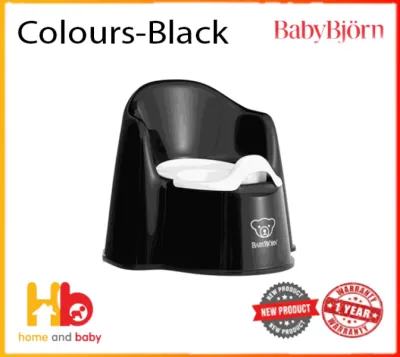
The BabyBjörn Potty Chair is a standalone, floor-level unit. It features a high backrest, supportive armrests, and a removable inner bowl designed to catch waste. Because it sits directly on the floor, it requires no installation or attachment to your existing bathroom fixtures. This design is highly accessible for early beginners who are just learning to recognize their bodily cues and need to sit down quickly without assistance.
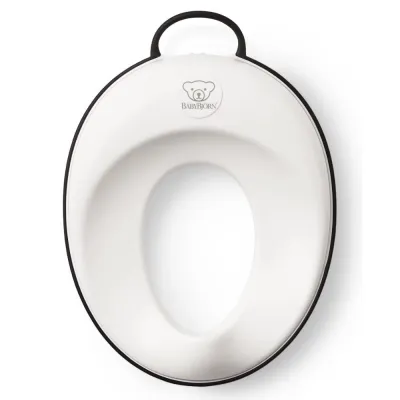
In contrast, the BabyBjörn Toilet Trainer is a seat reducer that is placed directly on top of your existing adult toilet seat. It is designed to narrow the opening of the adult toilet, preventing a small child from slipping through. This setup bridges the gap to independent bathroom use by allowing your child to use the same toilet as the rest of the family, utilizing the home’s existing plumbing system for immediate waste disposal.
Neither option is universally superior to the other. Instead, they cater to different training philosophies, physical capabilities, and bathroom environments. A standalone chair prioritizes immediate physical security and accessibility, while a toilet trainer prioritizes space-saving integration and the mimicry of adult habits. Understanding these core differences allows you to evaluate which approach aligns best with your family’s lifestyle.
Key Factors to Evaluate Before You Choose
Selecting the right potty training tool requires a careful evaluation of several practical dimensions. Before making a purchase, you should consider how each product fits into your child’s physical development, your home’s physical layout, and your daily household management.

Child's Age, Size, and Independence Level
A child’s physical readiness and psychological comfort are the most critical factors when choosing between a potty chair and a toilet trainer. Age is often a secondary indicator; physical size, motor skills, and emotional confidence play much larger roles in determining which setup will feel safe and inviting.
Before purchasing either product, always verify the manufacturer’s minimum and maximum weight or height limits printed on the product packaging. Children grow at different rates, and adhering to these guidelines ensures the product remains stable and safe during use. A seat that is too small can cause discomfort, while a seat that is too large may fail to provide the necessary physical support, leading to anxiety or resistance.
Evaluate your child’s gross motor skills, particularly their balance and coordination. Sitting securely on a floor-level potty chair requires minimal climbing or balancing, making it highly suitable for toddlers who are still developing steady footing. On the other hand, using an over-the-toilet trainer requires the child to climb up a step stool, turn around, and position themselves safely on an elevated seat. If your child struggles with balance or fears heights, the elevated setup may cause hesitation.
Psychological comfort is equally important during this transition. Early beginners often find comfort in a grounded seat where their feet can rest flat on the floor, providing a sense of stability and control. Conversely, older toddlers often experience a strong desire for independence and mimicry. For these children, using the main toilet with a trainer seat provides a “grown-up” appeal that can be a powerful motivator, helping them feel like active participants in the household routine.
Bathroom Space and Setup Constraints
The physical layout of your home and the available space in your bathroom will heavily influence which product is more practical for daily use. Different housing styles, from compact apartments to spacious multi-story homes, present unique spatial challenges.
The standalone Potty Chair requires dedicated floor space in your bathroom. Because it sits on the floor, you must ensure there is enough clearance for family members to move around without tripping over it. In smaller bathrooms, this footprint can feel restrictive. However, the portability of a standalone chair means it can easily be moved to other rooms, such as a playroom or bedroom, during the initial days of training when immediate access is crucial.
The Toilet Trainer, while saving floor space, introduces its own set of requirements. It must be paired with a secure, non-slip step stool so your child can climb up independently and rest their feet comfortably while sitting. Without a step stool, a child’s legs will dangle, which can cause discomfort and make it difficult for them to bear down properly. You must ensure your bathroom floor has enough space to accommodate both the step stool and the trainer seat when not in use.
Compatibility is another critical factor for the Toilet Trainer. Adult toilet seats vary widely in shape, size, and hinge design. Before purchasing, you must check the compatibility of the trainer seat with your specific toilet model, whether it is round, oval, or elongated. A poorly fitting trainer seat can slide or wobble, which can frighten a child and set back their training progress.
Cleaning Routine and Portability Needs
Maintaining hygiene is a constant task during potty training, and the two products offer very different cleaning workflows. Consider how much time and effort you are willing to dedicate to daily maintenance and how often you travel.
The Potty Chair requires a hands-on cleaning routine after every single use. Because waste is collected in the removable inner bowl, you must carry the bowl to the adult toilet, empty the contents, and then rinse and sanitize the bowl before replacing it. This process must be repeated consistently to maintain hygiene and prevent odors. While the removable bowl is designed for easy pouring, some parents find this repetitive task inconvenient.
The Toilet Trainer simplifies waste disposal because all waste goes directly into the adult toilet, allowing for immediate flushing. This eliminates the need to carry and empty a separate bowl. However, the trainer seat itself and the accompanying step stool will still require regular wiping and sanitizing to remove splashes or dust. You must also consider where to store the trainer seat when adult family members need to use the toilet.
Portability is another key consideration if your family travels frequently, visits relatives, or manages a multi-story home. A standalone potty chair can be placed in the trunk of a car for road trips or outdoor activities, providing a familiar toilet option on the go. The Toilet Trainer is also highly portable due to its lightweight design, but it relies entirely on the availability of a compatible adult toilet at your destination.
BabyBjörn Potty Chair vs Toilet Trainer: Feature Comparison
To help you visualize the practical differences between these two options, the following table summarizes their key design features, operational requirements, and ideal user profiles. This comparison is based on observable design characteristics and general product utility.
| Feature | Standalone Potty Chair | Over-the-Toilet Trainer |
|---|---|---|
| Setup Location | Directly on the bathroom floor or any flat surface. | Placed securely on top of an existing adult toilet seat. |
| Floor Footprint | Requires dedicated floor space; can be moved easily. | Minimal floor footprint, but requires space for a step stool. |
| Cleaning Method | Emptying, rinsing, and sanitizing the removable inner bowl. | Direct flushing of waste; regular wiping of the seat reducer. |
| Required Accessories | None; operates as a fully self-contained unit. | A secure, non-slip step stool is necessary for access and foot support. |
| Ideal User Profile | Early beginners, younger toddlers, or children who prefer feet on the floor. | Older toddlers, children with good balance, or those eager to mimic adults. |
| What to Verify on the Box | Splash guard height, base stability, and inner bowl removal mechanism. | Toilet seat shape compatibility, adjustment dial mechanism, and weight limits. |
When reviewing these options, remember to focus on the specific physical needs of your child and the layout of your home. Checking the product packaging for specific safety certifications and weight recommendations is always recommended before making your final selection.
How to Decide: A Conditional Checklist
To simplify your decision, use this conditional checklist to match your household’s specific circumstances with the most appropriate potty training tool.
Choose the Potty Chair if:
- Your child is in the very early stages of potty training and needs a highly accessible, low-to-the-ground seat.
- Your child expresses fear or anxiety when placed on the large adult toilet.
- You want a portable option that can be moved from room to room or taken on trips outside the home.
- Your bathroom layout has sufficient floor space to accommodate a standalone unit.
- Your child's feet do not yet reach the step stool comfortably when sitting on an adult toilet.
Choose the Toilet Trainer if:
- Your child has developed strong gross motor skills and can climb a step stool safely and independently.
- Your bathroom floor space is highly limited, and you prefer a solution that integrates with your existing toilet.
- Your child is highly motivated by mimicking adult behavior and wants to use the "big toilet."
- You prefer a cleaning routine that avoids emptying a manual collection bowl, opting instead for direct flushing.
- You already own a stable, non-slip step stool that fits well in front of your toilet.
Verify first if:
- Your adult toilet seat has an unusual shape or hinge design that might prevent a standard trainer seat from sitting flat and secure.
- Your child shows signs of resistance; forcing a transition to an elevated seat too quickly can cause setbacks.
- The step stool you plan to use provides a wide, stable base that does not tip when weight is applied to the edges.
Transitioning Between Potty Stages
Potty training is a dynamic journey that often involves multiple stages of development. Many families find that they do not have to choose exclusively between a potty chair and a toilet trainer; instead, these products can be used sequentially or in tandem to support the child’s growing independence.
A common approach is to start with the Potty Chair during the initial introduction to toilet training. This allows the child to become familiar with the concept of sitting on a potty in a low-pressure, highly secure environment. Once the child has mastered the basic routine and gained physical height and coordination, you can transition them to the Toilet Trainer to help them adapt to the standard adult toilet.
Alternatively, you can use both products simultaneously to accommodate different times of day or locations in your home. For example, you might keep the Potty Chair in your child’s bedroom for easy access during the night or early morning, while installing the Toilet Trainer in the main family bathroom for daytime use. This dual-setup approach ensures that a comfortable and familiar option is always within reach, reducing the likelihood of accidents.
Always follow your child’s individual pace throughout this process. Forcing a transition before a child is physically or emotionally ready can lead to frustration, resistance, or regression. If your child shows persistent reluctance to use the elevated toilet trainer, temporarily returning to the familiar floor-level potty chair can help rebuild their confidence. Consult pediatric guidelines or your family physician if you experience prolonged challenges or have concerns about your child’s developmental progress.
Frequently Asked Questions (FAQ)
Can the BabyBjörn Toilet Trainer fit any adult toilet?
The compatibility of the trainer seat depends heavily on the shape, size, and hinge design of your adult toilet seat. While many trainer seats are designed to adjust to standard round and elongated toilets, they may not fit securely on highly customized, square, or exceptionally thick toilet seats. To avoid purchasing an incompatible product, measure the inner and outer dimensions of your toilet seat and compare them against the manufacturer’s fit guide or packaging specifications before buying.
Do I need to buy a step stool separately for the Toilet Trainer?
Yes, a secure, non-slip step stool is highly recommended and often must be purchased separately, unless you select a specific product bundle that explicitly includes it. A step stool is essential not only for helping your child climb onto the elevated seat independently but also for providing a stable platform to rest their feet. Proper foot support is crucial for ergonomic positioning, as it allows the child to feel secure and apply the necessary abdominal pressure comfortably during bowel movements.

Community discussion
Share your experience or ask a question. Comments are reviewed before publication.