
Quick Verdict: Is the BabyBjörn Potty Chair Worth the Investment?
The BabyBjörn Potty Chair is generally worth the premium investment if you prioritize ergonomic back support, high stability, and a highly efficient cleaning design that simplifies daily maintenance. For families in Singapore navigating compact bathroom spaces or planning for multiple children, the durable construction and minimalist aesthetic offer long-term value that offsets the initial upfront cost.
However, if you only need a temporary, highly portable solution for a very short training window, a standard budget-friendly potty may suffice. Ultimately, the decision depends on whether you value daily convenience and structural durability over a lower initial price tag.
Evaluating the Premium Features Against Standard Potty Chairs
When evaluating potty chairs, comfort plays a critical role in how long a toddler is willing to sit. Look for ergonomic designs that offer high back support and comfortable armrests, which help children maintain a natural, relaxed posture. Standard models often feature low backs or simple bucket shapes that may cause toddlers to slouch or feel unsupported during longer sits.
Products mentioned in this guide
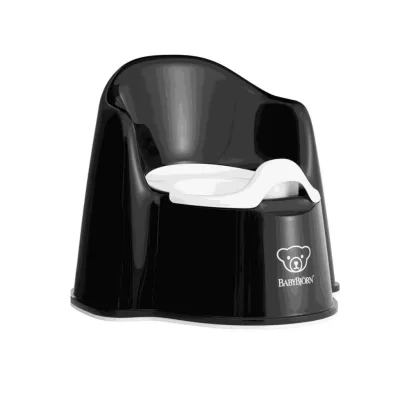
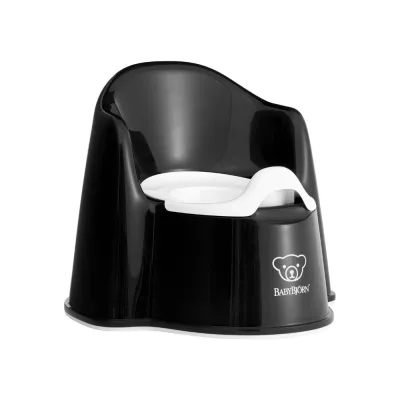
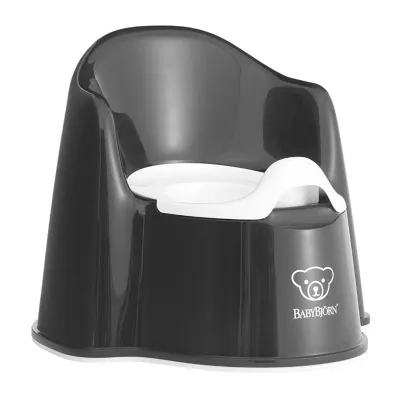
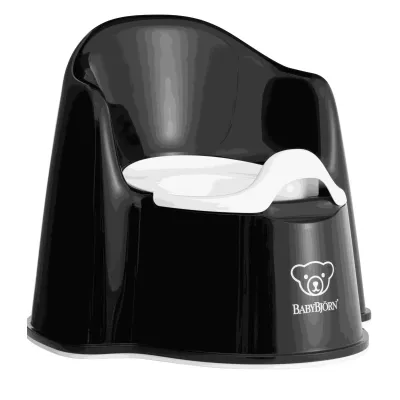
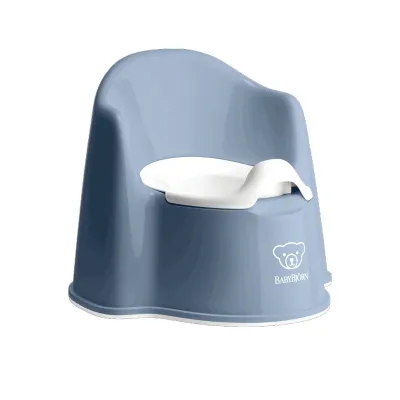
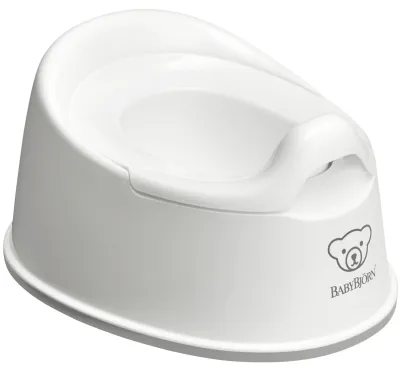

Prices are valid at publication and may change. Please refer to the product page for the latest price.

A well-designed splash guard is essential for preventing messy spills and keeping the surrounding bathroom floor clean. High, integrated splash guards are particularly effective because they remain fixed in place, accommodating both boys and girls without shifting. In contrast, many budget alternatives utilize removable splash guards that can easily be dislodged by an active toddler, leading to unexpected leaks.
Daily maintenance is one of the most frequent tasks during potty training, making the cleaning mechanism a major point of comparison. Premium models typically feature a removable inner pot with a prominent handle, allowing caregivers to lift, empty, and rinse the bowl without moving the entire chair. Standard one-piece potties require lifting the entire unit to the toilet, which increases the risk of spills and makes thorough sanitization more cumbersome.
Stability is crucial for building a toddler’s confidence when stepping on, sitting down, or standing up from the potty. Check the manufacturer’s specifications for a wide base equipped with non-slip rubber edging along the bottom to prevent sliding on tiled bathroom floors. Additionally, verify that the plastics used are durable, rigid, and free from flexible points that might bend or warp under a child’s weight over time.
Practical Limitations and Trade-Offs to Consider
While the high-back design offers excellent physical support, it also results in a larger physical footprint. In typical Singapore apartments where bathroom space is highly optimized, a bulky potty chair can restrict movement around the toilet or shower area. Caregivers should measure their available floor space and consider whether a larger standalone unit will obstruct daily bathroom traffic.
The structural weight and solid build that provide stability also make this potty chair less suitable for travel. Moving a bulky high-back chair between rooms, taking it on family outings, or packing it for overnight stays can be highly inconvenient compared to lightweight, foldable travel potties. If your family travels frequently or requires a highly mobile training setup, the physical bulk of a premium chair is a notable trade-off.
Every child develops at a different pace, making it essential to check the manufacturer’s recommended age, height, and weight limits before purchasing. Because this model sits directly on the floor, taller toddlers may eventually find their knees bent at an uncomfortable angle as they grow. Understanding these physical limits helps you estimate the actual usable lifespan of the product before your child must transition to a standard toilet seat reducer.
Deciding If It Fits Your Potty Training Strategy
If you are adopting a child-led potty training approach, fostering independence is a primary goal. A low, stable floor-level potty chair allows toddlers to sit down and stand up completely on their own without requiring constant physical assistance from a caregiver. This autonomy can build confidence rapidly, as the child can respond to their bodily cues immediately and safely.
Consider how you plan to transition your child to the family toilet over time. Using a standalone potty chair creates a dedicated, non-intimidating station where the child feels secure, which is ideal for the early stages of training. However, if your strategy involves skipping the standalone phase entirely to avoid transitioning twice, a toilet trainer seat that mounts directly onto your existing toilet might be a more direct path.
The initial premium price in S$ becomes significantly more economical when viewed as a long-term investment for multiple children. High-quality plastics and robust construction resist wear, discoloration, and cracking over years of use. Choosing a neutral, timeless design allows the potty chair to be safely stored and reused for younger siblings, effectively cutting the per-child cost in half.
Exploring Budget-Friendly Alternatives
If the premium price exceeds your current budget, you can still find highly functional standard potty chairs by focusing on essential safety and utility features. Prioritize models that feature a secure, non-slip rubber base to prevent sliding on wet bathroom tiles, and look for a simple, integrated splash guard that is high enough to contain messes. A basic removable inner bowl is also a highly desirable feature to look for, as it greatly simplifies the emptying and washing process.
When browsing online marketplaces or local baby boutiques, always verify the safety standards and material claims printed on the product packaging or official listings. Look for clear labels indicating that the plastics are free from harmful substances and are certified for child use. Avoid purchasing unbranded products that lack clear manufacturer details, as these may use thinner, brittle plastics that can crack under pressure.
Choosing a budget-friendly alternative does come with expected trade-offs that you should prepare for. These models often feature lighter, less stable materials that can tip over more easily if a toddler stands up quickly. Additionally, you may experience less ergonomic back support, simpler designs that require more frequent deep cleaning, and a shorter overall lifespan before the plastic shows signs of wear.
Frequently Asked Questions (FAQ)
How do I properly clean and maintain the BabyBjörn potty chair?
To maintain hygiene and preserve the materials, follow these daily cleaning steps:
- Emptying: Lift the inner pot using the integrated front handle and empty the contents directly into your household toilet.
- Rinsing: Rinse the inner pot with running water, using a mild, child-safe detergent if necessary to remove any residue.
- Wiping: Wipe the exterior frame with a damp cloth and a gentle, non-abrasive household cleaner, ensuring you dry the surfaces thoroughly to prevent moisture buildup.
- Avoid Abrasives: Always check the product manual to confirm approved cleaning agents, and avoid using harsh chemical bleach, scouring pads, or abrasive scrubbing tools that can scratch the smooth plastic surface.
Can the BabyBjörn potty chair be used as a step stool later?
No, the BabyBjörn potty chair is designed exclusively for potty training and should not be repurposed as a step stool.
- Structural Limits: The high-back frame and removable inner pot are not engineered to support the concentrated standing weight of a child, which can lead to structural failure or cracking.
- Tipping Hazard: Standing on the curved edges or the flexible inner bowl creates a severe tipping hazard, especially on slick bathroom floors.
- Safety First: Always consult the manufacturer's official guidelines and weight limits for your specific model, and purchase a dedicated, flat-surfaced step stool with non-slip grip feet for tasks like reaching the sink or washing hands.

Community discussion
Share your experience or ask a question. Comments are reviewed before publication.