
When preparing a nursery in Singapore, selecting a safe sleeping arrangement is one of the most critical decisions new parents face. A baby side bed, which allows your infant to sleep close to your own bed while remaining in their own secure space, offers convenience for nighttime feeding and comforting. However, because newborns spend the majority of their early months asleep, ensuring this furniture meets rigorous safety standards is paramount to preventing serious accidents.
In Singapore, consumer goods are monitored for safety, but nursery furniture often comes from various international manufacturers, each adhering to different regional guidelines. To guarantee your infant’s safety, you must look beyond aesthetic appeal and marketing promises. A compliant baby side bed must feature verified structural certifications, precise physical dimensions, and a secure attachment mechanism if it is designed to interface with an adult bed. Understanding how to identify these standards and perform your own physical checks will give you peace of mind during those vital early months.
How to Verify Safety Certifications on Product Labels
Navigating the world of nursery furniture certifications can feel overwhelming, but focusing on established international standards is the most reliable path. When shopping for a baby side bed, the two primary safety benchmarks to look for are the European standard EN 1130 (which specifically governs cribs and cradles) and the American ASTM F2906 (the standard specification for bedside sleepers). These standards ensure the product has undergone rigorous testing for structural stability, material toxicity, and entrapment hazards.
Products mentioned in this guide
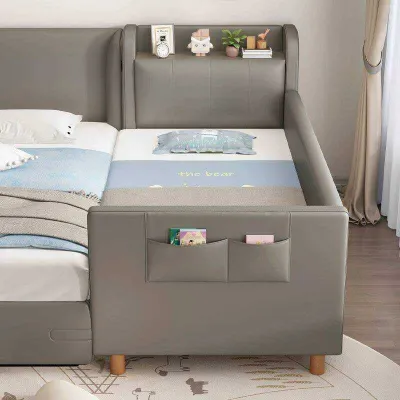

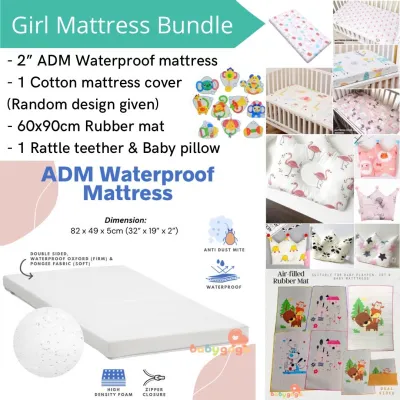
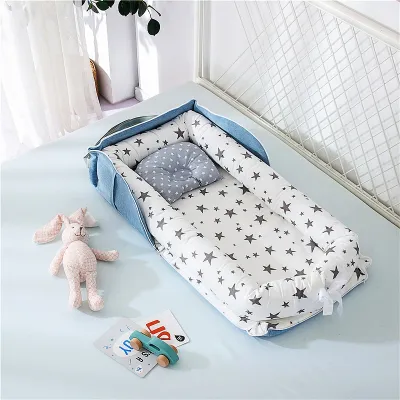
![[MQLITTLESHOP] Ready Stock Baby Portable bed side bed Swing Cot Foldable Bed New Born baby cot](https://img.lazcdn.com/g/p/c1260f1585b90ffa53dedf4c4f9ca86a.jpg_400x400q80.jpg_.webp)
![[SG SELLER] BABY BED FOLDABLE PORTABLE LOUNGER NEST BED COT Baby Separated Bed Baby Cot Newborn Sleeper Sleep By Your Side](https://img.lazcdn.com/g/p/c41c8927ef30d1f6f6a1d479daeb9c05.jpg_400x400q80.jpg_.webp)
Prices are valid at publication and may change. Please refer to the product page for the latest price.
To verify these certifications, do not rely solely on online product descriptions or promotional graphics. Instead, inspect the physical product frame, the original packaging, or the manufacturer’s official user manual for a permanently affixed label or stamp. Legitimate safety labels will explicitly state compliance with “EN 1130” or “ASTM F2906” along with the year of the standard’s publication. If you are shopping online or cannot find the physical label, cross-reference the model number on the manufacturer’s official website or request a copy of the safety compliance certificate from the authorized retailer.
Be highly cautious of products that use vague, non-specific safety claims. Phrases such as “tested for safety,” “pediatrician approved,” or “meets global standards” without citing a specific, recognized testing code are common marketing tactics that do not guarantee actual compliance. If a seller cannot provide documentation linking the specific model to an accredited testing laboratory, it is safest to assume the product has not been verified to meet modern safety requirements. Investing time in verifying these labels protects your baby from substandard manufacturing and design flaws.
Essential Physical Safety Checks Before You Buy
Even when a baby side bed carries a certification label, performing a hands-on physical inspection is a crucial safeguard before finalizing your purchase. Start by examining the spacing of the side slats or the tension of the mesh panels. If the bed features wooden or plastic slats, the distance between them must be narrow enough to prevent your baby’s head, limbs, or torso from becoming trapped. A standard rule of thumb is that the gap between slats should not exceed 60 millimeters; you can easily check this by ensuring a standard soft drink can cannot pass through the gaps. If the side bed uses mesh walls, ensure the fabric is tightly stretched, securely stitched to the frame, and free of any sagging that could create a suffocation hazard.

The mattress fit is another critical area where errors can lead to severe consequences. The mattress must be exceptionally firm and fit snugly within the bed frame with absolutely no gaps along the edges. To test this, press your fingers along the perimeter of the mattress; if you can easily insert more than two fingers between the mattress edge and the side of the bed, the mattress is too small for the frame. This gap poses a dangerous entrapment risk where a rolling baby could become wedged and suffocate. Always use the exact mattress supplied or explicitly recommended by the manufacturer for that specific model.
Structural stability and material finish must also be evaluated thoroughly. Assemble or inspect the display model to ensure the frame does not wobble, creak, or lean under gentle pressure. All locking mechanisms, especially those used to adjust the height or secure the bedside attachment, must lock firmly into place without any play. Inspect every surface for sharp edges, exposed screws, rough wooden splinters, or peeling paint. Additionally, completely avoid older models or second-hand options that feature drop-side mechanisms—where one side slides down completely on tracks—as these have been widely banned or heavily restricted internationally due to mechanical failures that create dangerous gaps.
Setting Up a Safe Sleep Environment at Home
Once you have selected a certified and structurally sound baby side bed, the way you set it up in your home plays an equally vital role in your baby’s safety. The golden rule of safe infant sleep is to keep the sleeping surface completely bare. While it may be tempting to decorate the bed with soft blankets, plush pillows, padded bumpers, or stuffed toys, these items are major suffocation and choking hazards. In Singapore’s warm, tropical climate, babies do not require heavy blankets; instead, dress your infant in a lightweight, well-fitting sleep sack or swaddle suitable for the room’s temperature, and place them to sleep on their back on a firm, flat sheet.
The placement of the side bed within your bedroom or nursery requires careful planning to avoid external hazards. Position the bed well away from windows where direct sunlight, outdoor noise, or drafts from air conditioning units might disturb your baby. More importantly, ensure the bed is completely out of reach of window blind cords, electrical wires, baby monitor cables, and wall decorations. A curious infant can easily pull on dangling cords, presenting a severe strangulation hazard. Additionally, keep the bed clear of heavy furniture, such as bookshelves or wardrobes, that could potentially tip over during unexpected movement or daily use.
If you are using the side bed in its co-sleeping configuration, where it attaches directly to your adult bed, you must follow the manufacturer’s attachment instructions with absolute precision. Use the provided safety straps to anchor the baby’s bed tightly against your mattress, ensuring there is absolutely no gap between the two sleeping surfaces. The top of the side bed’s lowered barrier must never sit higher than your adult mattress, as this can create a dangerous ridge. Regularly check these straps, as daily movement and changing bed linens can cause the anchor system to loosen over time.
When to Stop Using the Baby Side Bed
A baby side bed is designed as a temporary sleep solution for the earliest stages of infancy, and knowing when to transition your child to a larger, standard cot is essential for their ongoing safety. Every side bed has strict physical limits defined by the manufacturer, which typically include a maximum weight capacity and height limit. You must locate these specifications in your product manual and monitor your baby’s growth closely. Once your baby approaches or reaches either of these limits, the structural integrity of the bed can no longer be guaranteed, and you must transition them to a standard cot.
Developmental milestones are even more critical than weight limits when determining when to stop using a side bed. Because these beds have shallower sides than standard cots, they pose a significant fall hazard once a baby becomes mobile. You must discontinue using the side bed immediately if your baby shows signs of rolling over, pushing up onto their hands and knees, sitting up independently, or attempting to pull themselves up using the sides. Even if your baby has not yet reached the official weight limit, their newfound mobility makes the shallow depth of a side bed unsafe.
To ensure the bed remains safe throughout its period of use, establish a weekly maintenance routine. Inspect all structural joints, screws, and brackets to ensure they have not loosened with daily movement. Check the fabric mesh for any signs of tearing, fraying, or separation from the frame, and examine wooden or plastic components for hairline cracks. If you discover any damaged parts, loose hardware that cannot be tightened, or structural instability, stop using the bed immediately. Do not attempt temporary DIY repairs with tape or non-original screws; instead, contact the manufacturer for authorized replacement parts or transition your baby to a standard cot.
Frequently Asked Questions (FAQ)
Is it safe to buy a second-hand baby side bed?
Buying a pre-owned baby side bed carries inherent risks that require careful consideration before making a decision. Second-hand furniture may have suffered hidden structural damage, worn-out joints, or weakened mesh from previous use that is not immediately visible. Furthermore, older models may not comply with the latest safety standards, or they may have been subject to manufacturer recalls that the previous owner was unaware of. Missing hardware is another common issue, and substituting original screws with hardware store alternatives can compromise the bed’s structural integrity.
If you do choose to purchase or accept a second-hand side bed, you must perform several mandatory safety checks. First, obtain the exact model number and brand name to check online recall databases and verify that the product is safe for continued use. Ensure the seller provides the original manufacturer’s instruction manual so you can verify that every single screw, strap, and bracket is present and correctly installed. Thoroughly inspect the frame for cracks, the mesh for tears, and the mattress for firmness and fit. If the original mattress is soiled, worn, or missing, do not use a generic replacement unless it is specifically approved by the original manufacturer for that exact model.
What is the difference between a side bed and a bedside sleeper?
While the terms are often used interchangeably by retailers, a standalone side bed and an attachable bedside sleeper have distinct designs and safety requirements. A side bed is essentially a compact, standalone crib or bassinet that features four enclosed sides, though one side may be made of breathable mesh or have a lower profile for easier access. It is designed to sit next to the parent’s bed but remains completely independent, meaning it does not physically lock or strap onto the adult bed frame.
In contrast, a bedside sleeper is specifically engineered to attach securely to the side of an adult bed, typically featuring a side panel that can be lowered or removed entirely. This design allows for a continuous sleeping surface between the parent and the baby, facilitating direct contact. Because of this open connection, bedside sleepers require specialized safety features, such as heavy-duty anchor straps that wrap around the adult mattress to eliminate any gaps where a baby could fall or become trapped. When using a bedside sleeper, parents must strictly follow the manufacturer’s bed-type compatibility guidelines, as they are often incompatible with certain adult bed frames, such as platform beds or beds with deep recesses.

Community discussion
Share your experience or ask a question. Comments are reviewed before publication.