
Selecting the right baby nappy cream is one of the most frequent decisions parents face, yet the sheer variety of options on the shelves can be overwhelming. To protect your infant’s delicate skin from the constant moisture, friction, and irritants associated with diaper use, you should look for clinically proven barrier agents like zinc oxide, petrolatum, and dimethicone, alongside soothing emollients like shea butter and calendula. Conversely, you should actively avoid synthetic fragrances, essential oils, harsh chemical preservatives, talc, and drying alcohols, which can easily trigger contact dermatitis or worsen existing irritation.
Because an infant’s skin barrier is still developing, it is highly permeable and susceptible to absorbing topical chemicals. Marketing terms like “natural” or “hypoallergenic” are often used loosely for branding, making it essential to look past the front label and scrutinise the actual ingredient list. While a high-quality barrier cream is excellent for daily prevention and mild redness, severe, bleeding, oozing, or persistent rashes require professional medical evaluation rather than self-treatment with over-the-counter products.
Why Ingredients Matter in Baby Nappy Cream
The primary function of a baby nappy cream is to serve as a physical shield between your baby’s skin and the harsh environment inside a diaper. This environment is constantly exposed to moisture, friction, and highly irritating enzymes present in urine and stool. When these elements remain in contact with the skin, they break down the stratum corneum—the outermost layer of the skin—leading to painful inflammation and diaper rash. A properly formulated cream performs a dual role: it creates a robust, water-repellent barrier to block external irritants while simultaneously delivering soothing agents that support the skin’s natural healing process.
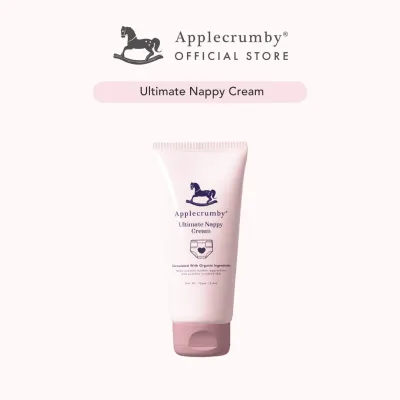
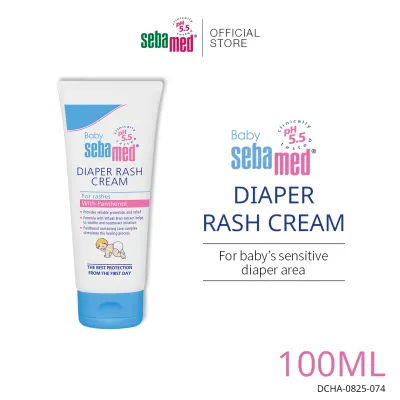
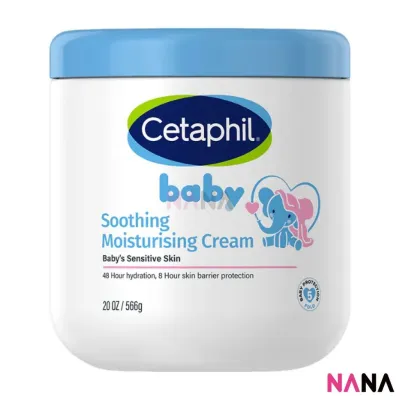
Products mentioned in this guide
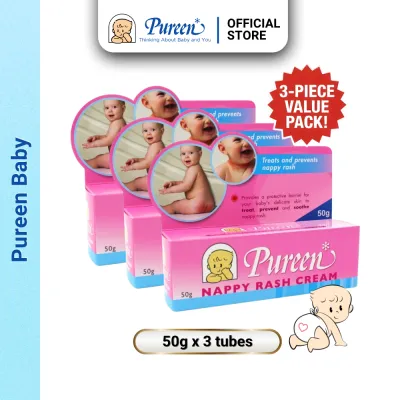
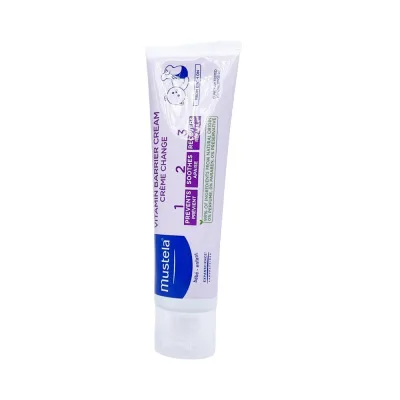
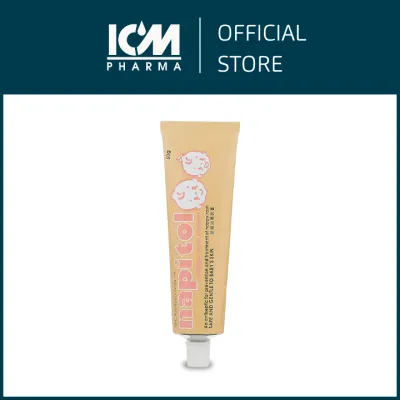
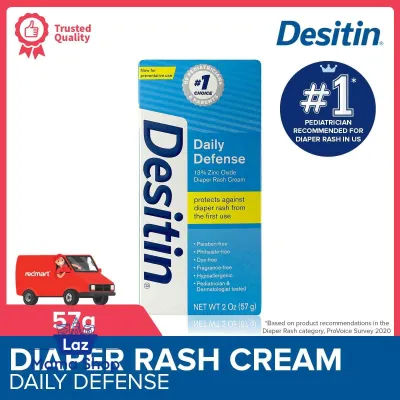
![[Mustela Bundle Deal] Mustela Hydra Bebe Facial Cream 40ml [Normal Skin][Hydration] (exp: 09/2028 & beyond)](https://img.lazcdn.com/g/p/25a79fb4c0b052cb59fd66de3aeed08b.jpg_400x400q80.jpg_.webp)
Prices are valid at publication and may change. Please refer to the product page for the latest price.
In tropical environments like Singapore, the challenges of diapering are compounded by high humidity and ambient heat. These conditions promote sweating and trap heat within the diaper, leading to rapid skin maceration and a higher risk of fungal infections, such as Candida. Because an infant’s skin is up to thirty percent thinner than adult skin, it possesses a much higher rate of transepidermal water loss and a significantly higher surface-area-to-weight ratio. This means any chemical applied to the diaper area is absorbed more readily and can penetrate deeper into the systemic circulation, making ingredient safety a paramount concern.
When browsing the baby care aisle, parents are often greeted by beautifully designed packaging claiming to be “pediatrician-approved,” “organic,” or “pure.” However, these terms are not strictly regulated by medical authorities and do not guarantee safety or efficacy. The only reliable way to assess a product’s suitability is to read the official ingredient list on the back of the packaging. If your baby’s diaper rash becomes severe, spreads to the abdomen or thighs, develops blisters, or is accompanied by a fever, you should stop using over-the-counter creams immediately and consult a pediatrician, as these symptoms often indicate a secondary bacterial or fungal infection requiring prescription treatment.
Protective and Soothing Ingredients to Look For
To effectively prevent and treat diaper rash, a baby nappy cream must contain ingredients that can withstand moisture while nurturing the compromised skin underneath. These ingredients generally fall into two categories: heavy barrier agents that block wetness and botanical emollients that calm inflammation.

Barrier Agents (Zinc Oxide and Petroleum)
Zinc Oxide: This is widely considered the gold standard ingredient for treating active diaper rash. Zinc oxide is a natural mineral that does not absorb into the skin; instead, it sits on the surface to form a thick, visible, and highly effective physical barrier that repels water and acids. It also possesses mild astringent and antimicrobial properties, which help dry out excess moisture and soothe inflamed tissue. When choosing a cream for an active rash, look for formulations where zinc oxide is listed near the top of the ingredients.
Petroleum Jelly (Petrolatum) / Mineral Oil: These highly refined, USP-grade occlusive agents are incredibly effective at locking in the skin’s natural moisture and preventing friction. Because petroleum jelly is chemically inert, it rarely triggers allergic reactions, making it an exceptional choice for daily preventative care. It glides onto the skin easily, creating a slick, water-resistant layer that prevents urine and stool from sticking to the skin, which simplifies cleanup during diaper changes.
Dimethicone: This silicone-based polymer serves as an excellent alternative or complement to heavier barrier agents. Dimethicone creates a breathable, silk-like protective film over the skin that repels water without feeling overly greasy or heavy. Formulations utilizing dimethicone are typically lighter, faster-absorbing, and easier to spread, making them highly convenient for quick daytime diaper changes when a thick paste is not required.
Soothing Botanicals and Emollients (Calendula, Shea Butter)
Calendula and Chamomile: Derived from marigold and chamomile flowers respectively, these botanical extracts have been used traditionally for centuries to calm skin irritation. They contain active compounds like bisabolol, which help reduce redness, swelling, and discomfort. When formulated correctly in baby creams, they assist in soothing raw skin and accelerating the recovery of minor diaper chafing.
Shea Butter and Cocoa Butter: These plant-based lipids are rich in fatty acids and vitamins, acting as natural emollients that soften dry, rough skin. They absorb into the upper layers of the epidermis to replenish lost lipids, reinforcing the skin’s natural protective barrier. Unlike synthetic emollients, high-quality shea and cocoa butters provide deep nourishment while allowing the skin to breathe.
Safety Caveat: While botanical extracts offer wonderful soothing benefits, they are also potential allergens. Even organic, plant-derived ingredients can trigger contact dermatitis in infants with highly sensitive skin or eczema. When introducing a nappy cream containing botanical extracts, it is wise to select products with minimal ingredients, introduce only one new botanical product at a time, and monitor your baby’s skin closely for any signs of localized redness or tiny bumps.
Irritating Ingredients to Avoid in Nappy Creams
Many commercial baby products contain additives designed to improve scent, shelf life, or texture, but these components can be highly detrimental to a baby’s delicate diaper area. Avoiding these common irritants is crucial for preventing chronic skin flare-ups.
Artificial Fragrances and Essential Oils
Synthetic Fragrances (Parfum): Fragrance is the leading cause of allergic contact dermatitis in both children and adults. On the back of a product label, the word “parfum” or “fragrance” represents a proprietary blend of dozens of undisclosed chemicals, many of which are known allergens. Applying these complex chemical mixtures to an already raw, compromised diaper area can cause intense stinging, burning, and prolonged inflammation.
Essential Oils: Often marketed as natural, therapeutic alternatives to synthetic perfumes, concentrated essential oils like tea tree, peppermint, citrus, lavender, or eucalyptus are highly sensitizing. While they may smell pleasant, their volatile organic compounds can easily strip the skin barrier and cause severe irritation, especially when trapped under the heat and pressure of a sealed diaper.
To protect your baby, look for products explicitly labeled “fragrance-free.” Be cautious of products labeled “unscented,” as these formulations often contain chemical masking agents designed to cover up the natural odor of the raw ingredients, which can still irritate sensitive skin.
Harsh Preservatives and Drying Agents
Parabens and Formaldehyde-releasers: Chemical preservatives like methylparaben, propylparaben, or formaldehyde-releasing agents (such as DMDM hydantoin or imidazolidinyl urea) are used to prevent bacterial growth in water-based creams. However, these compounds are associated with high rates of skin sensitization and contact allergies. Furthermore, there are ongoing global discussions regarding the potential endocrine-disrupting properties of certain parabens, leading many parents to avoid them entirely in leave-on baby care products.
Talc (Talcum Powder): Traditionally used to absorb moisture, talc should be avoided in both loose powders and creams. If inhaled during application, fine talc particles can cause severe respiratory distress and lung damage in infants. Additionally, when talc is incorporated into heavy creams, it can clump within the skin folds of the groin, creating a gritty texture that increases friction, chafes the skin, and traps moisture and bacteria.
High-concentration Alcohols: Simple, drying alcohols such as ethanol, isopropyl alcohol, or alcohol denat are sometimes added to creams to make them dry faster on the skin. However, these alcohols strip away the natural lipids of the skin barrier, leading to extreme dryness and a painful stinging sensation when applied to raw or broken skin. Note that fatty alcohols, such as cetearyl, cetyl, or stearyl alcohol, are entirely different; these are non-irritating, wax-like emollients that help stabilize the cream and soften the skin.
How to Read Ingredient Labels for Your Baby's Skin
Understanding how to decipher a product’s ingredient list empowers you to make informed decisions based on your baby’s current skin condition, rather than relying on clever marketing campaigns.
When reviewing a baby nappy cream, check the International Nomenclature of Cosmetic Ingredients (INCI) list, where ingredients are displayed in descending order of concentration. The top three to five ingredients make up the vast majority of the product. If you are dealing with an active, red diaper rash, you want to see active barrier agents like zinc oxide or petrolatum listed at the very top. Conversely, soothing botanical extracts or specialized vitamins (like panthenol) are highly effective even in smaller amounts, so they will naturally appear closer to the middle or bottom of the list.
Your choice of cream should match your immediate diapering goal:
- For Daily Prevention: Choose a lighter, breathable cream or ointment formulated with petrolatum, mineral oil, or dimethicone. These glide on smoothly, wash off easily, and provide a gentle daily shield that prevents friction without building up a thick residue.
- For Treatment of Active Rashes: Opt for a thick, heavy paste containing a high percentage of zinc oxide. These formulations are designed to stay in place even when exposed to heavy overnight wetting, providing a physical wall that allows the underlying skin to heal.
Before applying any new nappy cream to your baby’s diaper area, perform a simple patch test to rule out potential allergies. Apply a pea-sized amount of the cream to a small, clean, and unaffected area of skin, such as the inner thigh or upper arm. Allow the product to sit, and monitor the area for 24 hours. If you notice any redness, swelling, itching, or tiny bumps, wash the area immediately, discontinue use of the product, and consult a healthcare professional.
Always check the specific product label and the manufacturer’s instructions for age limits, application frequencies, and storage guidelines. If the diaper rash worsens, spreads rapidly, starts weeping fluid, or if your baby shows signs of significant discomfort, stop using the cream and seek professional medical advice immediately.
Frequently Asked Questions (FAQ)
Is a higher percentage of zinc oxide always better for diaper rash?
A higher percentage of zinc oxide is not always necessary for daily care, though it is highly beneficial for treating severe rashes. Formulations containing 20% to 40% zinc oxide are very thick and pasty, making them ideal for creating an impenetrable barrier overnight or during long car rides. However, because these high-concentration pastes are difficult to wipe off, aggressively scrubbing them away during daytime diaper changes can cause further friction and damage to delicate skin. For daytime prevention and mild redness, a lower concentration of 10% to 15% zinc oxide is often preferred, as it is easier to spread and clean off gently.
Can I use natural oils like coconut oil instead of commercial nappy cream?
While high-quality, cold-pressed coconut oil or olive oil can serve as excellent, mild emollients for healthy, intact skin, they are not complete substitutes for commercial nappy creams when treating or preventing diaper rash. Natural oils lack the strong, water-repellent occlusive properties of zinc oxide or petroleum jelly, meaning they can easily wash away when exposed to urine. Furthermore, applying raw, unrefined oils to broken, weeping, or raw skin can trap moisture and bacteria underneath, potentially worsening yeast infections or causing localized irritation. If you choose to use natural oils, ensure they are applied only to completely healthy skin as a light moisturizer.

Community discussion
Share your experience or ask a question. Comments are reviewed before publication.