
Trimming a newborn’s tiny, paper-thin nails can be one of the most nerve-wracking tasks for new parents. The fear of accidentally nicking delicate skin often leads to anxiety, yet keeping those rapid-growing nails short is essential to prevent babies from scratching their own faces. Finding the right nail cutter for a baby depends on the infant’s nail thickness and the parent’s confidence level. By understanding the unique mechanics of baby nail scissors, clippers, and electric files, you can select the tool that makes this routine care safe and stress-free.
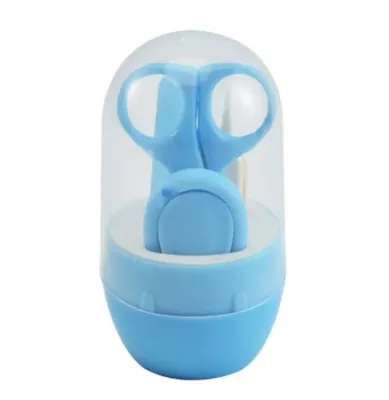
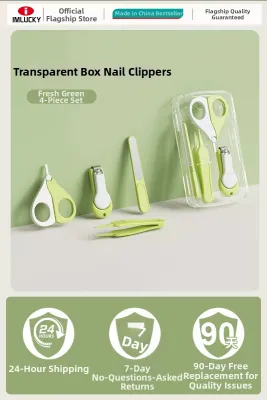
Baby nail scissors offer exceptional precision and control, making them a popular choice for handling soft, pliable newborn nails. These specialized scissors feature rounded safety tips to prevent accidental puncture wounds if the baby suddenly moves. The design allows parents to see exactly where the blade meets the nail, providing clear visual feedback during each cut. However, using scissors requires a steady hand and a bit of practice, creating a slight learning curve for those unaccustomed to the dual-finger loop grip.
Baby nail clippers utilize a familiar lever mechanism scaled down to fit tiny fingers and toes. They feature small, curved blades designed to match the natural arc of an infant’s nail bed, allowing for quick, clean cuts. While clippers are highly efficient, they can create a visual blind spot directly beneath the blade. This design increases the risk of pinching the sensitive skin of the finger pad if the parent does not carefully pull the skin back before clipping.
Products mentioned in this guide
![[TPP] Baby Nail Trimmer Pedicure Care Kit 防抓伤多功能婴儿电动磨甲器儿童指甲剪 SG INSTOCK](https://img.lazcdn.com/g/p/d4f9082b86431839465f7b4dd8204268.png_400x400q80.png_.webp)
![[SG SELLER] Electric Baby Nail Trimmer with LED Light 6 in 1 Baby Nail File Kit No Claws Hurt for Newborn Toddler](https://img.lazcdn.com/g/p/02552c6b2758eefb2cb6fa7e9c4e898d.jpg_400x400q80.jpg_.webp)
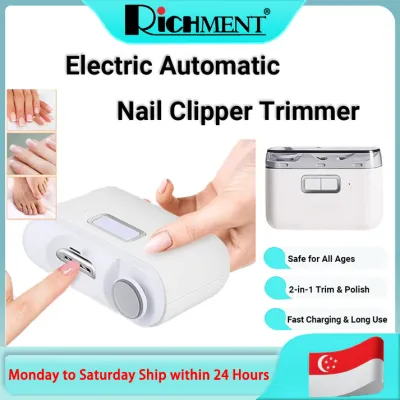
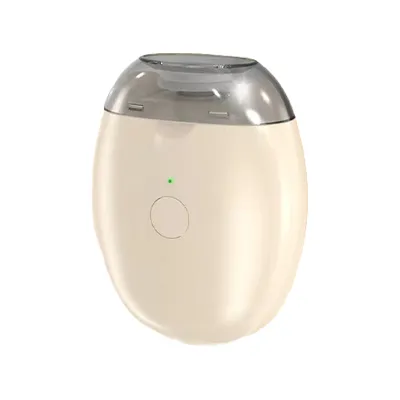
Prices are valid at publication and may change. Please refer to the product page for the latest price.
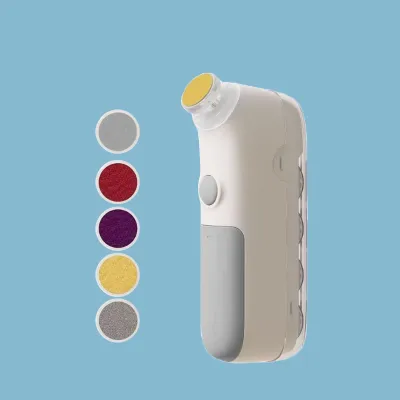
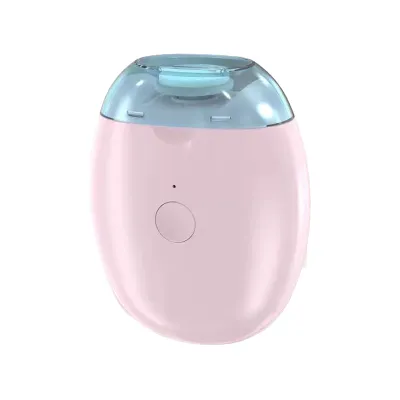
Electric nail files, or rotary trimmers, offer a modern alternative that bypasses blades entirely. These battery-operated devices use a spinning, cushioned pad with varying levels of grit to gently grind down the nail edge. Because the pad stops or slips when it contacts skin, the risk of cutting or nicking the baby is extremely low. Parents considering an electric file must evaluate factors such as motor noise, vibration levels, and the ongoing need to replace worn-out grinding pads as the baby grows.
Key Factors to Consider for Your Newborn and Yourself
When deciding on a grooming tool, the baby’s age and nail development stage should guide your choice. Newborn nails are incredibly soft, thin, and often adhere closely to the surrounding skin, sometimes peeling naturally on their own. As infants grow over the first few months, their nails gradually harden and become more defined. A tool that works perfectly for a floppy newborn may feel less effective once those nails thicken, requiring a transition to a sturdier cutting edge.
A parent’s personal comfort and hand steadiness are equally critical to a successful trimming session. If the thought of using a metal blade near your baby’s fingers causes significant anxiety, a manual tool may lead to hesitant, unsafe movements. Parents experiencing sleep deprivation or those with naturally shaky hands often find comfort in motorized files. Conversely, parents who prefer a fast, straightforward routine may find the slow, grinding process of an electric file tedious and prefer the speed of manual clippers.
Visibility and lighting play a major role in preventing grooming mishaps. Tiny infant fingers require maximum visual clarity, which can be challenging in dimly lit bedrooms or during evening routines. Some tools are designed with built-in LED lights to illuminate the nail bed, while others have open designs that do not block your line of sight. Ensuring you trim near a bright window or under a strong indoor light source is essential regardless of the tool you select.
Maintenance and hygiene requirements vary significantly across these three tool types. Manual stainless steel scissors and clippers are highly durable, easy to sanitize with an alcohol wipe, and require no power source. Electric files, on the other hand, require regular battery checks and a steady supply of replacement pads. Ensuring you choose a tool with easily accessible replacement parts and straightforward cleaning instructions will save time and maintain hygienic standards over the long term.
Feature Comparison: Scissors vs. Clippers vs. Electric Files
To help you weigh your options, it is helpful to compare how each tool performs across key practical dimensions. Each style offers distinct advantages depending on your primary concerns, whether you prioritize speed, absolute safety, or precise shaping.

| Tool Type | Control Level | Trimming Speed | Safety Profile | Best Suited For |
|---|---|---|---|---|
| Baby Nail Scissors | High precision; clear line of sight | Moderate; requires careful positioning | Rounded tips prevent punctures; blades require steady hands | Soft newborn nails and precise corner shaping |
| Baby Nail Clippers | Moderate; lever mechanism | Fast; quick single-cut action | Risk of pinching skin if finger pad is not pulled back | Older infants with thicker, more defined nails |
| Electric Nail Files | Gentle; automatic grinding | Slow; requires holding each finger longer | Extremely low risk of skin cuts; stops on contact | Anxious parents and trimming during sleep |
When shopping for any nail cutter for a baby, remember that specific safety certifications, exact age limits, and material grades must be verified directly on the manufacturer’s packaging. Do not rely solely on product names or marketing descriptions to assume a tool is safe for your newborn.
If you decide on an electric file, pay close attention to the device’s speed settings and pad options. Ensure the device offers adjustable speed settings so you can start on a gentle low mode to gauge your baby’s reaction. Additionally, verify that the included grinding pads are explicitly rated for infant use, as adult-grade pads are far too abrasive and can easily damage delicate baby skin.
How to Choose the Right Nail Cutter for Your Situation
Selecting the right tool comes down to matching the device’s strengths with your specific parenting context. Choose baby nail scissors if you prioritize precision, have a steady hand, and want to carefully shape soft newborn nails. Scissors allow you to trim away tiny hangnails and sharp corners with surgical accuracy, making them excellent for the first few weeks of life when nails are paper-thin and cling to the skin.
Choose baby nail clippers if you prefer a familiar, quick method and your baby has slightly thicker, more defined nails. If your infant is relatively calm during grooming or if you have mastered the technique of pulling the finger pad away from the blade, clippers offer the fastest way to complete the task. They are also highly portable and easy to toss into a diaper bag for quick on-the-go touch-ups.
Choose an electric file if you are highly anxious about cutting the skin, need to trim while the baby is sleeping, or want to smooth sharp edges without using blades. The gentle vibration can be soothing to some infants, and the lack of sharp edges provides peace of mind for parents who find manual trimming too stressful. This option is also ideal for smoothing out rough edges left behind by manual cuts.
Before finalizing your purchase, verify first if the tool is specifically designed for infants by checking the manufacturer’s age guidelines and replacement part availability. Ensure that any plastic components are durable and that metal parts are made of rust-resistant stainless steel. Checking these details beforehand ensures a safe, long-lasting addition to your baby care kit.
Safe Nail Trimming Practices for Babies
Regardless of the tool you choose, establishing a calm routine and using proper techniques will minimize risks and make the experience more comfortable for both you and your baby. Optimal timing and positioning are key to a successful trim. Many parents find it easiest to trim nails immediately after a bath when the nails are at their softest, or while the baby is in a deep sleep. Ensure you hold the baby’s hand or foot securely, stabilizing the individual digit you are working on to prevent sudden jerks.
Always perform careful visual checks for nail length before making a cut or filing. Gently press the finger pad away from the nail to create a clear gap and expose the entire nail edge. When trimming fingernails, follow the natural curve of the finger, but avoid cutting too close to the quick. For toenails, always cut straight across to prevent the corners from growing into the skin and causing discomfort.
Even with the utmost care, accidental nicks can happen. If you accidentally cut the skin, do not panic or feel guilty. Apply gentle pressure to the area with a clean, sterile cloth or gauze until the bleeding stops. Avoid applying adhesive bandages to an infant’s fingers or toes, as babies frequently put their hands in their mouths, making bandages a serious choking hazard.
Keep a close eye on your baby’s fingertips and toes in the days following a trim. If you observe signs of infection, persistent redness, swelling, warmth, or suspect an ingrown nail, stop using any trimming tools immediately. Consult a pediatrician or a qualified healthcare professional to ensure the area is evaluated and treated safely.
Frequently Asked Questions (FAQ)
How often should I trim my newborn's nails?
Newborn fingernails grow incredibly fast and may require trimming once or twice a week to prevent accidental face scratching. Toenails grow at a much slower rate, typically only needing a trim once or twice a month. Regularly inspect your baby’s hands and feet for sharp edges or growth that extends past the tips of the fingers and toes to determine when it is time for a trim.
Can I use regular adult nail clippers on my baby?
It is highly discouraged to use regular adult nail clippers on a baby. Adult clippers are too large for tiny infant fingers, have a wider blade curvature that does not match the natural shape of a baby’s nail, and lack safety features like rounded edges or magnifying guards. Using adult tools significantly increases the risk of accidentally clipping the sensitive skin of the finger pad or damaging the delicate nail bed.

Community discussion
Share your experience or ask a question. Comments are reviewed before publication.