
Choosing the right baby nail cutter is a common source of anxiety for new parents, but there is no single “safest” or “easiest” tool that works for every family. The ideal choice depends on your baby’s cooperation level, your personal confidence, and the specific design of the tool you select. While some parents swear by the swift precision of manual clippers, others prefer the gentle, forgiving nature of electric files.
Manual clippers offer speed and clean cuts for cooperative babies, allowing you to finish the task in a matter of seconds. Conversely, electric nail files provide a gradual, buffer-like experience that is highly forgiving, making them an excellent choice for active or sleeping infants. Ultimately, ensuring a tear-free grooming session relies less on the tool type itself and more on adhering to manufacturer instructions, choosing age-appropriate designs, and practicing proper technique.
How Manual Clippers and Electric Files Actually Work
Understanding the mechanical differences between these two grooming tools is the first step in deciding which one fits your parenting routine. Manual baby nail clippers and specialized baby grooming scissors rely on a mechanical shearing action. When you compress the lever of a clipper, two curved, opposing stainless steel blades meet to cleanly slice through the nail plate. Baby scissors work similarly, using a bypass shearing motion where two blades slide past each other, giving you slightly more control over the cutting angle and curve.
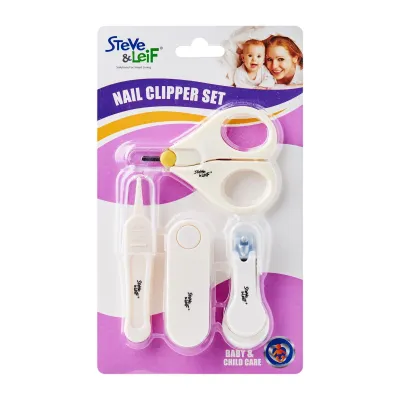
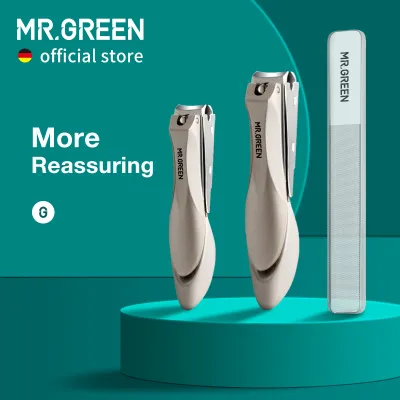
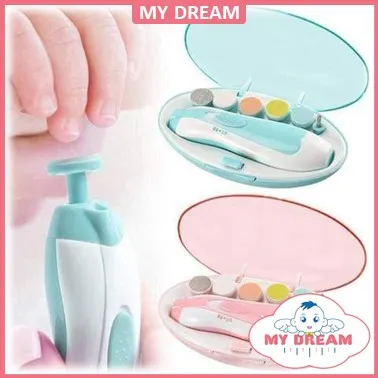
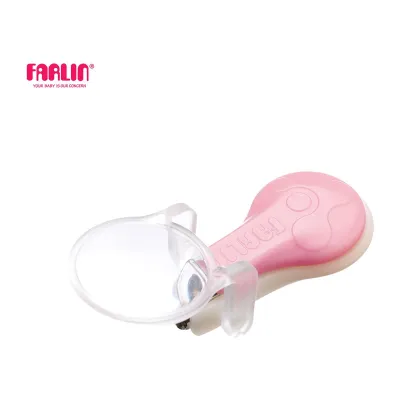
Products mentioned in this guide

![[𝐒𝐆 𝐒𝐞𝐥𝐥𝐞𝐫] BabySPA Electric Manicure Set Baby safe Nail Clipper Polisher Manicure Pedicure Clipper Cutter Kids](https://img.lazcdn.com/g/p/30b400df151d5dee3613c83573a19559.jpg_400x400q80.jpg_.webp)
Prices are valid at publication and may change. Please refer to the product page for the latest price.
Electric baby nail files, often referred to as nail trimmers or buffers, operate on a completely different principle. These devices use a battery-powered motor to spin or oscillate a circular filing pad coated with a fine abrasive grit. Instead of cutting the nail in one swift motion, the rotating pad gradually abrades and wears down the nail edge. This slow, grinding process rounds out sharp corners and reduces nail length without the risk of sudden, deep cuts.
Manufacturers typically design these tools with specific developmental stages in mind. Many brands recommend using ultra-gentle electric files or specialized baby scissors during the first few weeks of life when a newborn’s nails are still fused to the surrounding skin. As the nail plate hardens and separates from the nail bed—usually around a few months of age—manual clippers become a highly efficient option for rapid trimming.
Assessing Safety Boundaries and Manufacturer Warnings
Evaluating the physical safety features and operational limits of your grooming tools is essential for preventing accidental nicks. When shopping for manual baby nail cutters, look for designs specifically engineered for infant safety. High-quality manual clippers often feature rounded cutting edges, built-in magnifying glasses, or integrated LED lights to improve visibility. Some models also include protective plastic guards that limit how much of the nail can enter the cutting zone, reducing the risk of pinching the sensitive skin underneath.

Electric nail files incorporate their own set of safety mechanisms to protect delicate fingers. Most reputable models feature adjustable speed settings, allowing you to switch between low and high speeds depending on your comfort level. They also utilize pressure-sensitive auto-stop functions, which immediately halt the motor if you press the filing pad too firmly against your baby’s skin. Additionally, the filing pads themselves are typically cushioned with a soft foam backing to absorb excess pressure and prevent over-filing.
Before using any grooming tool, you must strictly verify the manufacturer’s age, weight, and developmental guidelines printed on the packaging. Electric files, for example, usually come with color-coded filing pads tailored to specific age ranges, as the abrasive grit must match the hardness of the baby’s developing nails. Using a pad designed for a toddler on a newborn can cause skin irritation or damage the delicate nail bed.
Regardless of the tool you choose, you should establish clear stop conditions for your grooming routine. Cease trimming immediately and consult a pediatrician if you notice any signs of nail infection, such as redness, swelling, or pus around the cuticle. You should also seek professional advice if your baby develops ingrown nails, unusual skin irritation, or if the grooming process consistently causes extreme distress or physical discomfort.
Real-World Ease of Use: Handling Active or Sleeping Babies
The practical ease of using a baby nail cutter often comes down to your baby’s temperament and your daily caregiving schedule. Trimming a baby’s nails while they are awake and active presents significant challenges, as sudden movements can lead to accidental slips. Manual clippers require a high degree of hand stability, visual acuity, and confidence from the parent; a single squirm at the wrong moment can result in a painful nick. Electric files are far more forgiving in this scenario, as the soft pad will not cut the skin even if the baby jerks their hand away.
Many parents find that grooming during sleep is the most stress-free strategy. Electric files are particularly well-suited for sleeping babies because they operate quietly and often feature built-in LED lights that illuminate the nail without waking the infant. Manual clippers can also be used during sleep, but they require excellent ambient lighting and a very steady hand to ensure you do not accidentally catch the surrounding skin in the dark.
The time investment required for each tool is another important trade-off to consider. Manual clipping is incredibly fast, taking only a few seconds per hand once you master the technique. Electric filing is a much slower, more gradual process that requires patience, as you must hold each finger still while the pad slowly grinds down the nail. If you have a highly impatient baby, the prolonged vibration of an electric file might cause more fussiness than a quick clip.
Finally, consider the post-trim cleanup process. Manual clippers produce small, sharp nail fragments that can fly off during cutting, requiring you to carefully collect them to prevent the baby from scratching themselves or swallowing the debris. Electric files, on the other hand, grind the nail into a fine, virtually dust-free powder that accumulates on the pad or simply falls away, making cleanup as simple as wiping the baby’s hands with a damp cloth.
Pre-Purchase Checklist: Specs and Features to Verify
Before purchasing a baby nail cutter, running through a practical verification checklist ensures you select a safe, durable, and cost-effective product. First, check the packaging for clear age-appropriateness labels and recognizable safety certifications. While certifications are dynamic and subject to change, verifying that the product meets standard consumer safety guidelines provides peace of mind.
If you are leaning toward an electric nail file, verify the power source and the long-term availability of replacement parts. Some models run on replaceable AA or AAA batteries, while others feature convenient USB-rechargeable batteries. Additionally, because the abrasive pads wear out over time, check online marketplaces to ensure that replacement filing pads are affordable and easily accessible for that specific model.
For manual clippers, assess the material quality and overall construction. Look for rust-resistant stainless steel blades that will maintain their sharpness over time, as dull blades can tear the nail rather than cut it cleanly. Ensure the clippers come with a protective storage cap or a dedicated travel case to keep the blades clean and hygienic between uses.
Lastly, evaluate the overall value by comparing the initial cost in S$ against the expected lifespan of the tool. Manual clippers are highly economical, often costing under S$10 and lasting for several years without requiring any ongoing maintenance. Electric files typically range from S$15 to S$40 upfront and carry the recurring cost of replacement pads, making them a larger long-term investment for your grooming kit.
Decision Framework: Which Baby Nail Cutter Fits Your Routine?
To make a confident final decision, align the features of each tool with your specific parenting style and your baby’s unique needs.
You should choose manual clippers if you are a confident caregiver who prefers a quick, precise grooming routine. This option is ideal if your baby is relatively cooperative or if you have already mastered the hand-eye coordination required to trim tiny nails swiftly.
You should choose an electric nail file if you feel anxious about using sharp blades near your baby’s skin, or if your baby is highly active and easily startled. This tool is also the superior choice if your primary grooming strategy is to trim your baby’s nails while they are asleep, as the quiet motor and gentle vibration are unlikely to disturb them.
Before making your choice, verify if your baby has any specific dermatological conditions, unusually thick or brittle nails, or if you as the caregiver have limited fine motor control. In these cases, the gradual control of an electric file is generally safer and easier to manage than the sharp, decisive cut of manual clippers.
Many parents find that a hybrid approach offers the best of both worlds. You can use manual clippers to quickly reduce the length of long nails, and then follow up with an electric file to smooth out any sharp corners or jagged edges. This combined method ensures your baby’s nails remain short and smooth, minimizing the risk of accidental self-scratching.
Frequently Asked Questions (FAQ)
How often should I trim my baby's nails?
The frequency of nail trimming varies widely based on your baby’s individual growth rate and age. Newborns often require nail care once or twice a week, as their nails grow rapidly and can be surprisingly sharp. Older infants may only need their nails trimmed every one to two weeks. Rather than following a strict calendar schedule, rely on visual and tactile checks; if you feel sharp edges or notice your baby scratching their face, it is time for a trim. If you ever feel that your baby’s nails are growing at an abnormal rate or look unusual, consult your pediatrician for guidance.
What should I do if I accidentally nick my baby's skin?
If you accidentally nick your baby’s skin during grooming, the most important step is to remain calm. Minor nicks are incredibly common and usually heal very quickly. Immediately apply gentle pressure to the area using a clean, sterile gauze pad or a clean cloth until the bleeding stops. Do not apply adhesive bandages to your baby’s fingers or toes, as these pose a serious choking hazard if they loosen and find their way into the baby’s mouth. Seek immediate medical attention if the bleeding does not stop after a few minutes of continuous pressure, if the cut appears deep, or if you notice signs of infection in the following days.

Community discussion
Share your experience or ask a question. Comments are reviewed before publication.