
To protect your baby’s delicate skin from irritation, dryness, and contact dermatitis, it is essential to select a baby laundry detergent that is free from harsh chemical additives. Parents should systematically avoid synthetic fragrances, artificial dyes, strong surfactants like Sodium Lauryl Sulfate (SLS) and Sodium Laureth Sulfate (SLES), aggressive preservatives (such as parabens, methylisothiazolinone, and formaldehyde-releasers), optical brighteners, and liquid fabric softeners. These ingredients frequently leave stubborn chemical residues on fabric fibers that remain in direct, prolonged contact with your infant’s skin, triggering uncomfortable flare-ups.
By learning to identify these irritants on product labels and adjusting your household washing habits, you can create a much safer environment for your little one. Minimizing exposure to unnecessary chemical additives is the most reliable way to safeguard your baby’s developing skin barrier.
Why Baby Skin Reacts to Laundry Detergent Residue
An infant’s skin is structurally different from an adult’s. It is up to 30% thinner, meaning the stratum corneum—the outermost protective layer of the skin—is less developed and significantly more permeable. This increased permeability allows environmental irritants, topical chemicals, and fabric residues to penetrate deeper into the skin layers much more easily, making babies highly susceptible to contact dermatitis and localized irritation.
Products mentioned in this guide
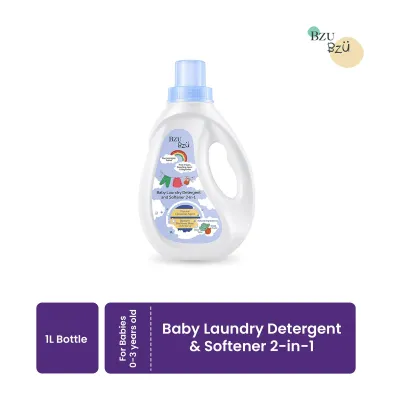
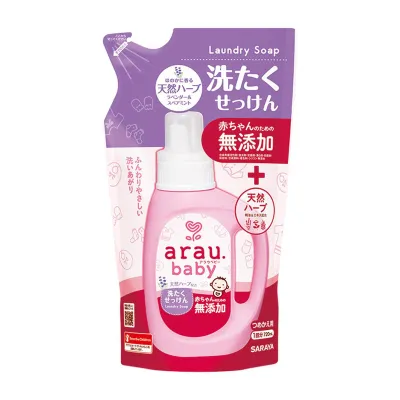
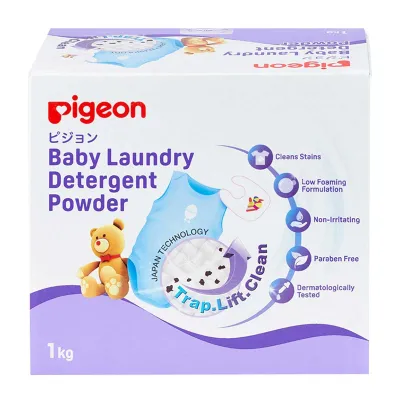
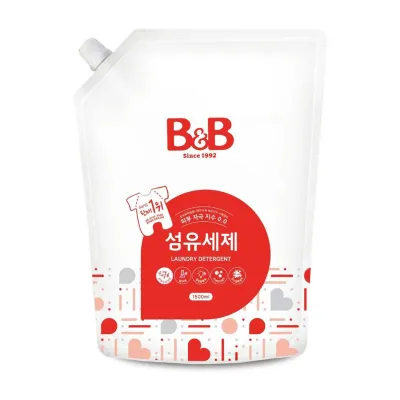
Prices are valid at publication and may change. Please refer to the product page for the latest price.
Furthermore, babies spend their entire day and night in direct physical contact with fabrics. From the onesies and sleepsuits they wear to the swaddles, crib sheets, and parent’s shirts they rest against, their skin is constantly rubbing against textiles. If a detergent leaves behind chemical residues after a wash cycle, these compounds remain trapped in the weave of the fabric. In a warm, humid environment, sweat can dissolve these dry residues, transferring them directly onto the baby’s skin and triggering persistent itching or redness.
Because every infant’s immune system and skin barrier develop at different rates, there is no single “perfect” formula that is universally guaranteed to be 100% reaction-free for every child. The practical goal is not to search for an elusive miracle product, but to systematically minimize exposure to unnecessary chemical additives that are widely documented to cause irritation.
Key Ingredients to Avoid in Baby Laundry Detergent
When evaluating a detergent baby product, certain chemical categories stand out as the primary culprits behind skin irritation. Understanding what these ingredients do and why they are problematic is the first step toward making a safer choice.

Synthetic Fragrances and Dyes
Synthetic fragrances are among the most common triggers of allergic contact dermatitis in both children and adults. On an ingredient list, terms like “parfum,” “fragrance,” or “aroma” represent a complex chemical cocktail. Manufacturers are often not legally required to disclose the individual components of these proprietary scent blends, which can contain dozens of synthetic chemicals, including phthalates used as fragrance stabilizers. These hidden substances can easily irritate a baby’s highly sensitive respiratory tract and skin.
Artificial dyes serve a purely cosmetic purpose for the consumer, making the liquid or powder detergent look appealing in the bottle. They contribute absolutely nothing to the actual cleaning performance or stain-removing capability of the product. However, these synthetic colorants are designed to cling to fabrics, leaving behind microscopic chemical deposits that can cause persistent itching, redness, and hives when pressed against a baby’s skin.
When shopping, it is vital to understand the distinction between “unscented” and “fragrance-free” labels. An “unscented” product may still contain synthetic masking fragrances designed to neutralize the chemical smell of raw ingredients, meaning sensitizing chemicals are still present in the bottle. A truly “fragrance-free” detergent, on the other hand, contains no added fragrance chemicals or masking agents whatsoever, making it the much safer choice for sensitive skin.
Harsh Surfactants and Preservatives
Surfactants are the primary active ingredients responsible for breaking down oils, lifting dirt, and dispersing stains from clothing. However, strong anionic surfactants such as Sodium Lauryl Sulfate (SLS) and Sodium Laureth Sulfate (SLES) are highly aggressive. While they produce a satisfying lather, they can easily strip away the natural lipids and moisture that protect a baby’s skin barrier, leading to dry, flaky patches and heightened sensitivity.
Preservatives are necessary in liquid detergents to prevent the growth of harmful bacteria and mold during storage, but certain chemical preservatives carry an exceptionally high risk of triggering allergic contact dermatitis. Parents should carefully check labels for parabens, methylisothiazolinone (MI), methylchloroisothiazolinone (MCI), and formaldehyde-releasing agents (such as DMDM hydantoin or imidazolidinyl urea). These compounds are well-known sensitizers that can cause severe skin reactions over repeated exposures.
To balance cleaning efficacy with skin safety, look for detergents that utilize milder, plant-derived non-ionic surfactants. Ingredients derived from coconut or glucose, such as coco-glucoside, decyl glucoside, or lauryl glucoside, effectively lift soil from baby garments without stripping the skin’s natural protective oils or leaving behind harsh chemical residues.
Optical Brighteners and Fabric Softeners
Optical brighteners are synthetic chemical compounds added to detergents to make fabrics appear whiter and brighter. They achieve this illusion by absorbing ultraviolet light and re-emitting it as blue light, masking any natural yellowing of the fabric. To perform this trick, optical brighteners must physically bond to the fabric fibers and remain there even after the final rinse cycle. This means a baby wearing brightened clothes is in constant, direct physical contact with active chemical agents that do not wash out.
Liquid fabric softeners and dryer sheets pose a similar, if not greater, risk to infant skin. These products work by depositing a thin, waxy chemical layer—often made of quaternary ammonium compounds (quats)—over the fabric fibers to make them feel smoother to the touch. This chemical coating significantly reduces the natural breathability of cotton fabrics, trapping the baby’s body heat and sweat against their skin, which can quickly trigger heat rash or worsen eczema in warm climates.
In addition to trapping heat, fabric softeners are typically heavily loaded with synthetic fragrances and chemical softeners designed to linger on the laundry for weeks. This continuous exposure to a concentrated layer of synthetic chemicals directly on the skin is a prime recipe for developing contact allergies and severe skin irritation in infants.
How to Decode Detergent Labels for Baby Safety
Navigating the laundry aisle can be overwhelming, especially with the abundance of front-of-bottle marketing claims. Terms like “natural,” “gentle,” “baby-safe,” or “hypoallergenic” are frequently used as marketing buzzwords and are not strictly regulated or standardized across all markets. A detergent labeled “gentle” might still contain synthetic fragrances or harsh preservatives, making it essential for parents to flip the bottle over and scrutinize the actual ingredient list.
When reading the ingredient deck, look out for hidden names of common irritants. Fragrances may be listed as “parfum,” “fragrance,” “aroma,” or even disguised as “essential oil blends” (which, despite being natural, can still trigger allergic reactions in highly sensitive infants). For preservatives, search for terms ending in “-paraben,” as well as “methylisothiazolinone,” “benzisothiazolinone,” “phenoxyethanol,” or formaldehyde donors like “DMDM hydantoin.” If a manufacturer does not fully disclose their ingredients on the packaging, consider visiting their official website to view the complete safety data sheet.
Dermatological testing claims require careful interpretation. Labels stating “clinically tested for sensitive skin,” “dermatologist tested,” or “hypoallergenic” generally indicate that the product has undergone testing to minimize irritation potential. However, these labels do not guarantee that the detergent is completely risk-free for every individual baby. They simply mean the product has a statistically lower likelihood of causing a reaction under standard testing conditions.
The most reliable way to verify compatibility is to perform a practical patch test at home. Before washing your baby’s entire wardrobe, wash a single, non-essential item—such as a small washcloth or a single pair of socks—with the new detergent. Have your baby wear or use this item for a day, then closely monitor their skin for 24 to 48 hours. If you notice any redness, dryness, bumps, or signs of itching, discontinue use immediately and switch to a milder alternative.
What to Look for When Choosing a Safe Baby Detergent
When selecting a safe detergent baby formulation, look for products with a clean, minimal ingredient list. The ideal detergent should be completely clear, dye-free, and fragrance-free. It should utilize mild, plant-derived, or non-ionic surfactants that effectively break down milk spills, spit-up, and everyday dirt without leaving a harsh chemical residue on the fabric fibers.
Beyond choosing the right detergent, your laundry habits play a crucial role in protecting your baby’s skin. Even the mildest detergent can cause issues if it is not thoroughly rinsed out of the clothing. Always utilize your washing machine’s extra rinse cycle setting when washing baby clothes, bedding, and reusable diapers. This additional cycle helps flush away any lingering surfactant molecules, ensuring that only clean, residue-free fabric touches your baby’s skin.
To keep baby clothes soft without resorting to irritating chemical coatings, completely avoid liquid fabric softeners and synthetic dryer sheets. Instead, opt for 100% natural wool dryer balls. These balls tumble along with the laundry, naturally softening the fabric fibers, reducing static cling, and shortening drying times without depositing any chemical residues or artificial fragrances onto the clothes.
Finally, it is important to establish a clear medical boundary for babies with compromised skin barriers. If your infant has been diagnosed with a specific skin condition such as eczema, psoriasis, or severe atopic dermatitis, do not rely solely on over-the-counter label reading. In these cases, always consult a pediatrician or a pediatric dermatologist. They can provide tailored product recommendations and medical guidance to manage your baby’s specific skin needs safely.
Frequently Asked Questions (FAQ)
Can I use regular adult detergent for baby clothes if I double rinse?
While running an extra rinse cycle is highly beneficial, it is often not enough to completely remove the stubborn residues left by standard adult detergents. Regular household detergents are heavily formulated with optical brighteners, synthetic dyes, and intense fragrances that are chemically engineered to bind tightly to fabric fibers so they survive the wash and rinse cycles. Because these chemicals are designed to resist rinsing, they will remain in contact with your baby’s delicate skin. Using a dedicated baby or sensitive-skin detergent formulated entirely without these fabric-binding irritants is a much safer baseline choice.
Do I need to wash baby clothes separately from the rest of the family's laundry?
You do not necessarily need to wash your baby’s clothes in separate, dedicated loads, provided you adjust your household laundry routine. The most practical and time-saving solution for busy parents is to switch the entire family’s laundry over to a gentle, fragrance-free, and dye-free detergent. This approach eliminates the hassle of sorting and running separate loads of laundry. More importantly, it ensures that your own clothing, household bath towels, and shared bedding—all of which your baby frequently cuddles and rests against—are also completely free of harsh chemical residues and irritating fragrances.

Community discussion
Share your experience or ask a question. Comments are reviewed before publication.