
Quick Answer: Which Baby Laundry Detergent is Safest?
Identifying the safest baby laundry detergent depends heavily on your baby’s individual skin profile and your ability to verify ingredient transparency. There is no single universal winner that suits every household, as a formula that works perfectly for one infant might trigger a reaction in another.
For newborns and babies with highly sensitive or reactive skin, plant-based, fragrance-free, and dye-free liquid formulas serve as the safest baseline. These formulations minimize the chemical residues left on fabric fibers, reducing the risk of contact dermatitis and skin barrier irritation.
Before purchasing any product in Singapore, always look beyond front-label marketing claims. Verify recognized dermatological or ecological certifications directly on the packaging to ensure the formula has undergone independent safety assessments.
Products mentioned in this guide
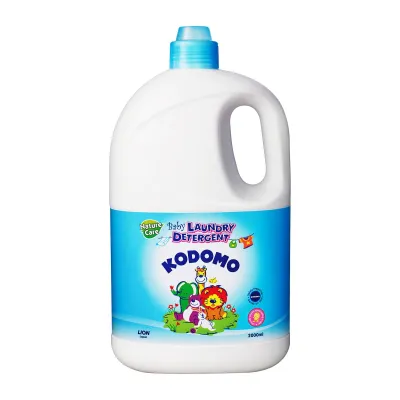
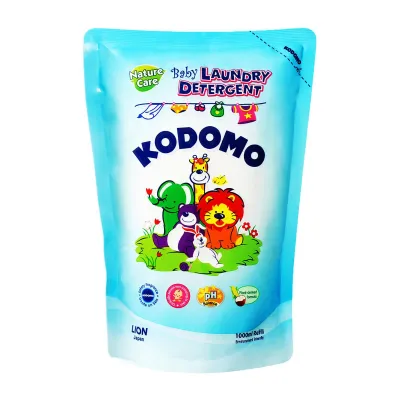
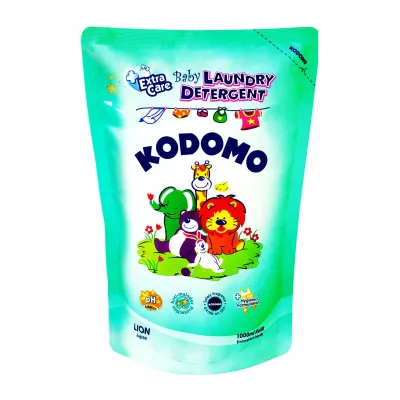
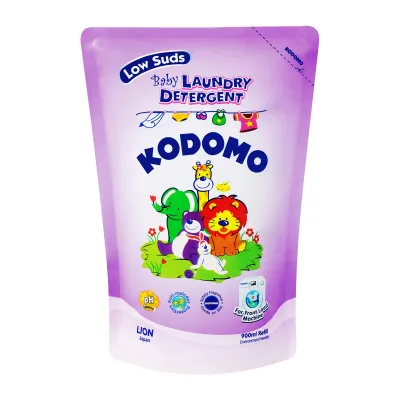
Prices are valid at publication and may change. Please refer to the product page for the latest price.
Key Ingredients to Look For and Avoid
Evaluating the ingredient list on the back of a detergent bottle is the most reliable way to determine its safety and efficacy. Manufacturers often use appealing front-label designs, but the technical ingredient list reveals the true nature of the formulation.

Gentle and Effective Ingredients to Seek
When reviewing a baby detergent, look for mild, plant-derived surfactants that clean fabrics without leaving harsh chemical residues. Common examples include coco-glucoside, decyl glucoside, and lauryl glucoside, which are derived from coconut or corn. These surfactants effectively lower the surface tension of water to remove dirt while remaining gentle on delicate skin barriers.
For older babies who have started solid foods, organic stains like milk, spit-up, and purees become more challenging to clean. In these cases, look for detergents containing natural bio-enzymes. Enzymes such as protease break down protein-based stains like breast milk and formula, amylase targets starch-based baby foods, and lipase addresses fats and oils. These enzymes target specific stain molecules and generally rinse away completely during the wash cycle.
Common Irritants to Avoid
Several chemical groups commonly found in standard household detergents should be avoided in baby laundry care due to their potential to cause skin irritation or respiratory sensitivity:
- Synthetic Fragrances: Often listed simply as "fragrance" or "parfum," these mixtures can contain hundreds of undisclosed chemical compounds, including phthalates, which are known skin sensitizers.
- Optical Brighteners: These synthetic chemicals absorb ultraviolet light and emit blue light to make fabrics look whiter and brighter. They are designed to remain on the fabric fibers after rinsing, meaning they stay in constant contact with your baby's skin.
- Harsh Preservatives: Preservatives like methylisothiazolinone (MIT), methylchloroisothiazolinone (CMIT), and formaldehyde releasers are highly effective at preventing bacterial growth in liquid detergents but are notorious triggers for allergic contact dermatitis.
- Phosphates and Sulfates: Sodium lauryl sulfate (SLS) and sodium laureth sulfate (SLES) can strip natural oils from the skin, while phosphates pose environmental hazards and can irritate sensitive skin.
Reading Labels Critically
Be cautious of vague marketing terms such as “natural,” “organic,” or “baby-safe” when they are not backed up by a full ingredient list. True formulation transparency involves the manufacturer listing every chemical component by its standard international nomenclature. If a brand only states “contains plant-derived surfactants” without specifying which ones, or fails to list its preservative system, consider choosing a brand that provides complete ingredient disclosure.
Safety Certifications and Standards to Verify
Third-party certifications provide an objective layer of safety verification, ensuring that a baby detergent has been evaluated by independent scientific bodies rather than relying solely on the manufacturer’s self-claims.
Dermatological Certifications
When comparing brands, look for specific dermatological seals. A “Dermatologically Tested” label indicates that the product was tested on human volunteers under the supervision of a dermatologist, usually via patch testing, to check for skin irritation.
For babies with eczema or highly reactive skin, look for seals from recognized allergy associations, such as the European Centre for Allergy Research Foundation (ECARF) or the National Eczema Association. These organizations have strict ingredient thresholds and prohibit the use of known common allergens and irritants in certified products.
Ecological and Low-Toxicity Standards
Ecological certifications are excellent indicators of a detergent’s overall safety profile and biodegradability. Look for standards such as EWG Verified (Environmental Working Group), which guarantees that the product avoids EWG’s chemicals of concern and meets strict standards for health and transparency.
Other reputable standards include the USDA Certified Biobased label, which verifies the proportion of renewable plant-based ingredients, and local environmental standards like the Singapore Green Label, which assesses the environmental impact and toxicity of the product throughout its life cycle.
Cross-Referencing Brand Claims
Front-of-pack badges can sometimes be misleading or self-created by the brand’s marketing team. To ensure authenticity, cross-reference the brand and product name directly with the official online databases of the certifying bodies, such as the EWG database or the ECARF registry. This step confirms that the certification is active, valid, and specifically covers the exact formulation you are purchasing.
Comparing Common Baby Detergent Formulation Types
Baby detergents are available in several formats, each presenting distinct characteristics regarding cleaning performance, skin safety, and convenience.
Plant-Based vs. Synthetic Formulas
Plant-based detergents utilize surfactants derived from renewable agricultural sources, such as coconut, palm kernel, or corn. These formulas are highly biodegradable and tend to rinse out of fabric fibers much more cleanly than petroleum-based synthetic detergents. While synthetic detergents can be highly effective at cutting through heavy grease and are often more budget-friendly, their chemical residues are more likely to remain trapped in clothing fibers, potentially irritating a newborn’s thin skin.
Bio-enzyme formulas sit between these types; they use naturally occurring proteins to target stains. While highly effective at removing organic baby stains, some infants with extremely compromised skin barriers or active eczema flare-ups may react to residual enzymes. If your baby has healthy skin, a plant-based bio-enzyme formula offers excellent stain-cleansing power. If your baby has severe eczema, an enzyme-free, plant-based formula is a safer starting point.
Liquid, Powder, and Pod Detergents
Liquid detergents are generally the most suitable option for baby laundry. They dissolve completely in water of any temperature, which is crucial in Singapore’s warm climate where cold or ambient-temperature washes are common. Because they are already dissolved, they rinse away easily, leaving minimal physical residue on clothing.
Powder detergents can sometimes fail to dissolve fully, especially in short wash cycles or high-efficiency machines. Undissolved powder particles can become trapped in the seams and weave of baby clothes, causing mechanical friction and irritation against the skin.
Laundry pods or capsules offer pre-measured convenience but present significant safety hazards. They must be stored in secure, child-proof containers completely out of reach of infants and toddlers, as their bright colors can be mistaken for toys or candy, leading to accidental ingestion. Additionally, pods do not allow you to adjust the dosage for smaller, frequent loads of baby laundry, often leading to over-dosing and excess detergent residue.
Fragranced vs. Fragrance-Free Options
While many parents enjoy the clean scent of freshly washed baby clothes, fragrances serve no functional cleaning purpose. Even naturally derived fragrances, such as those from essential oils (like lavender or citrus), contain natural allergens like limonene or linalool that can trigger skin reactions in newborns. For the first few months of life, or if your baby shows any signs of skin sensitivity, strictly fragrance-free detergents are highly recommended over fragranced options.
Decision Framework: Choosing the Right Detergent for Your Baby
To select the most appropriate baby laundry detergent for your household, use this step-by-step decision framework based on your baby’s skin condition, laundry needs, and washing setup.
Step 1: Assess Your Baby's Skin Sensitivity
- If your baby has eczema, diagnosed allergies, or highly reactive skin: Choose a strictly fragrance-free, dye-free, and enzyme-free liquid formula. Ensure it carries a recognized dermatological or allergy certification (such as ECARF) and lists all ingredients transparently.
- If your baby has normal, healthy skin: A plant-based, bio-enzyme liquid detergent is suitable. It provides the necessary cleaning power to break down food and milk stains while remaining significantly gentler than standard adult detergents.
Step 2: Evaluate Stain Removal Needs
- For newborns (milk and spit-up stains): A mild, plant-based liquid detergent without enzymes is often sufficient, provided stains are pre-treated or washed quickly.
- For older infants (weaning, solid foods, outdoor play): Opt for a plant-based formula containing active enzymes (protease and amylase) to effectively break down tough food stains without requiring harsh synthetic chemicals.
Step 3: Check Washing Machine and Water Compatibility
- Washing Machine Type: Many Singapore households utilize front-load, high-efficiency (HE) washing machines. Ensure the detergent is labeled as low-sudsing or HE-compatible. High-sudsing formulas in front-loaders do not rinse out effectively, leaving detergent buildup on both the clothes and the machine drum.
- Water Hardness: Tap water in Singapore is naturally soft, meaning you do not need to use excess detergent to achieve a good clean. Follow the manufacturer's dosage instructions for soft water to prevent over-dosing and residue accumulation.
Step 4: Verify Ingredient Transparency
- If a product lacks a complete, clear ingredient list on its packaging or official website, or if its safety claims cannot be verified through independent databases, consider switching to a more transparent brand. Complete ingredient disclosure is the ultimate tool for safeguarding your baby's skin.
Frequently Asked Questions (FAQ)
Do I really need a special detergent for my baby's clothes?
Yes, using a dedicated baby detergent or a highly gentle, fragrance-free family detergent is highly recommended. A baby’s skin is up to 30% thinner than adult skin, making it far more susceptible to absorbing chemicals and experiencing irritation.
Standard adult detergents are formulated to remove heavy grease and industrial dirt, often containing high concentrations of strong synthetic surfactants, optical brighteners, and heavy perfumes designed to cling to fabric fibers. These residues can easily disrupt a baby’s delicate skin barrier.
If you prefer not to buy a separate baby-specific product, you can wash the entire family’s laundry in a mild, dermatologically tested, fragrance-free, and dye-free regular detergent, provided it meets the same safety standards as a dedicated baby formula.
How should I wash newborn clothes before the first use?
Newborn clothes, bedding, and reusable cloth diapers should always be washed before their first use. New garments often carry chemical residues from the manufacturing process, including sizing agents, chemical finishes to prevent wrinkling, and dust accumulated during shipping and storage.
Wash new items using a gentle or baby-specific cycle on your washing machine. For standard cotton baby clothes, a wash temperature of 30°C to 40°C is generally sufficient to clean the fabric without causing shrinkage.
Always program your washing machine to run an extra rinse cycle at the end of the wash. This extra step ensures that any residual detergent is thoroughly flushed out of the fabric fibers before the clothing comes into direct contact with your newborn’s skin. Avoid using fabric softeners or dryer sheets, as they leave a chemical coating on the fibers that reduces absorbency and can irritate sensitive skin.

Community discussion
Share your experience or ask a question. Comments are reviewed before publication.