
The Short Answer: Are Baby Incline Beds Safe?
When setting up a nursery, parents in Singapore are often faced with a dizzying array of baby gear designed to promise longer, more peaceful sleep. Among these products, baby incline beds—often marketed as inclined sleepers, loungers, or sleep positioners—frequently catch the eye of tired parents looking for a solution to infant fussiness. However, major pediatric and child safety organizations globally advise against using inclined beds or sleepers for unsupervised infant sleep. The consensus among medical professionals is clear: these products do not provide a safe environment for an infant to sleep unsupervised.
A flat, firm, and unobstructed surface remains the universally recognized gold standard for safe infant sleep. While some products are heavily marketed for comfort, colic relief, or acid reflux reduction, the physical risks associated with an inclined sleeping position far outweigh any perceived benefits. For parents navigating these choices, understanding the underlying safety hazards is crucial to creating a secure sleep environment. When evaluating any sleep product, it is vital to prioritize established safety guidelines over commercial promises, ensuring that your baby is protected during their most vulnerable hours.
Understanding the Safety Risks of Inclined Sleepers
To understand why pediatric experts advise against inclined sleep surfaces, it is necessary to look at the physical and physiological development of a young infant. Infants have unique anatomical characteristics that make them highly vulnerable to airway obstruction when placed on an incline, particularly any surface with an angle greater than 10 degrees.
Products mentioned in this guide
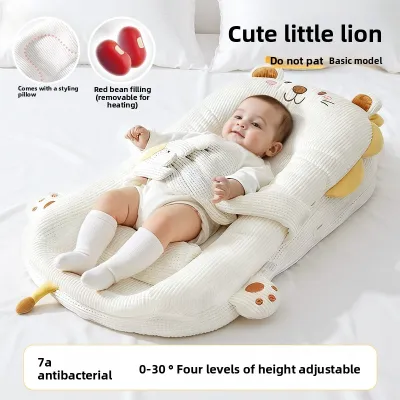
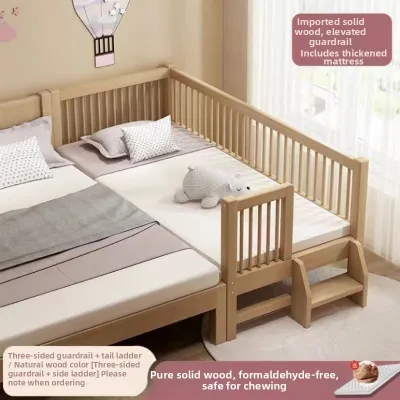
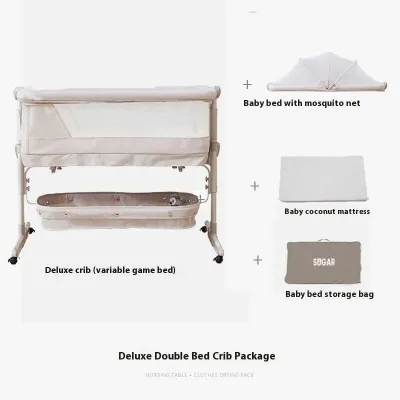
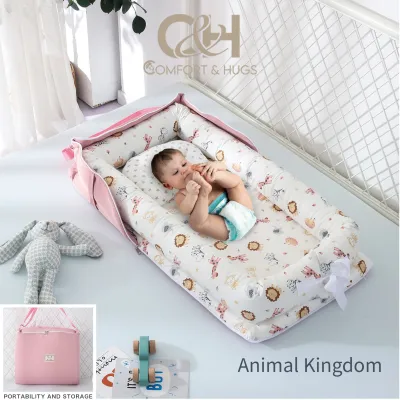
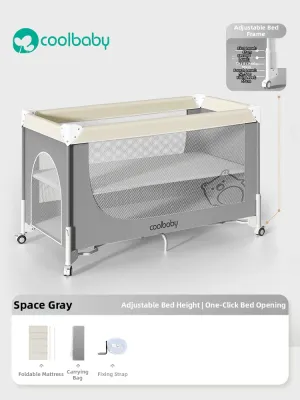
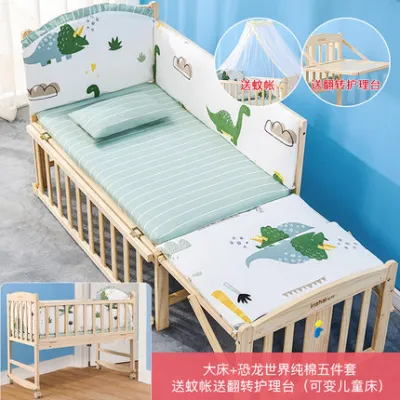
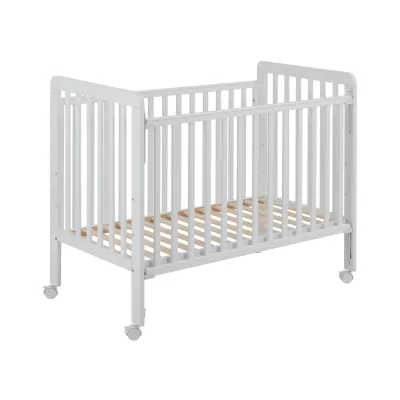
Prices are valid at publication and may change. Please refer to the product page for the latest price.

Positional Asphyxiation: This is one of the most critical hazards associated with inclined sleepers. An infant’s head is relatively large and heavy compared to the rest of their body, while their neck muscles are still developing and weak. When a baby is placed on an incline, gravity naturally pulls their heavy head forward toward their chest. Because an infant’s trachea (windpipe) is soft and highly flexible, this chin-to-chest position can easily compress or kink the airway, much like a folded garden hose. This restriction can lead to silent suffocation, known as positional asphyxiation, where the baby is unable to breathe but cannot cry out or struggle to alert a caregiver.
Roll-over and Entrapment Risks: Inclined sleepers often feature soft, plush, or padded sides designed to cradle the infant. While this design is intended to mimic a cozy environment, it introduces severe suffocation risks. If a baby attempts to turn or roll over on an inclined surface, the slope can cause them to roll more easily than they would on a flat mattress. Once rolled onto their side or stomach, the baby may slide down or become wedged against the soft, padded fabric. If their face is pressed against these non-breathable materials, they can quickly suffocate.
Developmental Limitations: During the first few months of life, infants lack the motor skills, neck strength, and core stability required to rescue themselves from a compromised position. If a baby’s head falls forward or if they roll into a dangerous position against the side of an inclined sleeper, they cannot lift their head or reposition their body to clear their airway. This physical limitation makes unsupervised sleep on any inclined surface exceptionally dangerous, as a baby can succumb to oxygen deprivation quietly without showing obvious signs of distress to someone in another room.
Safety Standards and Labels to Check in Singapore
For parents in Singapore purchasing nursery furniture locally or importing products via online marketplaces, navigating safety standards is an essential step. It is important to look beyond marketing claims and verify the technical specifications of any sleep product before introducing it to your home.
The “Flat and Firm” Rule: A safe sleep surface must be completely flat, which is defined by international safety standards as having an angle of incline of 10 degrees or less. When shopping for bassinets, cribs, or playards, parents should carefully review the manufacturer’s technical specifications to ensure the sleep surface is flat. The mattress itself must be firm, meaning it does not conform to the shape of the baby’s head or body when they are placed on it. A simple test is to press your hand firmly onto the mattress and release; the surface should instantly spring back without leaving an indentation.
Verifying Certifications: Parents should actively look for recognized international safety standards printed on product packaging, labels, or instruction manuals. For infant sleep products, key certifications include:
- ASTM International Standards: Look for compliance with ASTM F2194 (standard safety specification for bassinets and cradles).
- European Standards (EN): Look for EN 1130 (safety requirements for cribs and cradles) and EN 16890 (safety requirements for mattresses for cots and cribs).
- Australian/New Zealand Standards (AS/NZS): Look for AS/NZS 8811.1, which specifically outlines methods for testing mattress firmness.
Always cross-reference these certifications with the official product documentation provided by the manufacturer.
Checking Local Alerts: In Singapore, the Consumer Product Safety Office (CPSO), which is safeguarded by Enterprise Singapore, oversees the safety of general consumer goods. Parents should regularly visit the CPSO portal to check for safety alerts, product recalls, or consumer advisories regarding infant sleep products. Additionally, the Health Sciences Authority (HSA) may issue advisories if a product makes unauthorized medical claims, such as falsely promising to cure or treat infant reflux or sleep apnea.
Marketing vs. Safety: Many manufacturers use appealing terms such as “ergonomic,” “orthopedic,” “anti-reflux,” or “anti-colic” to promote inclined sleep products. It is vital to recognize that these are marketing terms and do not guarantee safety. In many cases, these claims have not been validated by clinical trials or approved by medical regulatory bodies. Parents should never rely on marketing buzzwords as a substitute for verified safety certifications and should consult a pediatrician if they have concerns about their baby’s physical comfort or digestion.
Safe Sleep Alternatives to Inclined Beds
Creating a safe sleep environment does not mean sacrificing your baby’s comfort or your own peace of mind. There are several highly effective, safe alternatives that align with pediatric safe-sleep guidelines while helping to soothe your baby.
Standard Sleep Environments: The safest place for an infant to sleep is in a standard, certified baby crib, bassinet, or playard. These products are designed with flat, firm sleep surfaces and secure, breathable sides. The mattress should be covered only by a tightly fitted sheet designed specifically for that model. Keep the sleep area entirely free of loose items, including pillows, quilts, comforters, bumper pads, stuffed toys, and sleep positioners. This minimalist approach is the single most effective way to reduce sleep-related infant hazards.
Comfort and Temperature Regulation: In Singapore’s warm and humid tropical climate, maintaining a comfortable sleep temperature is essential. Many parents use air conditioning to keep the nursery cool, which can lead to concerns about keeping the baby warm. Instead of using loose blankets, which pose a suffocation risk, opt for wearable blankets or sleep sacks. These garments keep the baby warm and secure without riding up over their face. Ensure the sleep sack is the correct size for your baby’s weight and age, and check that the neck and armholes fit snugly but comfortably.
Managing Reflux Safely: If your baby has been diagnosed with gastroesophageal reflux or experiences frequent spitting up, it is natural to want to elevate their head. However, medical guidelines do not support the use of inclined sleep surfaces for reflux management due to the associated breathing risks. Instead, consult a qualified pediatrician for safe, medically approved strategies. Safe practices typically include keeping the baby in an upright, vertical position on your chest for 20 to 30 minutes after feeding, ensuring they burp thoroughly, and maintaining a completely flat sleep surface when they are laid down to sleep.
What to Do If You Already Own an Inclined Sleeper
If you currently have an inclined sleeper or baby incline bed in your home, taking immediate action is necessary to ensure your baby’s safety.
Immediate Action: Stop using the inclined sleeper for any unsupervised sleep, overnight sleeping, or naps immediately. Even if your baby has slept in it previously without incident, the cumulative risks of positional asphyxiation and rolling remain high. Transition your baby to a flat, firm crib or bassinet for all sleep periods.
Recall Verification: Check the manufacturer’s official website and local Singapore safety portals, such as the CPSO, to see if your specific model is subject to a recall or safety notice. Many prominent inclined sleepers have been recalled globally due to safety hazards. If your product is recalled, follow the manufacturer’s instructions to obtain a refund, replacement, or voucher, and render the product unusable before disposal so no other family accidentally uses it.
Safe Repurposing: If the product has not been recalled and you choose to keep it, it must only be used for supervised, awake activities. This includes short periods of play or lounging while the baby is fully awake and under constant adult supervision. Always strictly adhere to the manufacturer’s weight, age, and developmental limits (such as stopping use as soon as the baby shows signs of rolling over). Never leave the baby unattended in the product, and never allow them to fall asleep in it. If they do fall asleep, gently transfer them to a flat, firm sleep surface immediately.
Frequently Asked Questions (FAQ)
Can I use a baby incline bed for supervised daytime naps?
Even for supervised daytime naps, a flat and firm surface remains the recommended safety standard. If you choose to place your baby in an inclined product while they are awake, you must remain fully awake, attentive, and keep the baby in your direct line of sight at all times. Do not leave the room, browse your phone distractedly, or fall asleep yourself. If the baby begins to look drowsy or falls asleep, you must immediately transfer them to a safe, flat sleeping environment like a crib or bassinet to prevent the risk of positional asphyxiation.
Are inclined sleepers recommended for babies with acid reflux?
Inclined sleepers are not recommended for babies with acid reflux, despite marketing claims suggesting they help reduce spitting up. Mainstream pediatric guidelines emphasize that flat sleep surfaces are essential to prevent airway compromise, which is a far greater risk than reflux symptoms. Elevating an infant’s head on an incline does not significantly reduce reflux and can dangerously restrict their breathing. If your baby suffers from frequent reflux or discomfort, consult a qualified pediatrician to discuss safe, medically approved management strategies.

Community discussion
Share your experience or ask a question. Comments are reviewed before publication.