
Selecting the right hair brush for your child is more than a matter of simple grooming; it is a vital step in protecting their developing scalp and encouraging healthy hair growth. For a newborn, a hair brush must be exceptionally gentle, designed to glide over the delicate fontanelles (soft spots) and manage early scalp conditions like cradle cap. As your baby transitions into a toddler, their hair texture changes, becoming thicker, longer, or curlier, which demands a brush that can detangle knots without pulling or causing discomfort.
In Singapore’s warm, humid climate, babies often sweat more frequently, making regular scalp hygiene and proper brush selection even more critical. Understanding the distinct physiological differences between an infant’s scalp and a toddler’s hair needs will help you choose the safest, most effective grooming tools. By matching the brush type to your child’s specific developmental stage, you can transform daily grooming into a soothing, tear-free routine.
How to Choose a Baby Hair Brush Based on Age and Scalp Sensitivity
A newborn’s scalp is structurally different from an adult’s or even a toddler’s, requiring specialized care. During the first year of life, an infant’s skin is up to 30% thinner and significantly more sensitive to friction, pressure, and temperature. Furthermore, newborns have two primary soft spots on their heads, known as fontanelles, where the skull bones have not yet fully fused. Brushing over these areas requires an incredibly light touch and a brush with ultra-soft bristles that distribute pressure evenly to avoid any risk of injury.
Products mentioned in this guide
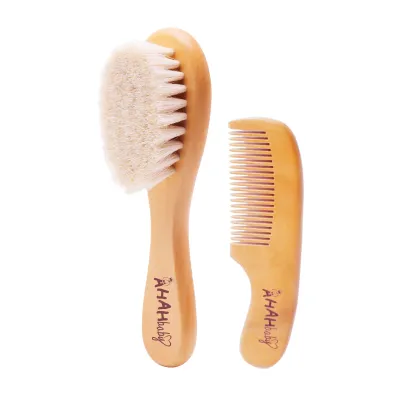
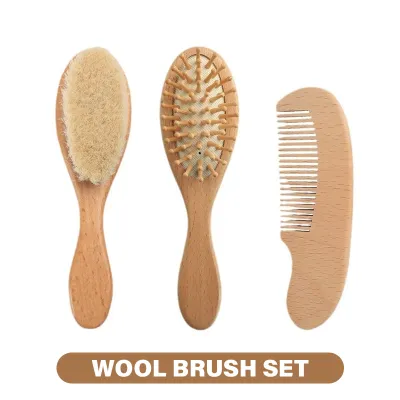
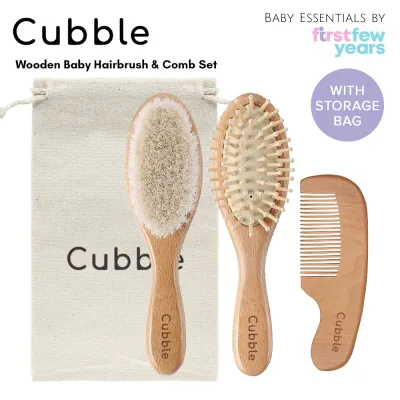
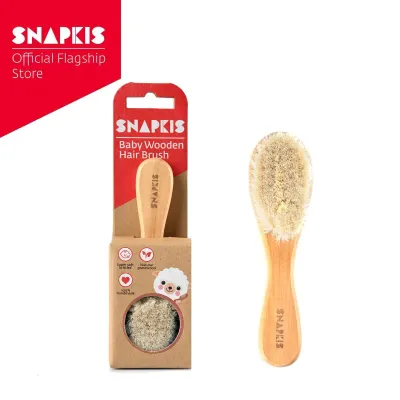
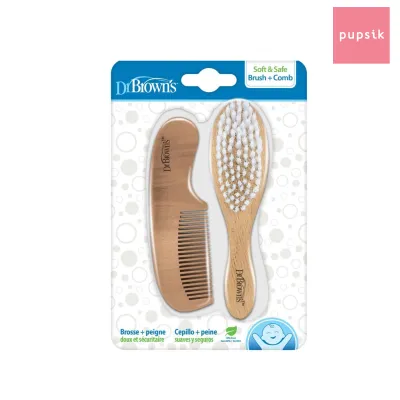
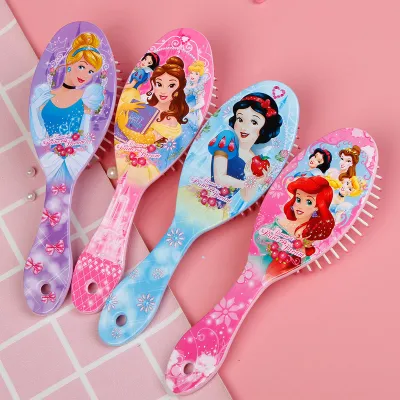
Prices are valid at publication and may change. Please refer to the product page for the latest price.
As children approach their toddler years, typically around 12 months of age, their hair follicles mature. The fine, temporary hair present at birth—often referred to as lanugo or vellus hair—gradually sheds to make way for thicker, more resilient terminal hair. Along with this physical transition, toddlers become highly active, leading to more frequent tangles from outdoor play, nap times, and daily movement. Consequently, the grooming focus shifts from ultra-gentle scalp stimulation to efficient, pain-free detangling.
When evaluating hair brushes for any age group, you should focus on three core criteria: bristle stiffness, material safety, and handle ergonomics. Bristles must never be sharp or rigid enough to scrape the delicate skin of the scalp. For materials, look for non-toxic, hypoallergenic options that are free from bisphenol A (BPA), phthalates, and lead. The handle design should also match the user; caregivers need a secure grip for precise control over a squirming infant, while toddlers learning self-grooming benefit from chunky, slip-resistant handles that fit small hands.
Always verify the manufacturer’s age recommendations and material safety labels on the product packaging before purchasing. It is important to remember that suitability depends heavily on your child’s individual hair growth pattern and scalp condition rather than their chronological age alone. A fast-growing head of thick toddler hair may require an upgrade to a detangling brush earlier than expected, whereas a toddler with very fine, sparse hair may continue to benefit from a softer infant brush. Regardless of the tool chosen, hair brushing must always be closely supervised by an adult and adjusted immediately to match the child’s comfort level.
Best Brush Types for Newborns: Gentle Care and Cradle Cap Management
For infants aged zero to 12 months, the primary goal of brushing is to gently stimulate the scalp, distribute natural oils, and manage common newborn skin conditions. Ultra-soft natural goat hair brushes are widely considered the gold standard for daily newborn grooming. These natural bristles are incredibly soft and pliable, offering a soothing, massage-like sensation that can help calm a fussy baby before sleep while ensuring zero irritation to the fontanelles.

Another highly effective option is the soft food-grade silicone brush, which has gained immense popularity among parents in Singapore. Silicone brushes feature short, flexible nubs that are excellent for addressing infantile seborrheic dermatitis, commonly known as cradle cap. Cradle cap presents as yellowish, greasy scales on the scalp, which can be safely softened and lifted using a silicone brush during bath time. Soft synthetic nylon bristle brushes also offer a durable, hygienic alternative, provided the bristles are specifically rated as ultra-soft for infant use.
When using these grooming tools, you must observe strict safety boundaries to prevent scalp damage. Always brush with incredibly light pressure, using slow, circular motions rather than long, scraping strokes. Avoid applying direct downward pressure over the fontanelles; instead, let the weight of the brush do the work. If you notice any signs of scalp redness, swelling, or localized skin irritation, stop brushing immediately and allow the skin to rest.
Maintaining the hygiene of newborn brushes is critical to protecting your baby from bacterial or fungal infections. Because Singapore’s high humidity levels encourage mold growth, you must wash infant brushes regularly with mild baby soap and warm water, rinse them thoroughly, and allow them to dry completely in a well-ventilated area. Natural wooden brushes with goat hair bristles should never be fully submerged in water, as this can cause the wood to split and ruin the bristles. Finally, if your baby’s cradle cap persists, becomes inflamed, oozes, or spreads beyond the scalp, consult a pediatrician for professional medical evaluation rather than attempting to resolve it solely with grooming tools.
Best Brush Types for Toddlers: Detangling and Styling for Thicker Hair
As your child reaches toddlerhood (ages one to three years), their hair care needs become more complex. The fine baby hair begins to thicken, and depending on genetics, may develop waves, curls, or tight coils. To manage these changes without causing tears, you will need to transition to brushes specifically designed for detangling and styling. Brushes featuring slightly firmer but highly flexible nylon bristles or soft-tipped plastic pins are ideal for separating hair strands without pulling at the roots.
For toddlers with particularly thick or curly hair, a wide-tooth comb is an indispensable tool. Wide-tooth combs allow you to work through stubborn knots in wet or dry hair with minimal friction, reducing the risk of hair breakage. Another excellent choice is a soft paddle brush with a cushioned base. The air-filled cushion pad acts as a shock absorber, compressing when the brush encounters a stubborn knot, which significantly reduces the pulling force exerted on your toddler’s scalp.
At this developmental stage, handle ergonomics become doubly important. Caregivers need a comfortable, ergonomic handle to maintain steady control, especially when detangling long or unruly hair after a bath. Simultaneously, toddlers frequently enter a phase of wanting to do things themselves. Choosing a brush with a lightweight, chunky, non-slip handle allows your toddler to practice self-grooming safely, helping them develop fine motor skills and healthy personal hygiene habits under your watchful eye.
Before purchasing a toddler brush, carefully check the product specifications for age appropriateness and verify all material safety claims. Avoid brushes with rigid, sharp plastic bristles that can easily scratch the scalp or cause micro-tears in the skin. Be cautious of generic marketing terms like “hypoallergenic” or “anti-static” on the front of the box; instead, verify these claims by checking the manufacturer’s official material specifications and testing certifications printed on the packaging. If you are unsure about a product’s safety or suitability, contact the manufacturer directly before use.
Quick Comparison: Newborn vs. Toddler Brush Features
To help you quickly identify the key differences between infant and toddler grooming tools, the following table outlines the primary features of each brush type. This comparison serves as a general decision-making framework to guide your purchase.
| Feature | Newborn Brush (0–12 Months) | Toddler Brush (1–3 Years) |
|---|---|---|
| Bristle Stiffness | Ultra-soft, highly pliable, zero-friction | Soft to medium stiffness, highly flexible |
| Primary Material | Natural goat hair, soft food-grade silicone, ultra-fine nylon | Flexible nylon, soft-tipped plastic, natural boar bristles, wood |
| Main Function | Scalp stimulation, cradle cap management, smoothing fine hair | Detangling knots, styling thicker or curly hair, self-grooming practice |
| Ideal Age Range | Birth to 12 months (or until hair thickens) | 12 to 36 months and beyond |
It is important to recognize that individual hair texture, density, and scalp sensitivity vary widely from child to child. Some infants are born with a full head of thick hair that may require a soft toddler comb much earlier than 12 months. Conversely, some toddlers retain very fine, sparse hair well into their second year, meaning they will continue to be best served by a gentle newborn brush. Use this table as a helpful guide, but always prioritize your child’s unique scalp condition and comfort over rigid age categories.
How to Safely Brush Your Baby or Toddler's Hair
Establishing a safe, gentle brushing technique is essential to prevent scalp damage and ensure that your child views hair grooming as a comforting, positive experience. For both babies and toddlers, always use a systematic approach to detangling. Instead of brushing straight down from the roots—which tightens knots and pulls on the hair follicles—start brushing from the ends of the hair. Gently hold the section of hair just above the knot with your free hand to absorb the tension, then work your way upward toward the scalp. This method minimizes discomfort and prevents traction on the delicate hair roots.
Frequency of brushing should be tailored to your child’s hair type, daily activity level, and scalp condition. For most newborns, brushing once daily with a soft-bristle brush is sufficient to smooth the hair and stimulate healthy scalp circulation. For toddlers with longer or curly hair, you may need to brush twice daily—typically in the morning and after bath time—to keep tangles from forming. Avoid over-brushing, as excessive friction can irritate the scalp and lead to hair breakage or static buildup.
Maintaining proper hygiene for your child’s hair brushes is vital to prevent the accumulation of oils, dead skin cells, and environmental dust. To clean a synthetic nylon, plastic, or silicone brush, follow these steps weekly:
- Remove any trapped hair from the bristles using a clean comb or your fingers.
- Fill a small basin with warm water and add a few drops of mild baby shampoo.
- Swirl the brush in the soapy water, using a clean, soft toothbrush to gently scrub between the bristles if necessary.
- Rinse the brush thoroughly under warm, running water to remove all soap residue.
- Shake off excess water and place the brush face down on a clean, dry towel in a well-ventilated area to air-dry completely.
For natural wooden brushes with goat hair bristles, avoid submerging the wooden handle in water, as prolonged moisture can cause the wood to warp, crack, or harbor mold. Instead, gently dip only the bristles into soapy water, rinse them carefully, and wipe the wooden handle with a damp cloth. Always dry wooden brushes flat with the bristles facing downward to prevent water from pooling in the wooden base.
During any grooming session, remain highly alert to your child’s reactions and physical signs of discomfort. If you observe warning signs such as persistent scalp redness, hair breakage, crying or resisting during brushing, or unusual localized hair loss, stop using the brush immediately. These symptoms may indicate that the bristles are too stiff, the technique is too forceful, or there is an underlying skin condition. If these issues persist after you adjust your brushing technique or switch to a softer brush, consult a qualified pediatrician or pediatric dermatologist for professional advice.
Frequently Asked Questions (FAQ)
Can I use a regular adult hair brush on my toddler?
You should avoid using a regular adult hair brush on your toddler. Adult brushes are typically designed with rigid bristles, sharp plastic pins, or stiff boar bristles that are far too harsh for a toddler’s delicate scalp and can easily cause scratches, micro-tears, or painful pulling. Additionally, adult brushes often feature heavy handles that are difficult for a toddler to manage safely during self-grooming, posing a risk of accidental bumps or eye injuries. Instead, choose age-appropriate toddler brushes with flexible, soft-tipped bristles, and always test the bristle flexibility against your own inner wrist before using it on your child.
How often should I brush my newborn's hair?
For most newborns, brushing once a day is entirely sufficient to smooth their fine hair and gently stimulate the scalp. If your infant is dealing with cradle cap, you may use a soft silicone brush once daily during their bath to help loosen and rinse away softened scales, following any specific care instructions provided by your pediatrician. Avoid over-brushing your newborn’s hair, as their scalp skin is incredibly thin and sensitive; excessive brushing can cause friction-induced redness, irritation, or localized skin sensitivity.
What material is safest for a baby hair brush?
The safest materials for a baby hair brush include natural, ultra-soft goat hair, food-grade silicone, and high-quality, BPA-free nylon. When shopping, always look for products explicitly labeled as non-toxic, BPA-free, and phthalate-free, and verify these material safety claims directly on the manufacturer’s packaging. Additionally, ensure the brush has a sturdy, seamless construction with no small, detachable parts—such as loose decorative beads or poorly secured rubber grips—that could break off and present a serious choking hazard to young children.

Community discussion
Share your experience or ask a question. Comments are reviewed before publication.