
Quick Answer: Evaluating Baby Food Mashers
Finding the right baby food masher in Singapore involves balancing material safety, structural durability, and cleaning convenience. Because feeding needs evolve rapidly during a baby’s first year, no single brand or style fits every household. Manual silicone or ceramic mashing sets offer excellent portability and straightforward, fully submersible cleaning, making them ideal for preparing small, fresh meals on demand.
In contrast, electric baby food blenders with glass or stainless steel components provide hands-free operation and high durability for batch-preparing and freezing larger quantities of puree. When selecting a product, parents must look beyond marketing claims and verify official material certifications, temperature limits, and structural designs to ensure long-term hygiene and safety. Ultimately, the optimal choice depends on your family’s feeding stage, batch-prep habits, and daily kitchen routine.
Core Evaluation Criteria: Safety, Durability, and Cleaning
Material Safety and Food-Grade Standards
Infant feeding accessories require materials that remain stable under high heat and frequent mechanical stress. Food-grade silicone, specifically 100% platinum-cured silicone, is highly recommended because it does not leach chemicals into warm foods and resists temperatures up to 220°C. Borosilicate glass and food-grade stainless steel, such as 304 or 316 grades, are inherently non-porous, scratch-resistant, and chemically inert, making them excellent choices for both manual bowls and electric blender jugs.
Products mentioned in this guide
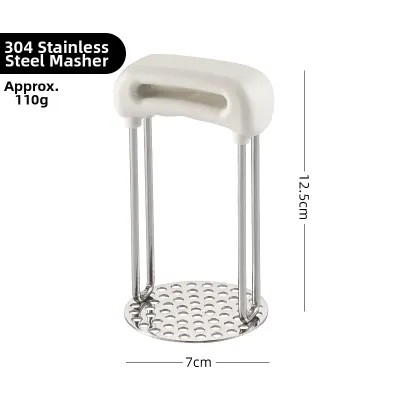
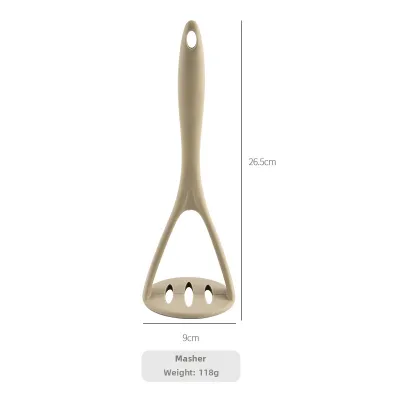

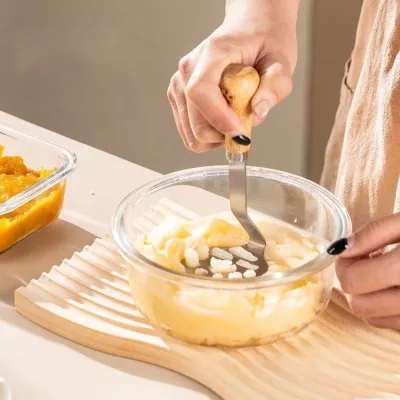
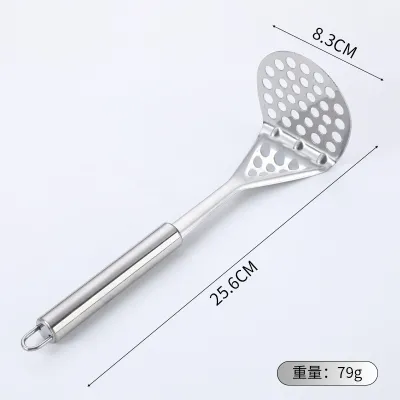
![[SG Seller] Stainless Steel Potato Masher Ricer Puree Fruit Vegetable Juicer Press Maker Baby Food Making Tool Multifunction Kitchen Tools](https://img.lazcdn.com/g/p/02143d29cfd8ff20f141b6fde4c3290d.jpg_400x400q80.jpg_.webp)
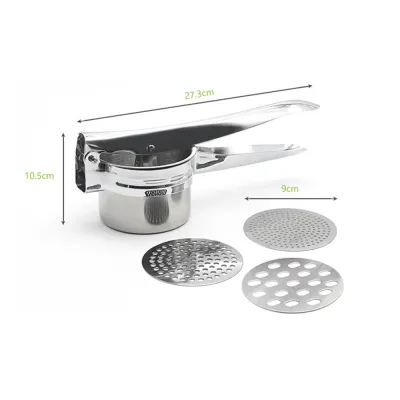
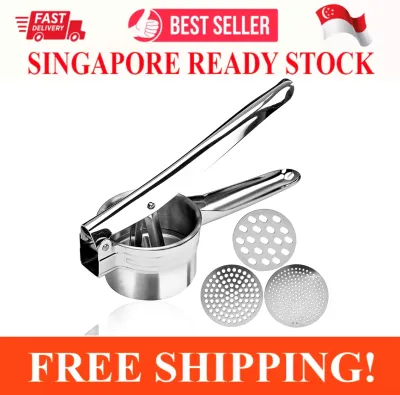
Prices are valid at publication and may change. Please refer to the product page for the latest price.

Plastics must be strictly verified as BPA-free and BPS-free by checking the product documentation. Even high-quality plastics like Tritan or polypropylene (PP) have lower heat thresholds than glass or silicone and can degrade over time when subjected to repeated high-temperature sterilization. Before purchasing, parents should check the product packaging or manufacturer declarations for compliance with international food contact standards, such as those set by the US Food and Drug Administration (FDA) or the European LFGB.
Build Quality and Durability Indicators
A durable baby food masher must withstand daily physical pressure, acidic foods, and rigorous sanitization cycles. For manual tools like mashing spoons, plates, and bowls, evaluate the structural integrity of joints and handles. Avoid designs with thin plastic seams or flimsy handles that bend when crushing dense root vegetables like carrots or sweet potatoes.
For electric models, durability depends on the quality of the motor housing, the blade assembly, and the drive coupling. Metal-to-metal drive couplings are significantly more durable than plastic-to-plastic connections, which can strip or wear down under heavy loads. The blending container should resist scratching from hard foods or cleaning brushes, as micro-scratches can compromise structural integrity and collect food particles over time.
Design Features for Easy Cleaning
Hygiene is the most critical factor when preparing baby food, as infants have developing immune systems. Seamless interiors are highly desirable because they eliminate tight corners where food particles can hide and decay. In electric models, look for fully removable blade assemblies and wide-mouth jugs that allow your hand to reach the very bottom for manual scrubbing.
Dishwasher-safe ratings are helpful, but parents must verify whether components are restricted to the top rack, where heating elements are less intense. Avoid designs with deep, non-removable rubber gaskets or complex multi-piece lids. These designs are notorious for trapping moisture and developing mold, particularly in Singapore’s warm and highly humid climate.
Comparing Common Masher Types and Materials
Understanding the inherent strengths and weaknesses of different masher designs helps narrow down the choices available on the market. Manual and electric options utilize distinct materials, each presenting unique trade-offs in terms of temperature tolerance, physical resilience, and daily maintenance.
| Type / Material | Safety & Sterilization Limits | Durability Risks | Cleaning Convenience |
|---|---|---|---|
| Manual Silicone | High heat resistance (up to 220°C); safe for steam and boiling; UV sterilization may cause discoloration over time. | Highly flexible and virtually unbreakable; can absorb food odors or oils if not washed promptly. | Extremely easy; fully submersible; seamless designs have no crevices for bacteria. |
| Manual Ceramic | Excellent heat resistance; chemically inert; safe for all standard sterilization methods. | Fragile; prone to chipping or cracking if dropped on hard kitchen tiles. | Very easy; smooth, non-porous surface resists staining and scratches; dishwasher safe. |
| Manual Plastic (PP/Tritan) | Moderate heat resistance (usually up to 100°C–110°C); check label before steam or UV sterilizing to prevent warping. | Prone to scratching from metal cutlery or abrasive sponges; can become cloudy over time. | Moderate; lightweight and dishwasher-safe (top rack), but scratches can trap food residue. |
| Electric Glass Jug | High heat resistance; non-porous and chemically inert; thermal shock limits apply (avoid sudden temperature shifts). | Heavy; risk of shattering if dropped; drive gears may wear out over years of heavy use. | High for the jug itself; blade assembly must be fully detachable to clean safely and thoroughly. |
| Electric Stainless Steel | High heat resistance; completely inert; highly hygienic and safe for all food types. | Extremely durable; resists impact and scratching; motor base is the primary point of failure. | High; easy to wipe clean; resists staining and odors; blade assembly requires careful handling. |
Each material demands a specific care routine to maintain its safety and functional integrity. Ceramic bowls, while exceptionally hygienic and scratch-resistant, require careful handling in busy kitchens to prevent drop damage. Silicone is practically indestructible and highly portable, but its porous nature means it can retain strong food odors or oily residues if left unwashed.
Electric glass jugs offer a premium, scratch-free blending environment, but their weight can make pouring and washing cumbersome. Manual plastic tools are lightweight and highly affordable, but they must be monitored closely for wear and replaced more frequently than glass or stainless steel alternatives. Understanding these material properties allows parents to choose a tool that fits naturally into their existing kitchen workflow.
How to Verify Safety and Durability Claims Before Buying
When shopping for a baby food masher in Singapore, parents are often inundated with marketing buzzwords like “premium,” “organic-grade,” or “ultra-safe.” To make an informed decision, it is essential to look past these labels and verify the actual specifications provided by the manufacturer.
First, inspect the physical packaging or the manufacturer’s official website for precise material descriptions. Look for terms like “100% Platinum Silicone” rather than simply “Silicone,” as platinum-cured silicone is higher quality, more stable, and less likely to emit chemical odors than peroxide-cured alternatives. For plastics, ensure the product explicitly states “BPA-free” and “BPS-free,” and identify the specific polymer used, such as Tritan or Polypropylene (PP).
Second, check the manufacturer’s specified temperature limits. A truly safe baby food tool will clearly state its maximum temperature tolerance on the packaging or in the user manual. This information is vital for determining whether the item can safely undergo steam sterilization, boiling, or placement in a UV sterilizer. If a brand does not disclose these temperature limits, it is best to avoid using high-heat sterilization methods on that product.
Third, assess the design for long-term maintenance by checking if replacement parts are readily available. Reputable brands often sell replacement silicone gaskets, blade assemblies, or matching bowls separately. The availability of spare parts is a strong indicator of a product’s durability and the manufacturer’s commitment to product longevity, ensuring you do not have to discard the entire appliance if a single seal wears out.
Finally, do not assume a product is safe or durable simply because of its aesthetic appeal, pastel colors, or “baby-friendly” branding. Aesthetic designs do not guarantee food-contact safety. Always prioritize explicit certifications and clear, detailed material specifications over visual appeal.
Cleaning, Maintenance, and Hygiene Best Practices
Proper maintenance is crucial for extending the lifespan of your baby food masher and ensuring it remains hygienic for every meal. Implementing a consistent cleaning routine prevents the buildup of harmful bacteria and preserves the structural integrity of the materials.
Always rinse the masher immediately after use. Starchy baby foods, such as pureed potatoes, pumpkin, or oats, dry quickly and form a hard, cement-like residue in tight crevices. A quick rinse under warm running water immediately after feeding prevents food from bonding to the surface, making the subsequent deep clean much easier and reducing the need for abrasive scrubbing that can scratch the material.
When sterilizing, always follow the manufacturer’s instructions tailored to the specific material. While glass, stainless steel, and high-quality silicone can withstand boiling water or steam sterilization, many plastics will warp, degrade, or release microplastics under extreme heat. Never submerge the motor base of an electric blender in water or place it in a sterilizer; instead, wipe the exterior with a damp, clean cloth and sanitize only the detachable food-contact components.
Drying and storage require extra attention in Singapore’s humid climate. Moisture trapped in small crevices, silicone seals, or around blade assemblies can quickly lead to mold growth and bacterial colonization. After washing, disassemble all removable parts, including silicone rings and gaskets, and allow them to air-dry completely in a well-ventilated area or a dedicated drying rack before reassembly and storage.
Lastly, establish clear stop-use criteria to protect your baby’s health. Regularly inspect all components for signs of wear and tear. Discard or replace any plastic or silicone parts that exhibit deep scratches, persistent cloudiness, warping, or a sour odor that remains after thorough sanitizing. For electric models, immediately stop using the appliance if you notice motor strain, unusual noises, or any damage to the power cord.
Decision Framework: Choosing the Right Masher for Your Family
To select the ideal baby food masher, parents should evaluate their daily routine, kitchen space, and their baby’s current developmental stage. This decision framework helps match your specific needs with the most suitable tool type.
Choose a Manual Silicone or Ceramic Masher if:
- You prioritize portability and need a compact tool for feeding your baby while traveling or dining out.
- You prefer to prepare small, single-meal portions fresh at every feeding rather than storing leftovers.
- You want a simple kitchen routine with minimal cleanup, as manual mashers are fully submersible, dishwasher-safe, and have no electrical components to worry about.
Choose an Electric Glass or Stainless Steel Blender if:
- You prefer to batch-prepare baby food on weekends, freezing multiple portions in silicone trays for the week ahead.
- Your baby is in the early weaning stage and requires ultra-smooth, perfectly consistent purees that are difficult to achieve manually.
- You want to minimize physical effort and save time in the kitchen, allowing the machine to handle dense vegetables and meats quickly.
Verify first if:
- The electric model's blending jug and blade assembly are completely detachable from the motor base, ensuring they can be washed safely without water entering the electrical housing.
- The manual tool's sterilization limits align with your household's equipment; for example, ensure the materials are compatible with UV sterilizers if that is your primary sanitization method.
- The textures produced by the masher align with your baby’s current oral motor skills. Always cross-reference the product's capabilities with your pediatrician's or health visitor's guidance on introducing textures, transitioning from smooth purees to chunkier mashed foods as your baby grows.
Frequently Asked Questions (FAQ)
When should I replace my baby's food masher?
You should replace your baby’s food masher at the first sign of physical degradation. For manual plastic or silicone tools, look for deep scratches, cracks, persistent cloudiness, or a sour smell that does not go away after thorough washing and sterilization. These physical defects can harbor harmful bacteria that are difficult to eliminate. For electric models, immediate replacement or professional repair is required if you observe motor strain, unusual burning smells, strange noises during operation, or any fraying of the electrical cord.
Can I use a regular kitchen blender instead of a dedicated baby food masher?
Yes, a regular kitchen blender can achieve the smooth texture required for early baby food, but it introduces several practical challenges. Standard household blenders often have large jugs that are highly inefficient at processing the very small food portions typical of infant meals. Additionally, there is a risk of cross-contamination from residual spices, garlic, or raw meat juices if the blender is not meticulously sanitized. If you choose to use a regular blender, ensure it is thoroughly disassembled, deep-cleaned, and sanitized before preparing any food for your baby.

Community discussion
Share your experience or ask a question. Comments are reviewed before publication.