
Weaning your baby is a significant developmental milestone, marking the transition from an exclusive milk diet to a world of diverse textures and nutrients. In Singapore, where parents often juggle busy professional schedules with family life, selecting the right kitchen tools is essential for making this transition as smooth as possible. A baby food blender is one of the most common appliances caregivers consider to simplify the preparation of purees, mashes, and blends.
However, walking into a baby department store or browsing online marketplaces can quickly become overwhelming due to the sheer variety of options available. The market is filled with multi-functional steam-and-blend units, high-power standalone blenders, and compact portable devices. Finding the right baby food blender is not about finding a single brand that claims to do it all; rather, it is about identifying which appliance design, capacity, and workflow align with your family’s unique feeding style, available kitchen space, and budget.
To make an informed decision, you must evaluate how you plan to prepare your baby’s meals. Some families prefer the convenience of cooking and blending fresh, single-serve meals in a single cup every day. Others find it more efficient to dedicate a few hours over the weekend to batch-cooking and freezing portions for the entire week. By understanding the core differences in functionality, material safety, maintenance, and long-term value, you can select a tool that truly supports your parenting routine.
Products mentioned in this guide
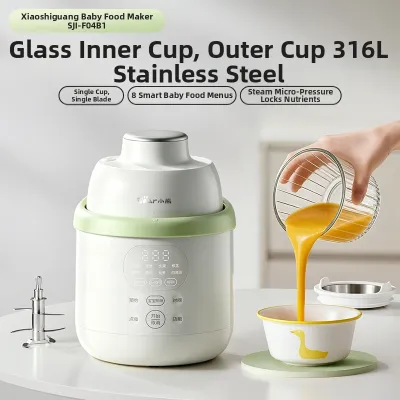
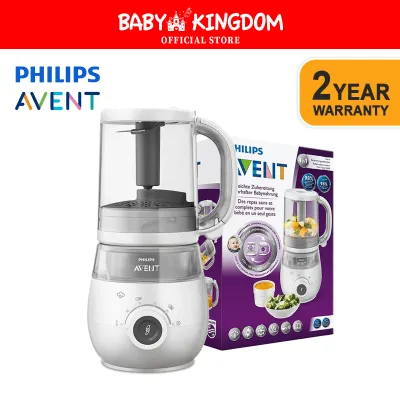
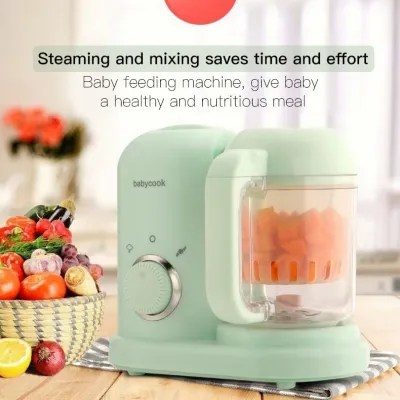
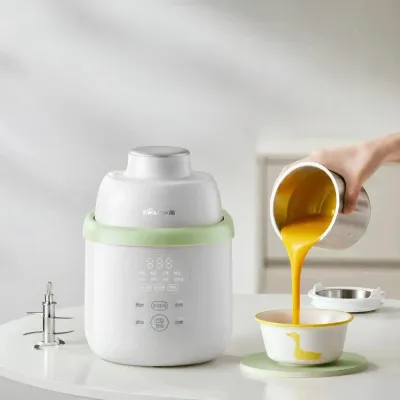
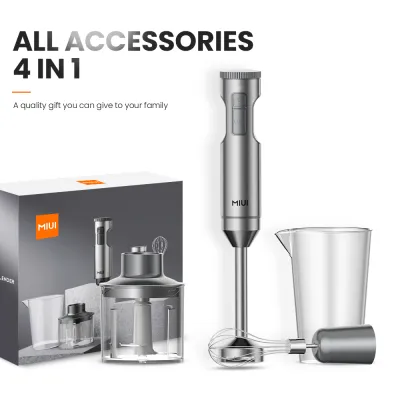
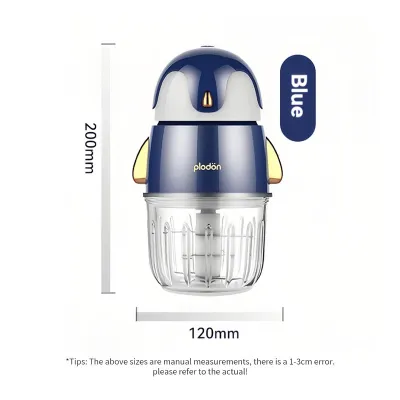
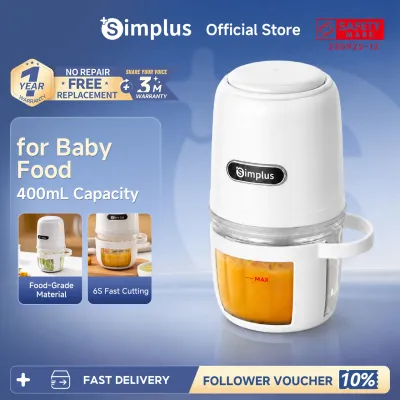
Prices are valid at publication and may change. Please refer to the product page for the latest price.
Core Features to Compare: Steam-and-Blend vs. Standalone vs. Portable
To choose the right appliance, it is helpful to understand the three primary categories of baby food blenders available in Singapore. Each category is designed around a distinct preparation philosophy, offering unique advantages and trade-offs in terms of speed, capacity, and cleanup.
All-in-One Steam and Blend Functions
All-in-one baby food makers are highly popular because they combine two essential steps of food preparation—cooking and pureeing—into a single appliance. The typical workflow involves chopping raw ingredients, placing them into a steaming basket, and setting a timer. Once the food is steamed, the appliance either automatically transitions to blending or allows you to flip the container or pour the ingredients directly into the blending blade.
This integrated process offers several nutritional and practical benefits. Steaming is widely recognized as one of the best cooking methods for preserving water-soluble vitamins, such as Vitamin C and various B vitamins, which can leach out during boiling. By blending the food in the same vessel, any nutrient-rich condensation or residual cooking liquid can be incorporated back into the puree, ensuring your baby receives maximum nutritional value.
When comparing all-in-one models, you should carefully evaluate the water tank capacity and the safety mechanisms. Look for units that feature an automatic shutoff or an audible alert when the water tank runs dry to prevent overheating. Additionally, consider the physical design of the steam path; models that allow you to easily access and clean the water reservoir are far less likely to harbor mineral buildup or mold over time. Keep in mind that these appliances are generally designed for smaller, daily portions, making them less suitable for large-scale batch cooking.
Standalone High-Power Blenders
Standalone high-power blenders represent a more traditional but highly versatile approach to baby food preparation. Unlike all-in-one units, these blenders do not have built-in heating elements or steaming chambers. Instead, you must cook the ingredients beforehand using your existing kitchen setup—such as steaming them in a pot on the stove or using a dedicated steamer basket—before transferring the warm ingredients into the blender jar.
The primary advantage of a standalone high-power blender lies in its motor wattage and blade design. These machines typically feature motors ranging from 500 to over 1,200 watts, allowing them to pulverize tough, fibrous vegetables, grains, and meats into an incredibly smooth, velvety consistency. This high level of performance is particularly beneficial during the initial stages of weaning, when infants require completely lump-free purees to prevent gagging and support easy swallowing.
Furthermore, standalone blenders offer significantly larger jar capacities, often ranging from 1 to 2 liters. This makes them the ideal choice for batch cooking. Caregivers can steam a large quantity of vegetables, blend them all at once, and portion the purees into silicone freezing trays for long-term storage. This method saves substantial time throughout the week, as you only need to thaw and warm individual portions. Additionally, these high-power appliances remain highly useful long after your baby has transitioned to family meals, as they can easily prepare smoothies, soups, nut butters, and baking batters for the entire household.
Portability and Manual Options
For families who travel frequently or enjoy dining out across Singapore, portable and manual baby food blenders offer a highly convenient secondary solution. These devices are typically compact, lightweight, and powered by rechargeable lithium-ion batteries via USB ports, or they rely entirely on manual hand-crank mechanisms.
The workflow for portable blenders is straightforward: you place pre-cooked, soft ingredients or naturally soft fruits (such as bananas, papayas, or avocados) into a small cup, secure the blade assembly, and blend a single portion on the spot. This allows you to serve fresh, customized meals to your infant while traveling, visiting relatives, or dining at restaurants without needing access to a full kitchen setup.
However, it is crucial to recognize the inherent limitations of these portable devices. Because they are powered by small batteries, their motors generally operate at much lower wattages (often under 100 watts) compared to countertop appliances. They cannot handle tough, raw, or highly fibrous ingredients, and running them continuously for long periods can cause the motor to stall or overheat. As a result, portable blenders should be viewed as supplementary tools for on-the-go convenience rather than your primary kitchen workhorse.
Evaluating Build Quality, Material Safety, and Cleaning
When selecting any product that comes into direct contact with your baby’s food, build quality and material safety must be your top priorities. You should never assume an appliance is safe simply because of its brand name or marketing claims; instead, you must actively verify the specifications and maintenance requirements.

Material Verification and Chemical Safety
Caregivers must carefully inspect product labels, packaging, and user manuals to verify that all components that touch food or steam are certified BPA-free, phthalate-free, and lead-free. Bisphenol A (BPA) and phthalates are synthetic chemicals historically used in plastics that can mimic hormones in the body, posing potential health risks to developing infants.
High-quality baby food blenders typically utilize materials such as Tritan copolyester, heavy-duty borosilicate glass, or food-grade silicone. Tritan is a specialized plastic that is highly impact-resistant, lightweight, and completely free of BPA and other bisphenol compounds. Borosilicate glass is exceptionally hygienic, resistant to thermal shock (meaning it will not crack when transitioning from hot steam to cool rinsing), and completely free of chemical additives. However, glass is heavier and prone to breaking if dropped on hard kitchen tiles, which is a common hazard in busy households.
Always check the specific product documentation, age recommendations, weight or size ranges, and manufacturer warnings before use. Never infer age suitability solely from a product name or marketing label.
Blade Construction and Motor Durability
The durability of the blade and motor assembly directly impacts both the performance and safety of the blender. Look for blades constructed from high-grade, corrosion-resistant stainless steel (such as 301 or 304 grade). Low-quality metal blades can rust over time due to constant exposure to moisture and acidic foods, which can contaminate your baby’s meals.
The motor should feature built-in thermal protection, which automatically shuts down the unit if it begins to overheat. This prevents the motor from burning out during heavy blending tasks, such as pureeing dense root vegetables or meats. When evaluating different models, check the manufacturer’s warranty terms specifically for the motor, as a longer motor warranty is often a reliable indicator of robust build quality.
Cleaning, Maintenance, and Mold Prevention
Singapore’s warm, humid tropical climate makes mold and bacterial control a constant challenge. Any moisture or microscopic food residue left behind in the crevices of a baby food blender can quickly lead to microbial growth, presenting a serious health risk to your infant’s sensitive digestive system.
Therefore, you must evaluate how easily the blender can be disassembled for thorough cleaning. Look for models where the blade assembly can be safely unscrewed from the jar, allowing you to clean beneath the blades and around the rubber sealing rings where food particles frequently accumulate. Avoid models with permanently fixed blades or deep, narrow grooves that cannot be reached with a standard cleaning brush.
Additionally, verify which parts are labeled as dishwasher-safe. While dishwashers offer high-temperature sanitization, some plastic components or silicone gaskets can degrade, warp, or lose their airtight seal when exposed to intense dishwasher heat cycles over time. Always consult the manufacturer’s care instructions to determine whether hand-washing with mild, baby-safe dish soap is recommended to prolong the lifespan of the seals and gears. If instructions in the user manual conflict with general cleaning advice, always prioritize the manufacturer’s official instructions or consult their customer service department directly.
Assessing Long-Term Value and Safe Purchasing Channels in Singapore
Investing in a baby food blender requires balancing the upfront purchase price against the appliance’s overall lifespan and utility. Making a smart financial decision involves looking beyond the initial weaning phase and ensuring you buy through secure, authorized channels.
Price vs. Usability Lifecycle
All-in-one steam-and-blend baby food makers in Singapore typically range in price from S$150 to over S$400. While they offer unparalleled convenience during the early weaning stages, their specialized design means their primary utility is often limited to a relatively short window—typically from when your baby starts solids at around six months until they transition to family meals around twelve to eighteen months.
In contrast, high-quality standalone blenders or compact food processors may cost between S$100 and S$600, but they can be used daily for years to prepare meals for the entire family. If you choose a premium all-in-one model, consider whether it can be repurposed to steam vegetables for side dishes or make fruit purees for toddler snacks later on, thereby extending its useful lifespan and justifying the higher initial investment.
Local Warranty and After-Sales Support
Because baby food blenders (especially steam-and-blend models) combine electrical heating elements, water pumps, and high-speed motors, they are more complex than standard kitchen tools and can occasionally require maintenance. It is highly recommended to verify that your purchase includes a valid local Singapore warranty, which typically ranges from 12 to 24 months.
A local warranty ensures that if a component fails, you can easily access an authorized local service center for repairs or replacements. Sourcing replacement parts—such as worn-out silicone sealing rings, replacement blades, water tank descaling solutions, or extra blending jars—is much faster and more reliable when the brand maintains a dedicated local distributor. Without a local warranty, you may find yourself having to pay expensive international shipping fees or, worse, discarding an expensive appliance because a single small gasket cannot be sourced locally.
Safe Purchasing Routes and Electrical Safety
To protect your family and ensure you receive a genuine, safe product, always purchase baby food blenders from brand official stores, authorized local baby boutiques, or established online marketplaces. Be highly cautious of parallel imports or unauthorized third-party sellers online, even if they offer significantly lower prices.
Parallel imports are products manufactured for other geographical regions. They often come with several risks:
- Voltage Incompatibility: Appliances designed for countries with 110V electrical systems (such as the United States) will suffer catastrophic motor failure or present severe fire hazards if plugged directly into Singapore's 230V mains power without an expensive, heavy-duty voltage transformer.
- Voided Warranties: Local service centers will not honor warranties for parallel-imported goods, leaving you with no recourse if the machine malfunctions.
- Lack of SAFETY Mark: In Singapore, controlled electrical appliances must carry the SAFETY Mark, which features a unique registration number. This mark certifies that the appliance has been tested by an accredited laboratory and complies with local electrical safety standards. Always look for this safety mark on the power adapter or the base of the blender before purchasing.
Certifications, safety standards, and active recalls are dynamic; caregivers should verify the current registration status of any electrical appliance before purchase.
The Decision Framework: Which Blender Should You Buy?
To finalize your decision, it is helpful to match your household’s daily habits, space constraints, and meal preparation preferences to the most suitable blender type. Use the following conditional framework to guide your choice:
- Choose an All-in-One Steam/Blender if: You prioritize maximum convenience and want a streamlined process where steaming and blending occur in a single appliance; you have limited kitchen counter space or live in a compact HDB apartment where storing multiple bulky appliances is impractical; you prefer preparing small, fresh, single-serve meals for your baby daily, rather than freezing and reheating large batches of food; or you want to minimize the number of pots, pans, and utensils you need to wash after every meal preparation session.
- Choose a Standalone High-Power Blender if: You prefer batch cooking, preparing a large volume of purees once or twice a week, and freezing them in portion-sized containers; you want a durable, high-performance kitchen appliance that will remain useful for years, transitioning from baby purees to family smoothies, soups, and batters; you do not mind using your existing stove, steamer basket, or pots to cook the ingredients before transferring them to the blender jar; or you require an exceptionally powerful motor to achieve ultra-smooth, lump-free textures for early-stage weaning.
- Choose a Portable or Mini Blender if: You travel frequently, dine out often, or need to prepare fresh baby food while away from home; you already have a reliable, robust primary blending or steaming setup at home and only require a compact, auxiliary tool for soft ingredients; or you plan to blend soft, pre-cooked foods or ripe, soft fruits like bananas and avocados that do not require high-wattage motor power.
- Verify First: Before purchasing any model, verify whether the base package includes all the specific attachments and accessories you need (such as small-batch blending cups, steaming baskets, or storage lids). Some brands sell these essential items separately, which can significantly increase the total cost of ownership.
Frequently Asked Questions (FAQ)
Can I use a regular kitchen blender instead of a specific baby food blender?
Yes, you can absolutely use a regular kitchen blender to prepare baby food, but it comes with a few practical challenges that you should consider. Regular blenders are typically designed to process larger volumes of food; when you attempt to blend a very small baby-sized portion (such as a single steamed pear or a small handful of carrots), the ingredients often get trapped beneath or around the blades, resulting in an uneven blend. To overcome this, you will either need to prepare larger batches and freeze the leftovers, or use a small blending cup attachment if your blender model supports one. Additionally, you must clean the blender with extreme care to prevent cross-contamination. Any lingering residues of strong spices, salt, garlic, or chili from previous family meals can easily irritate an infant’s highly sensitive digestive tract and palate.
How do I properly clean and descale a steam-and-blend baby food maker?
Proper cleaning and regular descaling are essential to maintain the performance, hygiene, and lifespan of any steam-and-blend baby food maker. Over time, the heating element inside the water reservoir will accumulate mineral scale from your tap water, which reduces heating efficiency and can harbor bacteria. To descale the unit, you must always consult your specific user manual first, as manufacturers have different approved cleaning agents and ratios. Generally, a safe method involves pouring a solution of equal parts food-grade white vinegar and water into the water reservoir and letting it sit for several hours, or running a designated steam cycle if explicitly permitted by the manual. Once the scale has dissolved, empty the reservoir and rinse it thoroughly with clean water multiple times to remove any vinegar odor. Never submerge the main motor base, electrical cord, or digital display in water, as this will destroy the electronic components and void your warranty. Always allow the water tank and all detachable parts to air-dry completely in a well-ventilated area to prevent mold growth in Singapore’s humid climate.

Community discussion
Share your experience or ask a question. Comments are reviewed before publication.