
When washing your baby’s clothes, choosing the right laundry products is just as important as selecting the gentlest skincare. To protect your baby’s delicate skin, look for plant-based cationic surfactants, natural conditioners like vegetable glycerin, and completely fragrance-free, dye-free formulas. Conversely, avoid synthetic fragrances, artificial dyes, harsh preservatives like methylisothiazolinone, optical brighteners, and traditional quaternary ammonium compounds (quats).
Navigating the laundry aisle can be overwhelming, especially with dozens of products claiming to be “gentle” or “baby-safe.” Many of these marketing claims are not strictly regulated, meaning a product with a cute baby on the label might still contain ingredients that can trigger skin flare-ups. By learning how to read ingredient lists and understanding which compounds to avoid, you can confidently select a softener that keeps your baby’s clothes cozy without compromising their skin health.
Why Ingredient Awareness Matters for Baby's Sensitive Skin
An infant’s skin barrier is structurally different from that of an adult, making it far more vulnerable to environmental irritants. During the first few years of life, a baby’s skin is thinner, loses moisture more rapidly, and has a highly permeable stratum corneum. This means that any chemical coming into contact with their skin is absorbed much more easily, increasing the risk of localized irritation.
Products mentioned in this guide
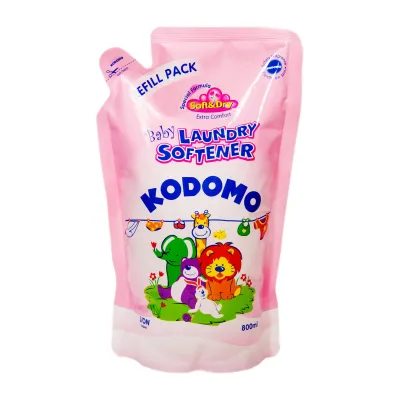
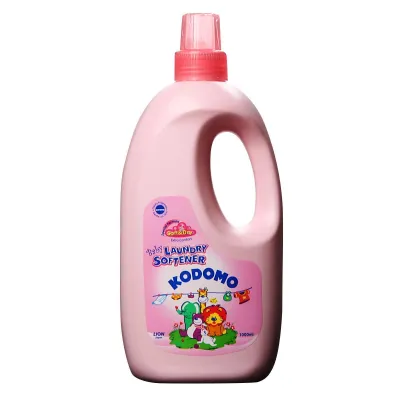
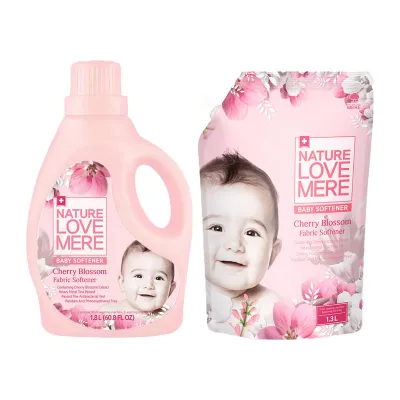
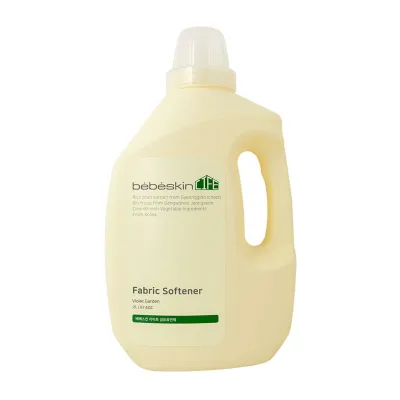
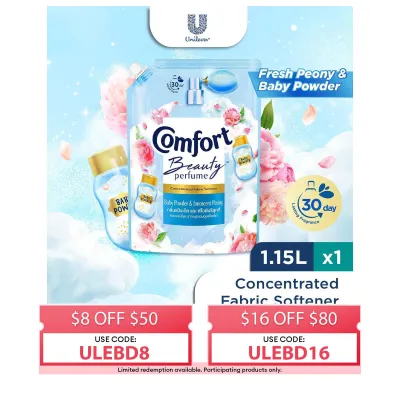
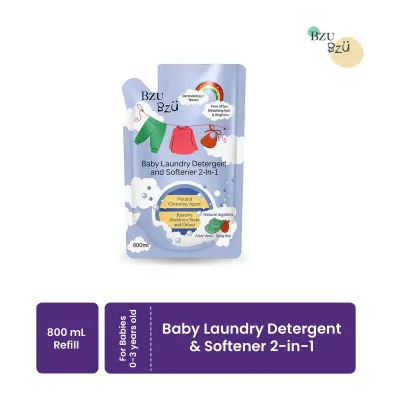
Prices are valid at publication and may change. Please refer to the product page for the latest price.
Fabric softeners are uniquely problematic because, unlike detergents, they are designed to remain on the fabric fibers rather than wash away. When these residual chemicals linger on swaddles, onesies, and bedding, they rub continuously against your baby’s skin throughout the day and night. This constant friction and exposure can easily trigger contact dermatitis, dry patches, or painful eczema flare-ups.
It is also a common misconception that “baby-scented” regular softeners are safe for infants. Many standard brands offer products featuring soft, powdery scents designed to evoke a sense of clean baby laundry, yet these formulas often contain the exact same adult-grade irritants as their standard counterparts. True safety lies in the chemical formulation, not the marketing aesthetic or the fragrance profile.
Common Irritants to Avoid on Baby Softener Labels
Synthetic fragrances and phthalates are among the most common culprits behind laundry-induced skin irritation. On an ingredient list, terms like “fragrance,” “parfum,” or “aroma” serve as legal loopholes that allow manufacturers to hide hundreds of proprietary chemical compounds. Many of these hidden ingredients are phthalates, which help the scent cling to the fabric for weeks but are known sensitizers that can easily trigger allergic reactions in infants.

Artificial dyes and colorants are another category of unnecessary additives to watch out for. These chemicals are added solely to give the liquid softener an appealing blue, pink, or purple hue in the bottle, offering absolutely no functional benefit to the softening process. Because they serve no practical purpose, they represent an unnecessary chemical exposure that can easily irritate a compromised skin barrier.
Harsh preservatives and optical brighteners also pose significant risks to infant skin. Liquid softeners require preservatives to prevent bacterial and mold growth, but manufacturers often use strong biocides like methylisothiazolinone (MIT) or benzisothiazolinone (BIT), which are notorious contact allergens. Optical brighteners, which absorb ultraviolet light to make fabrics look whiter and brighter, are designed to bond permanently to fabric fibers and can cause severe friction-induced irritation when they rub against a baby’s skin.
Finally, traditional quaternary ammonium compounds, commonly known as quats, should be avoided. These compounds, such as distearyldimonium chloride or diethyl ester dimethyl ammonium chloride, coat fabric fibers to make them feel incredibly plush and reduce static cling. However, this heavy chemical coating can trap moisture and heat against the skin, disrupting the baby’s natural skin barrier and exacerbating conditions like infantile eczema.
Gentler Alternatives and Ingredients to Look For
Fortunately, you do not have to sacrifice soft clothes to keep your baby safe, as there are many gentle, plant-derived alternatives available. Look for softeners that utilize plant-based cationic surfactants derived from renewable sources like coconut, palm, or rapeseed oil. These biodegradable compounds condition fabric fibers naturally, making them feel soft and comfortable without leaving a heavy, synthetic chemical residue behind.
When it comes to scent, completely fragrance-free is always the safest baseline, especially for newborns and infants with highly sensitive skin. While some brands use natural essential oils to provide a mild, pleasant aroma, even natural plant extracts can contain volatile compounds that trigger allergic reactions. If you do choose a lightly scented product, ensure the scent is derived from certified organic, non-sensitizing plant extracts, and monitor your baby’s skin closely for any signs of redness.
Plant-derived conditioners like vegetable glycerin or natural plant oils are excellent ingredients to look for on a label. Glycerin acts as a natural humectant, softening the fabric fibers by attracting moisture rather than coating them in a slick, synthetic film. These ingredients help maintain the breathability of the fabric, which is essential for helping your baby regulate their body temperature.
To simplify your shopping process, prioritize products that carry clear “fragrance-free,” “dye-free,” and “hypoallergenic” claims on the front of the packaging. However, remember that these marketing terms are not a substitute for a thorough ingredient check. Always turn the bottle around to verify that the actual ingredient list matches these claims before making your purchase.
How to Read Labels and Verify Safety Claims
Learning to read laundry labels effectively is a crucial skill for any parent. One of the most important distinctions to make is the difference between “unscented” and “fragrance-free” products. An unscented product may still contain masking fragrances designed to neutralize the chemical odors of other ingredients, whereas a truly fragrance-free product contains absolutely no added scent chemicals or masking agents.
While spending S$10 to S$20 on a specialized baby laundry product might seem like an extra expense, it is a worthwhile investment for peace of mind. Always verify the recommended age range, development stage, and specific method of use on the product documentation, as suitability should never be inferred solely from a product name.
Look for recognized dermatological testing or pediatrician endorsements on the packaging, but treat these as items you must verify on the physical label or the manufacturer’s official website. Brands that are transparent about their testing methodologies and share their full clinical criteria are generally more reliable choices.
If your baby has a known skin condition, such as eczema or severe dry skin, take the extra step of cross-referencing ingredient lists with established allergy databases. You can also consult your pediatrician or a pediatric dermatologist to get a professional recommendation tailored to your baby’s specific skin needs. If you notice any persistent skin irritation, stop using the product immediately and seek professional medical advice.
Finally, prioritize brands that practice full ingredient disclosure. Many companies only list broad categories like “cationic surfactants” or “preservatives” on their bottles, which makes it difficult to know exactly what you are exposing your baby to. Choose manufacturers that list every single ingredient clearly on the label or provide a comprehensive, easily accessible ingredient glossary on their website.
Practical Laundry Habits to Minimize Residue and Irritation
Even the gentlest baby fabric softener can cause issues if it is not used correctly, making proper laundry habits essential. Always adhere strictly to the manufacturer’s dosing instructions, as using too much product is a common mistake that leads to heavy chemical buildup on clothing fibers. If you are washing a smaller load, scale down the amount of softener accordingly to prevent excess residue.
To further minimize the risk of skin irritation, program your washing machine to run an extra rinse cycle. This simple step helps flush out any lingering detergent or softening agents from the fabric fibers, ensuring that only clean, residue-free clothes come into contact with your baby’s skin. It is a highly effective way to maximize fabric softness while minimizing chemical exposure.
There are also several situations where you should skip fabric softener entirely. Softeners should never be used on flame-resistant baby sleepwear, as the conditioning agents can coat the fibers and significantly reduce their flame-retardant properties. Additionally, avoid using softeners on highly absorbent items like cloth diapers or microfiber towels, as the chemical coating will clog the pores of the fabric and ruin its absorbency.
If you prefer to avoid liquid softeners altogether, consider using mechanical softening methods. High-quality wool dryer balls are an excellent, completely chemical-free alternative that naturally fluffs fabrics and reduces static cling in the dryer. They work by gently separating the clothes as they tumble, allowing hot air to circulate more efficiently without leaving any chemical residue on your baby’s garments.
Frequently Asked Questions (FAQ)
Can I use regular fabric softener if I double the rinse cycle?
While running an extra rinse cycle can reduce the amount of residue left on fabrics, it does not completely eliminate the harsh quats, optical brighteners, and synthetic fragrances found in standard adult softeners. Because infant skin is highly permeable, even tiny amounts of these residual chemicals can trigger irritation. Choosing a product specifically formulated for sensitive baby skin remains a much safer baseline than relying on washing machine mechanics to strip away harsh chemicals.
Are dryer sheets safer than liquid fabric softeners for babies?
Dryer sheets are not necessarily safer than liquid softeners, as both formats typically rely on similar chemical softening agents, synthetic fragrances, and preservatives to achieve their effects. In fact, dryer sheets work by melting a thin layer of waxy chemicals directly onto the fabrics using the heat of the dryer. This concentrated residue can easily transfer to your baby’s skin during wear, making liquid softeners formulated for sensitive skin or chemical-free wool dryer balls a much better option.

Community discussion
Share your experience or ask a question. Comments are reviewed before publication.