
Choosing the right baby dish detergent involves selecting formulas with mild, plant-derived surfactants and natural enzymes while strictly avoiding synthetic fragrances, artificial dyes, and harsh preservatives. Because infants have developing systems, any chemical residue left on bottles, teats, or pacifiers can easily enter their bodies. Prioritizing ingredient transparency over front-label marketing claims ensures you clean feeding gear effectively without exposing your baby to unnecessary chemical residues.
Why Detergent Ingredients Matter for Baby Feeding Items
Infants possess developing immune and digestive systems that make them highly sensitive to environmental chemicals. Unlike adults, their bodies are less equipped to process and eliminate synthetic compounds, meaning even trace amounts of detergent residue can cause irritation or discomfort. When feeding items are washed daily, any chemical film left behind becomes a direct route of exposure during milk or food consumption.
The material of the feeding item also dictates how residues accumulate. Silicone teats and plastic bottles are particularly prone to absorbing oils and retaining chemical scents, which can alter the taste of milk and lead to persistent chemical buildup over time. Glass bottles, while less porous, still require a clean rinse to prevent a cloudy film of mineral and detergent deposits.
Products mentioned in this guide
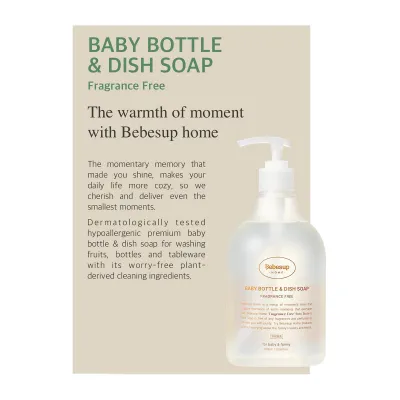
Prices are valid at publication and may change. Please refer to the product page for the latest price.
Evaluating any dish soap requires looking past generic “baby-safe” labels. A reliable formula must rinse away completely with water, leave zero scent or color behind, and rely on biodegradable cleaning agents that do not compromise the baby’s health or the integrity of the feeding materials.
Safe and Effective Ingredients to Look For
When reviewing a product label, look for plant-derived surfactants such as coco-glucoside, decyl glucoside, or lauryl glucoside. These coconut- or corn-derived cleaning agents lower the surface tension of water, allowing it to bind with and lift away stubborn milk fats and oils without leaving a stubborn chemical film. They offer a mild yet highly effective alternative to petroleum-based cleaning agents.

For solid foods and breastmilk residues, natural enzymes play a crucial role. Enzymes like amylase and protease specifically target and break down starch and protein stains, which are notoriously difficult to remove from plastic and silicone surfaces. Because these enzymes target specific organic matter, they clean thoroughly without requiring harsh scrubbing or aggressive chemical action.
Frequent washing of bottles and pump parts can quickly dry out a caregiver’s hands. Formulations that are pH-balanced—typically matching the natural, slightly acidic to neutral pH of human skin—help protect your skin barrier from irritation during multiple daily washing sessions.
Always verify these components by reading the full ingredient list on the back of the bottle. Front-label claims like “natural” or “organic” are often unregulated, making the detailed ingredient deck the only reliable source of truth for what actually goes into the bottle.
Ingredients to Avoid in Baby Dish Detergents
Synthetic fragrances and artificial dyes top the list of ingredients to exclude from your baby’s cleaning routine. Fragrances are complex chemical mixtures that can trigger respiratory irritation or skin sensitivities, and they frequently leave a lingering perfume on silicone teats that can cause babies to reject their milk. Dyes serve no functional cleaning purpose and only introduce unnecessary chemical exposure.
Harsh surfactants, such as Sodium Lauryl Sulfate (SLS) and Sodium Laureth Sulfate (SLES), should be avoided due to their high irritation potential. Similarly, certain preservatives used to extend shelf life, including methylisothiazolinone (MIT), parabens, and formaldehyde-releasers, are known sensitizers that can cause contact dermatitis and should not come into contact with items your baby mouths.
Phosphates, optical brighteners, and synthetic antibacterial agents like triclosan present both safety and environmental concerns. Antibacterial agents are generally unnecessary for daily bottle washing and can contribute to resistance, while phosphates and brighteners do not rinse away easily and can persist in the local water supply.
Identifying these ingredients requires scanning for their chemical names. Look out for terms like “parfum,” “fragrance,” “colorants,” “CI” followed by a number (indicating dyes), or abbreviations like “MIT” and “SLS.” If a label lists vague terms like “preservatives” or “surfactants” without specifying the exact compounds, treat it with caution.
How to Read Labels and Verify Safety Claims
Navigating the baby care aisle requires looking past greenwashing—the practice of using eco-friendly imagery or vague terms to make a product seem safer than it is. Words like “hypoallergenic,” “pediatrician-tested,” or “pure” have no standard legal definitions in many regions, meaning manufacturers can use them without meeting specific safety thresholds.
To truly verify a product’s safety, locate the full ingredient disclosure. If the physical bottle label is too small or vague, reputable manufacturers will publish a complete ingredient list or a Safety Data Sheet (SDS) on their official website. If a brand does not disclose its full ingredient list online, it is best to choose a more transparent alternative.
Third-party certifications can provide an extra layer of reassurance, but they must be verified. When a product displays a seal from an independent environmental or health organization, visit the certifying body’s official online database to confirm the brand’s current certification status. This ensures the claim is active and legitimate.
When evaluating an unfamiliar brand on the shelf in Singapore, use a simple decision checklist: check for a complete ingredient list, confirm the absence of synthetic fragrances and dyes, verify that the primary surfactants are plant-derived, and ensure the manufacturer provides clear contact information for safety inquiries.
Washing and Rinsing Practices to Prevent Residue
Even the safest detergent can leave a residue if used incorrectly. Always follow the manufacturer’s instructions for dilution, as using too much concentrated soap makes rinsing difficult and wastes product. Washing items in warm water helps dissolve milk fats and allows the surfactants to work efficiently without requiring excessive amounts of detergent.
Thorough rinsing is the most critical step in preventing chemical buildup. Hold each bottle, teat, and pump part under clean, running water for several seconds, ensuring water flows through the small openings of the teats to flush out any trapped soap bubbles or loosened milk solids.
After rinsing, place the items on a clean, dedicated drying rack in a well-ventilated area. Avoid drying baby items with standard kitchen tea towels, which can harbor bacteria and transfer lint or residues back onto the clean surfaces. Let them air dry completely before assembly or storage.
If you notice a cloudy, soapy film or a persistent odor on your baby’s bottles, it is a sign of residue buildup. To resolve this, wash the items again using hot water and a minimal amount of fragrance-free detergent, ensuring an extra-thorough rinse, or consult the manufacturer’s manual for safe deep-cleaning methods, such as boiling or sterilizing, depending on the material’s heat tolerance.
Frequently Asked Questions (FAQ)
Can I Use Regular Dish Soap for Baby Bottles?
Regular dish soaps are formulated to tackle heavy grease from adult meals and often contain strong synthetic fragrances, artificial dyes, and harsh surfactants that do not rinse away easily from plastic and silicone. If you must use regular dish soap, ensure it is a fragrance-free, dye-free variant, and rinse the items far more thoroughly than usual. However, for daily cleaning of infant feeding items, switching to a dedicated, mild baby formula is highly recommended to minimize the risk of chemical exposure.
Do I Need a Special Bottle Brush for Baby Detergents?
Yes, physical scrubbing is essential because surfactants alone cannot fully break down the stubborn biofilm and milk fat that cling to bottle walls. A dedicated bottle brush made of soft silicone or non-scratch nylon bristles is ideal, as it cleans effectively without creating micro-scratches where bacteria can multiply. To maintain hygiene, wash the brush thoroughly after each use, allow it to air dry upright, and replace it regularly or at the first sign of wear.

Community discussion
Share your experience or ask a question. Comments are reviewed before publication.