
Setting up a nursery in Singapore requires a smart balance of accessibility, safety, and spatial efficiency. With space often at a premium in modern apartments, finding the best baby cot organizer is a practical way to keep daily essentials close at hand without cluttering your room.
An organized cot area ensures that diapers, wipes, pacifiers, and swaddles are exactly where you need them, especially during middle-of-the-night changes or feeding sessions. By choosing the right storage solution, you can streamline your daily parenting routines while keeping your baby’s sleeping environment completely safe and tidy.
Quick Guide: Matching Storage Types to Your Nursery Needs
Selecting the right organizer depends on your primary storage challenges, your nursery’s layout, and the specific design of your baby’s cot. The three main categories of baby cot organizers each serve a distinct purpose in your daily routine:
Products mentioned in this guide
![[SG] Baby Cot Hanging Organizer Storage Bag/ Baby Diaper Storage Bag/ Baby Crib Organizer/ Wall Nursery Organizer](https://img.lazcdn.com/g/p/2bbe000979853ccdc123797161e6b0e6.jpg_400x400q80.jpg_.webp)

Prices are valid at publication and may change. Please refer to the product page for the latest price.
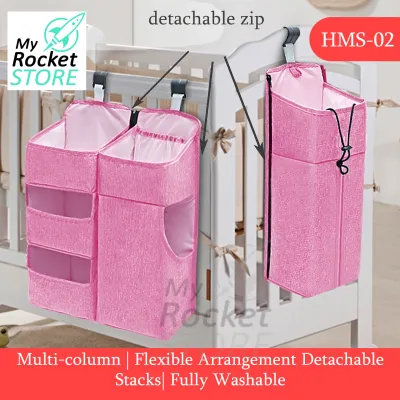
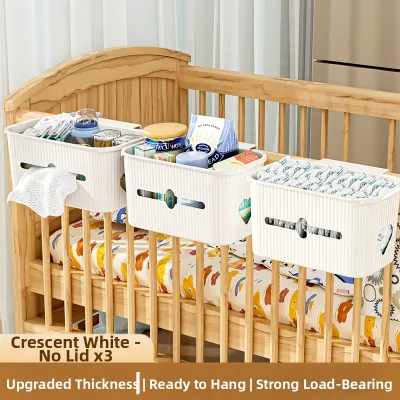
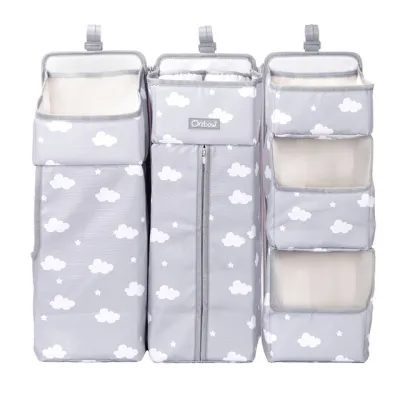
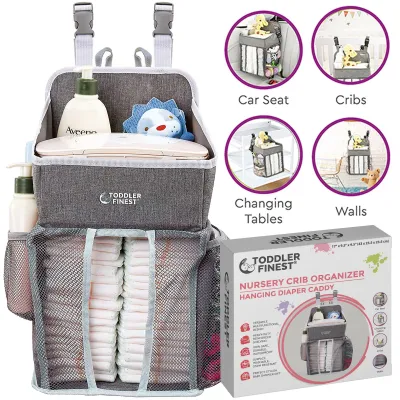
- Hanging Rail Bags: These organizers attach directly to the outer rails of the cot. They are best suited for quick diaper changes, keeping frequently used items like diapers, wipes, and diaper creams within arm's reach of your changing station.
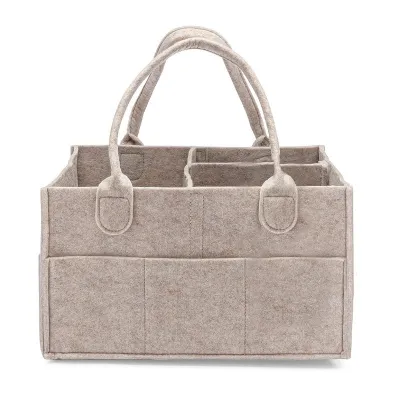
- Bedside Caddies: Typically made of soft felt or fabric, these pocketed organizers tuck securely under the mattress or attach to the side of the cot. They are ideal for nighttime soothing and feeding routines, holding pacifiers, burp cloths, and small items for the parent.
- Under-Cot Storage Bins: These low-profile drawers, bags, or boxes slide directly beneath the cot frame. They are perfect for bulk supplies, seasonal clothing, extra bedding, or items you do not need to access multiple times a day.
Identifying which of these storage types aligns with your daily flow will help you narrow down your options. Many parents find that combining two of these methods—such as a hanging bag for daily essentials and under-cot bins for bulk storage—creates the ultimate space-saving setup for a compact bedroom.
Hanging Cot Organizers: Best for Quick Access and Daily Essentials
Hanging cot organizers are the classic choice for busy parents who want to keep their primary diapering supplies organized and accessible. Because they hang vertically, they utilize otherwise wasted space on the exterior of the cot, making them an excellent addition to any nursery setup.

Ideal Use Cases and Nursery Layouts
A hanging organizer is highly practical if your diaper changing station is located directly next to or integrated with the baby’s cot. When you are changing a wriggling baby, safety guidelines dictate that you must keep at least one hand on your child at all times; having diapers, wipes, and fresh clothes positioned right at waist level allows you to retrieve supplies without turning your back or stepping away.
These organizers are particularly beneficial for standard wooden cots with sturdy, thick rails that can easily support the weight of a fully loaded storage bag. If your nursery lacks the floor space for a dedicated changing table with built-in drawers, a hanging organizer can completely replace the need for nearby shelving, keeping your floor area open and uncluttered.
By hanging the organizer on the end of the cot furthest from your bedroom door, you can keep the nursery looking neat and visually organized from the entryway. This setup works exceptionally well in compact Singaporean bedrooms where maximizing vertical space is key to maintaining a calm, restful environment.
Key Features and Safety Checks
When shopping for a hanging cot organizer, the attachment mechanism is the most critical feature to evaluate. Look for wide, heavy-duty velcro straps, robust plastic hooks, or adjustable buckle straps that wrap securely around the top rail of the cot. Avoid any organizers that rely on long, loose fabric ties or strings, as these can easily untie under weight or present a serious strangulation hazard if they find their way into the cot.
Weight capacity and structural integrity are equally important. High-quality hanging organizers feature reinforced stitching at all stress points and include rigid internal support boards—often made of thick cardboard or lightweight plastic—to prevent the shelves from sagging or collapsing when filled with heavy packs of baby wipes. A sagging organizer not only looks untidy but can also pull down on the cot rails, potentially destabilizing lightweight cot frames.
Safety Boundary: You must always mount hanging organizers on the outside of the cot, completely out of your baby’s reach. As soon as your baby reaches the developmental stage where they can sit up, roll over, pull themselves up, or grab at the organizer, you must immediately relocate or remove the bag. A curious baby can easily pull items out of the pockets, create a climbing hazard, or pull the entire organizer down onto themselves.
Bedside Caddies: Best for Nighttime Routines and Compact Spaces
Bedside caddies offer a low-profile, highly focused storage solution designed to assist with sleep-time routines. These compact fabric or felt pockets are engineered to stay close to the mattress level, keeping nighttime essentials organized without taking up valuable visual or physical space in the room.
When to Choose a Bedside Caddy
A bedside caddy is the ideal choice if you are using a bassinet, a bedside co-sleeper, or a cot with very thin or rounded metal rails that cannot securely support a large hanging organizer. Because they sit flush against the side of the bed or mattress, they do not protrude into walking paths, making them excellent for narrow shared bedrooms where the cot is positioned right next to the parents’ bed.
These caddies excel at storing small, lightweight items needed during the night, such as spare pacifiers, soft burp cloths, swaddles, nursing pads, and small tubes of soothing cream. They also provide a convenient, safe spot for parents to store their own essentials—like a phone, a small flashlight, or a bottle of water—keeping these items off the floor and away from the immediate sleeping area.
Because they are typically made from soft, quiet materials like felt or woven cotton, bedside caddies allow you to retrieve items silently in the dark. This minimizes the risk of waking a sleeping baby with the loud rustle of plastic packaging or the harsh sound of opening a wooden drawer.
Safety and Design Considerations
To ensure absolute safety, a bedside caddy must be designed so that neither the organizer itself nor any of its contents can ever fall inside the cot where the baby is sleeping. If you choose a tuck-in model, ensure the flap that slides under the mattress is wide, long, and equipped with a high-friction, anti-slip backing or a secure attachment strap that fastens to the cot frame underneath the mattress.
Look for caddies that feature built-in structural rigidity, such as stiffened felt panels or reinforced pocket edges. This structural design ensures that the pockets remain open and accessible even when empty, allowing you to slide items back into place with one hand in the dark, rather than having to struggle with collapsed fabric pockets.
Given their proximity to feeding zones, bedside caddies are highly susceptible to spills, milk stains, and drool. Prioritize materials that are either fully machine-washable or exceptionally easy to spot-clean with a damp cloth and mild baby-safe detergent. Regularly inspect the caddy for any loose threads or wear and tear, and discontinue use immediately if the fabric begins to fray or the attachment straps lose their grip.
Under-Cot Storage: Best for Bulk Supplies and Seasonal Items
Under-cot storage is the ultimate solution for maximizing the unused space beneath your baby’s crib. By utilizing this often-overlooked area, you can significantly increase your storage capacity without sacrificing any floor space in the nursery.
Maximizing Nursery Space with Under-Cot Bins
The spacious area beneath a standard cot is perfect for storing items that you need to keep on hand but do not require instant access to throughout the day. This includes bulk packs of diapers, out-of-season baby clothing, extra bedsheets, sleep sacks, and larger toys that your baby has not yet grown into.
In compact Singaporean apartments, utilizing under-cot storage can completely eliminate the need to purchase an additional, bulky chest of drawers or wardrobe. This keeps the nursery feeling open, airy, and much easier to navigate, which is especially beneficial during those early months when you may be carrying your baby frequently.
When choosing under-cot storage, you will generally decide between soft-sided zippered fabric bags and hard plastic rolling bins. Soft-sided bags are highly flexible and can squeeze under cots with very low clearances, while hard plastic bins offer superior protection against dust and are much easier to stack if your cot has a higher clearance.
What to Check Before Buying
Before purchasing any under-cot storage container, you must measure the exact clearance height from the floor to the lowest point of the cot’s frame. Keep in mind that many modern cots feature adjustable mattress heights; if you plan to lower the mattress base as your baby grows, make sure to measure the clearance based on the lowest possible mattress setting so your storage bins will still fit in the future.
Because Singapore experiences high humidity levels year-round, dust mites and mold can accumulate quickly in dark, unventilated spaces close to the floor. To protect your baby’s spare clothing and bedding, choose storage containers that feature secure lids, airtight seals, or heavy-duty zippered fabric covers. Avoid open-top baskets for under-cot storage, as they will quickly collect dust and require frequent cleaning.
For ease of use, look for storage bins equipped with smooth-rolling casters or sturdy, reinforced pull-handles. If your cot is placed on parquet or vinyl flooring, ensure the wheels are made of soft rubber or polyurethane to prevent scratching. Finally, verify that the storage bins slide in and out smoothly without rubbing against the cot’s legs or interfering with the structural stability of the cot frame.
How to Choose the Right Baby Cot Organizer for Your Nursery
Finding the perfect baby cot organizer involves evaluating material safety, checking compatibility with your specific cot model, and considering how the storage solution will adapt as your family grows.
Material Safety and Certifications
Because baby cot organizers sit in close proximity to your child’s sleeping environment, material safety is paramount. Always check product labels to ensure the materials used are non-toxic, lead-free, BPA-free, and phthalate-free. If you are choosing fabric or felt organizers, opt for breathable, natural fibers or high-quality synthetics that do not emit any strong chemical odors upon unpacking.
If a product has a strong chemical smell, let it air out completely in a well-ventilated room far away from the nursery before installing it. Avoid organizers with small, decorative elements like loose buttons, sequins, or plastic beads that could easily detach and become choking hazards if your baby manages to reach them.
Cot Compatibility
Before finalizing your purchase from an online baby store or a physical nursery retailer, carefully match the organizer’s attachment method to your specific cot’s design. Standard wooden cots with wide, flat slats require adjustable velcro straps or flexible buckles, whereas metal cots with thin, round bars may require specialized hooks or clip-on mechanisms to prevent sliding.
If your cot features a solid headboard or footboard, a hanging organizer designed to drape over slats will not work on those specific sections. Measure the width of your cot’s rails and compare them to the manufacturer’s specifications to ensure a snug, secure fit that will not slide or tilt when loaded with supplies.
Long-Term Adaptability
Your storage needs will change rapidly during your baby’s first few years. A high-quality organizer should be able to transition along with your child’s developmental milestones. For example, a hanging diaper organizer can later be repurposed to hang on a playroom bookshelf to hold coloring books and crayons, or attached to the back of a car seat for road trips.
Similarly, durable under-cot storage bins can transition from holding baby swaddles to storing toddler shoes, building blocks, or board games. Investing in durable, neutral-colored organizers with classic designs ensures that they will continue to look stylish and remain useful long after your child has transitioned out of their cot.
Final Verification Steps
Before placing any items into your new organizer, perform a final safety check. Mount the organizer according to the manufacturer’s instructions and gently pull on it to ensure it is securely anchored. Verify that all zippers, snaps, and buckles are functioning correctly and that there are no loose threads or sharp plastic edges.
Always adhere strictly to the manufacturer’s stated weight limits. Overloading an organizer can cause the straps to fail, potentially dropping heavy items onto the floor or damaging your cot’s frame. By taking these precautions, you can create a highly organized, beautiful, and completely safe nursery environment for your growing baby.
Frequently Asked Questions (FAQ)
Are hanging cot organizers safe for newborns?
Yes, hanging cot organizers are safe for newborns, provided they are installed strictly on the outside of the cot rails and completely out of the baby’s reach. You must ensure that the organizer is securely attached using wide velcro straps or buckles, and that it does not feature any long, loose strings or ties that could pose a strangulation hazard. As a strict safety rule, you must remove or relocate the organizer immediately once your baby learns to roll over, sit up, or pull themselves up, as they may attempt to grab the organizer, pull items out, or use it to climb.
How do I clean a felt bedside caddy?
To clean a felt bedside caddy, start by emptying all contents and shaking out any loose dust or crumbs. Spot-clean any stains or spills promptly using a clean, damp microfiber cloth and a small amount of mild, baby-safe laundry detergent. Gently dab the stained area rather than scrubbing vigorously, as harsh rubbing can cause the felt fibers to pill or lose their shape. Allow the caddy to air dry completely in a well-ventilated area away from direct sunlight before reattaching it to the cot mattress.
Can I use a regular storage box under a baby cot?
Yes, you can use a regular storage box under a baby cot, provided it fits the clearance height perfectly and does not interfere with the cot’s legs or adjustable mattress base. However, because the area under a cot is prone to collecting dust and pet hair, it is highly recommended to use boxes that feature secure, tight-fitting lids or zippered covers to protect your baby’s items. Additionally, ensure the box does not block all airflow under the cot, and choose containers with smooth bases or soft wheels to prevent scratching your nursery floor.

Community discussion
Share your experience or ask a question. Comments are reviewed before publication.