
Selecting a baby changing cabinet is a foundational decision for your nursery, directly impacting both your daily diapering workflow and your long-term storage efficiency. Newborns can require up to ten to twelve diaper changes a day, making the changing station one of the most heavily used areas in your home. The ideal cabinet must balance immediate, arm’s-reach accessibility during active diaper changes with versatile, high-capacity storage that adapts as your child grows. In Singapore, where nursery space is often premium, choosing a multi-functional piece of furniture is key to maintaining an organized, stress-free environment.
When evaluating options, prioritize three essential features: open shelving for high-frequency items, deep drawers for bulk storage, and highly adjustable internal configurations. Having immediate access to items like wipes, diapers, and creams prevents you from needing to turn away from your baby, while deep drawers keep bulkier items like diaper packs, bedding, and seasonal clothes out of sight.
Above all, safety remains the non-negotiable baseline. Any storage cabinet used for changing must support secure anti-tip wall anchoring and strictly meet the manufacturer’s weight specifications for infant use. By prioritizing these structural and storage elements, you ensure a seamless transition from the newborn stage through the toddler years.
Products mentioned in this guide
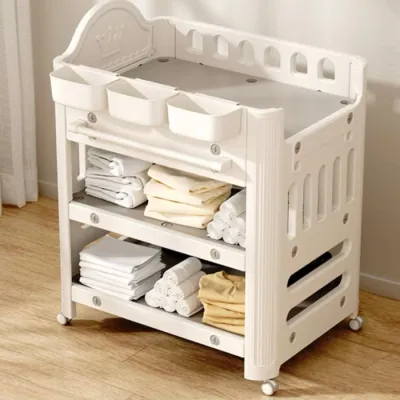
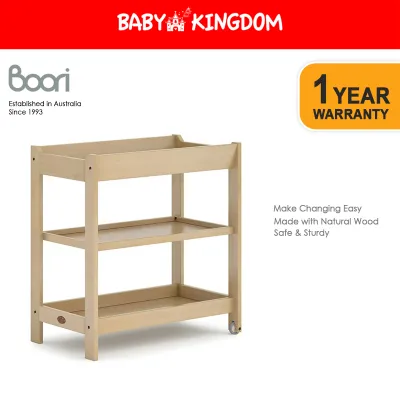
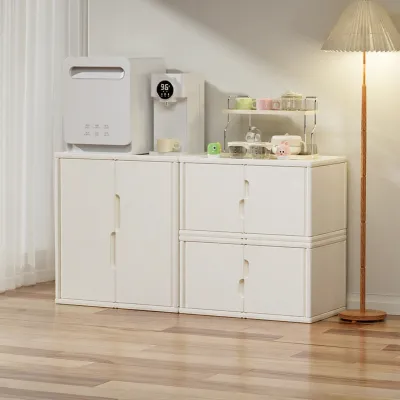
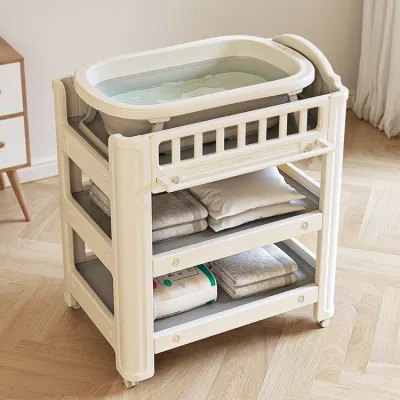
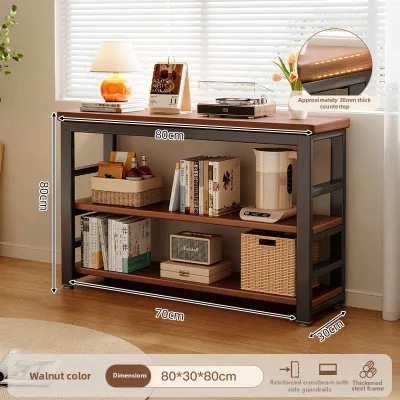
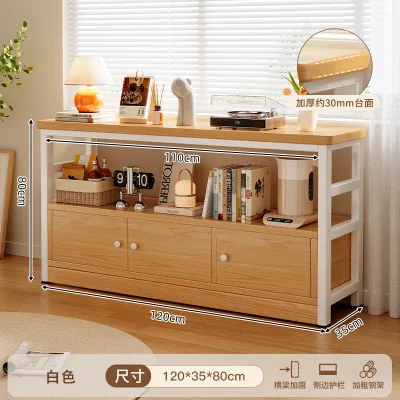
Prices are valid at publication and may change. Please refer to the product page for the latest price.
Essential Storage Configurations for Daily Efficiency
Open Shelving vs. Closed Drawers
During a diaper change, your primary focus must remain entirely on your baby. Open shelving provides immediate, one-handed access to high-frequency essentials like clean diapers, fresh wipes, and diaper creams. This layout minimizes the need to open and close drawers while holding an active infant, helping you maintain constant physical and visual contact with your child. Open shelves also allow you to perform quick visual inventory checks at a glance, preventing unexpected mid-change shortages of critical supplies.
Conversely, closed drawers are indispensable for maintaining visual order and protecting your nursery supplies. They conceal the natural clutter of bulk items, such as extra diaper packs, seasonal clothing, and bedding. In Singapore’s humid tropical climate, closed drawers also serve a protective function, shielding sensitive items—like clean swaddles, cotton balls, and spare sheets—from settling dust, pet hair, and airborne moisture. Furthermore, closed drawers prevent curious older babies who have started crawling or cruising from pulling down stacks of clean clothes.
For most families, a hybrid storage configuration offers the most practical daily workflow. A layout featuring one or two open shelves directly beneath the changing surface, paired with two to three deep lower drawers, balances quick-access convenience with clean, organized bulk storage. This ensures that while your immediate diapering needs are met instantly, the rest of the nursery remains tidy and uncluttered.
Dedicated Compartments and Dividers
Small infant accessories can easily get lost or buried in deep, wide drawers. Dedicated compartments, small top drawers, or integrated side caddies keep tiny essentials like nail clippers, nasal aspirators, digital thermometers, and pacifiers organized and immediately locatable. When you are managing a fussy baby, knowing exactly where to find a small grooming tool or pacifier reduces stress significantly and ensures a smoother routine.
If your chosen baby changing cabinet lacks built-in dividers, integrate aftermarket nursery drawer organizers or shallow fabric bins. These modular inserts allow you to categorize small clothing items, socks, bibs, and grooming tools, preventing them from shifting when drawers are opened and closed. Organizing by category also makes it easier for other caregivers, grandparents, or babysitters to navigate the nursery storage system without confusion.
Crucially, separate your everyday diapering supplies from potentially hazardous items. Creams, medications, and grooming tools must be stored in higher, out-of-reach drawers or locked compartments to ensure they remain completely inaccessible to curious infants and toddlers. Always verify that any topical treatments, hand sanitizers, or medicines are placed well away from the changing surface where an active baby could reach or kick them.
Space-Saving Specifications and Adjustability
Adjustable Shelves and Modular Inserts
Infant storage needs change rapidly during the first year of life. Fixed shelving configurations can quickly become inefficient as you transition from tiny newborn onesies and small diaper packs to larger toddler apparel, bulky sleep sacks, and toy collections. A cabinet that cannot adapt to these shifting requirements may soon become underutilized, cluttered, or obsolete.

Prioritizing a cabinet with adjustable shelf heights or removable support pegs allows you to customize the interior layout as your storage needs evolve. This flexibility is essential for accommodating taller bottles of baby lotion, stacked packages of larger-sized diapers, or storage bins of varying dimensions. It allows you to maximize every cubic centimeter of internal space, ensuring no vertical space is wasted.
Look for modular drawer inserts and removable dividers that can be reconfigured or completely taken out when your storage requirements shift. This adaptability ensures the cabinet remains a functional storage piece long after your child has outgrown the diapering phase, transitioning smoothly into a wardrobe, bookshelf, or toy chest for an older child.
Depth, Footprint, and Clearance
Before purchasing any changing cabinet, measure your nursery floor space precisely, keeping in mind the real-world clearance required during daily use. You must account for the full extension of all drawers and doors, leaving ample space for a caregiver to stand, bend, and move comfortably in front of the unit without feeling cramped.
Standard-depth cabinets (typically around 50 to 55 centimeters) offer maximum storage capacity but can overwhelm smaller rooms. In compact Singapore apartments or cozy nursery layouts, a slim-profile changing cabinet (around 40 to 45 centimeters deep) utilizes vertical space more efficiently without restricting movement. However, ensure that any slim-profile unit is deep enough to safely support your chosen changing pad without any overhang.
Verify the door and drawer swing radii to ensure the unit does not block access to entryways, built-in wardrobes, power outlets, or emergency exits. Ensure the cabinet’s placement allows you to plug in baby monitors, bottle warmers, or nightlights safely without running cords across walking paths or behind heavy furniture where they could be pinched.
Crucial Safety and Durability Verifications
- Anti-Tip Anchoring: Every baby changing cabinet must be anchored securely to the wall to prevent accidental tipping. Pulling out multiple loaded drawers shifts the center of gravity forward, creating a severe tipping hazard. Verify that the manufacturer includes a certified anti-tip anchoring kit with the furniture. Always install this hardware directly into wall studs rather than relying solely on hollow-wall drywall anchors, as the dynamic weight of a growing child can easily pull anchors out of plasterboard.
- Weight Limits and Load Capacity: Always check the manufacturer's documentation for the specific weight limits of both the changing surface and the individual drawers. Never assume a standard bedroom dresser is rated to handle the dynamic weight of an active, growing infant. Verify these limits before placing any heavy items or diapering accessories on or inside the cabinet, and monitor your child's weight to ensure they do not exceed the changing surface's maximum capacity.
- Drawer Mechanisms: Look for cabinets equipped with soft-close drawer glides and integrated drawer stops. These mechanisms prevent drawers from being pulled completely out of the frame and protect tiny fingers from painful pinches as your child begins to crawl and explore. Smooth-gliding drawers also prevent the cabinet from shaking, which could startle a sleeping baby or disrupt a peaceful changing routine.
- Material and Finish: Carefully review the product manual and manufacturer labels to verify that the cabinet uses non-toxic, lead-free, and phthalate-free finishes. Do not rely solely on vague marketing terms; confirm these safety certifications in the official product specifications. This is especially important as babies teeth and may chew on accessible wooden edges, or touch surfaces with sensitive skin.
- Action Boundary: Stop using the changing cabinet immediately and consult the manufacturer if you observe structural wobbling, misaligned drawers, or if the changing pad cannot be securely strapped down to the top surface. Do not attempt to modify the structural safety features yourself, and always prioritize professional repair or replacement over temporary home fixes.
Matching Cabinet Styles to Your Nursery Layout
Dresser-Style Changing Tables
Dresser-style changing tables offer exceptional long-term utility for growing families. Once your child outgrows diapers, you can simply remove the changing pad or topper, transforming the unit into a classic bedroom dresser that can be used throughout childhood. This dual-purpose design makes it a highly cost-effective investment for parents looking for furniture that lasts.
These units typically provide the largest volume of storage, featuring multiple deep drawers that easily accommodate clothes, blankets, and toys. However, they require a larger floor footprint, making them best suited for master bedrooms, spacious nurseries, or open-concept layouts.
If selecting a dresser-style option, ensure the top surface features raised safety barriers or a secure, integrated strap system designed specifically to hold a changing pad firmly in place without sliding. Always verify that the changing pad is compatible with the dresser’s top dimensions to prevent shifting during use.
Compact and Wall-Mounted Options
For smaller rooms where floor space is limited, compact changing tables offer a smart alternative. These units typically feature a narrow footprint and utilize vertical space with stacked open shelves beneath the changing surface rather than deep, wide drawers. They are lightweight and easier to reposition if you decide to rearrange the nursery layout.
Wall-mounted changing stations fold down when needed and fold up flat against the wall when finished, featuring shallow integrated shelving for immediate diapering supplies. Keep in mind that these units have strict weight limits and very limited storage capacity. They must be mounted securely to solid concrete walls or heavy-duty wall studs to ensure absolute safety. In Singapore HDB flats, mounting these units securely requires proper masonry drills and heavy-duty wall plugs suitable for concrete.
Because compact and wall-mounted options hold fewer items, they require more frequent restocking from a primary storage closet. This makes them ideal as secondary changing stations in multi-story homes or as space-saving solutions in highly constrained rooms where a full-sized dresser simply will not fit.
Frequently Asked Questions (FAQ)
How many drawers do I really need in a changing cabinet?
If your nursery has a separate built-in wardrobe or closet for bulk items and hanging clothes, a changing cabinet with two to three drawers is generally sufficient for daily diapering essentials. However, if the changing cabinet is the primary storage unit in the room, look for a model with four or more drawers to comfortably hold all baby garments, blankets, swaddles, and backup diapering supplies. This prevents clutter from spilling over onto other surfaces and keeps everything organized in one central location.
Can I use a regular storage cabinet as a baby changing table?
Standard storage cabinets and dressers are often not safety-tested for the dynamic weight, movement, and specific height requirements of infant diaper changes. If you choose to repurpose existing furniture, you must first verify its structural stability, ensure it is securely anchored to the wall, and confirm that the top surface can safely accommodate a strapped-down changing pad without any overhang. Always prioritize safety certifications over aesthetic preferences, and consult the manufacturer if you are unsure of a unit’s structural limits.
What is the standard height for a changing cabinet to prevent back strain?
The standard ergonomic height for a changing cabinet typically ranges from 34 to 38 inches (approximately 86 to 96 centimetres), including the height of the changing pad. This range allows most caregivers to stand comfortably without bending forward excessively, protecting your back during frequent daily changes. If you are taller, look for cabinets with adjustable leg levelers or specific ergonomic designs, and try to test the height in-store beforehand to ensure a comfortable fit for all primary caregivers.

Community discussion
Share your experience or ask a question. Comments are reviewed before publication.