
Deciding whether to install a baby car mirror is a common dilemma for parents in Singapore. These mirrors offer peace of mind, allowing you to monitor your rear-facing infant with a quick glance in your rearview mirror. However, because they are aftermarket accessories, they are not subject to the same safety regulations as car seats. Their safety depends entirely on their design, materials, and how securely they are installed.
While no aftermarket accessory is completely risk-free during a collision, choosing products with verified shatterproof materials, robust strapping systems, and proper headrest compatibility can significantly reduce potential hazards. To make an informed decision, caregivers must understand the physical risks these mirrors can introduce, how to evaluate their construction, and when it is safer to remove them altogether. This guide provides a comprehensive framework to help you navigate these safety considerations.
Understanding the Potential Risks of Baby Car Mirrors
Before installing a baby car mirror, it is essential to understand the specific safety hazards these items can introduce during normal driving, sudden braking, or collisions. The most significant concern is the projectile risk. In a sudden stop or high-impact collision, any unsecured object in the vehicle cabin is subjected to extreme forces. If a mirror is heavy, poorly secured, or made of fragile materials, it can easily detach from the headrest. Once airborne, it becomes a dangerous projectile that can strike your baby or other passengers, potentially causing severe blunt-force trauma.
Products mentioned in this guide
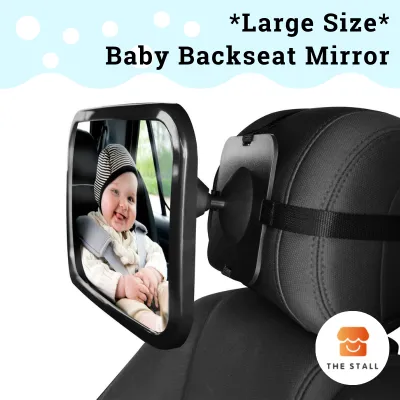
![[LocalStock] Baby Rear View Mirror Back Car Seat Mirror Adjustable Car Baby Kids Monitor Mirror Kids Safety](https://img.lazcdn.com/g/p/9816e54598950e0b760b90530d3fde56.jpg_400x400q80.jpg_.webp)
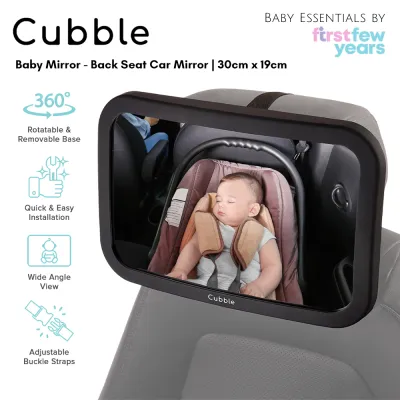
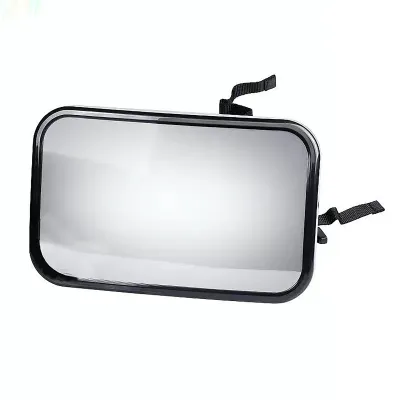
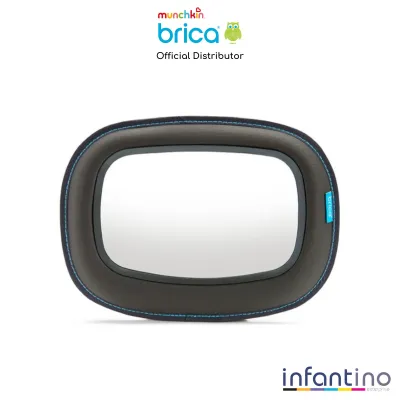
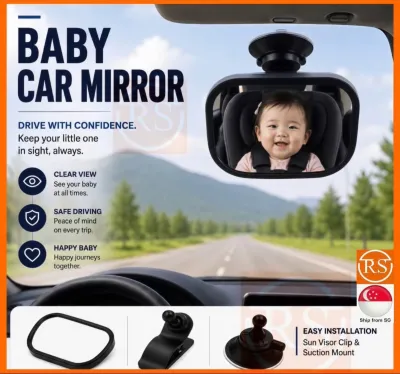
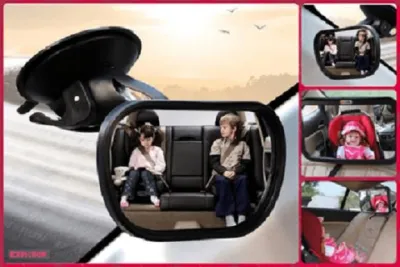
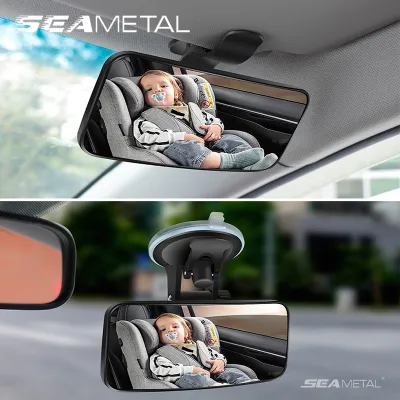
Prices are valid at publication and may change. Please refer to the product page for the latest price.
Another critical hazard is driver distraction. While the mirror is intended to reassure you, it can encourage frequent or prolonged glances. Taking your eyes off the road for even two seconds significantly increases the risk of an accident. In busy urban traffic environments like Singapore, where sudden lane changes and quick stops are common, even a momentary distraction can have serious consequences. Furthermore, depending on the angle of the sun or streetlights during night driving, the mirror can reflect intense glare directly into the driver’s eyes, temporarily impairing visibility.
Finally, baby car mirrors can create dangerous blind spots. If the mirror is excessively large or positioned incorrectly, it can obstruct your direct line of sight through the rear window or interfere with your vehicle’s standard rearview mirror. Maintaining clear, unobstructed visibility around your vehicle is crucial for safe driving, especially when merging on busy expressways or maneuvering through tight parking spaces.
How to Evaluate Safety Features and Materials
To minimize the risks associated with baby car mirrors, you must carefully inspect the product’s design elements and material characteristics before installation. The first and most critical feature to verify is the mirror’s reflective surface. Never use a mirror made of standard glass, which can shatter into sharp, dangerous shards during an impact. Instead, look for mirrors made of lightweight, impact-resistant plastics such as acrylic or polycarbonate. Check the product packaging or manufacturer specifications to ensure the reflective surface is explicitly certified as shatterproof.

Next, evaluate the mounting and strapping system. Avoid mirrors that rely on weak elastic bands, single straps, or suction cups, as these are highly prone to slipping or failing over time. Instead, opt for mirrors featuring a dual-strap or multi-point attachment system. These systems typically use heavy-duty nylon webbing straps that wrap both horizontally and vertically around the headrest, secured by robust plastic tension buckles. The buckles should lock tightly and resist slipping when pulled, ensuring the mirror remains firmly anchored even under sudden deceleration.
Additionally, inspect the frame and overall weight of the mirror. The frame should be lightweight to minimize kinetic energy in a crash, and it should feature soft, shock-absorbing padding—such as EVA foam or soft rubber—around the edges. This padding helps cushion any accidental contact and prevents the mirror from scratching your vehicle’s headrest. Avoid mirrors with heavy decorative elements, built-in electronic toys, or complex light systems, as the added weight increases the severity of potential injuries if the mounting system fails.
Installation Best Practices to Prevent Hazards
Proper installation is just as important as choosing a high-quality mirror. To ensure the mirror remains stable and does not interfere with safe driving, you should follow a strict installation and daily-use checklist. First, verify headrest compatibility. Baby car mirrors are designed to be mounted on adjustable, dual-post headrests. If your vehicle has integrated or fixed headrests that do not allow straps to wrap securely around both the horizontal and vertical axes, you should avoid installing a strap-on mirror, as it can easily slide off during transit.
When positioning the mirror, adjust the angle carefully so that you can see your baby’s face with a quick, peripheral glance in your vehicle’s standard rearview mirror. You should not have to stretch, strain, or alter your normal driving posture to see the reflection. Once the angle is set, tighten the straps as much as possible, ensuring there is no slack. If the mirror has a pivot joint for angle adjustment, ensure the locking mechanism is tightened securely so the mirror does not droop or shift when driving over speed bumps or uneven road surfaces.
Finaly, establish a routine of conducting pre-trip checks. Singapore’s high humidity and intense cabin heat can cause materials to expand, contract, or degrade over time, which may loosen the straps. Before every journey, give the mirror a firm tug to verify that the straps remain tight, the buckles are securely locked, and the frame does not wobble. If you notice any looseness, adjust and retighten the system before starting your vehicle.
Navigating Safety Standards and Certifications
When shopping for a baby car mirror, navigating safety claims can be challenging. It is important to understand that car mirrors are classified as aftermarket accessories. Unlike child restraint systems (such as infant car seats), which must comply with strict international safety standards like the United Nations ECE R44/04 or R129 regulations to be legally sold and used, aftermarket accessories are not subject to mandatory government safety testing or standardized certifications.
Because there are no official regulatory standards specifically for baby car mirrors, any claims of being ‘crash-tested’ must be scrutinized. Some manufacturers conduct independent crash testing at third-party facilities to simulate collision forces. When evaluating these products, look for detailed information on the manufacturer’s website or packaging regarding the testing parameters. Reliable brands will often specify the collision speeds and testing standards (such as matching child restraint crash-test pulses) used to verify that the mirror remains securely attached and does not shatter under impact.
Additionally, always consult your vehicle’s owner manual before installing any accessory on a headrest. This is particularly important if your vehicle is equipped with active head restraints, which are designed to move forward in a rear-end collision to protect against whiplash. Placing a heavy or rigidly mounted mirror on an active headrest can interfere with its deployment or cause unexpected hazards. Furthermore, ensure your installation complies with local traffic regulations in Singapore, which mandate that drivers must maintain a clear, unobstructed view of the road and traffic at all times.
When to Avoid or Remove a Car Mirror
While a baby car mirror can be a helpful tool, there are specific conditions and observable signals under which you must remove the mirror to prioritize safety. First, regularly inspect the mirror for physical signs of material degradation. The intense heat inside a parked car in Singapore can reach extreme temperatures, causing plastics to become brittle, adhesives to melt, and nylon straps to fray or lose their elasticity. If you notice any cracks in the reflective surface, warping of the frame, or fraying of the straps, remove the mirror immediately and do not attempt to repair it.
Second, if you find that the mirror consistently vibrates, droops, or shifts out of position during normal driving, it is a sign that the mounting system is failing or is incompatible with your vehicle’s headrest. A mirror that does not stay securely in place is a constant distraction and a high-risk projectile hazard. If you cannot achieve a completely stable, wiggle-free installation despite adjusting the straps, it is safer to remove the mirror entirely.
Lastly, plan to transition away from using the mirror once your child outgrows the rear-facing car seat stage. When your child transitions to a forward-facing car seat, they will be facing the front of the vehicle, making a rear-seat mirror obsolete. At this stage, you can easily monitor them using your vehicle’s standard rearview mirror or by glancing back when safely stopped. Removing the mirror at this point eliminates an unnecessary accessory from the cabin, further enhancing passenger safety.
Frequently Asked Questions (FAQ)
Can I use a baby car mirror on a seat without a headrest?
No, you should not attempt to install a standard baby car mirror on a vehicle seat that lacks an adjustable headrest. These mirrors rely on the physical structure of dual-post headrests to anchor their horizontal and vertical straps securely. Attempting to mount a mirror using alternative methods—such as suction cups on the rear window or adhesive pads on the seatback—is highly unsafe. Suction cups frequently lose suction due to temperature changes and condensation, while adhesives can fail under Singapore’s intense cabin heat, turning the mirror into an unsecured projectile during a sudden stop.
Do shatterproof mirrors completely eliminate injury risks?
While choosing a mirror with a shatterproof acrylic or polycarbonate surface prevents the hazard of sharp glass shards cutting your child, it does not completely eliminate all injury risks. If the mounting straps, buckles, or the headrest itself fail during a collision, the entire mirror assembly can still detach and act as a heavy, blunt projectile. To minimize these risks, you must combine a shatterproof design with a secure, multi-point strapping system, lightweight construction, and regular pre-trip safety checks to ensure the mirror remains firmly anchored at all times.

Community discussion
Share your experience or ask a question. Comments are reviewed before publication.