
When preparing feeds for your infant, the cleanliness of their bottles directly impacts their health and feeding comfort. Deciding between a specialized baby bottle cleanser and your everyday household dish soap depends largely on the bottle materials you use and your baby’s sensitivity. While regular dish soap is highly effective and budget-friendly for non-porous materials like glass, specialized baby cleansers are far superior for plastic and silicone parts. Selecting a dedicated dishwashing liquid baby product helps prevent the buildup of stubborn milk fats and lingering synthetic scents that can cause a baby to reject their bottle.
Key Differences: Standard Soap vs Dishwashing Liquid Baby Formulations
To understand why these two cleaning agents perform differently, it is essential to look at what goes into their bottles. Standard dishwashing liquids are formulated to tackle heavy, cooked-on grease, animal fats, and diverse food residues from family meals. Consequently, they rely on robust, highly concentrated surfactants designed for maximum stripping power.
On the other hand, specialized baby bottle cleansers are engineered with a singular, highly focused task in mind: breaking down the unique proteins, lipids, and carbohydrates found in breast milk and infant formula.
Products mentioned in this guide
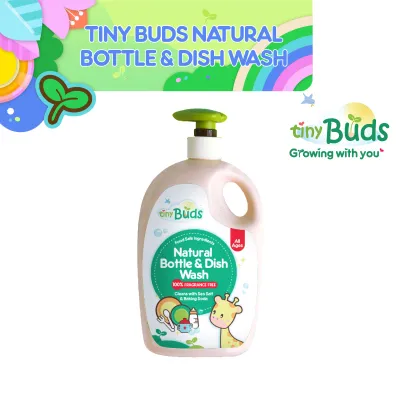
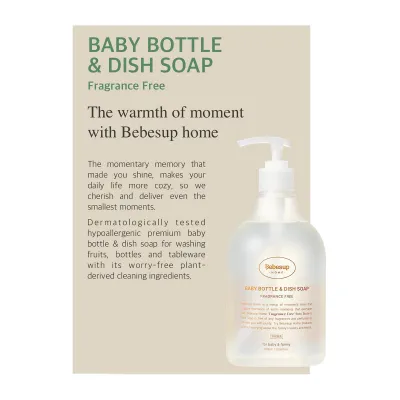
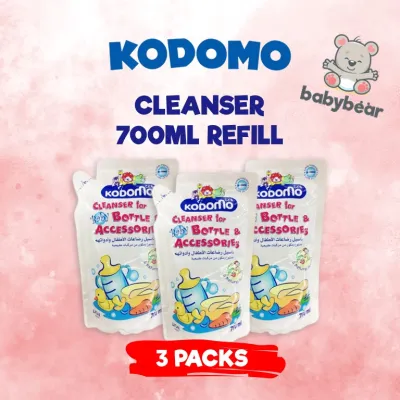
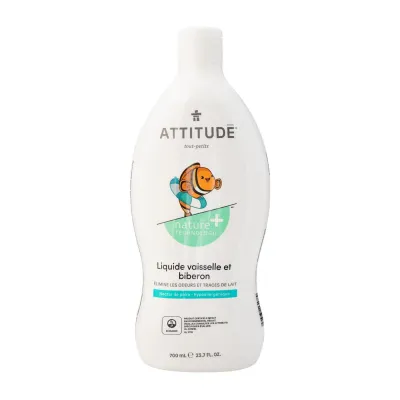
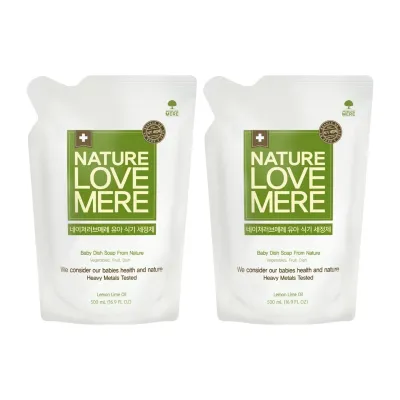
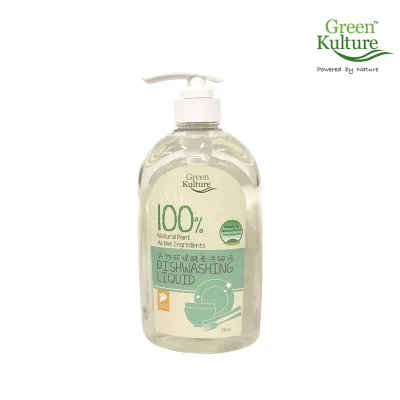
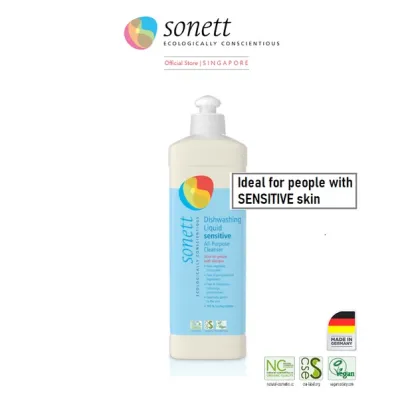
Prices are valid at publication and may change. Please refer to the product page for the latest price.
Ingredients, Surfactants, and Fragrances
The primary chemical distinction lies in the selection of surfactants and the inclusion of additives like synthetic dyes and perfumes. Standard household dish soaps frequently utilize strong anionic surfactants, such as sodium lauryl sulfate (SLS) or sodium laureth sulfate (SLES), which create rich, long-lasting suds. While highly effective at stripping oil, these surfactants can leave behind a thin chemical film if not rinsed with an abundance of running water. Additionally, standard soaps often feature intensive synthetic fragrances—such as artificial lemon, lime, or floral scents—and bright colorants to enhance the consumer experience.
In contrast, a dedicated dishwashing liquid baby formula typically relies on mild, plant-derived surfactants, often sourced from coconut, corn, or palm oils (such as coco-glucoside or decyl glucoside). These plant-based options are selected because they rinse away cleanly with minimal water and carry a lower risk of leaving chemical residues. Furthermore, premium baby cleansers are generally formulated without artificial dyes and are completely fragrance-free or scented only with extremely low levels of natural, food-grade additives. Parents should always inspect the ingredient label on the back of any product to verify specific chemical compositions, as formulations vary widely across brands.
Rinsability and Milk Fat Breakdown
Breast milk and infant formula present a unique cleaning challenge because they are rich in proteins (such as casein and whey) and complex fats that form a tenacious film on container walls. Standard dish soaps are excellent general degreasers, but they require significant physical scrubbing and a high volume of water to rinse completely clean from a surface. If any soap residue remains, it can dry into a cloudy film that traps bacteria.
Specialized baby cleansers frequently incorporate natural enzymes, such as protease and lipase. Protease actively targets and breaks down stubborn milk proteins, while lipase dismantles the fat molecules. This enzymatic action dissolves the milk residue at a molecular level, allowing it to be washed away effortlessly. Because these formulas are designed to be low-foaming, they rinse off much faster and more completely than high-sudsing household soaps, reducing water consumption and ensuring no chemical film is left behind to contaminate the next feed.
Which Cleanser Is Best for Your Bottle Material?
Different bottle materials interact with cleaning agents in distinct ways. Choosing the wrong soap for a specific material can lead to premature wear, lingering odors, or poor hygiene. Understanding how glass, plastic, and silicone respond to different detergents will help you preserve your feeding equipment and protect your baby.

Glass Bottles
Glass is widely regarded as the gold standard for bottle hygiene because it is completely non-porous. It does not absorb chemicals, fats, colors, or odors, regardless of how long milk or soap remains in contact with the surface. Because of this chemical inertness, both regular dish soap and specialized baby cleansers perform exceptionally well on glass bottles.
If you primarily use glass bottles, standard household dish soap is a highly practical and cost-effective option. The smooth, hard surface of glass allows even highly scented, heavy-sudsing soaps to be rinsed away entirely, leaving zero residue behind. However, parents must exercise caution when handling glass. Always visually inspect glass bottles before and after washing for any micro-cracks, chips, or deep scratches. These physical defects can harbor harmful bacteria and compromise the structural integrity of the bottle under thermal stress. If you detect any damage, discard the bottle immediately.
Plastic Bottles (PP, PPSU, PES)
Plastic baby bottles are popular due to their lightweight, shatterproof nature, and are commonly available in polypropylene (PP), polyphenylsulfone (PPSU), or polyethersulfone (PES). However, compared to glass, all plastics are relatively soft and microscopically porous. Over time, the physical action of bottle brushes can create fine, microscopic scratches on the interior walls of plastic bottles.
These tiny scratches are problematic because they act as magnets for milk fats, proteins, and chemical residues. When washed with highly fragranced, standard dishwashing liquids, plastic bottles can easily trap synthetic perfume molecules within these micro-scratches. This often results in a plastic bottle that permanently smells like artificial lemon or floral perfume, which can alter the taste of subsequent milk feeds. For all plastic bottles, using a fragrance-free, mild dishwashing liquid baby cleanser is highly recommended. Additionally, parents should regularly inspect plastic bottles for cloudiness, stubborn stains, or deep scratches, and strictly adhere to the manufacturer’s recommended replacement timeline—which typically ranges from three to six months depending on the specific plastic type and frequency of sterilization.
Silicone Bottles and Nipples
Silicone is a highly flexible, durable, and temperature-resistant material that has become a staple for bottle nipples, transition cups, and modern silicone baby bottles. Despite its many benefits, silicone is highly hydrophobic and microscopically porous, meaning it has a strong natural affinity for fats and organic compounds. It absorbs lipid-soluble molecules, including the essential oils and synthetic fragrances found in standard dish soaps, with remarkable ease.
If you wash silicone parts with a heavily scented household dish soap, the material is highly likely to absorb the fragrance. This can cause the silicone nipple to taste strongly of soap, a common reason why infants suddenly reject their bottles or exhibit fussiness during feeding. To prevent this, specialized fragrance-free baby bottle cleansers or completely unscented, mild soaps are strongly recommended for all silicone components. Preserving the natural taste of the milk is crucial for successful bottle-feeding. If a silicone nipple has absorbed a strong soapy taste, you can try boiling it in plain water for several minutes, but if the smell persists, the nipple should be replaced to ensure your baby accepts their feed comfortably.
Safety, Residue, and Hygiene Best Practices
Maintaining absolute hygiene when washing baby feeding equipment is a cornerstone of infant care. While choosing the right soap is important, your physical washing technique and post-wash handling play an equally critical role in preventing the proliferation of harmful pathogens. In warm, humid climates like Singapore’s, bacteria can multiply rapidly on damp surfaces, making diligent hygiene practices even more vital.
Regardless of whether you choose a specialized baby cleanser or a standard dish soap, thorough rinsing is the single most important step in the washing process. Soap residue of any kind is undesirable in an infant’s digestive system. To minimize risk, always rinse every bottle part under clean, running water rather than submerging them in a shared basin of soapy water. While regulatory bodies enforce strict safety standards on all food-contact cleaning products sold in Singapore, many specialized baby cleansers undergo additional dermatological testing to ensure they are gentle on caregivers’ hands and leave no harsh chemical residues. Parents should always verify these specific claims by reading the product packaging carefully.
Furthermore, soap alone cannot guarantee a sterile feeding environment. The mechanical action of a dedicated, soft-bristled bottle brush is essential to physically dislodge stubborn milk curds from tight corners and bottle shoulders. Avoid using abrasive scouring pads, which can scratch plastic and silicone. Once thoroughly cleaned and rinsed, sterilization is necessary to eliminate remaining microscopic pathogens. Depending on your bottle manufacturer’s instructions, you should regularly sterilize bottles using boiling water, a steam sterilizer, or a UV sterilizer. Always verify that your specific bottle material is compatible with your chosen sterilization method to prevent warping or chemical leaching. Finally, allow all parts to air-dry completely on a clean, elevated drying rack in a well-ventilated area before reassembling or storing them.
Decision Guide: Which Option Fits Your Needs?
To help you select the most practical and safe cleaning setup for your household, consider the following clear, scenario-based guidelines.
Choose regular dish soap if:
- Your bottles are predominantly glass: Glass does not absorb scents or chemical residues, making standard soap safe and highly effective.
- You are on a strict budget: Standard dish soaps are widely available and significantly more economical per milliliter than specialized baby products.
- You can guarantee meticulous rinsing: You have the time and water flow to rinse each bottle thoroughly under running water to ensure zero soap film remains.
- You prefer a single, multi-purpose soap: You want one heavy-duty degreaser that handles both family dinner plates and glass baby bottles.
Choose a specialized baby bottle cleanser if:
- You use plastic or silicone bottles and nipples: These materials easily absorb synthetic fragrances and oils, which can alter the taste of milk and lead to bottle rejection.
- Your baby has a sensitive stomach or skin: You want to avoid synthetic dyes, parabens, and strong artificial perfumes that might trigger sensitivities.
- You want effortless milk fat removal: You prefer an enzyme-based formula that specifically target-dissolves breast milk and formula proteins with minimal scrubbing.
- You use low-water or quick-rinse methods: You want a low-foaming detergent that washes away quickly without leaving a slippery residue.
Always verify manufacturer guidelines first if:
- You own premium or specialized bottle brands: Some manufacturers have explicit instructions regarding detergent pH levels or warn against specific chemical groups.
- You use high-end electric sterilizers: Certain appliance warranties are voided if specific low-foaming or non-corrosive cleansers are not used.
Frequently Asked Questions (FAQ)
Can I use regular dish soap in a bottle sterilizer or dishwasher?
No, you should never put regular household dish soap directly into a dishwasher or an electric bottle sterilizer. Standard dish soaps are formulated to produce high amounts of foam, which can quickly overflow, clog internal drainage systems, and permanently damage the heating elements or electronic sensors of your appliances. If you wish to wash baby bottles in a dishwasher, always use a dedicated, low-foaming dishwasher detergent that is labeled safe for baby items, and ensure your bottles are dishwasher-safe according to their manufacturer. For sterilizers, only use clean, distilled water as directed by the appliance manual; never add soaps or cleansers to the sterilization chamber.
Do I need to sterilize bottles if I use a baby bottle cleanser?
Yes, cleaning and sterilizing are two completely different steps, and one cannot replace the other. Baby bottle cleansers are designed to physically remove organic matter, such as milk fats, proteins, and sugars, from the bottle’s surfaces. While this removal is crucial because it deprives bacteria of a food source, the soap itself does not kill all harmful pathogens. Sterilization—using heat, steam, or UV light—is a separate, essential step that eliminates remaining bacteria, viruses, and mold spores. This is particularly critical for newborns, premature infants, or babies with developing immune systems. Always clean bottles thoroughly with soap and water first, then follow up with a sterilization method approved by your bottle’s manufacturer.

Community discussion
Share your experience or ask a question. Comments are reviewed before publication.