
When selecting a baby carrier, ergonomics is the primary concern for most parents. A baby bjorn carrier achieves its ergonomic status by combining adjustable support systems that adapt to a baby’s physical milestones with structural features that distribute weight evenly across the caregiver’s body. Understanding how these features support your baby’s hip, spine, and neck development can help you make an informed choice for your family.
Decoding Baby Posture: How a Baby Bjorn Carrier Supports Development
The “M-shape” position, or frog-leg position, is a natural posture where the baby’s hips spread wide, thighs are supported, and knees sit slightly higher than their bottom. This alignment reduces stress on the hip joints, which consist largely of soft cartilage during the first year of life. When placing your baby in a baby bjorn carrier, you can physically check this by ensuring the seat fabric extends fully from knee crevice to knee crevice, supporting the entire upper leg.
A newborn’s spine is naturally curved like the letter “C”. This curved shape helps absorb impact and protects the developing spinal column. An ergonomic carrier must accommodate this curvature rather than forcing the baby’s back into a straight, rigid line. The fabric tension of a baby bjorn carrier is designed to wrap snugly around the baby, acting as a supportive hammock that maintains this natural curve. Parents should ensure the carrier is tightened sufficiently to keep the baby close, yet flexible enough to let the spine rest in its natural, relaxed shape.
Products mentioned in this guide
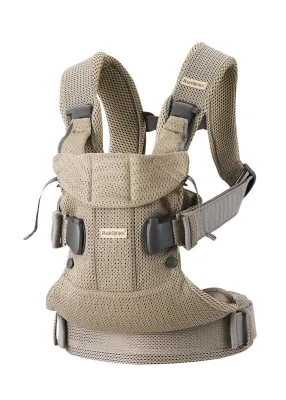
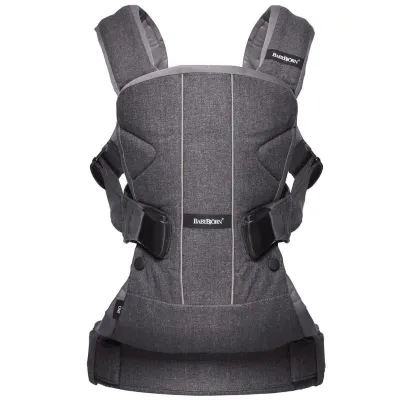
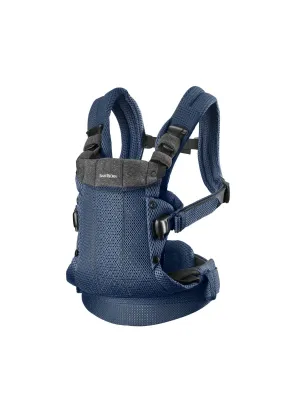
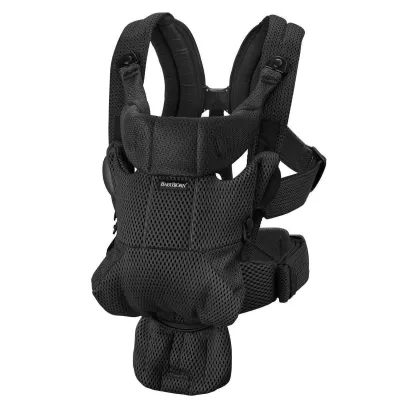
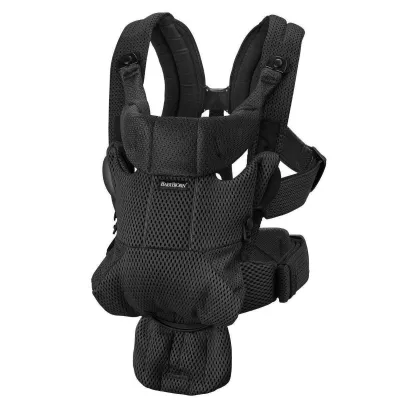
![[10 Yr Local Warranty] BabyBjorn Harmony 3D Mesh Baby Carrier - 8 Color](https://img.lazcdn.com/g/p/1bcba9e253762640fea6e3307149001b.jpg_400x400q80.jpg_.webp)
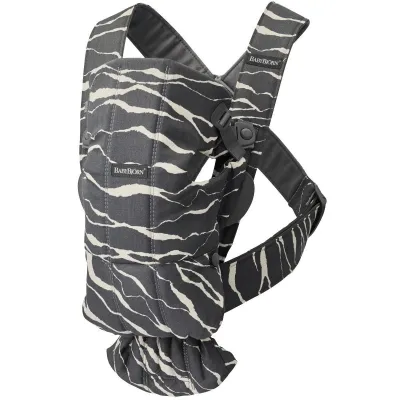
![[10 Yr Local Warranty] BabyBjorn Mini Baby Carrier Jersey 3D - 4 Color](https://img.lazcdn.com/g/p/d34c40b57865771fccecec48532a8bb6.jpg_400x400q80.jpg_.webp)
Prices are valid at publication and may change. Please refer to the product page for the latest price.
Newborns lack muscle strength to support their heads, making adjustable head support a vital safety feature. Early-stage carriers feature stiffened head supports adjusted via side straps. Once your baby reaches developmental milestones—such as holding their head upright steadily, typically around four to five months—you can fold the support down. This transition allows them to look around or move to an outward-facing position, provided they meet the specific developmental indicators in the manufacturer’s manual.
Safety always hinges on proper positioning. Parents must follow the “kissable distance” rule: the baby should sit high enough on your chest that you can easily kiss the top of their head. Keep the baby’s airway completely clear, with their nose and mouth free from fabric. Active supervision is essential; an ergonomic design supports physical development but never replaces constant vigilance in monitoring your baby’s breathing.
Parent Comfort: Lumbar Support and Weight Distribution Explained
An ergonomic carrier must support the caregiver just as much as the baby. As your infant grows heavier, carrying them can place significant strain on your neck, shoulders, and lower back. Understanding how different structural elements distribute this weight can help you adjust the carrier for long-term comfort.

Lumbar support panels are designed to stabilize the lower back. By placing a firm, contoured support piece against your lumbar spine, the carrier prevents you from leaning backward to compensate for the baby’s front weight. This keeps your posture aligned and distributes the load away from your shoulders, making extended walks much more manageable.
Wide, padded shoulder straps cushion the shoulders and prevent digging. Some models feature crossable straps forming an “X” across your back, which distributes weight diagonally and prevents slipping. Adjusting these straps ensures the carrier fits closely to your torso, reducing the forward pull of the baby’s weight.
A wide, padded waist belt transfers the majority of the baby’s weight to your hips and pelvis, which are better suited for carrying heavy loads. To work effectively, the waist belt must be positioned snugly above your hip bones and tightened securely. A loose waist belt will sag, pulling the shoulder straps down and causing lower back strain.
If the carrier will be shared between multiple caregivers, testing its adjustability is essential. Take turns adjusting the straps and buckles with your partner. An ideal carrier allows you to transition between different body types quickly and independently, ensuring both caregivers can achieve a secure, comfortable fit without compromising the baby’s position.
Verifying Ergonomic Claims and Safety Certifications
With many brands marketing their products as “ergonomic,” it is crucial to look past promotional language and verify these claims through established standards and safety certifications.
The International Hip Dysplasia Institute (IHDI) evaluates carriers to determine if they support healthy hip development. An IHDI “hip-healthy” acknowledgment means the design allows for proper M-shape positioning when used correctly. Because certifications can change, verify your specific model’s current status directly on the manufacturer’s official website or product documentation.
Look for compliance with recognized safety standards, such as the European standard EN 13209 or the American standard ASTM F2236, which test structural integrity, fastener strength, and fabric safety. You can find these compliance marks printed on the physical product tags sewn into the carrier or listed in the instruction manual.
Ergonomic benefits depend on using the correct settings for your baby’s size. Manufacturers specify minimum and maximum weight, height, and age limits for each carrying position. Using a carrier outside these parameters compromises safety and support. Always consult the product manual to adjust the seat width and height settings as your baby grows.
If your infant shows signs of persistent discomfort, restricted breathing, or unusual leg positioning, or if you experience ongoing back pain, stop using the carrier immediately. Consult a pediatrician or a certified babywearing consultant to ensure the fit is correct and safe for your baby’s specific physical development.
Choosing the Right Ergonomic Features for Your Lifestyle
Selecting the right carrier requires balancing ergonomic features with your daily lifestyle, climate, and personal preferences.
Fabric choice is critical in warm, humid climates like Singapore. Standard cotton carriers provide excellent structure but can trap heat, leading to discomfort. Mesh fabrics, such as 3D mesh, offer high breathability by allowing air to circulate freely. Selecting a mesh carrier helps regulate temperature, keeping your baby cool and comfortable during outdoor walks.
Weigh the trade-offs between structured carriers and minimalist designs. Structured carriers offer robust lumbar support, padded waist belts, and thick shoulder straps, making them ideal for long walks or heavier babies. Minimalist carriers or wraps are lighter and easier to pack, making them convenient for quick indoor use, though they lack heavy-duty support.
An ergonomic carrier is only effective if you can put it on and adjust it correctly every time. Complex buckles that require assistance can lead to rushed, incorrect fits. Look for designs with intuitive, front-facing buckles that allow you to secure your baby independently and confidently.
Prioritize features based on your primary use cases. For long outdoor excursions in Singapore, prioritize breathable mesh fabrics and robust lumbar support. If you need a carrier primarily for soothing a newborn at home, a softer, more flexible model is more suitable. Always match the carrier to your baby’s current developmental stage and your physical comfort needs.
Frequently Asked Questions (FAQ)
Is the outward-facing position ergonomic for my baby?
The outward-facing position should only be used once your baby has developed full head and neck control, which typically occurs around five months of age. Additionally, they must meet the manufacturer’s specific height and weight requirements for this position. When facing outward, the baby’s spine does not rest in the natural C-curve, and the hips may not receive the same level of support as they do in the inward-facing position. To prevent overstimulation and minimize physical strain on both your baby’s joints and your back, limit outward-facing carrying to shorter intervals of 15 to 20 minutes.
How can I check if the carrier fits correctly?
To verify the fit for your baby, ensure the seat fabric supports them from knee to knee without cutting into their calves, keeping their hips in the M-shape. Their face must be fully visible, with the airway completely clear of fabric and your chest. For your own comfort, check that the waist belt rests snugly on your hips rather than sagging down your thighs. The shoulder straps should feel tight enough to keep the baby’s weight close to your center of gravity without digging into your neck or shoulders. If you experience lower back pain after a few minutes of use, readjust the waist belt higher and tighten the straps.

Community discussion
Share your experience or ask a question. Comments are reviewed before publication.